This post may contain affiliate links, which means if you purchase through these links, we may receive a small commission at no cost to you. Thank you for supporting our website.
Portugal has established itself as one of Europe’s most complete surf destinations. With exposure to consistent Atlantic swell, a varied coastline, and towns that range from raw and traditional to refined and picturesque, it offers options for every type of surfer.
What sets Portugal apart is how dramatically each surf town differs in atmosphere and wave character. Some locations prioritise consistency and flexibility across multiple beaches. Others are defined by iconic reef breaks or global big wave recognition. The experience you have will depend not only on the swell but also on where you choose to base yourself and what time of the year.
Across the country’s Atlantic coastline, several towns have become established surf hubs, each shaped by its geography, wave conditions, and local culture. Understanding those differences helps explain why certain places attract travelling surfers year after year.
How to Use This Guide
Use the Contents table below to jump to any section. Click a heading in the guide to return to the top and continue exploring.
Surfing in Portugal is not confined to a single stretch of coastline. It is woven into daily life across multiple regions, particularly along the west coast where Atlantic swell shapes both the landscape and the rhythm of coastal towns. In places like Peniche and Ericeira, early mornings often begin with surf checks before cafés open, and conversations in local restaurants frequently revolve around wind direction, swell and tide.
What makes Portugal distinct is how surf culture integrates with traditional coastal identity. Fishing harbours operate alongside surf schools and stores, family-run seafood restaurants sit minutes from world-class waves, and historic town centres coexist with modern surf lodges and coworking spaces. The result is a coastline that feels lived-in rather than purpose-built.
This blend of authenticity and accessibility is part of what draws surfers back repeatedly. You can move between towns within a few hours and experience a noticeable shift in atmosphere, from the raw, wind-swept energy of Guincho to the compact charm of Ericeira or the functional reliability of Peniche. Understanding that cultural backdrop adds context to the towns outlined below.
Peniche occupies a unique geographical position on Portugal’s Silver Coast. Unlike many surf towns that rely on a single stretch of beach, Peniche sits on a peninsula that faces multiple swell and wind directions. This allows surfers to move between beaches in response to changing conditions, significantly increasing the likelihood of finding clean, rideable waves on any given day. That adaptability is what gives Peniche its reputation for reliability.
Supertubos is the region’s most internationally recognised break. During strong autumn and winter swell, it produces fast, hollow barrels that attract professional competitions and experienced surfers from around the world. Just a short drive away, Baleal and neighbouring beaches offer softer, more forgiving peaks over sandy bottoms. This range means beginners, intermediates, and advanced surfers can often all find suitable conditions within a small area.
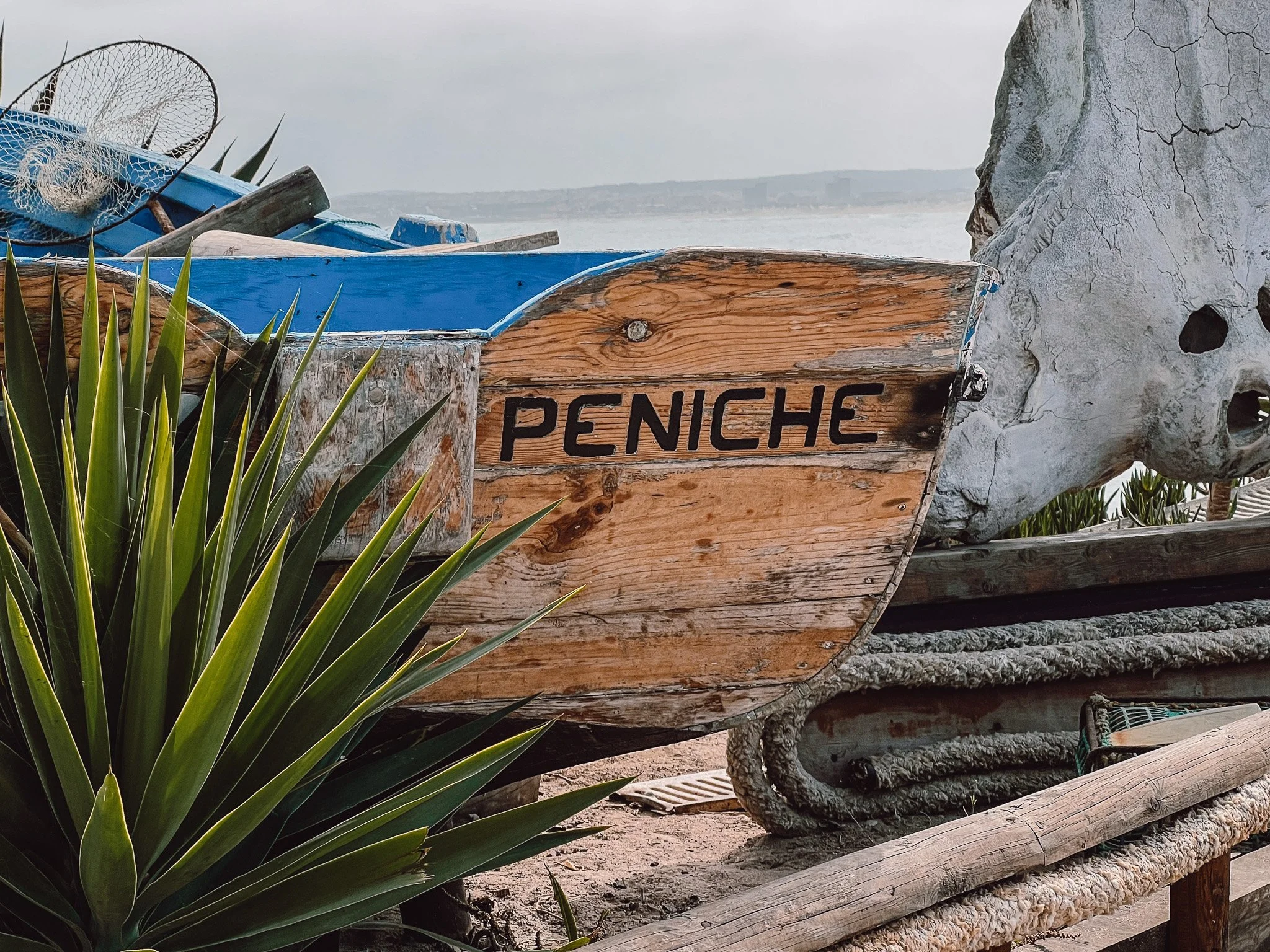
Peniche town itself feels grounded and practical rather than curated. Fishing boats still line the harbour, seafood restaurants focus on local catch, and the atmosphere reflects everyday coastal life rather than purely surf tourism. It may lack the visual cohesion of Ericeira, but its functionality is part of its appeal.
Where to Stay in Peniche
Choosing where to stay depends on how central surfing is to your trip. Baleal places you within walking distance of the beach, creating a rhythm built around early sessions and sunset checks. Peniche town centre offers more restaurant choice and easier access to ferries departing for the Berlengas Islands. Praia da Consolação provides a quieter, slightly more residential base south of town.
MH Peniche
MH Peniche is one of the most established hotel-style options in the area, located near Praia da Gamboa. Rooms are modern and spacious, and the property includes both indoor and outdoor pools along with spa facilities. Its setting offers convenient access to central Peniche while remaining a short drive from multiple surf breaks.
Hotel Soleil Peniche
Hotel Soleil Peniche sits directly opposite the beach and within walking distance of the historic centre. Rooms are simple and bright, with many offering sea views. The outdoor pool and beachfront position make it a practical mid-range choice for surfers who want immediate ocean access.
Accommodation prices in Peniche are generally more accessible than in Ericeira, particularly outside peak summer, making it well suited to longer stays.
If you are looking for somewhere else to stay, then use our interactive map below
Best Time to Visit Peniche
Autumn is often considered the best season for Peniche. Atlantic swell becomes consistent, winds are frequently favourable, and water temperatures remain warmer following summer. Winter brings more powerful and technically demanding conditions, particularly at Supertubos, and is better suited to experienced surfers comfortable in heavier surf.
Spring offers balanced conditions with fewer crowds, while summer typically produces smaller waves that are ideal for beginners and surf schools. Northerly winds can influence afternoon conditions during the warmer months.
Who Peniche Suits Best
Peniche suits surfers who value consistency and flexibility above aesthetics. It is popular for intermediate surfers looking to progress, groups with mixed ability levels, and travellers planning extended stays where adapting to daily conditions becomes part of the routine. While it may not offer the polished charm of Ericeira or the drama of Nazaré, it remains one of the most dependable surf bases in Portugal.
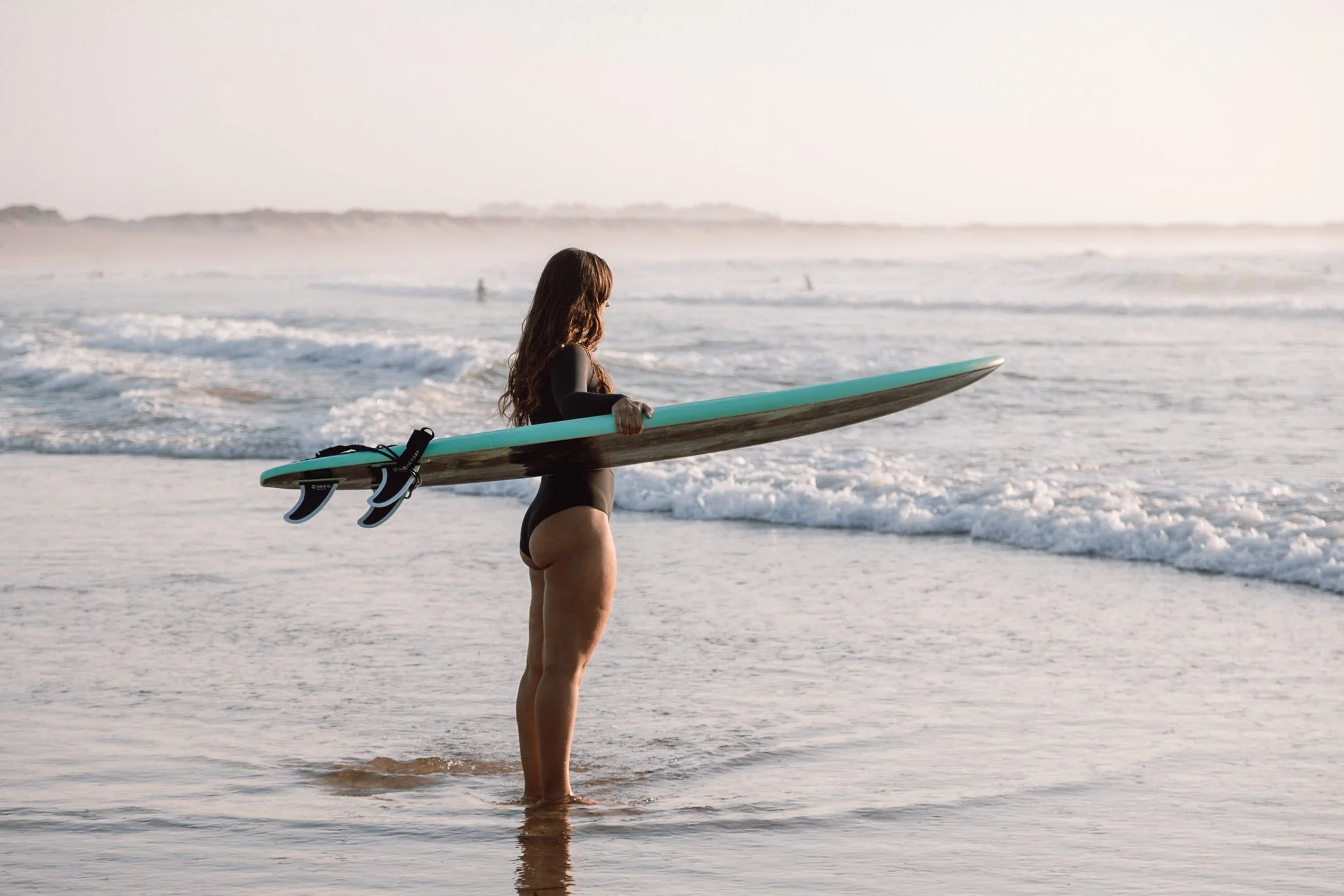
Ericeira occupies a unique position in Portugal’s surf landscape. It is not only visually striking, with whitewashed buildings perched above steep Atlantic cliffs, but also internationally respected for the quality and concentration of its breaks. As Europe’s first officially designated World Surfing Reserve, Ericeira’s coastline includes several reefs that consistently attract experienced surfers.
The waves here are often more technical than in Peniche. Breaks such as Ribeira d’Ilhas, Coxos, and Pedra Branca can produce powerful, fast sections, particularly during autumn and winter swells. Reading tide and positioning becomes more important, especially on exposed reefs. That said, there are beaches nearby that offer more forgiving conditions during smaller swell, allowing mixed-ability groups to find suitable weaves to surf.
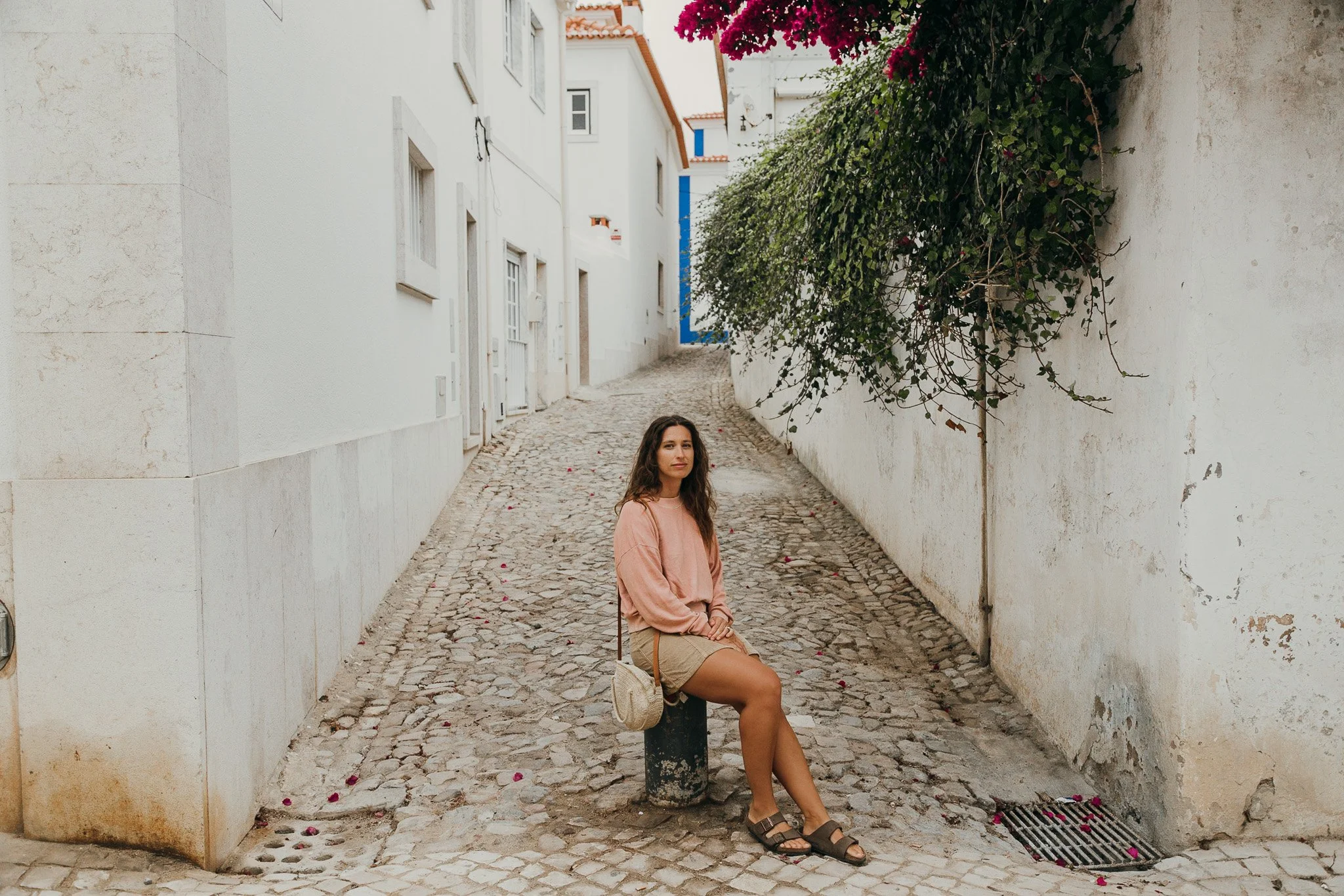
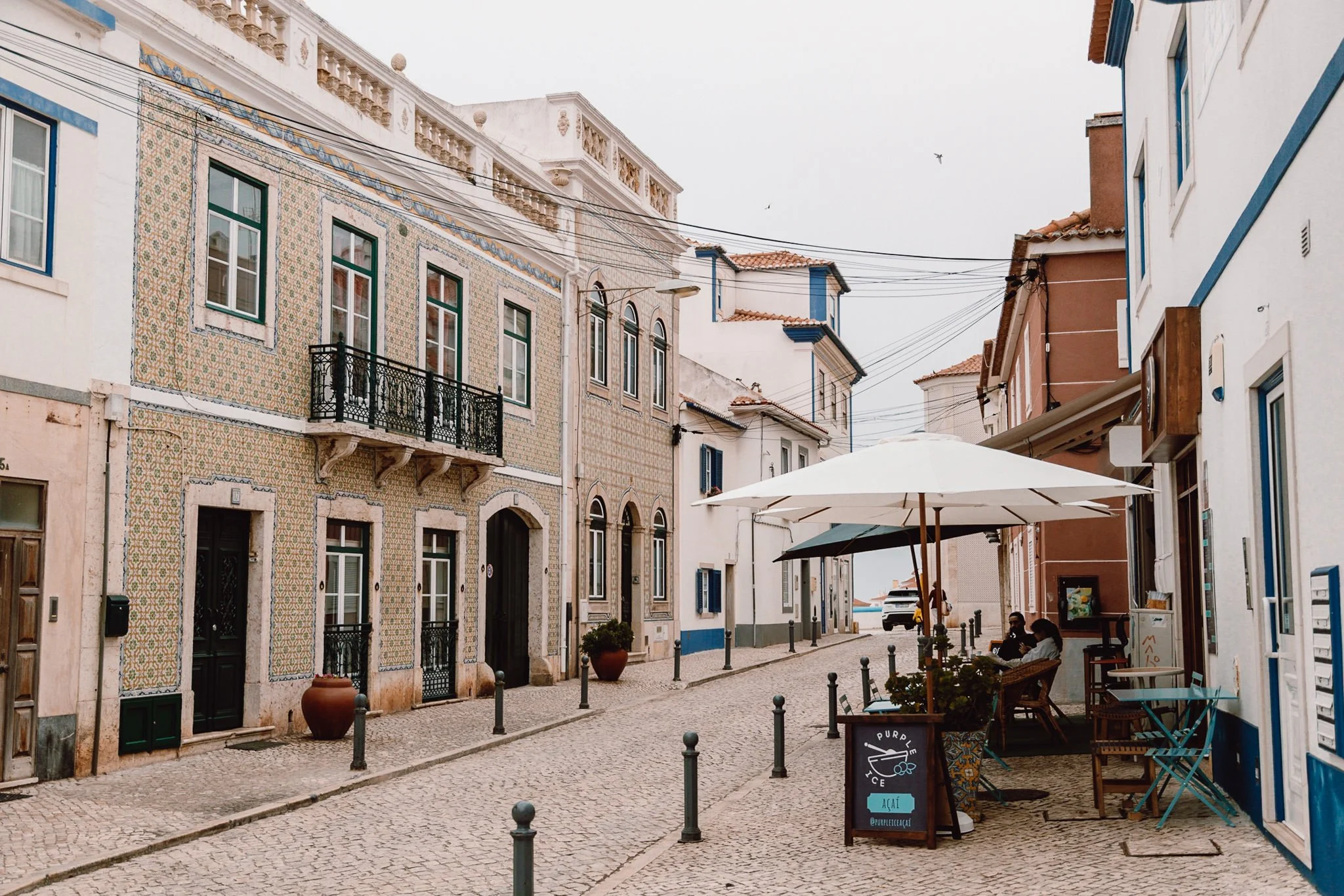
Beyond the surf, Ericeira stands out for its atmosphere. Restaurants spill onto small squares, seafood is a local highlight, and sunset viewpoints along the cliffs make Ericeira a special place. Compared to Peniche, Ericeira feels more polished and visually appealing, which contributes to its popularity.
Where to Stay in Ericeira
Staying within or just outside the historic centre allows easy access to restaurants, cafés, and coastal walking paths. A car increases flexibility between breaks, but many visitors base themselves centrally and drive short distances to specific surf spots.
Immerso Hotel
Immerso Hotel sits slightly inland from the town centre, offering a modern, design-led retreat with expansive ocean views. Rooms are minimalist and spacious, and the infinity pool overlooks the Atlantic coastline. The setting feels calm and refined while remaining within easy reach of Ericeira’s surf breaks, making it ideal for travellers seeking comfort alongside consistent waves.
You and the Sea
You and the Sea is located close to the heart of Ericeira, offering contemporary apartment-style accommodation within walking distance of beaches and restaurants. Units are spacious and well equipped, and the property includes a spa and outdoor pool. It works particularly well for longer stays or groups who want flexibility without sacrificing comfort.
Best Time to Visit Ericeira
Autumn is widely regarded as the prime surf season in Ericeira. Atlantic swell becomes more consistent, winds are often favourable, and water temperatures remain relatively comfortable after summer. Winter brings larger and more powerful waves, better suited to experienced surfers familiar with reef breaks.
Spring can offer balanced conditions with fewer crowds, while summer typically produces smaller waves that attract beginners and surf schools. The town becomes busier during peak summer months, particularly in July and August.

Who Ericeira Suits Best
Ericeira appeals strongly to intermediate and advanced surfers who are comfortable navigating reef breaks and variable conditions. It also suits travellers who value a picturesque setting, great dining options, and boutique accommodation alongside their surf sessions. Compared to Baleal or Peniche, Ericeira feels more balanced between wave quality and town atmosphere.
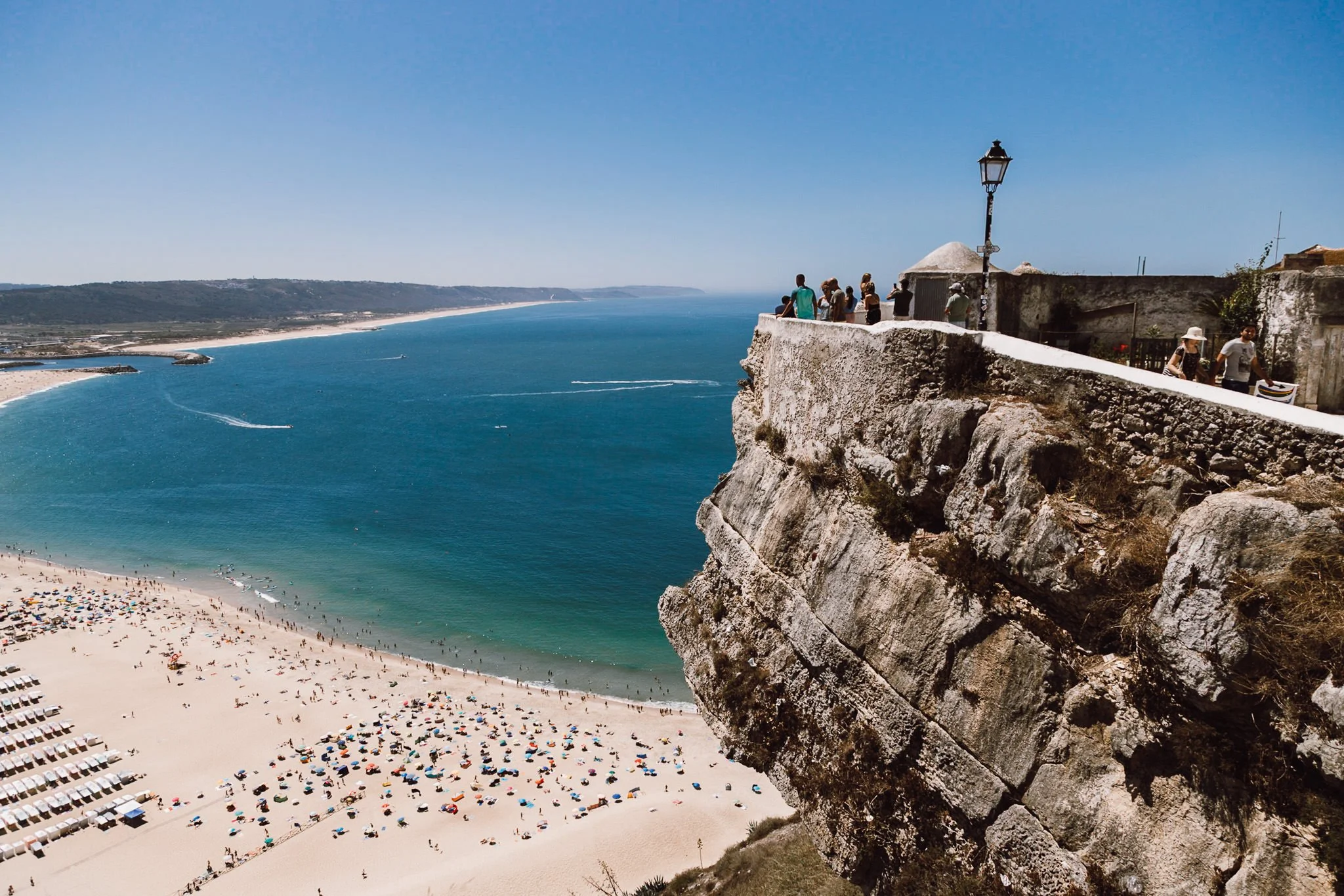
Nazaré is one of the most famous surf locations in the world, but its identity is shaped by extremes rather than everyday consistency. Praia do Norte, located just beyond the main town, is where Atlantic swells meet an underwater canyon that amplifies wave size dramatically. During winter storms, this geological feature creates some of the largest rideable waves on the planet, drawing professional big wave surfers and global media attention.
Standing on the clifftop at Sítio during a major swell is a powerful experience even for non-surfers. The scale of the ocean feels immense, and the raw energy of the Atlantic is unmistakable.
Away from peak winter surfing conditions, Nazaré settles into a more traditional Portuguese seaside rhythm. The main town beach is wide and sandy, backed by a promenade lined with restaurants and small hotels. Fishing culture remains visible in daily life, and the atmosphere feels more local and family-oriented than in surf-dominated towns such as Peniche or Baleal.
For everyday surfers, Nazaré offers beach breaks along the main shoreline, but it does not provide the same variety of sheltered options as Peniche. Conditions are more dependent on swell size and wind direction.
Where to Stay in Nazaré
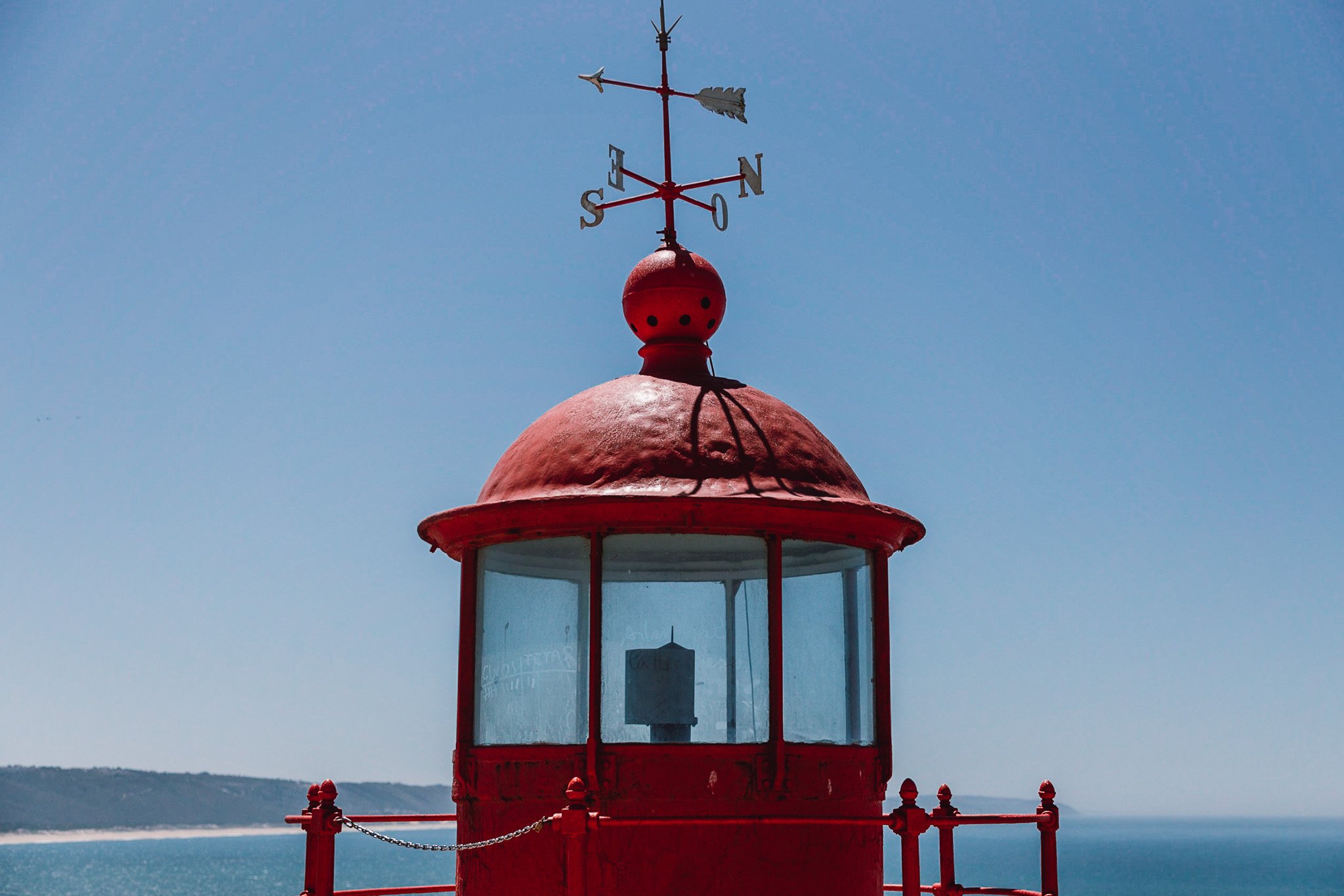
Staying in the lower town near Praia da Nazaré provides immediate access to restaurants, the promenade, and the main beach. Accommodation here is convenient and walkable. The elevated Sítio district, accessed by funicular or car, offers dramatic Atlantic views and a slightly quieter setting overlooking Praia do Norte.
Hotel Praia
Hotel Praia is located close to the main beach and promenade, offering modern rooms within easy walking distance of restaurants and surf access. The rooftop pool provides elevated views across Nazaré’s coastline, and its central position makes it one of the best hotel options in town.
Miramar Hotel & Spa
Miramar Hotel & Spa sits slightly elevated above the town, offering expansive Atlantic views and a quieter atmosphere. Rooms are contemporary and comfortable, and the on-site spa and outdoor pool add a resort-style element. Its position provides easy access to both the main beach and the road leading toward Praia do Norte.
Best Time to Visit Nazaré
Winter, particularly between November and February, is when Nazaré becomes globally significant. Major Atlantic swells during this period can produce giant waves at Praia do Norte, though conditions are unpredictable and dependent on storm patterns.
Spring and autumn offer a calmer balance, with moderate swell and fewer crowds. Summer typically brings smaller waves suitable for swimming and relaxed beach days rather than dramatic surf viewing.
Who Nazaré Suits Best
Nazaré suits travellers drawn to scale and spectacle. It appeals to those interested in witnessing big wave culture firsthand or exploring dramatic coastal scenery from elevated viewpoints. For surfers seeking consistent daily sessions across multiple breaks, Peniche or Ericeira generally provide more flexibility. Nazaré works best as part of a broader Silver Coast itinerary rather than as a dedicated long-term surf base.
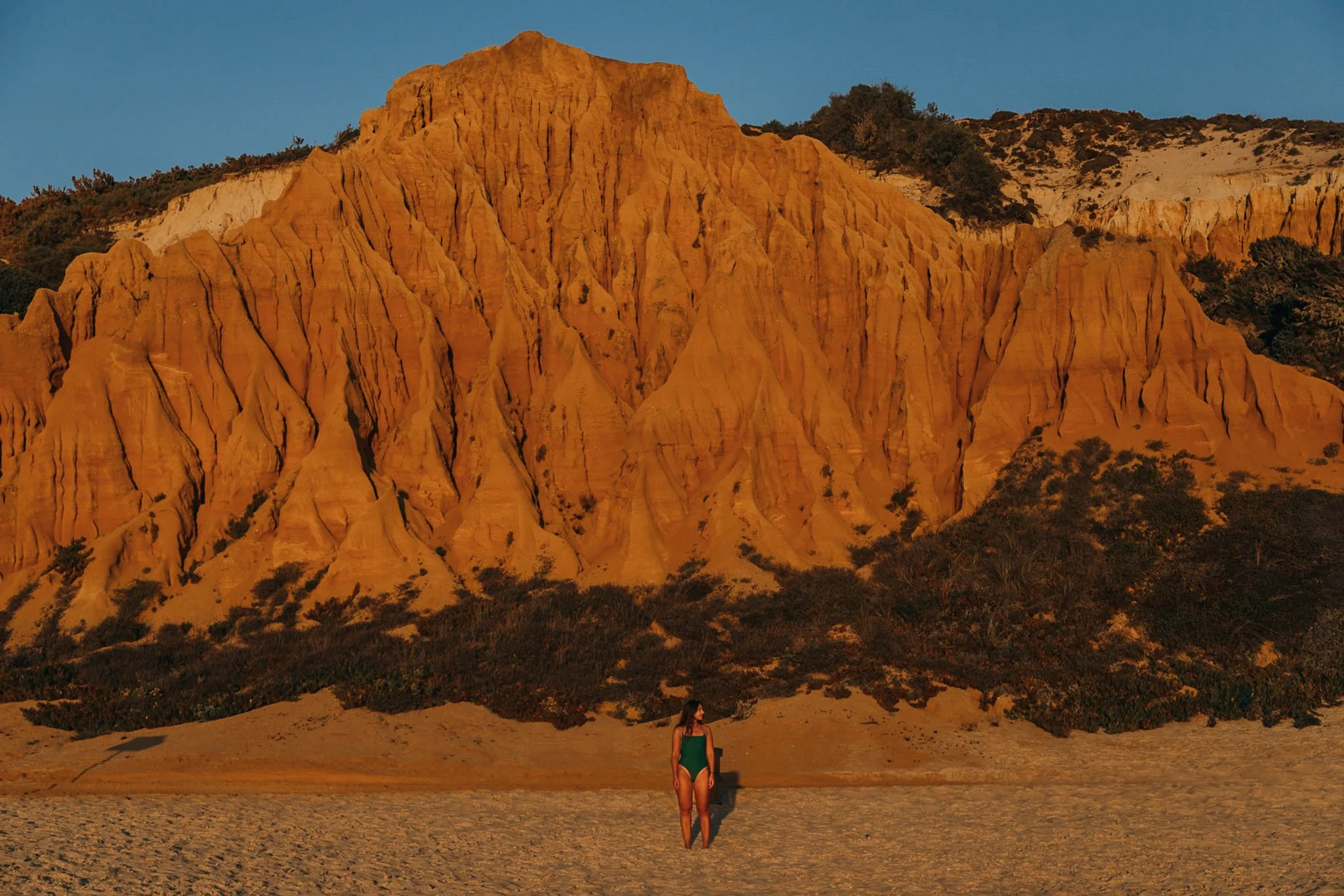
Sagres sits at the southwestern tip of Portugal, where the Algarve meets the full exposure of the Atlantic. Its geography creates one of the most versatile surf setups in the country. West-facing beaches such as Praia do Tonel and Praia da Beliche receive consistent Atlantic swell, while south-facing spots like Mareta Beach offer more shelter when northerly winds strengthen. This dual-coast advantage gives Sagres reliable year-round appeal and more flexibility than many central coast towns.
The landscape here feels raw and open. Cliffs drop into deep blue water, the horizon stretches uninterrupted, and the town itself retains a slightly remote character. Compared to Peniche or Ericeira, Sagres feels more spread out and less compact, but that space contributes to its atmosphere. Surf culture is firmly embedded in daily life, yet the pace remains slower and more relaxed than the Silver Coast.
Sagres works particularly well for longer stays, where shifting between beaches depending on conditions becomes part of the rhythm of the trip.
Where to Stay in Sagres
Most accommodation is concentrated near Mareta Beach and around the centre of town, providing access to restaurants and short drives to multiple surf spots. Staying near Tonel Beach offers dramatic cliffside scenery and immediate proximity to a consistent break, while Mareta provides a slightly more sheltered option.
Memmo Baleeira
Memmo Baleeira sits on an elevated position overlooking the harbour and Atlantic coastline. The hotel blends contemporary design with expansive ocean views, and the indoor and outdoor pools make it suitable year-round. Its location allows easy access to Mareta Beach while remaining within a short drive of Sagres’ western surf spots.
Pousada de Sagres
Pousada de Sagres occupies a historic fortification perched on cliffs above the ocean. The setting is dramatic and atmospheric, with panoramic sea views and direct access to walking trails along the headland. Rooms combine classic Portuguese character with modern comfort, making it one of the most distinctive places to stay in the Algarve for surfers seeking both scenery and history.
Best Time to Visit Sagres
Autumn and winter bring consistent Atlantic swell to Sagres’ west-facing beaches, often with slightly milder air temperatures than the Silver Coast. Spring offers balanced conditions with fewer crowds, while summer typically delivers smaller waves that suit beginners and improvers. The Algarve’s climate means water temperatures remain marginally warmer than in Peniche or Ericeira, though a wetsuit is still required throughout the year.
Who Sagres Suits Best
Sagres suits surfers who want variety without constant relocation. The ability to move between west and south-facing beaches provides flexibility under changing wind conditions. It also appeals to travellers drawn to dramatic coastal scenery and a more laid-back Algarve atmosphere. Compared to Peniche, Sagres feels less dense and less surf-industrial, making it attractive to couples and longer-term visitors seeking space alongside consistent waves.
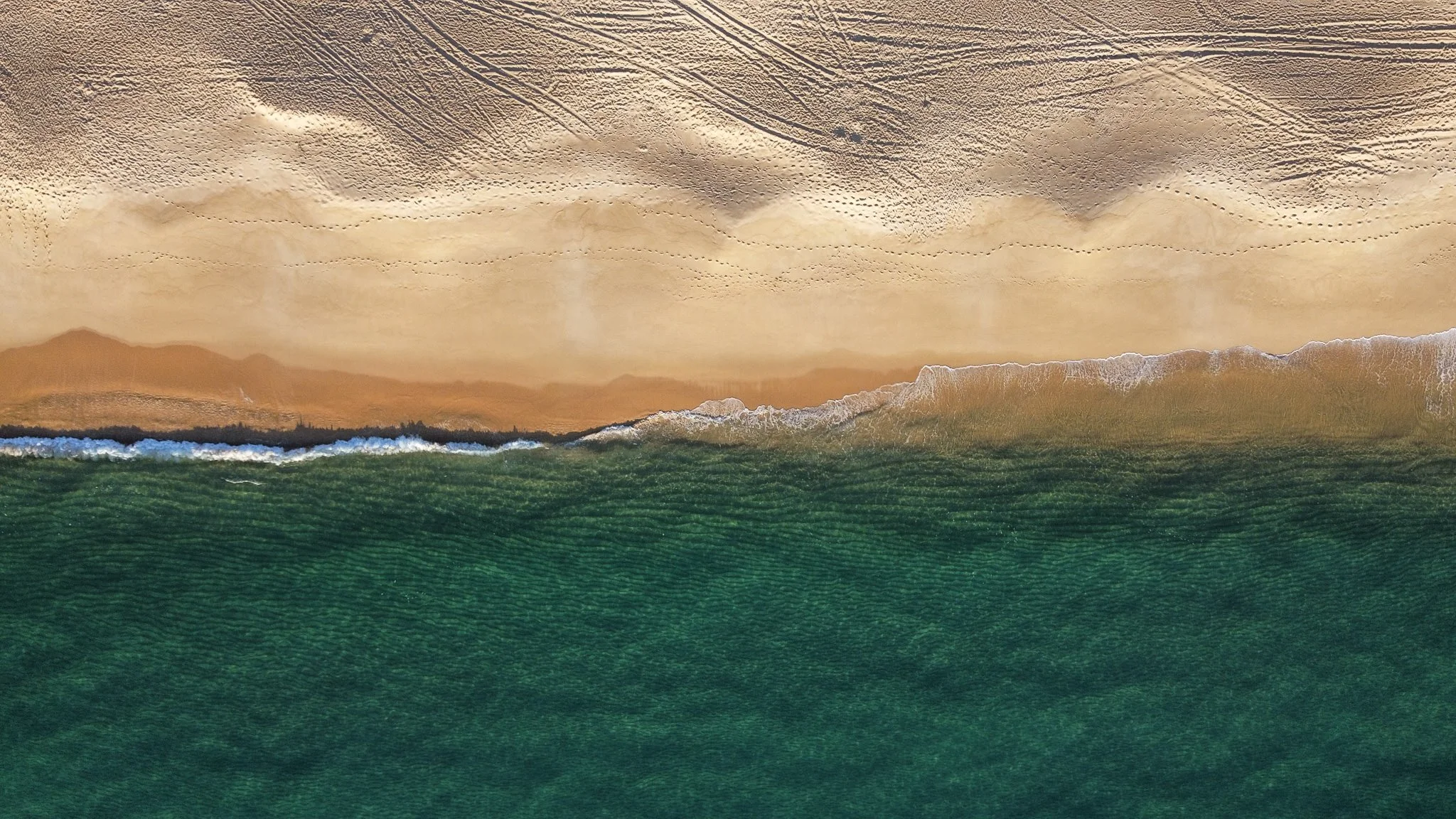
Stretching south from the Tagus River, Costa da Caparica offers one of the longest continuous sandy coastlines in Portugal. Unlike the compact, character-led towns of Ericeira or Peniche, Caparica functions more as an extended beach zone made up of multiple surf breaks rather than a tightly defined surf village.
The coastline runs for many kilometres, with consistent beach breaks that can handle a range of swell sizes. Because the beaches are so long, crowds tend to disperse more easily than in smaller surf towns. Conditions are generally user-friendly, making it a reliable option for beginner and intermediate surfers, particularly during smaller swell periods.
The town itself is practical rather than picturesque. Its main appeal lies in proximity to Lisbon, which sits just across the river. This makes Caparica particularly attractive for short surf breaks or for travellers wanting to combine a city break with time in the water.
Where to Stay in Costa da Caparica
Most accommodation sits along the beachfront or just behind it, allowing easy access to multiple breaks without needing to drive far. Staying near Praia do Paraíso or Praia da Saúde keeps you within walking distance of surf schools, restaurants, and board rental shops.
TRYP by Wyndham Lisboa Caparica Mar
TRYP by Wyndham Lisboa Caparica Mar sits directly opposite the main beach, offering sea-view rooms and immediate access to the surf. Rooms are modern and comfortable, and the rooftop pool provides elevated views across the coastline. Its central location makes it one of the most practical hotel-style options in Caparica.
BOOK | TRYP BY WYNDHAM LISBOA CAPARICA MAR
Inatel Caparica
Inatel Caparica is located slightly south of the main centre in a quieter stretch of the coastline. Surrounded by pine trees and within walking distance of the beach, it offers a calmer atmosphere than the busier central zone. Rooms are simple but comfortable, and the outdoor pool makes it appealing during warmer months.
Best Time to Visit Costa da Caparica
Autumn and spring tend to offer the most balanced conditions, with consistent swell and more manageable crowd levels than peak summer. Winter can bring solid Atlantic energy, though exposure varies depending on sandbanks. Summer typically produces smaller waves that suit beginners, but beaches become busier, particularly on weekends when Lisbon residents head to the coast.
Water temperatures follow the central Portugal pattern, requiring a wetsuit throughout the year.
Who Costa da Caparica Suits Best
Costa da Caparica works particularly well for travellers who want surf access without committing to a fully surf-centric town. It suits beginners, short-term visitors, and those basing themselves in Lisbon who want to add surf sessions to their itinerary. It is less appealing for travellers seeking a visually dramatic or character-heavy surf destination, but its accessibility and long stretch of beach make it a practical and flexible option.
Guincho feels markedly different from the more sheltered bays of central Cascais. As the road curves west out of town, the landscape opens into wide dunes and protected parkland within the Sintra-Cascais Natural Park. Praia do Guincho sits exposed to the full force of the Atlantic, and the energy of the ocean is immediately noticeable. The beach is broad, wind-swept, and visually striking, with rolling swell lines stretching toward the horizon.
Surf conditions at Guincho can be powerful and demanding. The beach break handles solid swell and can produce fast, punchy waves, particularly during autumn and winter. Wind plays a significant role here, and it is common for conditions to change quickly throughout the day. On the right combination of swell and wind direction, Guincho can deliver excellent sessions, but it is rarely a mellow or forgiving environment.
Unlike Peniche, where multiple beaches offer flexibility within a short drive, Guincho is more singular in character. It is suited to confident surfers who are comfortable reading exposed beach breaks and adapting to shifting conditions.
Where to Stay near Guincho
Fortaleza do Guincho
Fortaleza do Guincho occupies a restored 17th-century fortress overlooking Praia do Guincho. The setting is dramatic and elevated, with panoramic Atlantic views from many rooms and from the renowned on-site restaurant. Interiors combine historic character with understated luxury, and the proximity to the beach makes it one of the most distinctive places to stay for surfers who want atmosphere as well as access.
Senhora da Guia Cascais Boutique Hotel
Located between Cascais town and Guincho, Senhora da Guia Cascais Boutique Hotel offers a quieter coastal setting with direct ocean views. Rooms are contemporary and comfortable, and the property includes a spa and outdoor pool overlooking the Atlantic. It provides easier access to town restaurants while remaining within a short drive of Guincho’s surf.
Best Time to Visit Guincho
Autumn and winter bring the strongest and most consistent swell to Guincho. During these months, the Atlantic generates powerful waves that suit experienced surfers. Spring can also produce solid conditions with slightly milder weather.
Summer often sees smaller swell and stronger northerly winds, particularly in the afternoons. Early mornings tend to offer the cleanest windows during the warmer months.
Water temperatures follow the typical central Portugal pattern, requiring a wetsuit year-round, with thicker suits needed during winter.
Who Guincho Suits Best
Guincho suits confident intermediate to advanced surfers who are comfortable in exposed Atlantic conditions. It is not the easiest place to learn, and beginners generally find more manageable waves in Baleal or selected beaches around Peniche.
It also appeals to travellers who want to combine surf with a more refined coastal base. Staying in Cascais allows you to balance dramatic, wind-swept sessions with polished restaurants, marina walks, and boutique accommodation. For those seeking a blend of strong surf and a more sophisticated town environment, Guincho offers a distinctive alternative to Portugal’s more traditional surf communities.
Choosing a surf town in Portugal is not only about wave type or consistency. The character of the town, the density of accommodation, the food scene, and even how walkable the coastline is all shape the experience. Two destinations may offer comparable swell, yet feel entirely different once you step out of the water.
For Couples
Ericeira offers one of the strongest balances between quality surf and an attractive town environment. The historic centre feels cohesive and intimate, with restaurants overlooking the Atlantic and sunset viewpoints along the cliffs. It allows for early morning reef sessions followed by relaxed evenings without needing to drive elsewhere.
Cascais, particularly when pairing Guincho surf with a stay in town, suits couples seeking a more refined coastal base. While the surf itself can be demanding, the accommodation and dining scene provide a polished counterbalance.
Sagres also works well for couples who prefer space and scenery over nightlife. The dramatic coastline and open landscape create a quieter atmosphere, particularly outside peak summer.
For Solo Travellers
Baleal remains one of the easiest places in Portugal to arrive alone and quickly find a rhythm. The beach-centred layout encourages repeated encounters in the water and in cafés, and surf schools often act as informal social hubs.
Peniche town also supports solo travellers well, offering a mix of guesthouses and practical accommodation within reach of multiple breaks. Ericeira attracts solo travellers too, though the atmosphere can feel slightly less communal and more dispersed compared to Baleal.
For Digital Nomads
Ericeira stands out for longer stays that combine surf and remote work. Coworking spaces, reliable infrastructure, and a steady community of international residents make it easier to establish a routine. The town feels established rather than transient, which appeals to those planning extended time in Portugal.
Baleal and Sagres attract digital nomads seasonally, particularly in autumn and spring. However, the infrastructure is generally less developed than in Ericeira, and accommodation can be more limited outside peak periods.
For Budget Travellers
Peniche and Baleal typically provide the most accessible pricing along the central coast. Guesthouses, surf lodges, and apartment rentals are widely available, and daily living costs remain reasonable compared to more polished destinations.
Sagres can also offer good value, especially outside summer. Ericeira and Cascais tend to command higher accommodation prices, reflecting their stronger visual appeal and broader dining scenes.
For a Portugal Surf Road Trip
Portugal’s west coast lends itself well to a multi-stop itinerary. Peniche, Nazaré, and Ericeira sit within manageable driving distance of one another, allowing you to experience varied wave types and town atmospheres within a relatively compact stretch of coastline.
Extending south to Sagres introduces a noticeable shift in climate and landscape. The Algarve coastline feels more expansive and sunlit, creating contrast with the Silver Coast’s raw Atlantic character. Combining these regions produces a more complete picture of Portugal’s surf diversity.
Portugal’s surf conditions are driven primarily by North Atlantic storm systems and shifting wind patterns. The country’s west-facing coastline receives consistent swell for much of the year, but wave size, wind quality, and water temperature vary noticeably between seasons. Understanding these changes helps set realistic expectations and determine which surf towns will perform best during your trip.
Autumn
Autumn is widely regarded as the most balanced and reliable surf season in Portugal. From late September through November, North Atlantic storm activity increases, generating consistent groundswells without the extreme intensity that can arrive later in winter. Winds are often lighter and more stable during mornings, and sandbanks formed over summer can produce well-shaped peaks.
Water temperatures remain relatively comfortable following summer, typically allowing for a 3/2mm wetsuit in early autumn before transitioning to a thicker suit later in the season. Crowds begin to thin after peak tourist months, particularly midweek.
Peniche and Ericeira often perform particularly well during autumn, with consistent swell and manageable size offering ideal conditions for intermediate and advanced surfers.
Winter
Winter delivers the most powerful surf of the year. Deep Atlantic low-pressure systems generate large, long-period swells that impact the entire west coast. For experienced surfers, this is when Portugal’s most serious waves come alive.
Supertubos in Peniche produces fast, hollow barrels under strong winter swell, while Ericeira’s reef breaks can become heavy and technical. Nazaré’s Praia do Norte becomes a global focal point during major swell events, when wave heights can reach extraordinary levels.
Water temperatures typically range between 14°C and 16°C, requiring a 4/3mm or 5/4mm wetsuit. Booties are common, particularly at reef breaks. While winter offers exceptional quality, it is better suited to confident surfers comfortable in larger surf.
Spring
Spring provides a transitional window between winter power and summer calm. Swell remains consistent, though often slightly smaller and more manageable than midwinter. Weather conditions gradually improve, and daylight hours extend.
Wind patterns can be more variable in early spring, but overall crowd levels remain lower than in summer. This season often suits intermediate surfers who want consistent waves without the intensity of peak winter.
Water temperatures begin to rise slowly, though a full wetsuit remains necessary.
Summer
Summer typically brings smaller, cleaner waves, particularly along exposed beach breaks. Atlantic storm activity decreases, and swell size becomes more moderate, creating accessible conditions for beginners and improvers.
The northerly wind pattern known locally as the nortada can strengthen during afternoons, especially along the central coast. Early morning sessions often provide the cleanest conditions.
Water temperatures reach their annual high, generally between 18°C and 21°C depending on location. A 3/2mm wetsuit is usually sufficient, though some surfers opt for lighter suits during peak warmth.
Popular towns such as Ericeira, Baleal, and Sagres become busier in July and August, particularly on weekends.
A surf trip to Portugal is relatively straightforward to organise, but a few practical considerations can significantly shape your experience. Distances between towns are manageable, infrastructure is strong, and rental options are widely available. The key is understanding how mobility, season, and equipment choices affect flexibility along an Atlantic coastline that changes character quickly.
Do You Need a Car?
Whether you need a car depends largely on where you base yourself. In Peniche and Sagres, having your own transport provides a major advantage. Both locations offer multiple beaches facing different directions, and moving between them in response to wind and swell often determines the quality of your session.
In Baleal, you can manage without a car if your focus is the main beach break within walking distance of your accommodation. Central Ericeira is also workable without daily driving, though access to specific reef breaks becomes easier with a vehicle.
If you plan to combine multiple surf towns in one itinerary, renting a car is strongly recommended. Public transport connections between surf destinations are limited and time-consuming.
Bringing a Board vs Renting
Board rental is widely available in all major surf towns, including Peniche, Baleal, Ericeira, Sagres, and Costa da Caparica. Surf schools and rental shops typically offer a range of soft-tops, funboards, and shortboards, making it easy for beginners and intermediates to travel light.
Surfers planning extended stays or targeting specific conditions may prefer to bring their own equipment. Autumn and winter swell can demand particular board choices, especially in places like Supertubos or the reef breaks of Ericeira. Airline baggage policies should be checked carefully, as board fees vary.
Airport Access and Travel Logistics
Lisbon Airport is the most convenient entry point for the majority of Portugal’s central surf towns. Peniche, Ericeira, Nazaré, Costa da Caparica, and Guincho are all within manageable driving distance. This makes the Silver Coast particularly attractive for short surf breaks.
For Sagres and the western Algarve, Faro Airport is the most practical option. Porto Airport provides access to northern beaches and can also serve as an alternative entry point for Nazaré.
Car hire is widely available at all major airports and is generally affordable compared to many other European destinations.
Crowds and Lineup Etiquette
Portugal’s reputation as a surf destination means that popular breaks can become crowded, particularly during autumn swell and peak summer months. Well-known spots such as Supertubos and Ribeira d’Ilhas often attract both travelling surfers and local regulars.
Understanding lineup etiquette is essential. Respect priority, avoid dropping in, and take time to observe before paddling out, especially at reef breaks where positioning matters. Showing awareness and patience goes a long way in maintaining a positive atmosphere in the water.
Water Temperatures and Wetsuits
Although Portugal benefits from mild air temperatures for much of the year, Atlantic water remains cool. Winter sea temperatures can drop to around 14°C, requiring a 4/3mm or 5/4mm wetsuit depending on sensitivity. In late summer, temperatures may reach 19°C to 21°C, allowing for a lighter 3/2mm suit.
What is the best surf town in Portugal?
Peniche is often considered the most consistent due to its peninsula shape and varied beach breaks. Ericeira offers world-class reef waves and a more picturesque setting.
Is Ericeira better than Peniche?
Ericeira is more visually appealing and refined, but Peniche is generally more reliable for finding surfable conditions in different wind directions.
Is Nazaré only for big waves?
No. While Praia do Norte is famous for giant winter swells, Nazaré’s main beach offers more manageable waves during calmer periods.
Which surf town in Portugal is best for beginners?
Baleal and parts of Peniche are ideal for beginners thanks to sandy-bottom beach breaks and numerous surf schools.
Where is the most consistent surf in Portugal?
Peniche is widely regarded as the most consistent location due to its exposure to multiple swell directions.
What is the best time of year to surf in Portugal?
Autumn and spring provide the best balance of swell consistency and manageable crowds. Winter brings larger waves suited to experienced surfers.
Do you need a car for a surf trip in Portugal?
In towns like Peniche and Sagres, having a car improves flexibility between beaches. In Baleal or central Ericeira, you can often manage without one.
Is Portugal good for a first surf trip?
Yes. Portugal offers beginner-friendly beach breaks, reliable surf schools, and relatively affordable accommodation compared to other European surf destinations.
Which surf town in Portugal has the best atmosphere?
Ericeira is often considered the most atmospheric, combining a historic centre with strong surf culture and dining options.
Is Sagres better than Peniche?
Sagres offers warmer weather and dual coastline flexibility, while Peniche generally provides more consistent swell during peak seasons.
Plan your next adventure
If you book through our links, you help support our website at no extra cost to you - thank you!
Watch our Portugal Videos
READ our Portugal Guides
11 Must See Places Along The Beautiful West Coast of Portugal
Ultimate Guide to Ericeira, Portugal | best surf spots, beaches and eats
The Ultimate 4 Days in Madeira Itinerary and Map
Discover Monsaraz, Alentejo's Captivating Medieval Village in Portugal
11+ Wonderful Things to do in Cascais Travel Guide
One Day in Lisbon | A pocket size Guide to Portugal’s Capital city
Ultimate Guide to the Best Beaches in Sintra Portugal
13 Best Things to do in Enchanting Sintra Guide
7 Days in the Azores | Island hopping Itinerary to São Miguel, Flores and Corvo