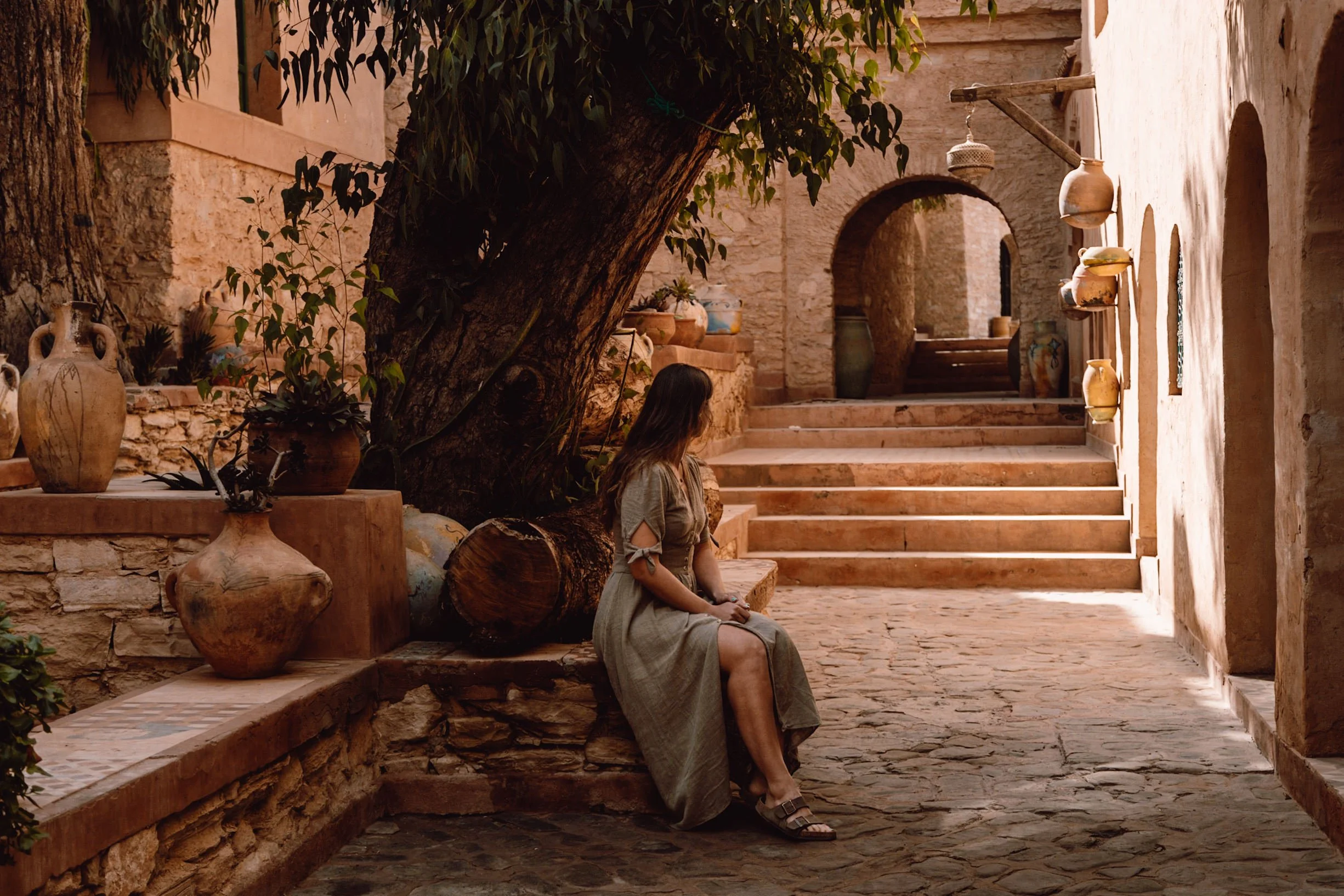
This post may contain affiliate links, which means if you purchase through these links, we may receive a small commission at no cost to you. Thank you for supporting our website.
Morocco is one of the most diverse and exciting destinations in the world, with golden deserts, historic medinas, world class surf towns, dramatic mountain ranges and colourful coastal cities.
The country has a warm climate for most of the year and each season offers something unique, from spring blooms in the Atlas Mountains to warm winter sunshine on the Atlantic coast.
If you are planning a trip and want to know the best time to visit Morocco, this guide breaks down the weather month by month, the best seasons for each activity, when to explore specific regions, and the cheapest and quietest months to travel.
Whether you are dreaming of Marrakech souks, a Sahara desert adventure, surf in Taghazout or a cultural trip through Fes, this complete seasonal guide will help you choose the perfect time of year.

Contents
How to Use This Guide
Click a heading in the contents list to go to that section and then any arrow ▴ next to a heading to jump back to the top of the page.
When Is the Best Time to Visit Morocco?
The overall best time to visit Morocco is March to May and September to November. These months offer warm and comfortable temperatures across most regions, ideal conditions for city sightseeing, desert tours, mountain trekking and beach escapes.
However, what is considered the best time can change depending on where you want to go. Winter is perfect for the coast and desert. Summer is ideal for beach towns, although very hot in the interior. Spring and autumn are the best for most Morocco itineraries.
We’ve explored the Moroccan coast from September to March, and the Atlas Mountains and Sahara Desert in August, experiencing the country’s diverse conditions firsthand. While it’s possible to visit Morocco year-round, below we’ve outlined the best months to enjoy each region at its best.
Best overall weather | March, April, May, October and November
Best time for Marrakech and Fes | March to May and September to November
Best time for the Sahara Desert | October, November, February and early March
Best time for surfing | October to April
Best time for budget travellers | January and February
Least crowded months | January, February and June
Hottest months | July and August
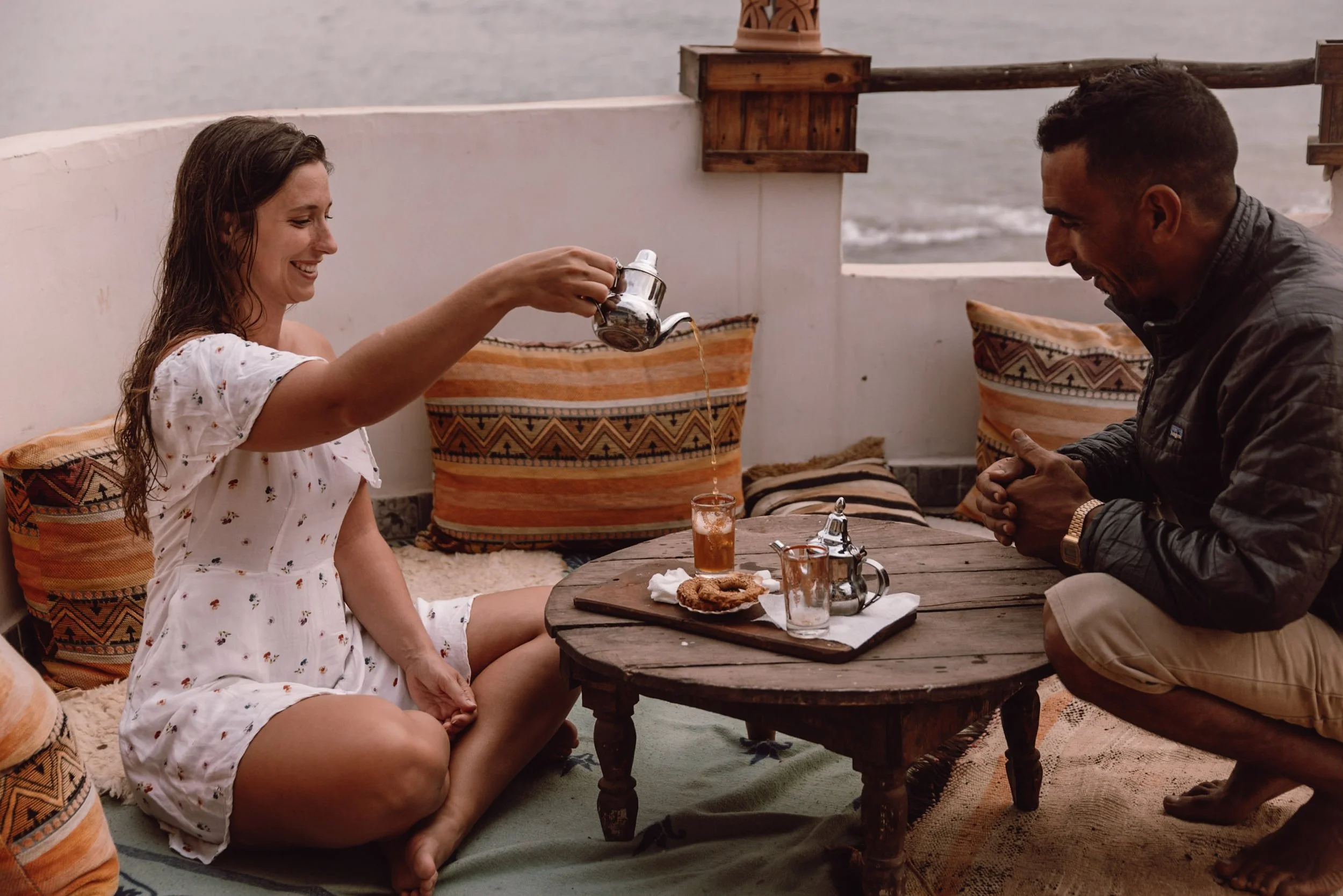
Plan your next adventure
If you book through our links, you help support our website at no extra cost to you - thank you!
Practical Travel Tips for Visiting Morocco
Health | Stay hydrated and protect against occasional rain or sun exposure. Wash hand before eating and after using toilet facilities. Drink bottled water only.
Transport | Road conditions vary; local guides recommended for mountain or desert regions. If self driving then keep a little spare cash as police road checks are common.
Safety | Morocco is generally safe for tourists; just be mindful in crowded markets as petty crime can happen.
Packing | Layered clothing, a warm jacket for mountains, desert nights and evening exploring.
Rabies | In 2025, a UK traveler sadly died after contracting rabies from a stray dog in Morocco. If you are bitten or scratched by any animal, seek immediate medical attention and begin treatment as soon as possible. Rabies is almost always fatal if the correct medical care is not received promptly.
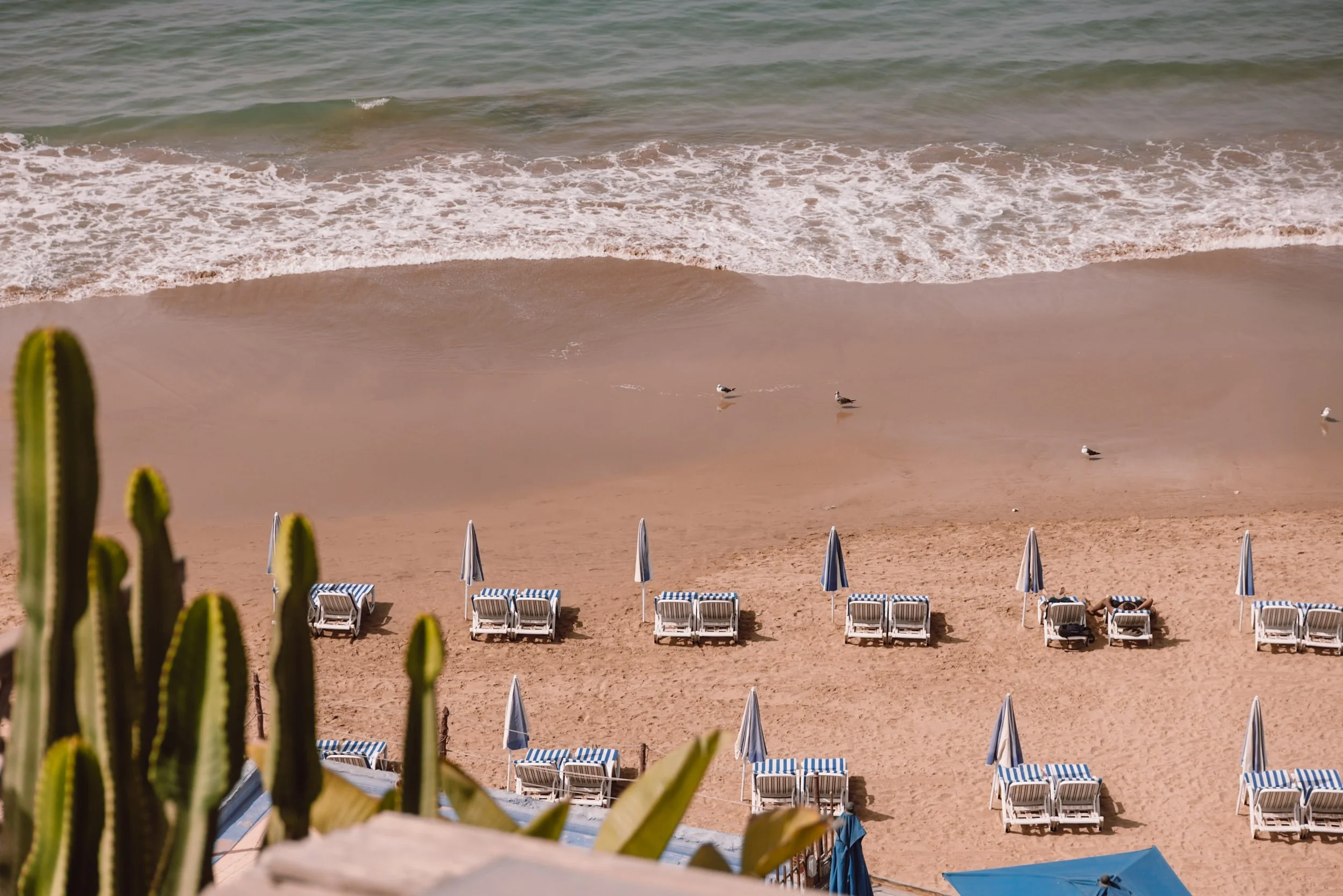
Morocco Weather by Season
To help you choose the perfect time to visit, here is how Morocco feels across the four seasons. Weather varies widely between coastal regions, inland cities and the mountainous and desert interior.
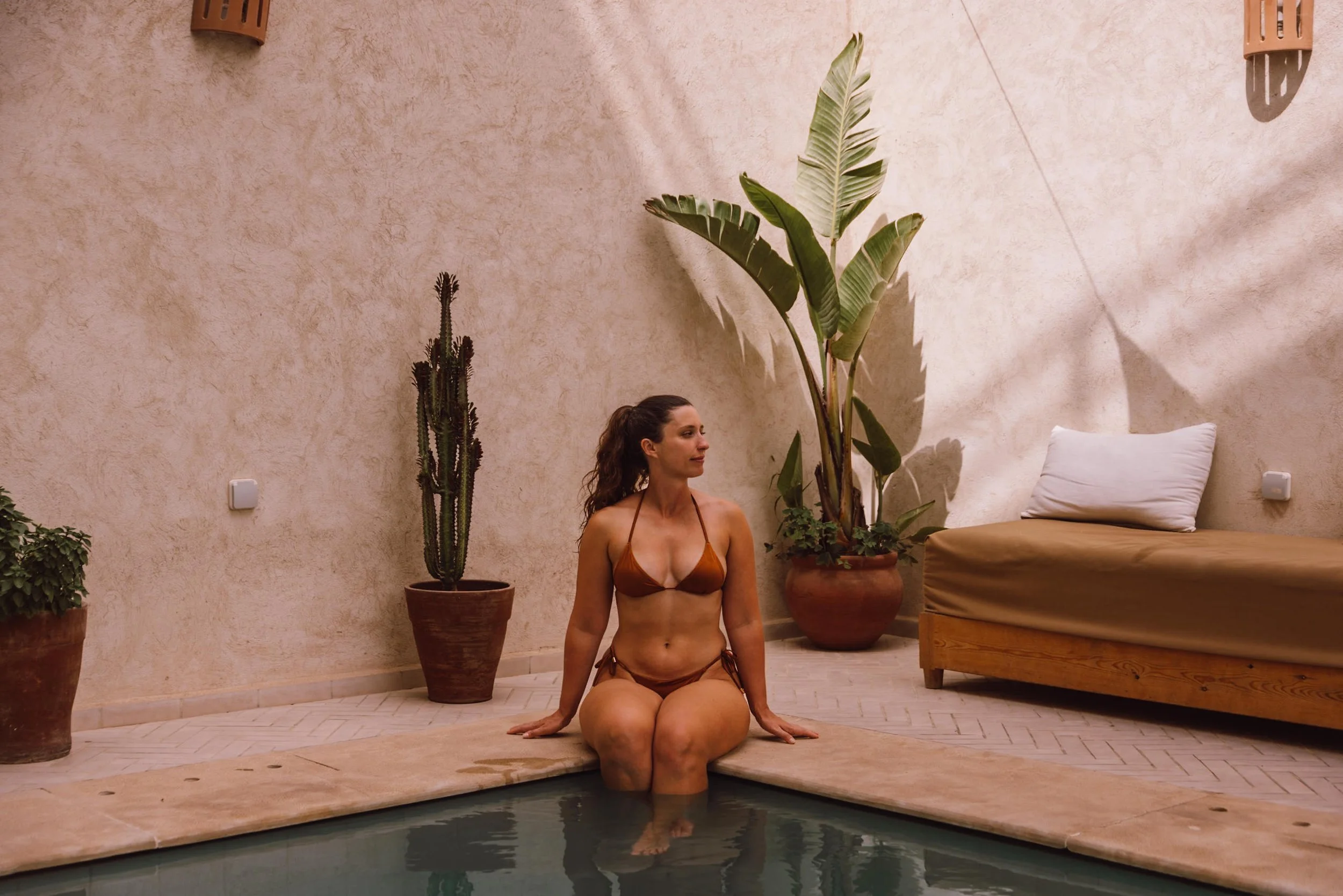
Spring - March to May
Spring is one of the most popular times to visit Morocco. Days are warm without being too hot, flowers bloom in the Atlas Mountains and the Sahara Desert has ideal temperatures for multi day tours.
Comfortable temperatures from 20 to 28°C
Pleasant evenings
Perfect conditions for walking, exploring medinas and hiking
Spring is the best season for Marrakech, Fes and city breaks in general.
Summer - June to August
Summer in Morocco is very hot inland. Marrakech, Fes and the desert can easily reach 40°C, so city sightseeing becomes challenging. However, the Atlantic coast is one of the best places to be.
28 to 42°C in Marrakech and the interior
24 to 30°C on the coast
Warm seas and ideal sunbathing and beach weather
June is quieter and cheaper than July and August, especially in beach towns like Essaouira, Agadir and Taghazout.
Autumn - September to November
Autumn is another great time to visit Morocco, with warm sunshine, comfortable temperatures and clear skies. The sea remains warm into October and November.
24 to 30°C across much of the country
Slightly cooler nights
Peak conditions for hiking, surf and sightseeing
This is one of the best times for Sahara adventures.
Winter (December to February)
Morocco in winter feels pleasantly warm on the coast and mild in the cities. Marrakech often reaches 18 to 22°C during the day. The High Atlas Mountains receive snow, creating beautiful scenery.
17 to 22°C in Marrakech and Agadir
8 to 12°C at night
Snow and cold temperatures in the mountains
Ideal winter surfing and winter sun on the Atlantic coast
January and February are the cheapest months to visit Morocco with fewer crowds and excellent hotel availability.
Morocco Weather by Month
Morocco’s weather varies significantly by region and season. This month-by-month weather table highlights the conditions across the country, helping you plan the best time to visit for beaches, mountains, deserts, surf, and cultural experiences throughout the year.
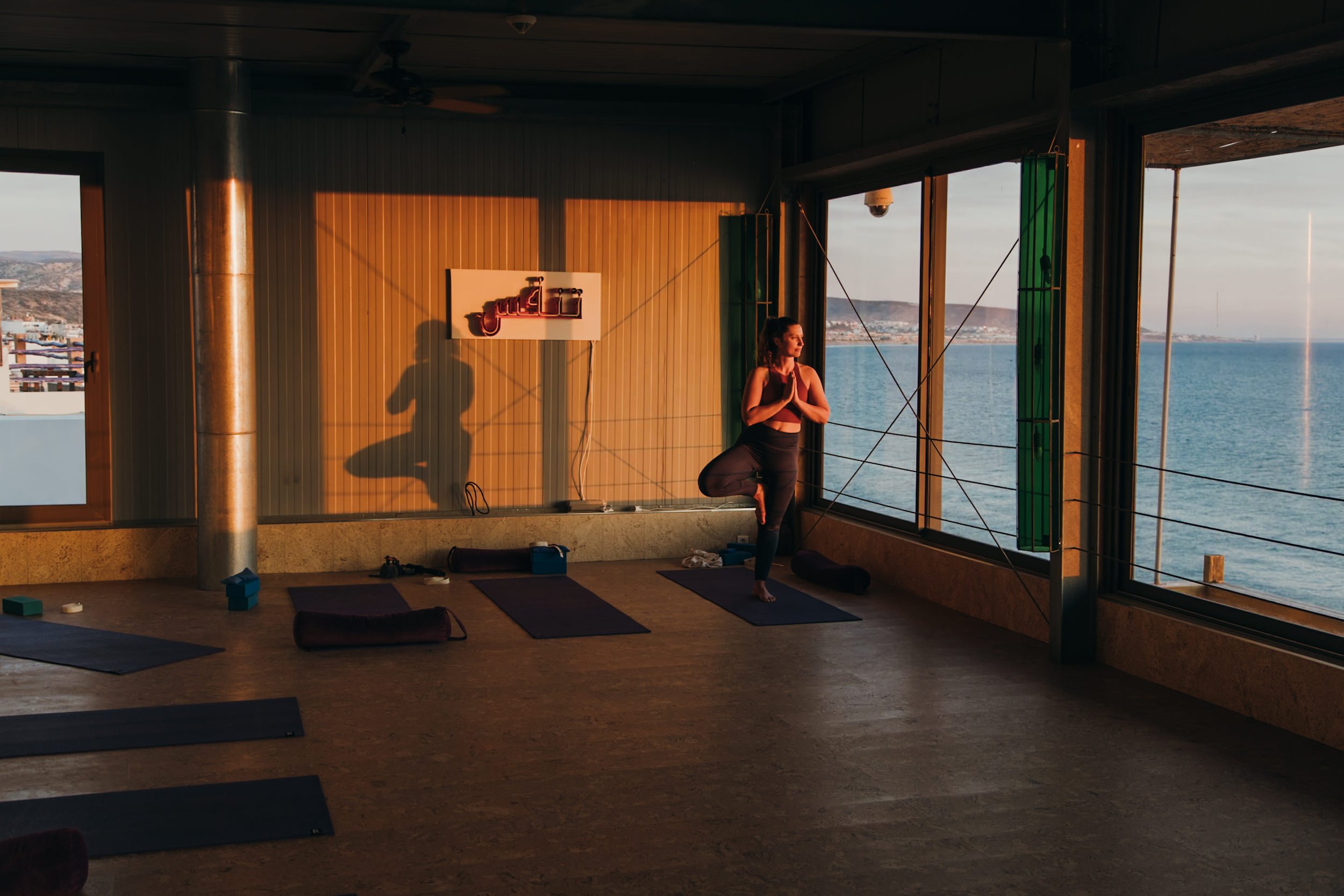
Best Time to Visit Marrakech
The best time to visit Marrakech is March to May and September to November, when the city enjoys warm, comfortable temperatures that are perfect for exploring the medina, visiting gardens like Jardin Majorelle and relaxing on rooftop terraces. These months offer the best balance of weather, atmosphere and sightseeing conditions.
Best months | April, May, October
Avoid | July and August, which are extremely hot
Best for budgets | January and February
Marrakech in winter is mild, sunny and noticeably quieter, making it an excellent choice for cultural trips, cooking classes, museum visits and leisurely afternoons in riads without the peak-season crowds.
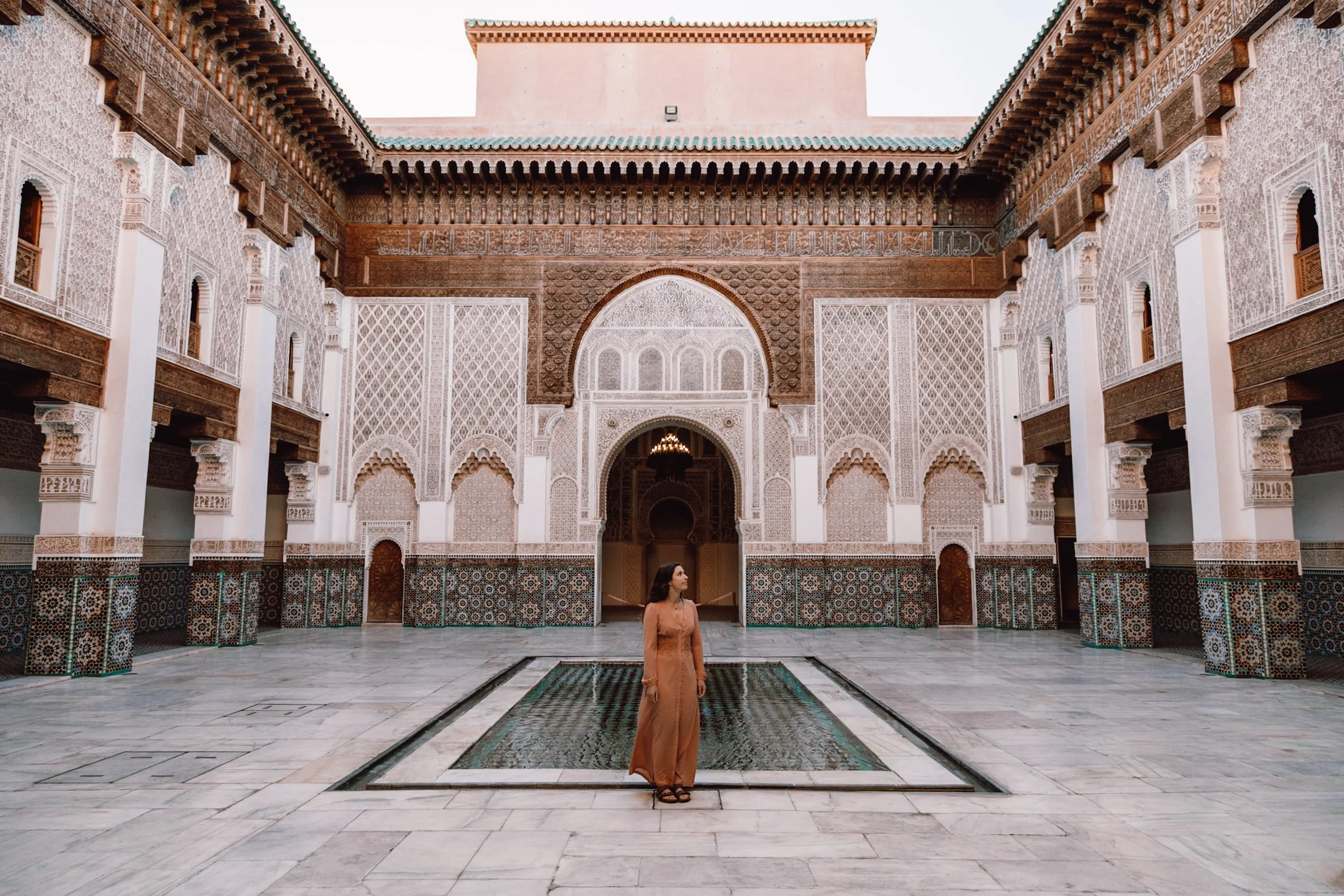
Best Time to Visit Fes and Northern Morocco
Northern destinations such as Fes, Rabat and Tangier experience cooler temperatures and occasional winter rain, so timing your trip can make a big difference. The best weather arrives in April, May, September and October, when days are warm, skies are clearer and historic cities feel vibrant without the summer heat.
Best months | April, May, September and October
Avoid | December to February, which can be rainy and chilly
Best for culture and food | Year round
This region suits travellers who want a richer cultural experience with fewer crowds than Marrakech. Its medinas, museums, Roman ruins and coastal viewpoints are enjoyable in all seasons, especially for food lovers and slow travellers.
Best Time to Visit the Sahara Desert
The Sahara Desert is most comfortable to explore in October, November, February and March, when days are warm and sunny, skies are clear, and nights are cold but manageable.
Avoid | Summer months, as temperatures can soar above 45°C, making travel challenging.
These months are ideal for desert treks, camel rides, and overnight stays in luxury or traditional camps, offering the perfect balance of adventure and comfort.
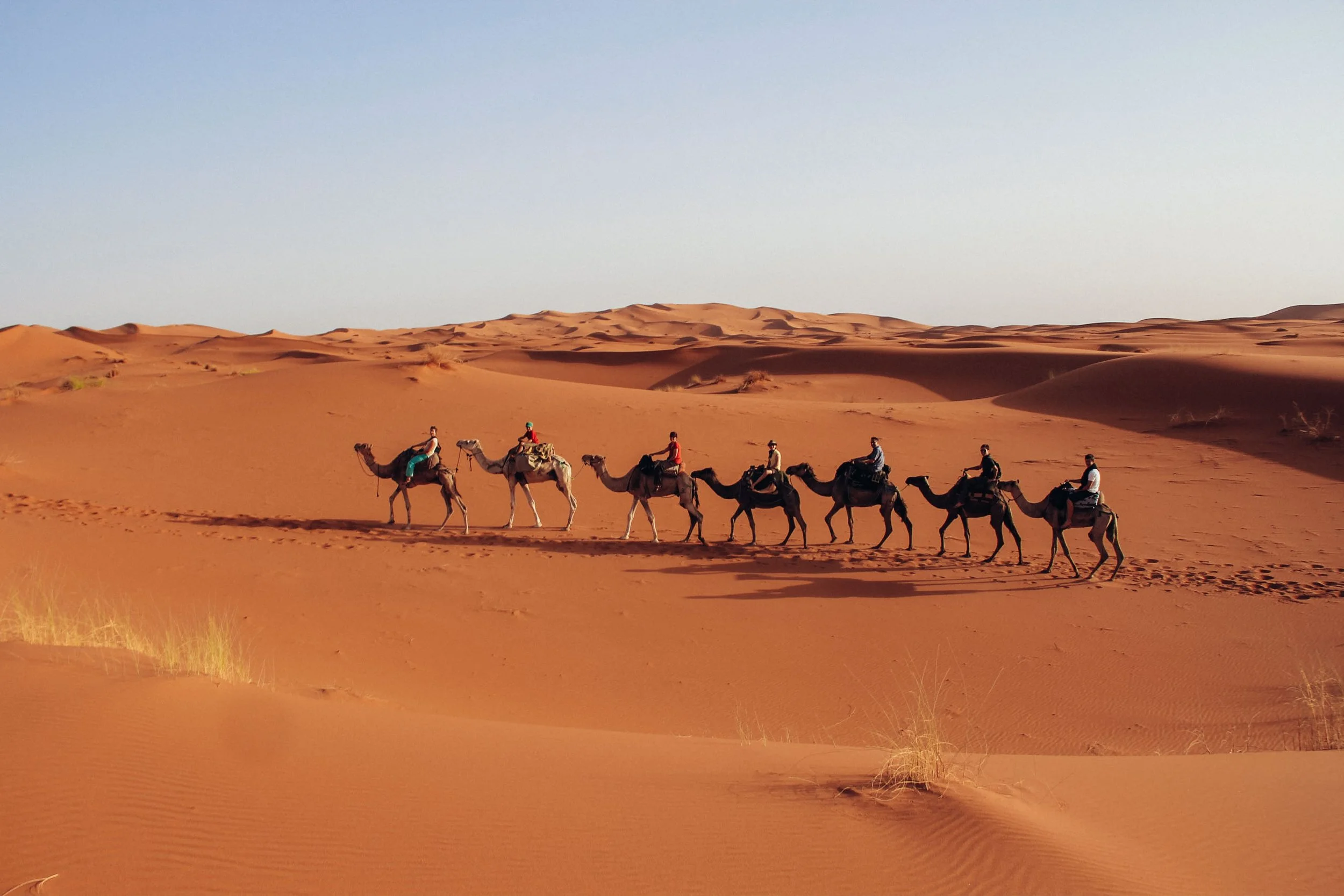
Best Time for Surfing in Morocco
Morocco is a world-class surf destination, with October to April offering the most consistent swells, warm sunshine, and ideal conditions.
Top surf spots include Taghazout, Imsouane, Tamraght, Agadir, Essaouira, and Sidi Ifni.
Winter is particularly excellent for surfers of all levels, from beginners learning in surf schools to experienced surfers chasing bigger waves.
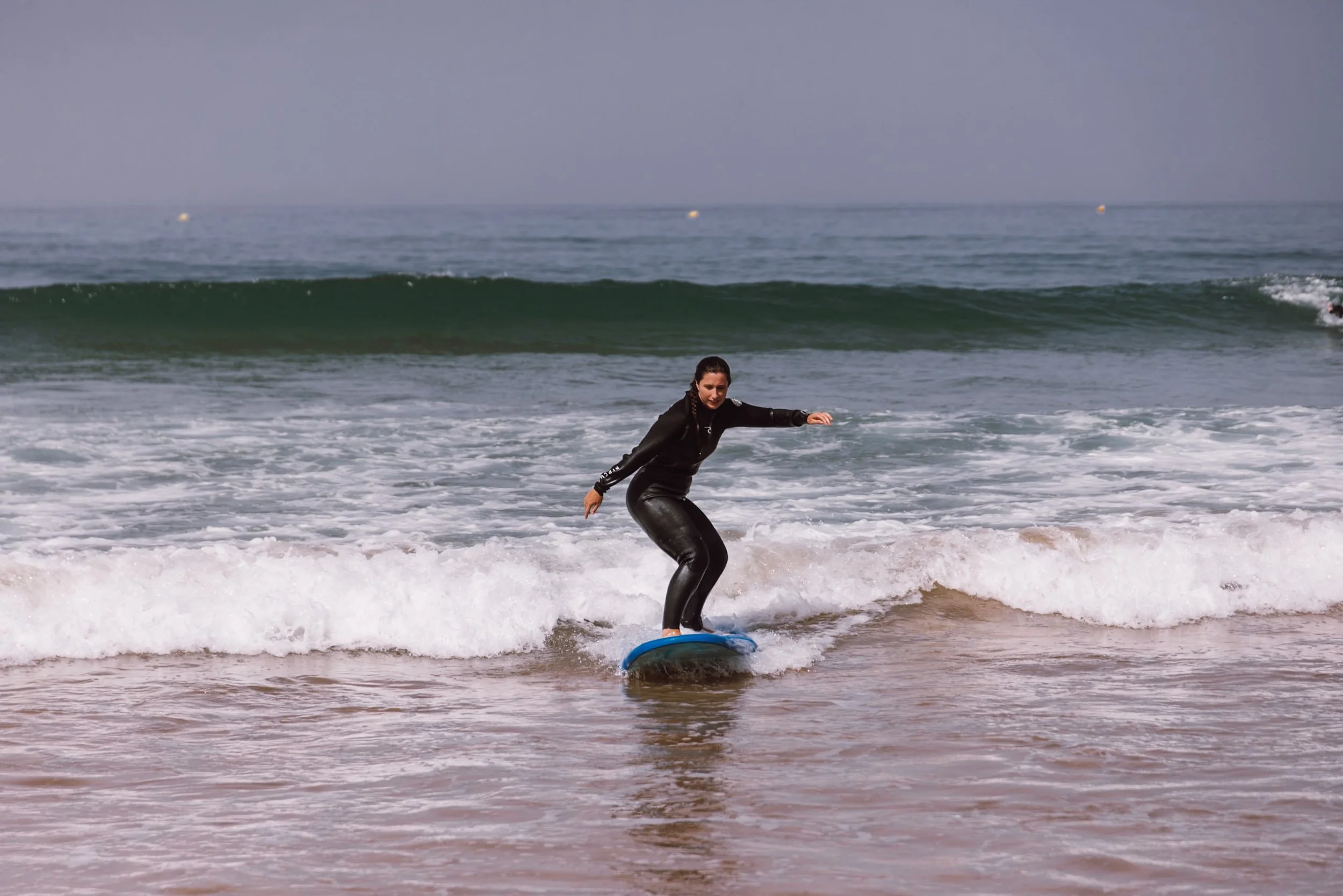
Best Time for Hiking in Morocco
Morocco’s hiking season is at its best during April to June and September to early November, when temperatures are mild, trails are clear and visibility is excellent.
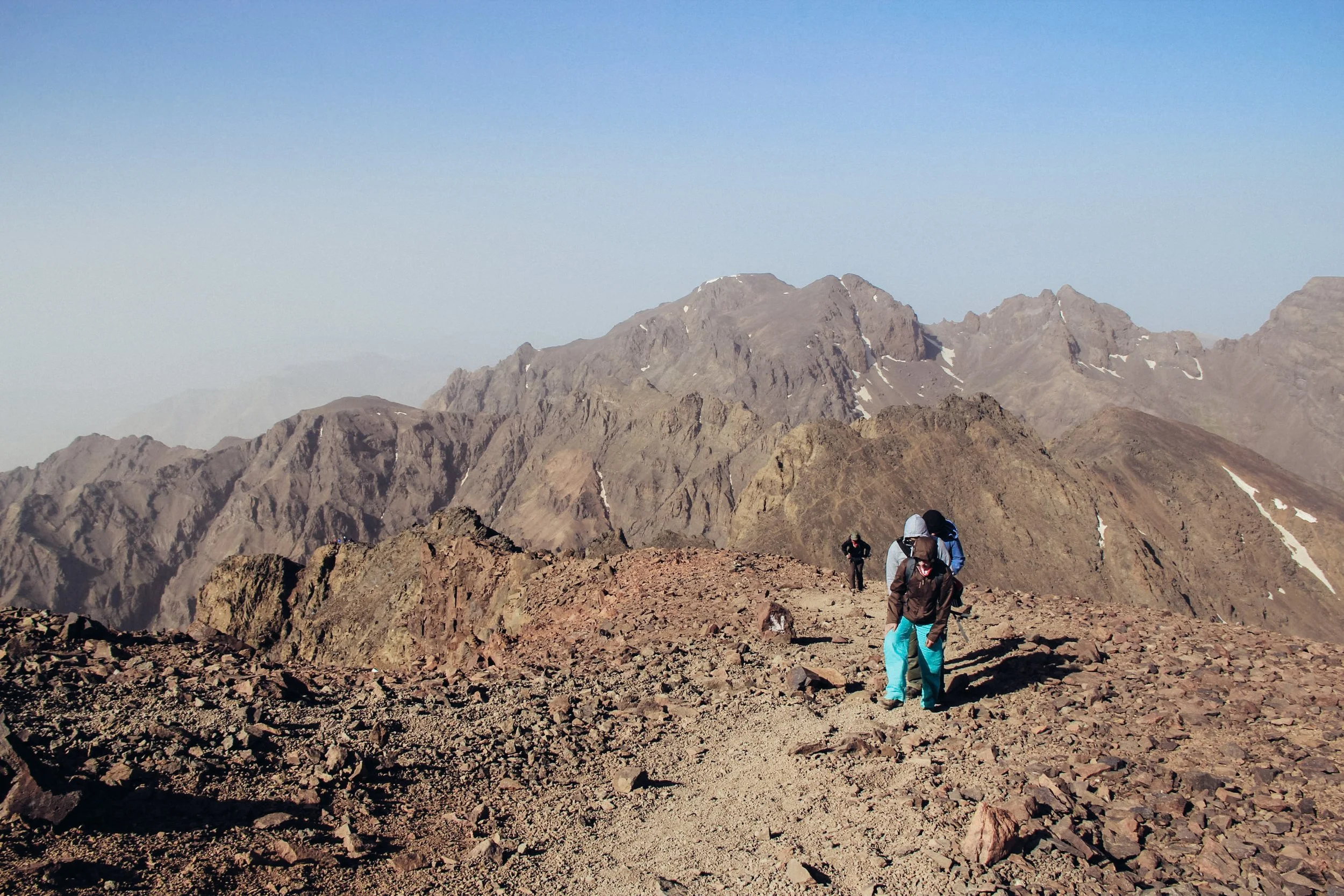
These months offer ideal conditions for trekking around Imlil, Ouirgane, the High Atlas valleys and even tackling Mount Toubkal without the extreme heat or winter snow.
Summer can be uncomfortably hot at lower elevations, especially around Marrakech and the foothills, making long-distance trekking challenging.
Winter transforms the High Atlas into a snow-covered landscape. While this is beautiful, it requires proper gear and a certified guide, and some high passes may become inaccessible.
If you want reliable weather, good trail conditions and comfortable temperatures, the shoulder seasons are the perfect time to plan your Moroccan hiking adventure.

Best Time for a Morocco Road Trip
The most comfortable months for a classic Morocco road trip are March to May and October to November. During these periods, temperatures are warm but not extreme, making long drives and sightseeing much more enjoyable.
Spring brings blossoming landscapes, especially in the Atlas Mountains and desert oases, while autumn offers golden light and calmer coastal conditions.
Roads are generally quiet outside the main tourist hubs, so you can explore medinas, kasbahs, coastal towns, and desert routes at your own pace.
Summer can be extremely hot, particularly inland and in the Sahara, while winter may bring cooler temperatures and occasional rainfall in northern regions.
For a relaxed, scenic, and varied Moroccan road trip, plan your journey during spring or autumn to combine pleasant weather with fewer crowds and stunning scenery.

Cheapest Time to Visit Morocco
The most budget-friendly months to visit Morocco are January, February, and June. During these periods, accommodation rates are generally lower, with excellent deals on riads, boutique hotels, and desert camps.
Major attractions are quieter, making sightseeing more relaxed, and you’ll often find better availability for guided tours and experiences.
Flights are also cheaper outside school holidays and peak travel seasons, helping keep your overall trip costs down.
Visiting during these months is ideal for travellers who want to enjoy Morocco’s culture, landscapes, and cities without paying high-season prices.
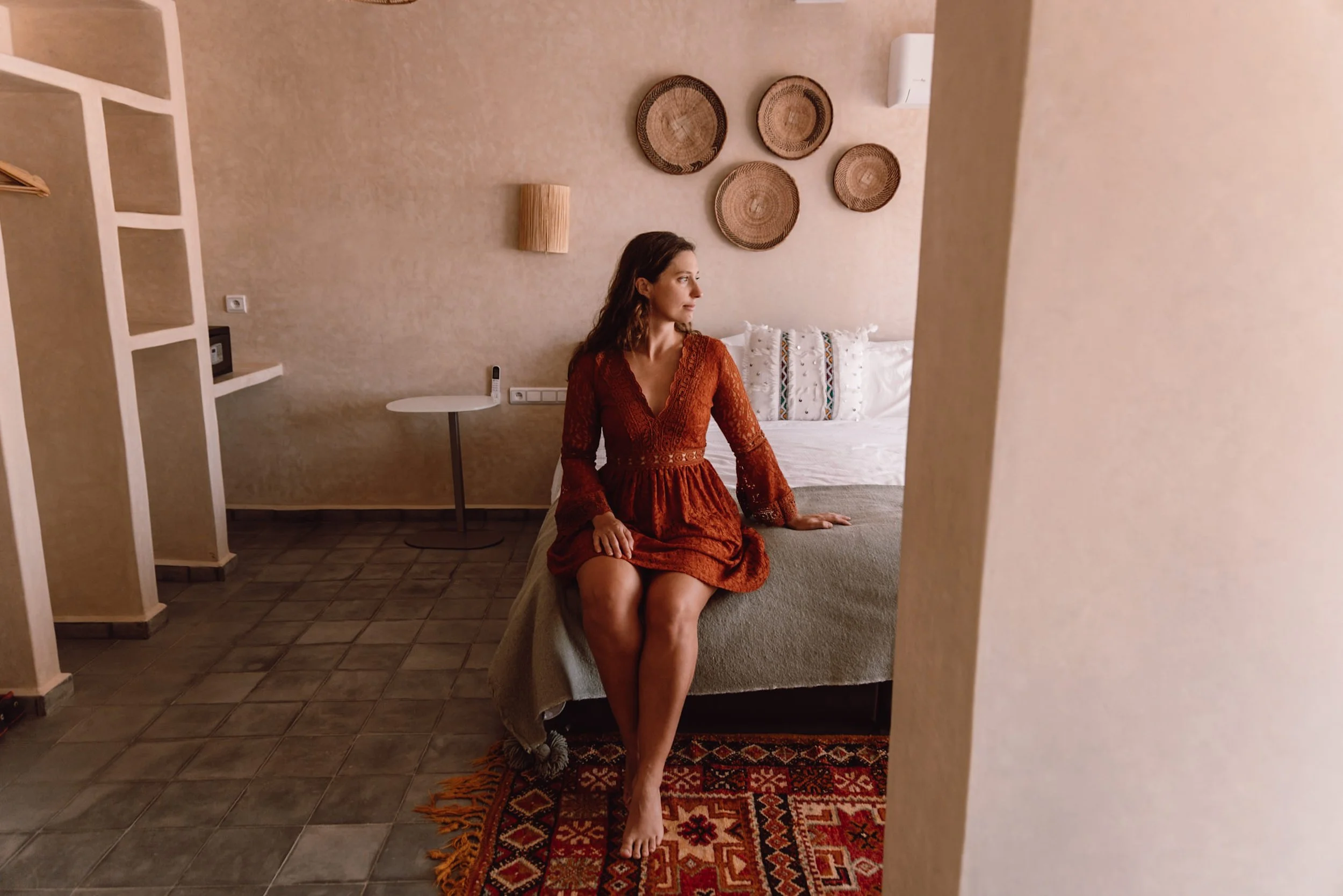
Least Crowded Time to Visit Morocco
For travellers seeking a calmer, more relaxed experience, the best times to visit Morocco are January and February, June (before school holidays), and late September.
During these months, cities like Marrakech, Fes, and Essaouira are less busy, making it easier to explore medinas, markets, and cultural sites without the crowds. Coastal surf towns are quieter, perfect for those wanting to enjoy beaches or take surf lessons in peace.
Desert camps in the Sahara also have more availability, giving you a more intimate experience under the stars. These periods are ideal for slow travel and photography, letting you enjoy Morocco at a gentler pace.
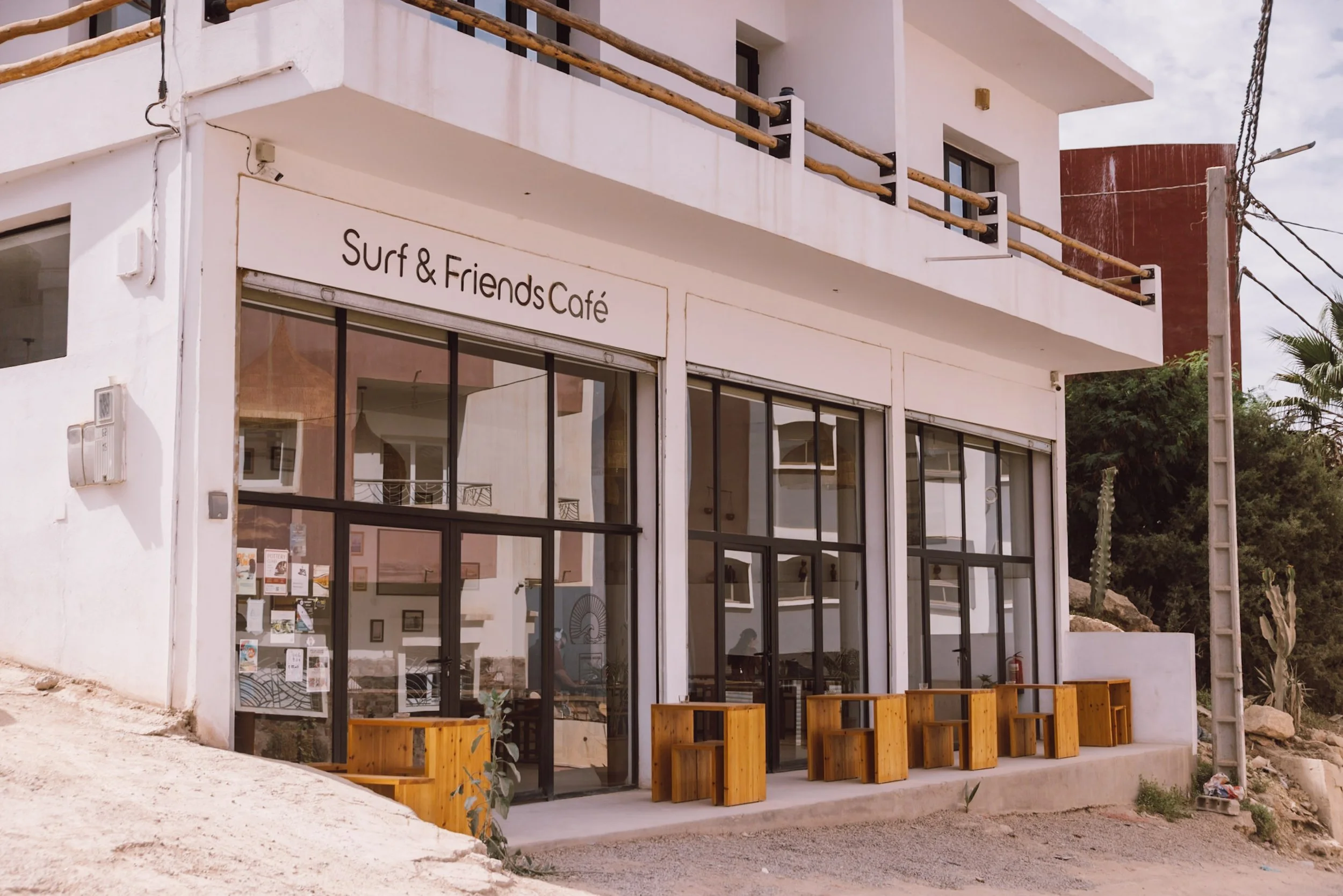
Worst Time to Visit Morocco
While Morocco can be visited year-round, certain months may be less comfortable for some travellers.
July and August bring extreme heat inland, particularly in Marrakech, Fes, and the Sahara Desert, with daytime temperatures often exceeding 40°C, making sightseeing and outdoor activities challenging.
December to February in northern cities such as Fes, Tangier, and Rabat carries a higher chance of rain, cooler temperatures, and occasional wind, which can affect outdoor plans.
Despite this, coastal regions like Taghazout, Essaouira, and Agadir remain pleasant even in winter, offering milder weather, sunny days, and ideal conditions for surfing or seaside walks.
These insights can help you plan your trip around comfort, avoiding extreme conditions while still enjoying Morocco’s diverse landscapes.
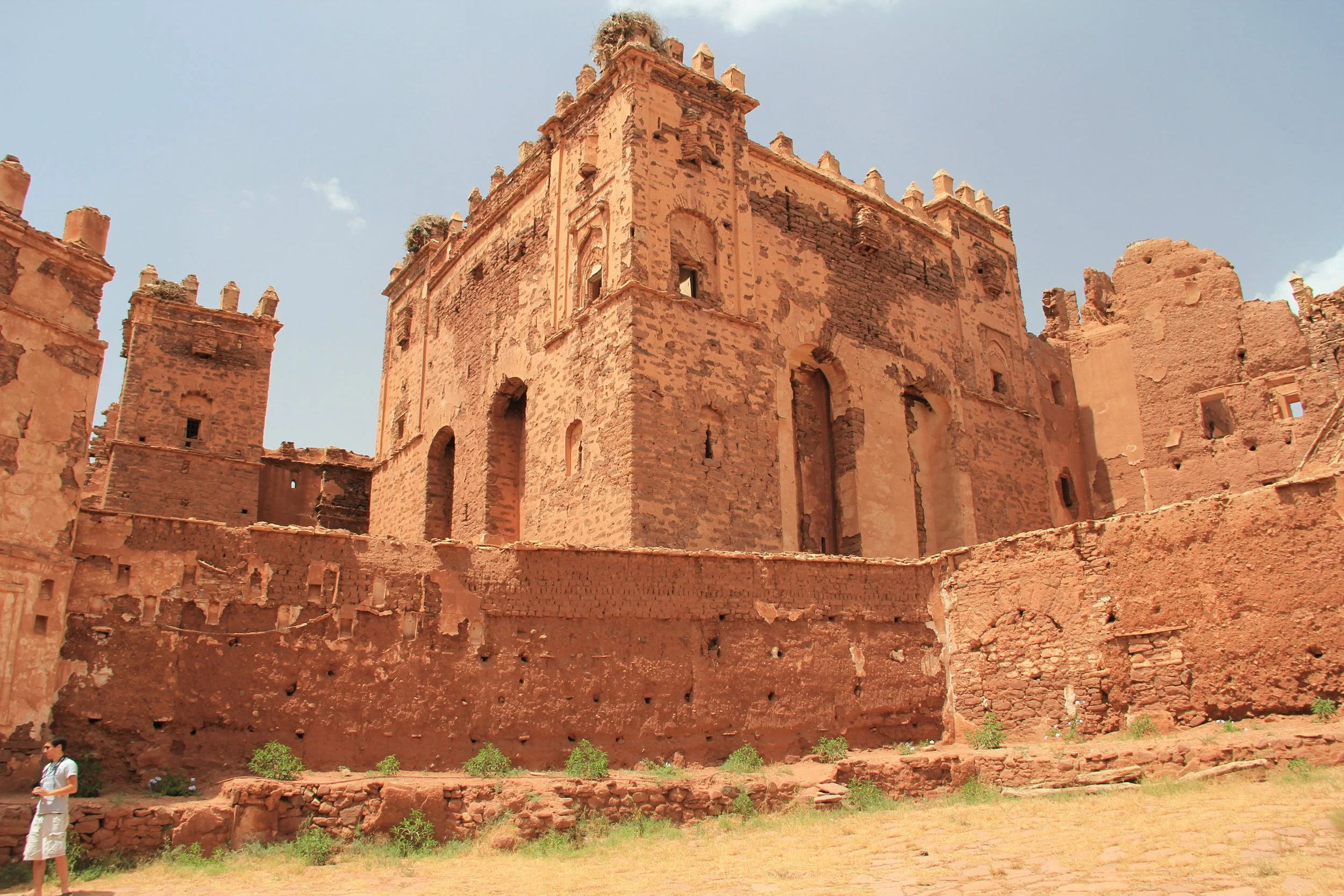
Best Time to Visit Morocco for Specific Interests
Beaches | May to October is ideal for warm sea temperatures, long sunny days, and beach relaxation along the Atlantic coast or in southern resorts.
Culture and Sightseeing | March to May and September to November offer comfortable temperatures for wandering medinas, exploring historic sites, and enjoying rooftop terraces.
Desert Tours | October, November, February, and March are perfect for Sahara adventures, with warm daytime temperatures, clear skies, and cooler but manageable nights.
Photography | Winter months provide crisp light, clear skies, and minimal haze, making it ideal for capturing landscapes, medinas, and desert panoramas.
Surfing | October to April delivers consistent Atlantic swells, with winter months offering peak surf conditions for beginners and advanced surfers around Taghazout, Imsouane, and Essaouira.
Food Lovers | Autumn is the best time to experience Morocco’s seasonal produce, including fresh fruits, vegetables, and traditional harvest dishes, perfect for culinary tours and cooking experiences.
Best Time to Visit Popular Moroccan Destinations
Different regions of Morocco have their own seasonal highlights, so timing your visit depends on what you want to do. From the bustling medinas of Marrakech and Fes to the surf-friendly coasts of Taghazout and the vast Sahara Desert

Marrakech
Best | April, May, October
Good | February, March, November
Stay | Demeures d'Orient Riad & Spa
Warm, pleasant weather makes these months perfect for exploring the medina, gardens, and rooftop cafés without the extreme summer heat.
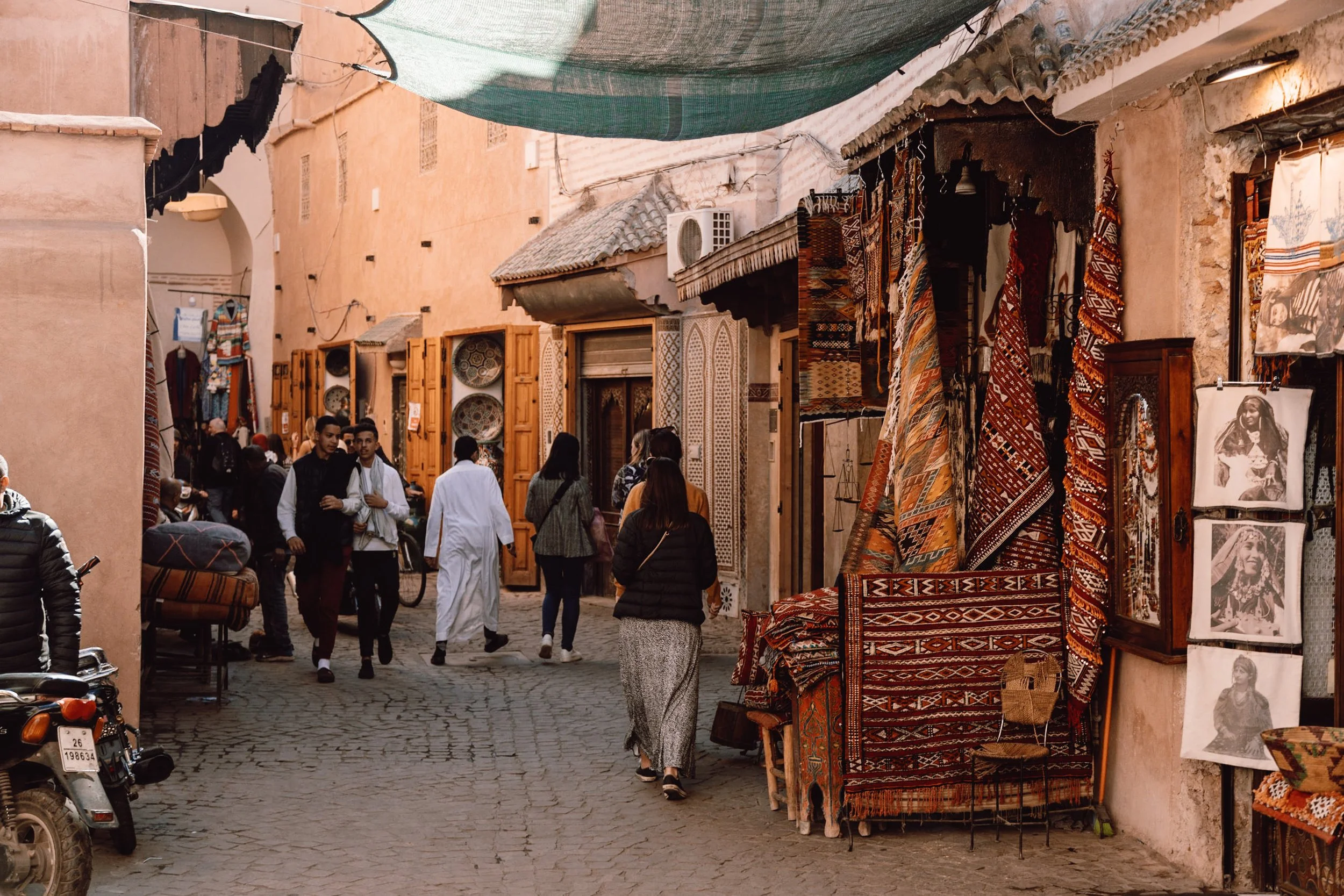
Fes and the North
Best | April, May, September, October
Avoid | December to February (rainy season)
Spring and early autumn are ideal for wandering the historic medina, visiting palaces, and enjoying local cuisine.
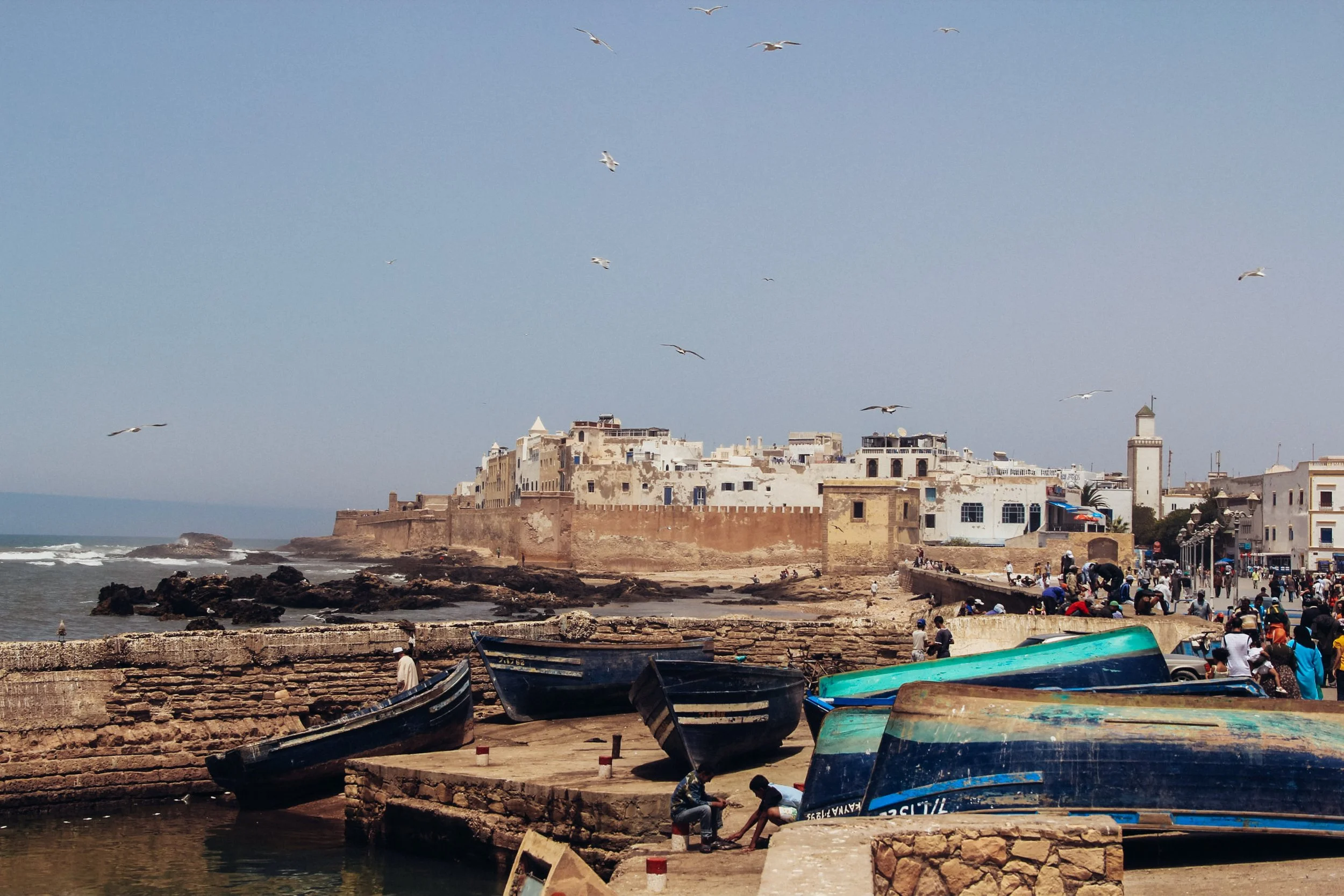
Essaouira
Best | May to October
Good | Year round
Bright, breezy days and mild temperatures make Essaouira perfect for exploring the medina, sampling seafood, and enjoying beach walks.
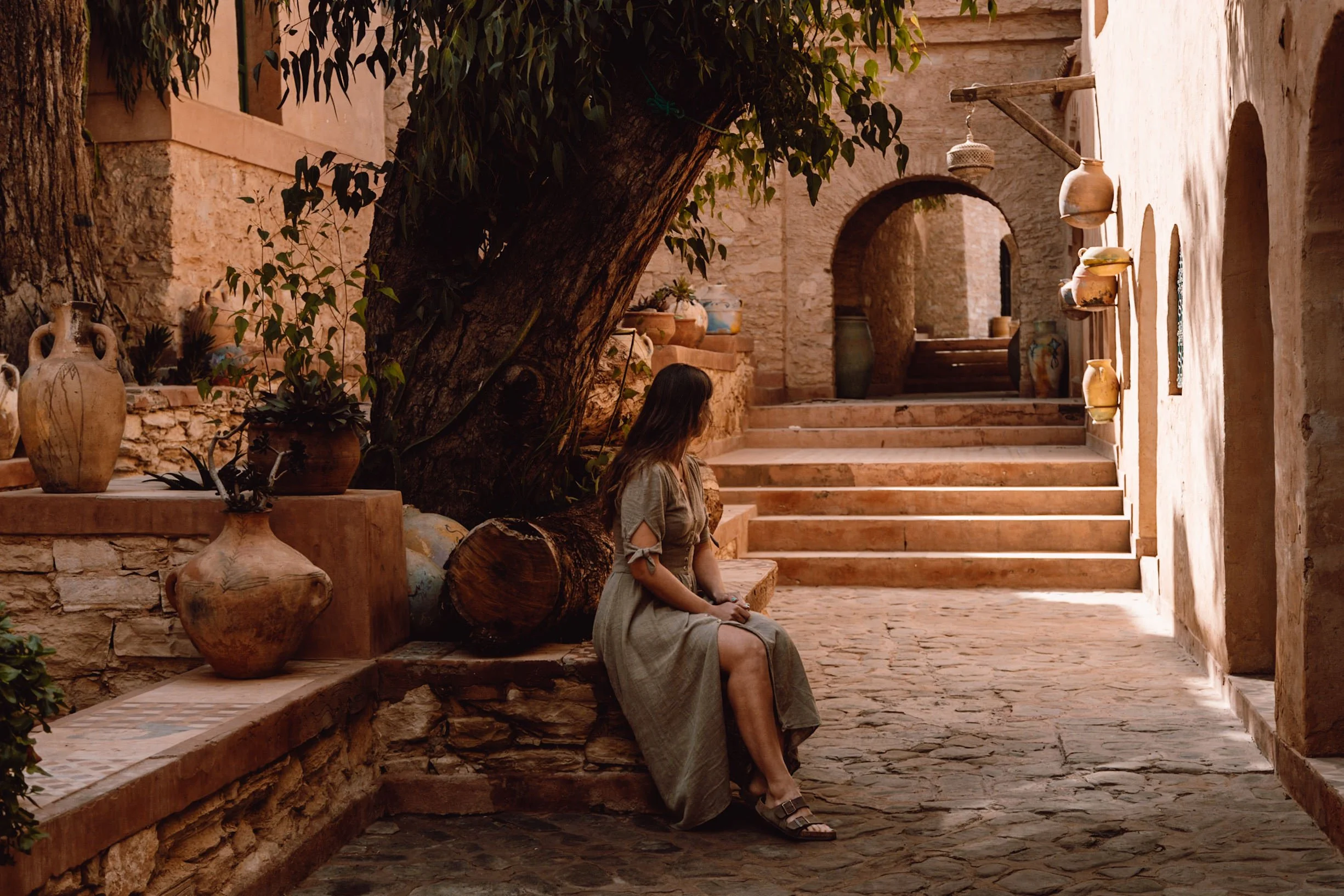
Agadir
Best | March to November
Stay |Le Riad Villa Blanche
Mild winter temperatures allow for comfortable sunbathing, long beach walks, and watersports.
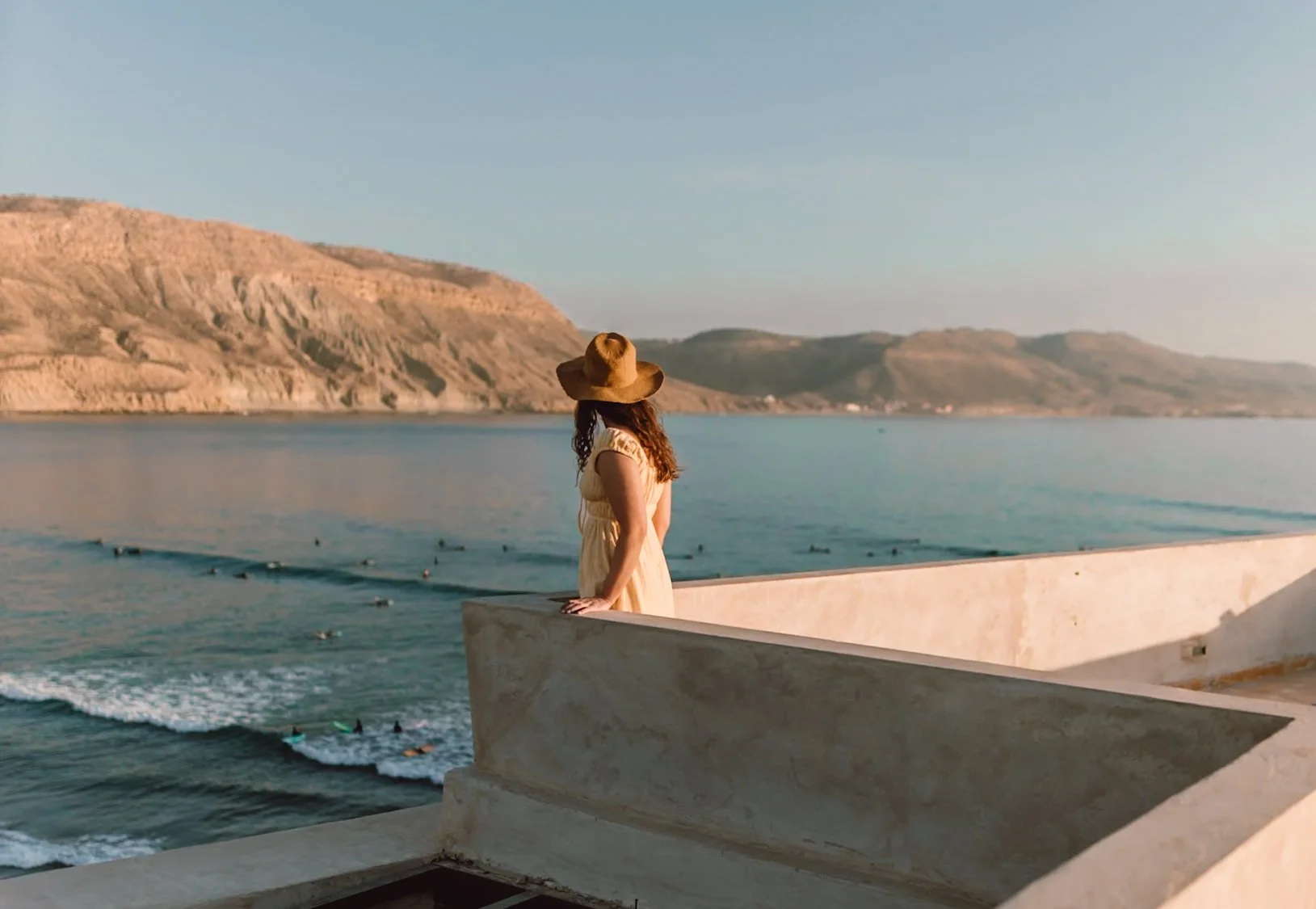
Taghazout, Tamraght, and Imsouane
Best for surfing | October to April
Best for beach days | May to September
Stay | Munga Guesthouse
Consistent Atlantic swells and sunny skies make these surf towns ideal for winter surf trips and relaxed coastal stays.
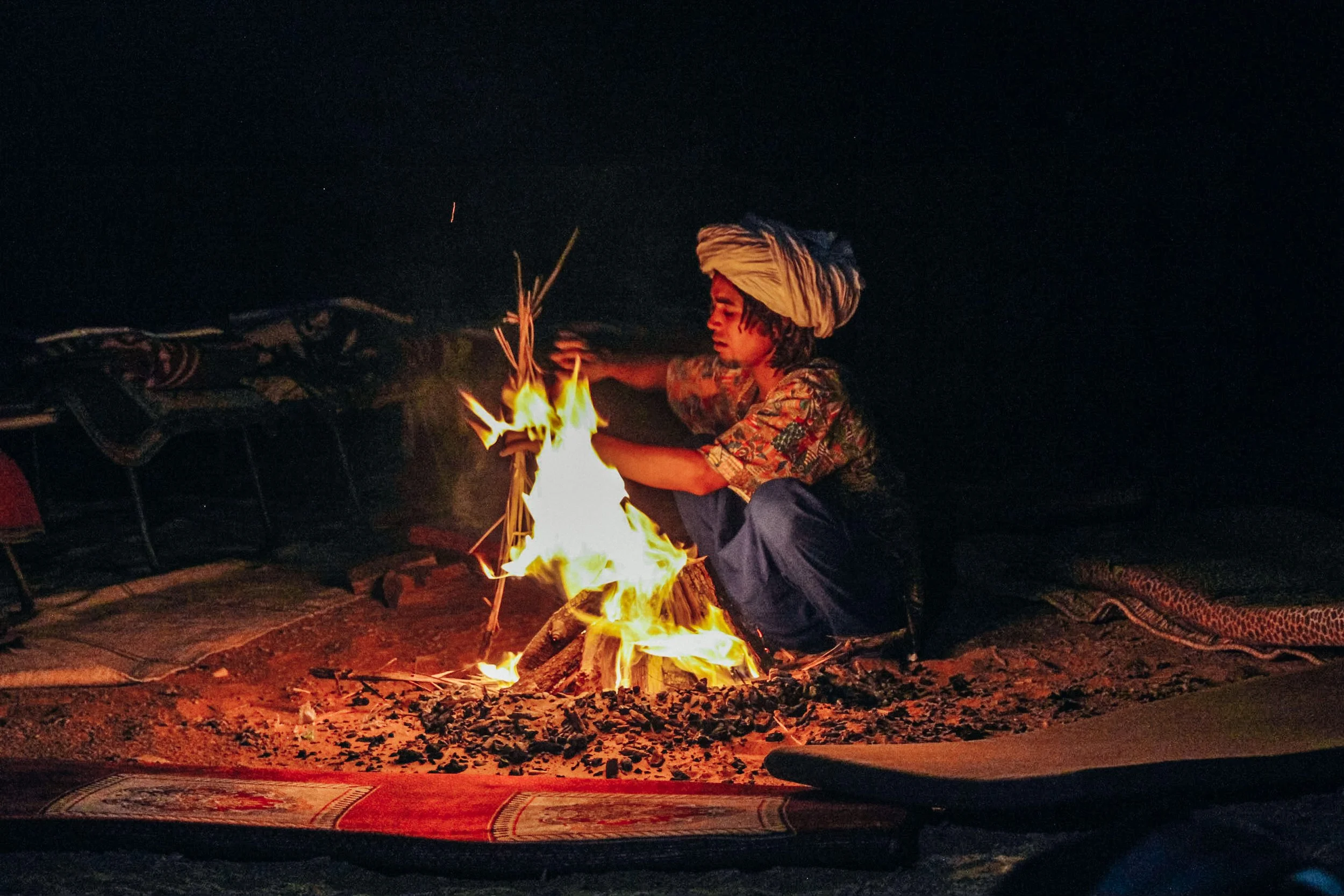
Sahara
Best | February, March, October, November
Stay | 3 day Sahara Tour
Daytime temperatures are warm, skies are clear, and nights are cool, perfect for desert tours, camel treks, and stargazing.
Atlas Mountains
Best | April to June, September to early November
Stay | Atlas Mountain Hiking
Spring and autumn bring mild temperatures, ideal for hiking, trekking, and enjoying snow-free mountain landscapes at lower altitudes.
Looking for a perfect place to stay? Then use our interactive map below.
Frequently Asked Questions
What is the best month to visit Morocco?
April, May, October and November are some of the best months.
Is Morocco warm in winter?
Yes. Marrakech and the Atlantic coast reach 18 to 22°C during the day.
Is February a good time to visit Morocco?
Absolutely. It is warm, sunny and quieter than spring.
Is summer too hot in Morocco?
Inland regions are very hot, reaching 40°C, but coastal towns remain comfortable.
What is the cheapest month to visit?
January and February.
When is Morocco least crowded?
January, February and June.
Watch our Morocco travel Videos
Plan your trip with our guides
The Best Places To Stay In Imsouane
Best places to stay in Taghazout
Munga Guesthouse | A luxury boutique hotel in Taghazout
World of Waves | Boutique Hotel and Surf School in Taghazout
The O Experience | Surf Boutique Hotel in Imsouane
Amouage Surf Maroc Hotel | Surf and Yoga Retreat in Taghazout
The Magic of Imsouane | Guide to the Best Surf Spot in Morocco
Luxury Riad and Spa in Marrakesh | Demeures d'Orient
The Ultimate Guide to the Best Things to Do in Agadir, Morocco