This post may contain affiliate links, which means if you purchase through these links, we may receive a small commission at no cost to you. Thank you for supporting our website.
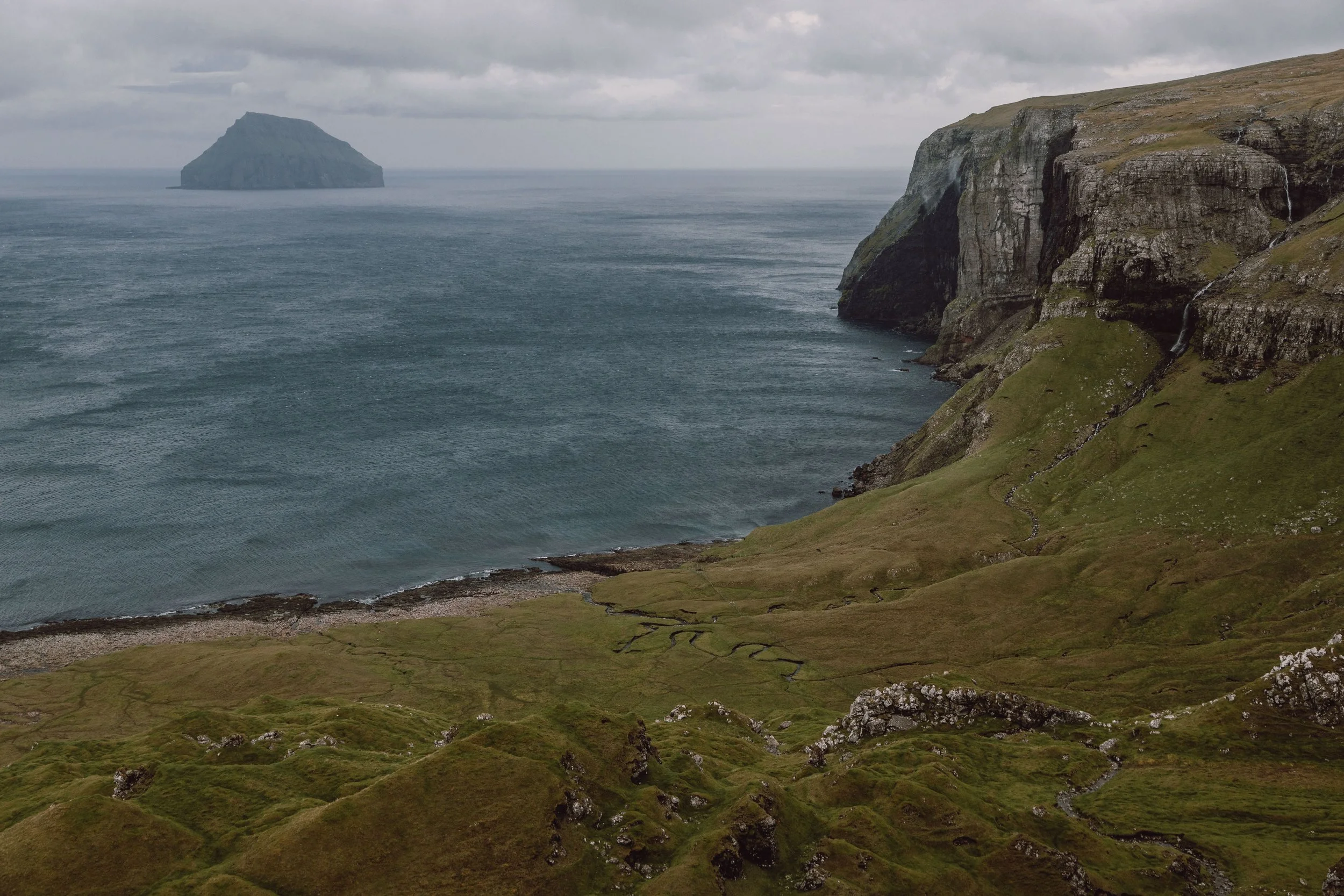
The wild, untamed island of Suðuroy lies at the southernmost point of the Faroe Islands archipelago. Remote and often overlooked, Suðuroy rewards those willing to travel a little further with dramatic landscapes, unique experiences and some of the most impressive hiking trails in the Faroe Islands.
Whether you’re planning a short trip or want to explore Suðuroy in one day, this guide will help you navigate the island. Uncover the untouched wilderness of Suðuroy while driving epic winding roads and witness the relentless wind that creates the phenomenon of reverse waterfalls at Ásmundarstakkur or Skúvanes. Adventurous hikers can take on the trails to Ásmundarstakkur, Rituskor or Hvannhagi, each offering breathtaking views and unforgettable experiences.
The eastern side of Suðuroy is dotted with villages and accessible roads, while the western side is dominated by huge cliffs and mountains. From sandy beaches to scenic drives, Suduroy Island offers a variety of things to do. Travelling from Sandoy to Suðuroy is straightforward by ferry, and this guide will show you how to get there, step by step.
Suðuroy has some of the most scenic roads in the Faroes, guiding explorers through tunnels and across mountain passes where you will be spoiled with breathtaking views around every corner. This guide will share the best places to visit on Suðuroy, including hikes, scenic drives and charming villages, while showcasing the warm Faroese hospitality that makes these islands truly special.
How to Use This Guide
Jump to any section using the Contents table below. Click a heading in the guide to pop back to the contents and explore other sections.
Contents
The Faroe Islands are an archipelago of 18 islands located in the North Atlantic Ocean, roughly halfway between Iceland and Norway, and about 200 miles north of Scotland. The islands are connected by a network of ferries and subsea tunnels, making travel easy between them. Visitors can reach the Faroe Islands by plane in about 1.5 hours from Edinburgh, Scotland, or via connecting flights from Copenhagen.
Suðuroy Island lies at the southern tip of the Faroese archipelago, making it the most remote of the main islands. The eastern side of Suðuroy is home to charming villages and more accessible roads, while the western side features towering cliffs, dramatic sea stacks, and rugged wilderness. The island stretches approximately 32 km long and 8 km wide, offering plenty of space for exploration without feeling crowded.
Suðuroy has a small population of around 4,600 residents, giving it a calm, untouched feel compared to the larger islands. With its combination of scenic villages, wild landscapes, and many outdoor activities, Suðuroy Island is a must-visit for anyone looking to experience one of the most remote islands in the Faroe Islands.
From the UK, there are direct flights to Vágar Airport on Sørvágur Island, operated by Atlantic Airways. Edinburgh offers direct flights twice a week on Tuesdays and Saturdays from March to December, with a flight time of approximately 1.5 to 2 hours. From London Gatwick (LGW), seasonal direct flights operate on Tuesdays and Saturdays during the summer months, from June to August.
In addition to UK departures, there are several connecting flight options via major European cities, including Copenhagen, Paris, Barcelona, Oslo, Palma de Mallorca, Gran Canaria, and Reykjavík. If you’re travelling from the US, the most convenient connections are via Reykjavík, or by flying to London, Edinburgh, Paris, or Copenhagen and then taking a direct connecting flight with Atlantic Airways to Vágar Airport in the Faroe Islands.
If you’re travelling from London, many services run to Edinburgh, including the famous British Pullman with a chance to travel in the ‘Cygnus’ carriage designed by Wes Anderson.
There are no direct flights to Suduroy, so once you arrive on Sørvágur Island, you’ll need to drive or join an organised tour to get to Suduroy.
By ferry
The main route to Suduroy is via the ferry from Tórshavn to Tvøroyri, taking just over 2 hours from the Farstøð terminal. The ferry is a scenic journey which passes the neighbouring islands of Sandoy, Stóra Dímun, and Lítla Dímun.
There are usually at least two daily ferry trips from Tórshavn to Suduroy, although service can be affected by stormy weather. For the current ferry schedule, prices, and travel updates, it’s best to check the ferry timetable online, as it can change daily and may be adjusted for public holidays.
When we travelled, tickets were purchased on the return journey, and no reservation was required. Nowadays, it seems that tickets can also be booked online in advance.
By subsea Tunnel
A future way to reach Suduroy will be by car through an undersea tunnel, reflecting the Faroe Islands’ extensive network of tunnels rather than bridges. Currently, Suduroy is only accessible by ferry, giving the journey a sense of adventure to one of the most remote destinations in the islands.
The proposed subsea tunnel will connect Sandoy to Suduroy, allowing you to drive directly from the airport to the island. The project is expected to be completed by 2030 and will be one of the longest subsea road tunnels in the world.
Plan your next adventure
If you book through our links, you help support our website at no extra cost to you - thank you!
By Car
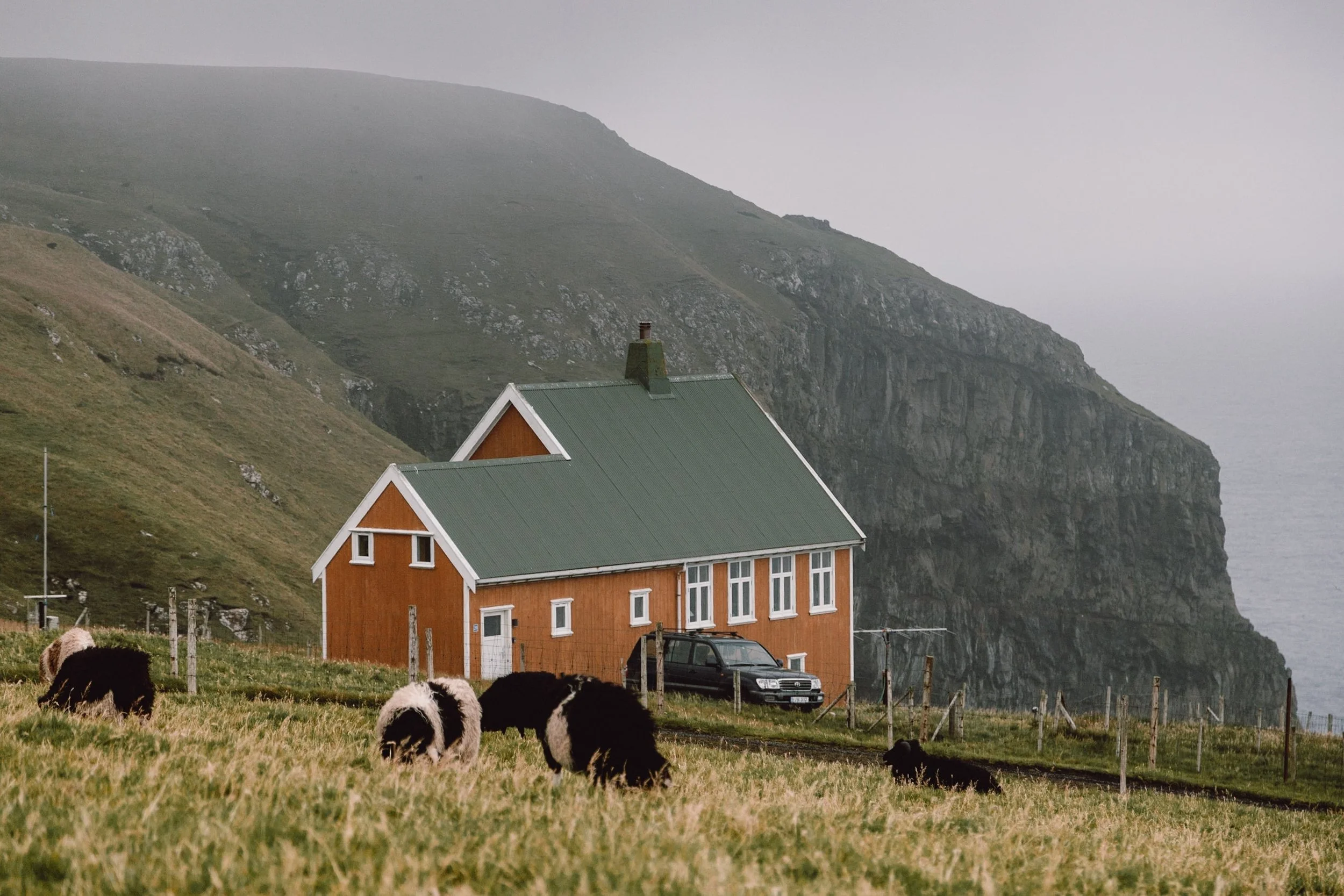
Exploring Suðuroy is easiest by car, as public transport is limited. Roads are generally good, though some scenic drives and mountain passes may be narrow or unpaved. Renting a car in the Faroe Islands is the best way to explore the islands, giving you the most flexibility.
If you are looking to rent a car, there are plenty of companies to choose from, including 62°N was the company. It’s not essential to have a four-wheel drive vehicle when driving around the Faroe Islands; the roads are well-maintained, and even small villages will have tarmac roads, but Suduroy does have a few unpaved roads for hiking starting points.
What’s it like driving around Suduroy?
Driving around Suðuroy is surprisingly easy and a fantastic way to explore the island at your own pace. The main roads between villages are well-paved, with a few minor gravel or mountain roads leading to viewpoints or more remote spots.
There are several tunnels, some single-lane, but all are free to use. You do not need a 4x4 to explore Suduroy. Keep an eye out for sheep on the road, as they can appear out of nowhere. Most parking is free, but in some areas you will need a parking disc showing your arrival time.
For more tips on driving in Suðuroy and the rest of the Faroes, including road rules, tunnels, parking and safety advice, head to the Visit Faroe Islands website for complete guidance and planning information.
By Bus
It’s possible to get around Suðuroy by bus, with services connecting the island’s main villages, Vágur and Tvøroyri. Additional routes serve villages such as Sumba, Fámjin and Sandvík, meaning most of the island can be reached by public transport.
If you plan to travel by bus during your visit, check the current timetables for the two services in advance, as schedules can be limited.
Hiking
Suðuroy offers a variety of hiking trails, including ancient mountain paths that once connected villages before roads existed. Many trails start from villages or roadside parking areas, and range from easy walks to moderately challenging hikes, such as the scenic Hvannhagi trail.
Cycling
Exploring Suðuroy by bike is another great way to see the island without a car. The roads are in excellent condition, traffic is minimal, and the scenery is stunning, making it a true cyclist’s paradise.
Bikes can be hired from ARA Tours, which can deliver them directly to your accommodation, the ferry, or you can pick them up at their shop in Tvøroyri.
Guided Tour
Discover Suðuroy with a half-day tour or a full-day guided tour. Full-day tours take you across the island by ferry and car, with stops at charming villages and scenic viewpoints. Half-day tours focus on the highlights.
The Faroe Islands are home to some of the wildest landscapes in the world, from dramatic sea cliffs and towering mountains to thundering waterfalls. Suðuroy is a dream for adventurous travellers who crave raw nature and the feeling of reaching the very edge of civilisation.
One of the most remote islands in the archipelago, Suðuroy offers spectacular hikes and unforgettable photo opportunities at every turn.
Discover everything we wish we’d known before visiting the Faroe Islands in our guide, 31 Things to Know Before Visiting the Faroe Islands.
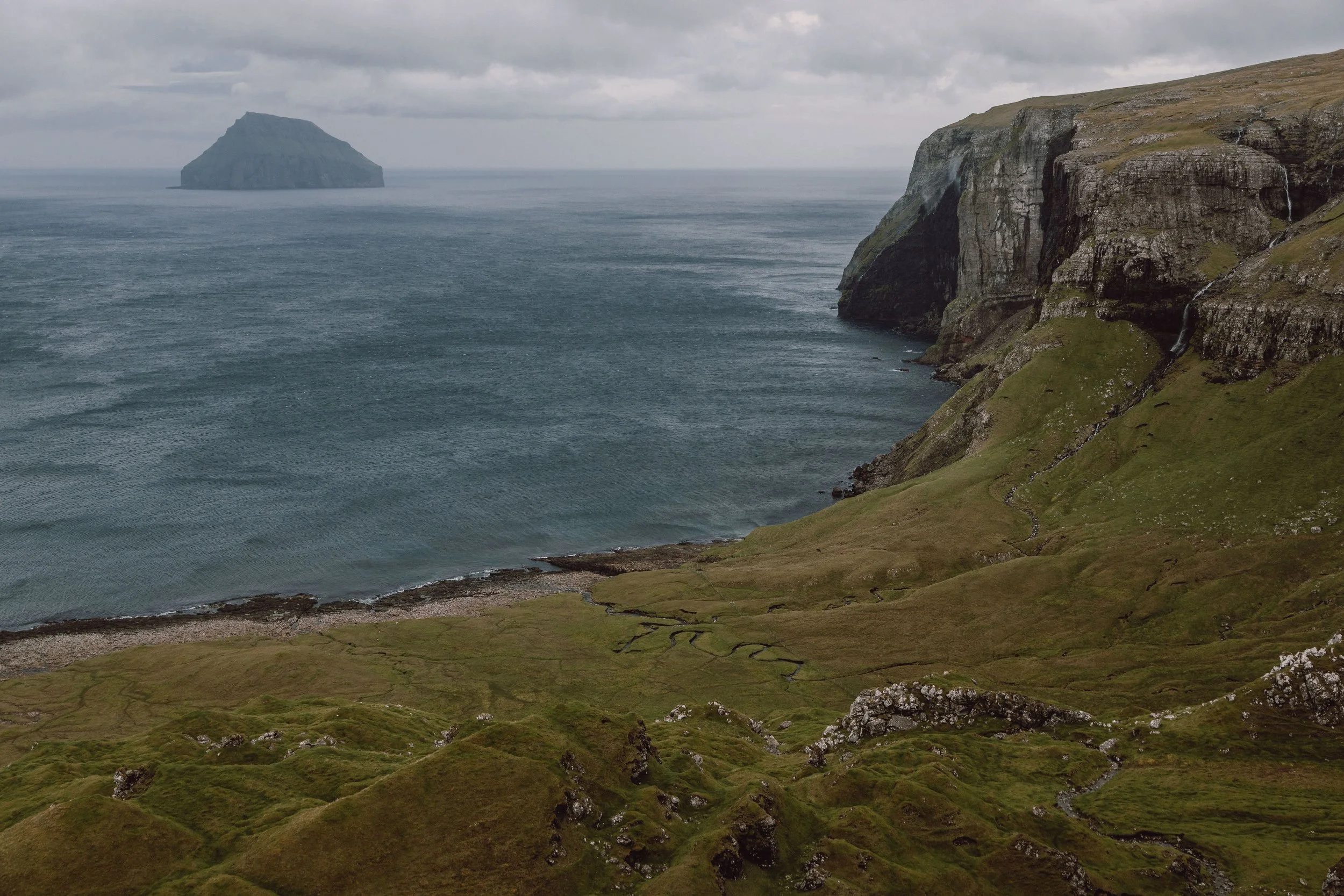
We spent 7 days exploring the Faroe Islands, including trips to Sandoy and Suðuroy, and both ended up being some of our favourite experiences and absolutely worth the effort. If you’re planning a 5–7 day trip, we’d highly recommend adding Suðuroy to your itinerary.
To really experience Suðuroy, plan for at least one night on the island. The ferry takes about 4–5 hours round-trip, which means a day visit from Tórshavn only gives you limited time to see highlights. While a day trip is doable, staying overnight lets you explore at a relaxed pace and truly soak in the island’s wild beauty.
The most popular time to visit Suðuroy and the Faroe Islands is May to September, when the weather is usually drier, sunnier, and the days are longer, making it ideal for being outside enjoying hiking, wildlife spotting and exploring the island.
The warmest months in the Faroe Islands are in summer (June to August), with average maximum temperatures around 13°C. Spring (March to May) is wetter but excellent for wildflowers and migrating seabirds.
Cooler temperatures arrive and more rain arrive in autumn (September to November). Winter (December to February) is the coldest season, with average temperatures around 3°C, with snow likely from December to March, strong winds and the best chance to see the northern lights.
How to check the weather on suduroy?
It’s really important to stay flexible with your plans when it comes to the weather on Suduroy Island. If you’re planning a hike and visibility is poor with no sign of improvement, make sure you have a plan B. The best way to check conditions is with this interactive live weather map of the Faroe Islands, which also features live webcams to help you plan your adventures.
The Faroes have a Maritime Subarctic climate, heavily influenced by the Atlantic Ocean, making the weather unpredictable. As locals say, if it’s cloudy or foggy, just wait five minutes, because it could change entirely.
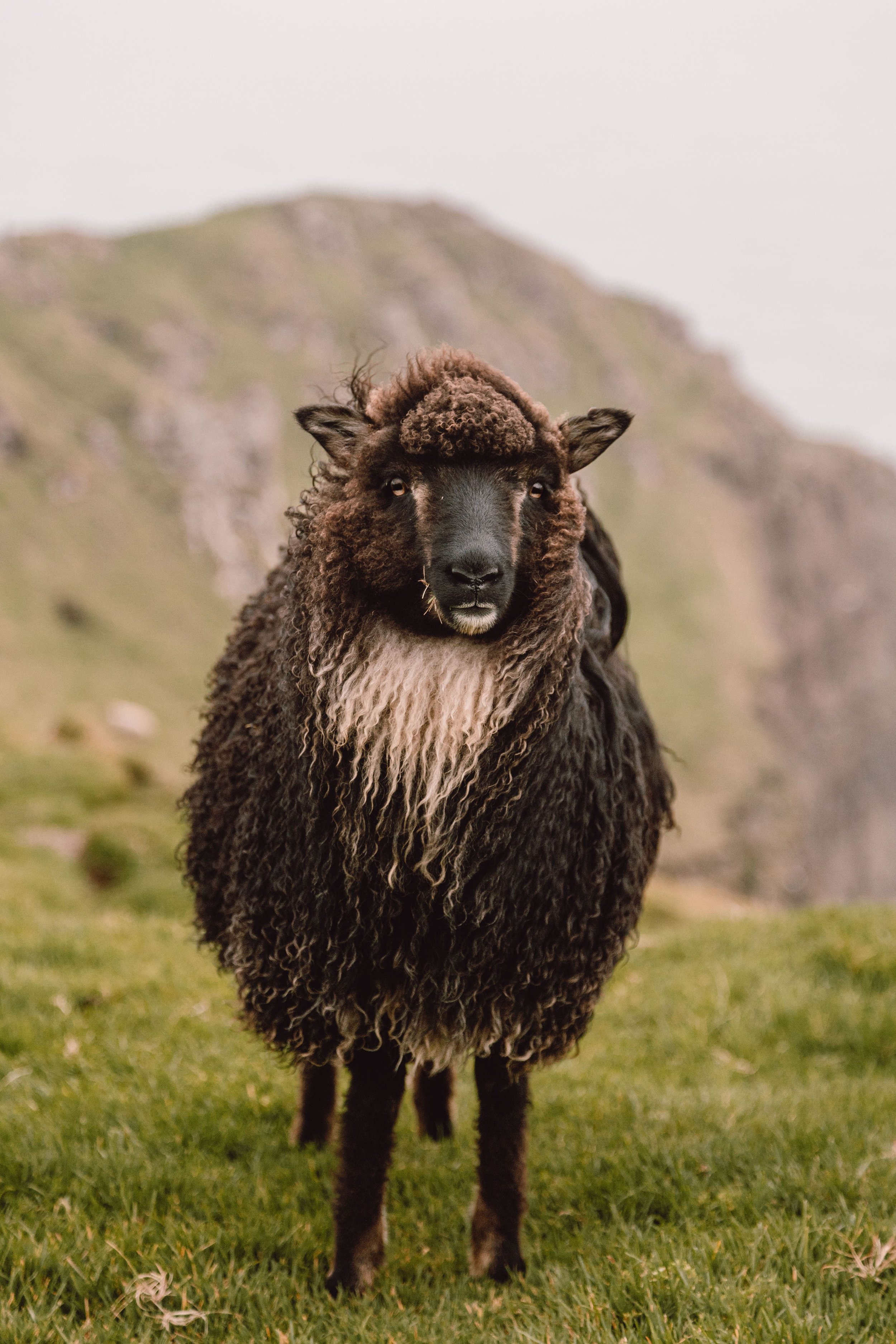
Accommodation on Suðuroy is limited, charming and very local. You won’t find large resorts or international hotel chains here. Expect cosy guesthouses, traditional Faroese cabins, modern homes, and a few unique stays such as boathouses or lighthouse cottages.
Whether you’re after a peaceful village retreat, a scenic fjord view, or a touch of luxury with a hot tub, Suðuroy has plenty of options for a more intimate, authentic experience. We’ve put together our top picks for each area of the island.
Northern Suduroy
Hvalba & Sandvik | Quiet and scenic, perfect for hikers exploring coastal trails like Ásmundarstakkur, black sand beaches in Sandvík, and experiencing authentic village life.
Heima í Stovu B&B - Feels like staying at your grandma’s house, with cosy rooms and traditional Faroese interiors. Perfect for a peaceful, local experience.
Traditional Cabin - Rustic cabin surrounded by nature, ideal for hikers and within walking distance of a small supermarket.
Modern house - Contemporary home with all modern comforts, great for families or groups exploring northern Suðuroy.
Central Suðuroy
Tvøroyri & Froðba | The heart of the island and its largest villages, with several restaurants, cafés, a small museum, shops, and a petrol station. A good base for exploring both the northern and southern parts of Suðuroy if you’re short on time.
Remote boathouse in Øravík – Unique coastal retreat with panoramic fjord views, ideal for a romantic or peaceful getaway.
Tvøroyri Cabin – Warm wooden interior, in a great central location near the harbour, walking distance to shops and restaurants.
Modern House – Stunning modern red house in heart of Tvøroyri, with beautiful views and fully equipped kitchen.
Luxury Guesthouse – Perfect stay for families with hot tub and sauna and in quieter nearby Froðba with modern facilities, set next to the river.
Vágur | A short drive from Tvøroyri, Vágur is ideal for hiking, fjord views, and village life. One of the few villages with a park and trees, it also has restaurants, shops, a gym, and an indoor swimming pool.
Luxury House - Spacious modern house with luxury amenities, including hot tub and sauna.
Scenic Cabin - Stay in a comfortable cabin just outside of Vàgur to have the best of both convenience and uniterupted views of the fjords.
BRIM B&B - A friendly local B&B with beautiful scandi style rooms, with a lovely breakfast room, located in the heart of Vágur.

Southern Suðuroy
Sumba | Remote and scenic, ideal for ocean views and Arkberg Lighthouse. The Sumbiar sóknar bygdarsavn museum features a collection of birds and historical artefacts.
Akraberg Lighthouse Lodge – A charming traditional Faroese house with stunning Atlantic Ocean views. Enjoy birdwatching from your doorstep, cosy interiors, and only a few steps away from Akraberg Lighthouse.
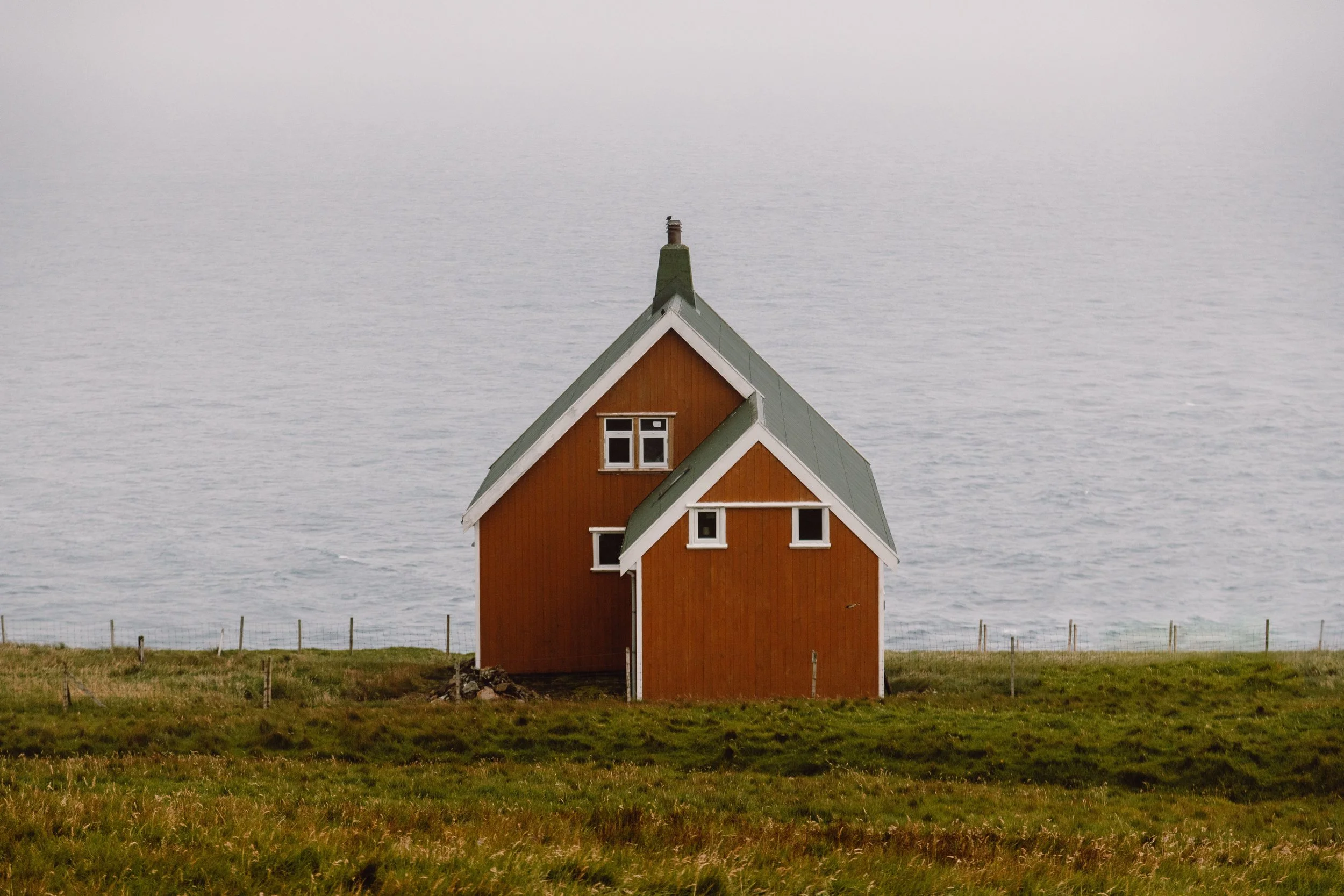
Scenic driving routes
Suðuroy is home to two official Buttercup Routes (marked with a yellow flower sign), a designation given to some of the most scenic driving routes in the Faroe Islands. These routes showcase the island’s dramatic cliffs, mountain passes, and peaceful lakes, and are well worth adding to your itinerary in good weather.
Um Hestin (Sumba to Lopra)
Drive the old mountain road known as Um Hestin, a single-lane pass connecting Sumba and Lopra. This route is not accessible in snowy conditions but offers spectacular views across the island, including Beinisvørð, the highest sea cliff on Suðuroy. It’s one of the most dramatic drives on the island.
Um Hovsegg (Hov and Øravík)
The second Buttercup route, Um Hovsegg, runs between Hov and Øravík and is known for its striking basalt column formations. Along the way, stop at Vatnsnes Lake, a serene and peaceful spot surrounded by untamed scenery.
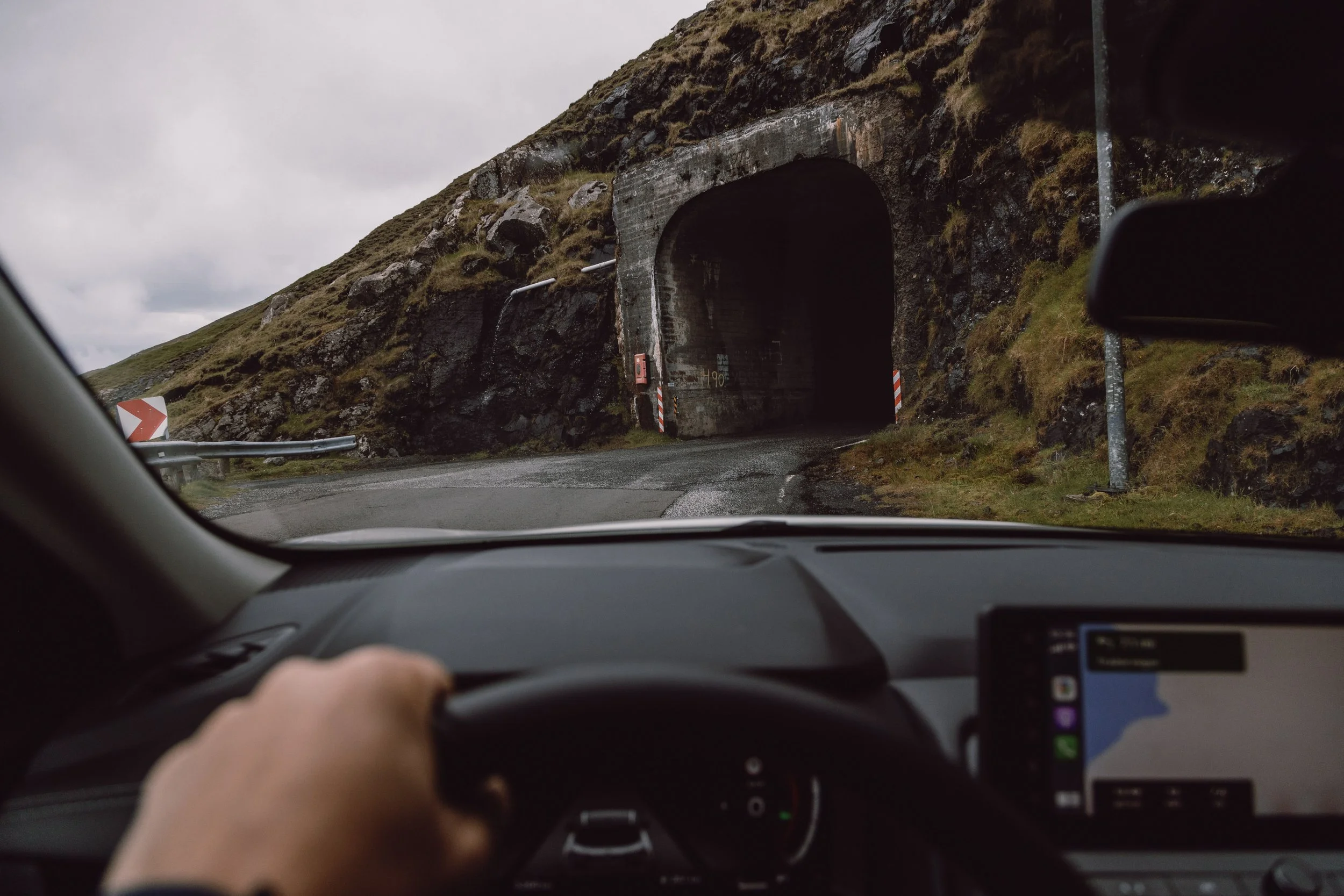
Hiking
Suðuroy offers some of the best hiking experiences in the Faroes, from short coastal walks to more challenging mountain routes. The island’s open landscapes and dramatic cliffs make hiking one of the best ways to experience its wild beauty.
Hvannhagi
One of the most famous hikes on Suðuroy, starting from Tvøroyri, passing through woodland to Hvannavatn Lake and the valley of Hvannhagi. The route takes ~3 hours, is of medium difficulty, and has steep, narrow sections unsuitable for children. Circular routes exist, but are best attempted with a guide; the one-way route is safer.
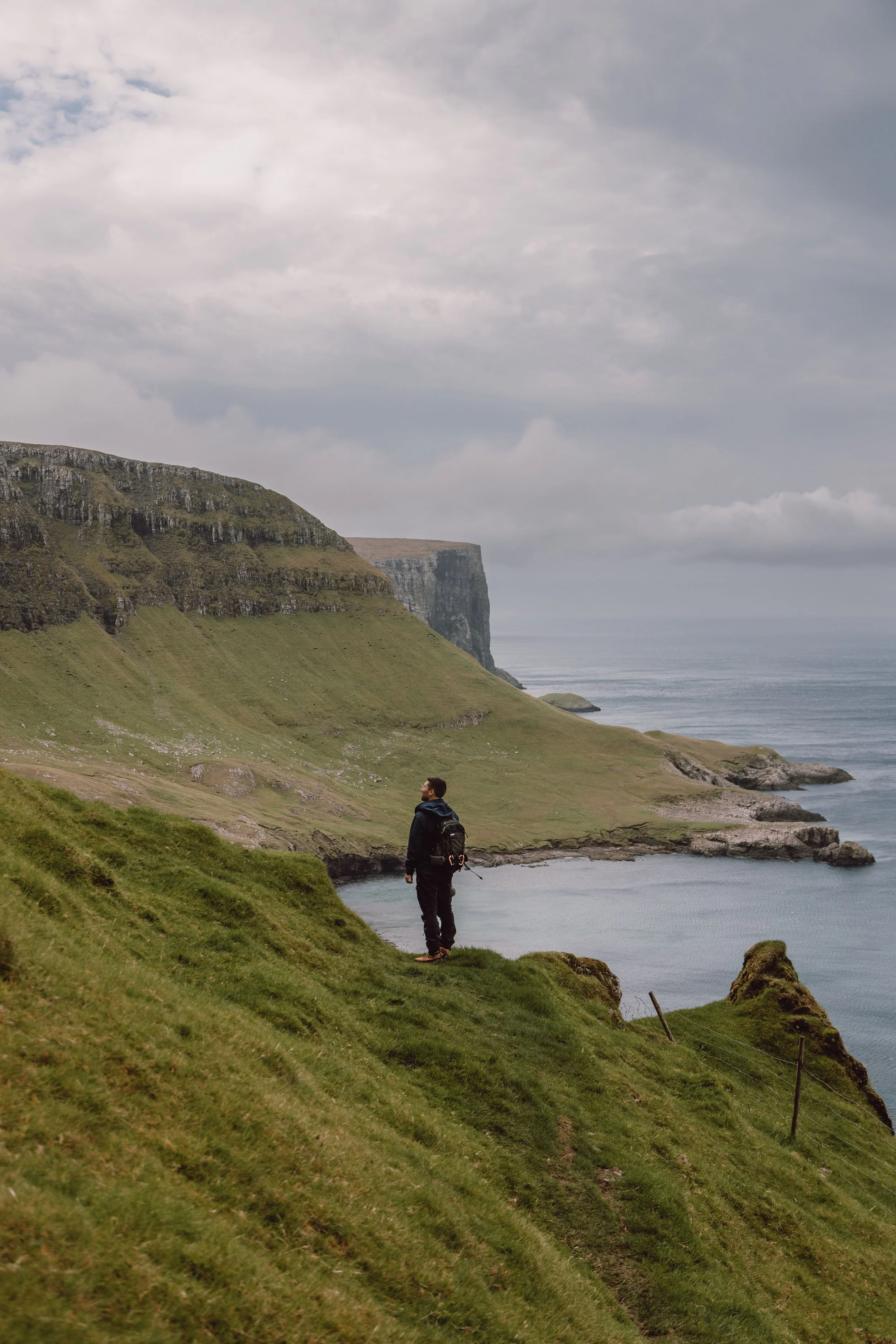
Lopranseiði
A short 20-minute walk from Lopra village to Lopranseiði offers stunning views over the west coast. Ideal if you’re short on time or looking for an easy scenic stroll.
Akrar
Starting in the village of Akrar, follow an easy 2km hike up into the Víkarbyrgi area, rewarding hikers with beautiful views over the bay of Vágsfjørður.
Fámjin
Hikes from Fámjin offer serene mountain and lake views. Popular routes include Fámjin to Vágur or Øravík, passing Ryskivatn and the Fámjinsdal valley. These routes are incredibly scenic but can be steep in parts, particularly the initial climbs.
Trongisvágur
The Trongisvágur to Fámjin trail is a medium difficulty hike with a varied 6 km route with panoramic views of Oyrnaskarð and Valdaskarð passes.
Hov to Øravík
This hiking route starts steeply from Hov, ascending Tindurin, then follows a relatively flat path to Øravík. It’s best suited for those comfortable with heights and experienced hikers.
Víkarbyrgi to Sumba
A scenic route showcasing Suðuroy’s unique white screes and peaceful landscapes. Highlights include the Blæing fields, known for their distinctive white rock formations.
North to South
For experienced hikers, a north-to-south traverse of Suðuroy covers 42 km and takes over 16 hours, offering the ultimate challenge for those seeking a full island adventure.
Ásmundarstakkur Sea Stack
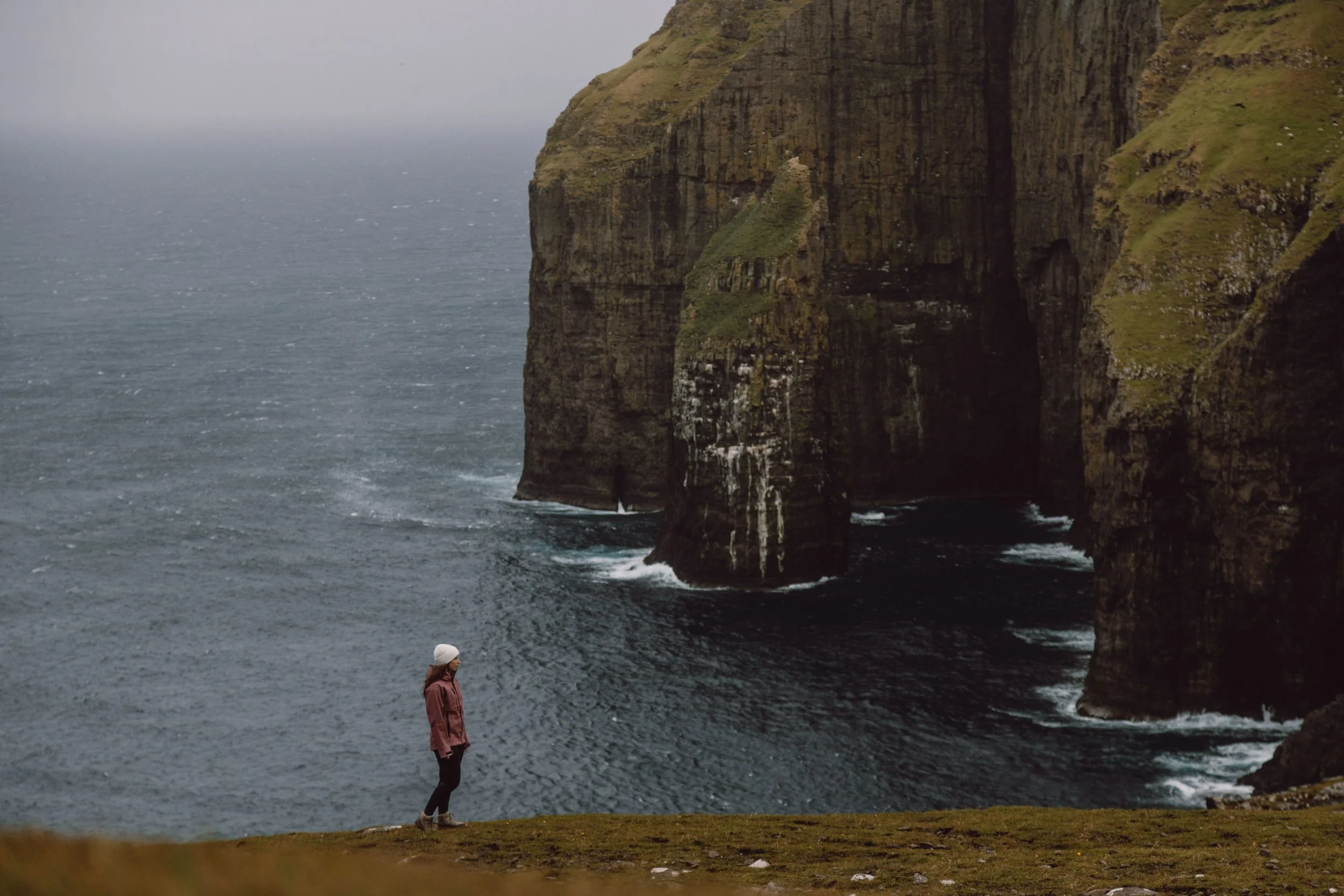
From west of Sandvík, a 30-minute hike leads to the Ásmundarstakkur Sea Stack, a dramatic west coast viewpoint ideal for sunset. Further south, an exposed bridge over Rituskor exists and is best accessed with a guide for safety. Rituskor is a cleft on Suðuroy Island in the Faroe Islands.
Kayaking
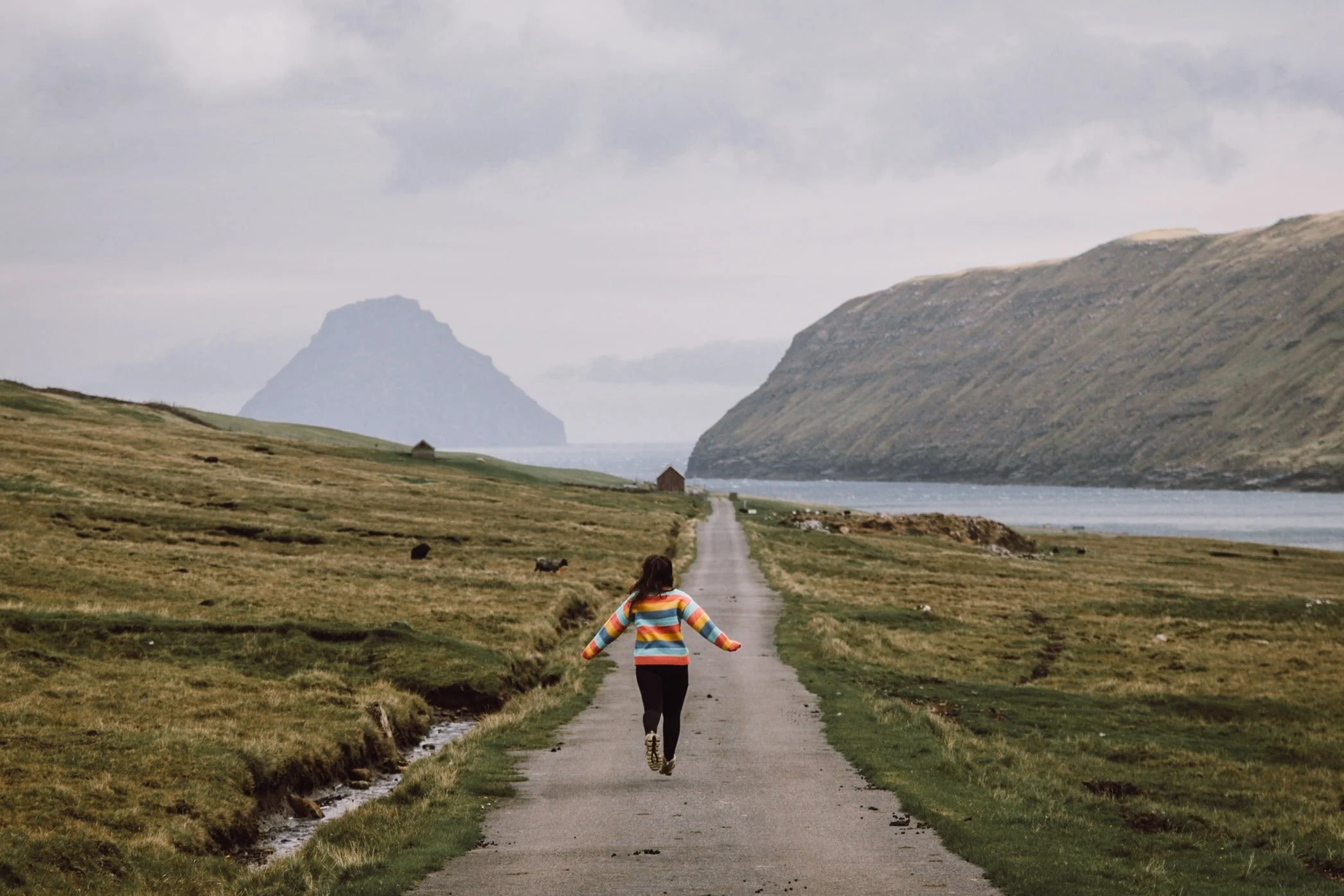
Experience the chance to see Suduroy from the water by kayak. The beautiful, rugged coastline with sea cliffs, hidden coves and dramatic rock formations can be explored on the water in a guided kayak tour. Check out these kayaking tours on Suduroy.
Cycling
Exploring Suðuroy by bike is another great way to see the island without a car. The roads are in excellent condition, with little traffic, and the scenery is stunning, making it a true cyclist’s paradise.
Bikes can be hired from ARA Tours, which can deliver them directly to your accommodation, the ferry, or you can pick them up at their shop in Tvøroyri.
Arkberg Lighthouse
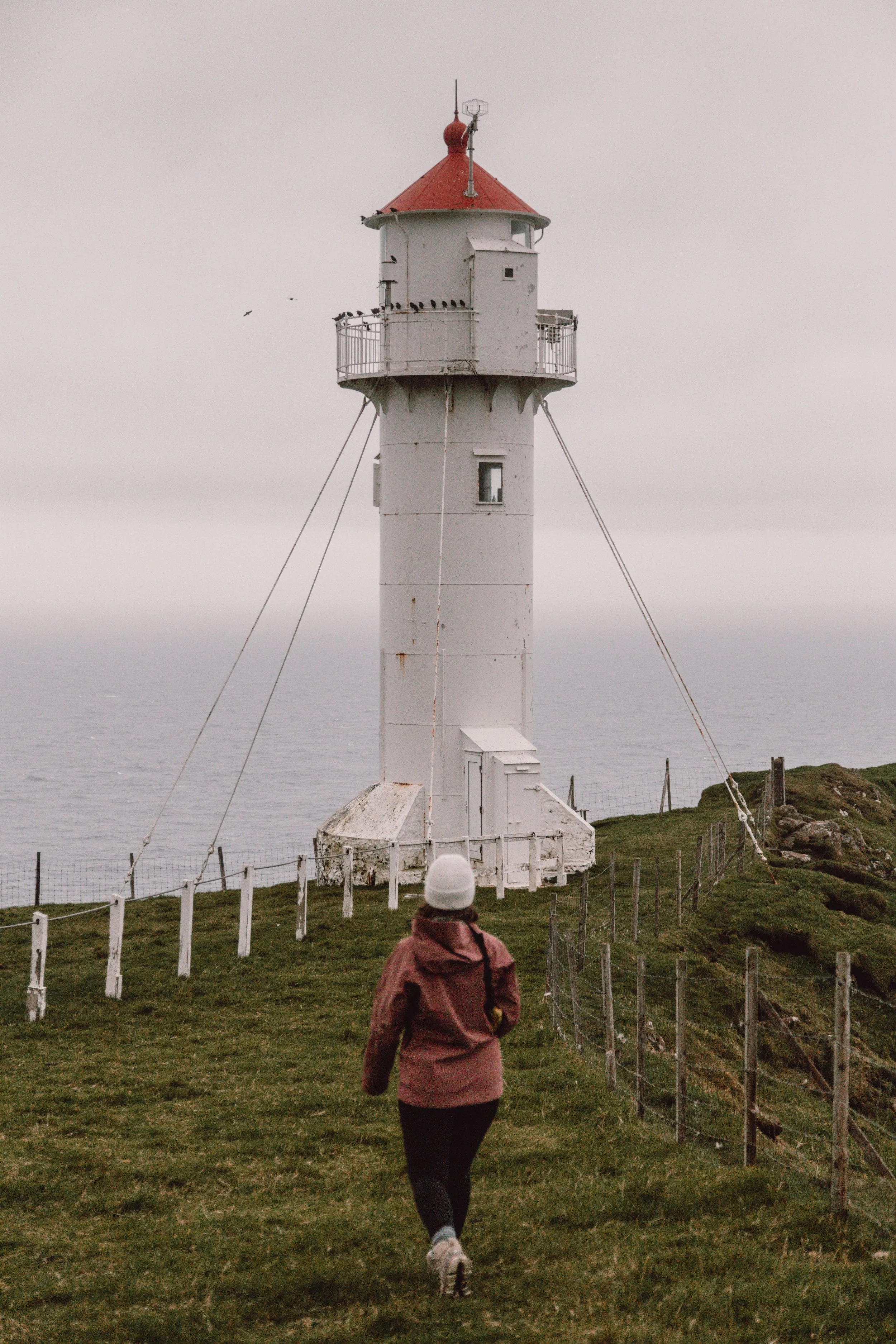
At the very southern tip of the Faroe Islands stands Akraberg Lighthouse, perched dramatically above towering sea cliffs. Built in 1909, it has endured over a century of Atlantic storms and is held in place by heavy metal cables to withstand the fierce winds.
The views here are vast and unforgettable, but take care. Sudden gusts of wind are common, and the grassy ground can be slippery and unstable, especially after rain. You can also stay in the iconic yellow house, a traditional Faroese cabin right next to the lighthouse.
Sumba
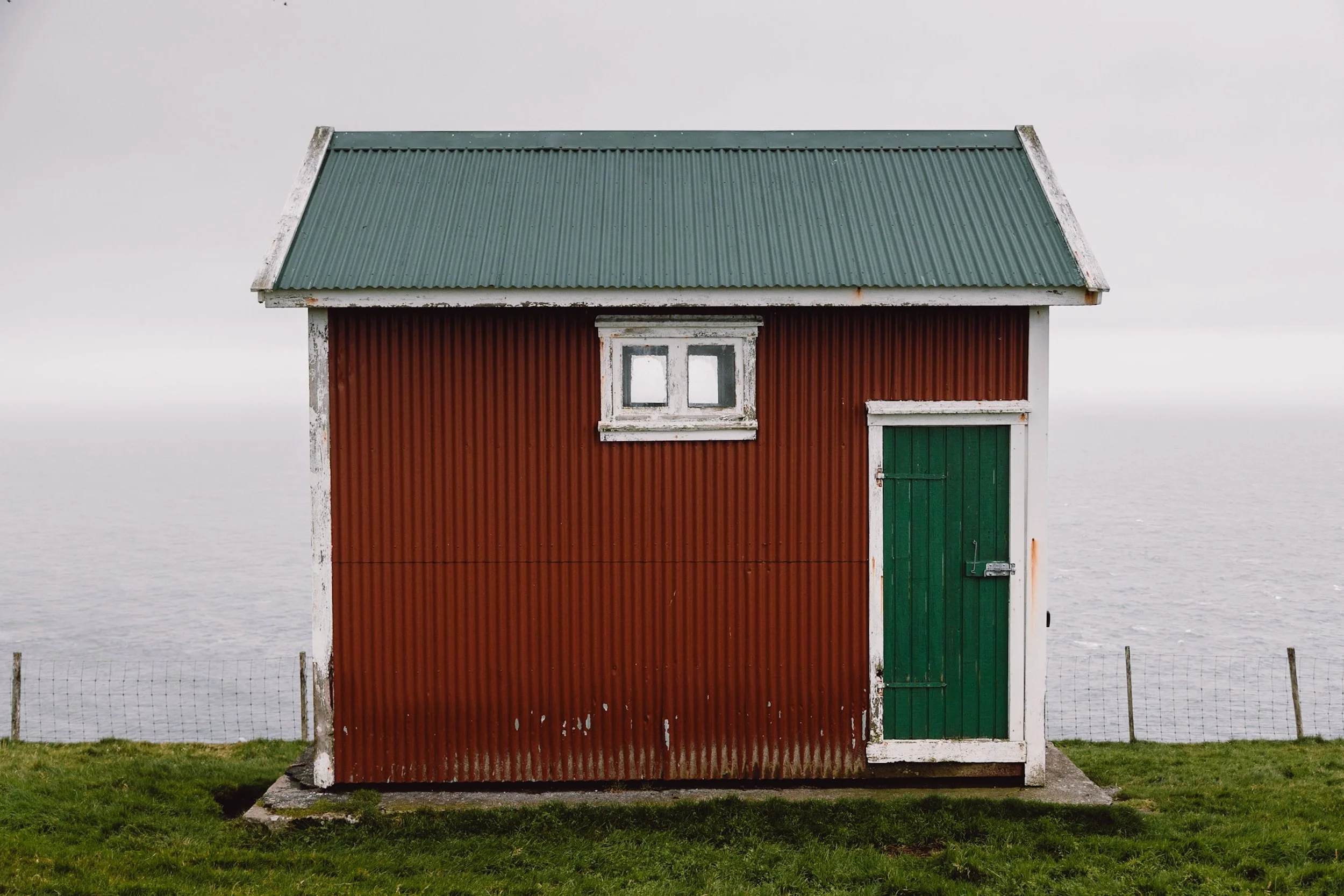
Tucked into the mountains at the southern tip of Suðuroy, Sumba is one of the Faroe Islands’ oldest villages. These days, a tunnel connects it to the rest of the island all year round, but not too long ago, it was only accessible via a mountain pass when the weather allowed.
Sumba has a timeless feel, with strong traditions still alive today. The village is famous for its chain dance, and just offshore, the dramatic Sumbiarhólmur sea stack stands like a guardian over the coastline. It’s also the hometown of poet Poul F. Joensen, whose words capture both the beauty and the tough realities of Faroese life.
If you want to dive a bit deeper into local history and wildlife, the Sumbiar sóknar bygdarsavn museum is worth a stop. This small museum boasts a fascinating collection of historical artefacts and preserved birds, providing a authentic sense of the village’s past.
Beinisvørð
Driving along the mountain pass, you will discover Beinisvørð, the highest sea cliff on Suðuroy. The view is breathtaking, with sheer drops plunging into the Atlantic below. Historically, the people of Sumba relied on these cliffs for food, hunting seabirds and collecting eggs.
The cliffs are exposed and can be unstable in places, as birds burrow beneath the soil. Take care to stay well back from the edge and enjoy the dramatic scenery safely.
Eggjarnar
If you are after some jaw-dropping coastal views, head to Eggjarnar. You will find the cliffs via a steep, unpaved road that leads to a small parking spot, perfect for taking in the scenery. For a bit more adventure, you can hike from the Eggjarnar viewpoint up to the Rávan summit, where the views stretch even further.
Nearby, Vágseiði is another great spot, accessible by car or on foot from Vágur. Here you can really feel the power of the Atlantic as waves crash against the cliffs below.
Vágur
Just a short drive from Tvøroyri, Vágur is a charming village that makes a great base for exploring Suðuroy. It is perfect for hiking, enjoying fjord views, and experiencing village life. One of the few villages on the island with a park and trees, Vágur also has shops, restaurants, a gym, and an indoor swimming pool. Suðuroyar Heimavirki is a locally owned shop selling handmade Faroese products.
Art lovers will enjoy the Vágur Art Museum, which showcases works by the famous Faroese painter Ruth Smith, whose style was influenced by Cézanne. For a different perspective of the island, hop on the 19th-century schooner Johanna TG326, docked in the harbour, and take a trip out on the water.
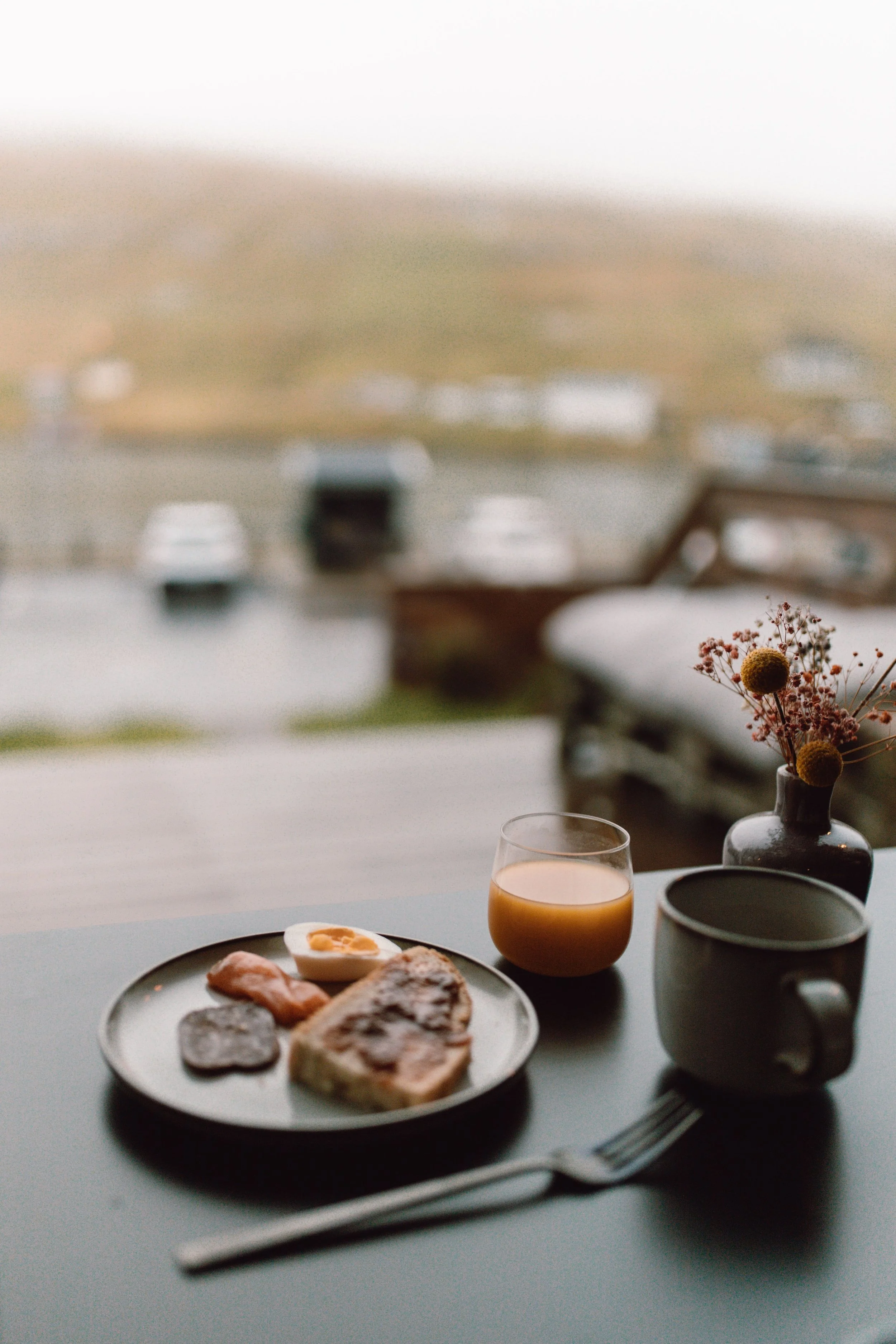
Fámjin
Perched on the west coast of Suðuroy, Fámjin is a tiny, remote village surrounded by some of the island’s highest mountains, making it a stunning spot for photographers and hikers. Its white church, built in 1876, proudly displays the first-ever Faroese flag and houses the rare Fámjin runestone with Latin and runic inscriptions.
The village is perfect for wandering quiet streets, enjoying dramatic fjord and mountain views, and exploring nearby natural highlights such as Lake Kirkjuvatn, Hviltarvatn, and the towering Gluggarnir mountain. Daily village life revolves around fishing and sheep farming, and in summer, the village comes alive during haymaking and sheep season.
Hvalba
Hvalba is unique in the Faroe Islands as the only village where coal is still mined today. Coal mining on Suðuroy dates back to the 18th century, and the small mine near Hvalba offers a glimpse into this piece of the island’s industrial history. You can arrange a guided visit to learn how coal was traditionally extracted.
The village overlooks the Atlantic, with a beautiful black sand beach, a working harbour, several shops, a campsite, and a stunning red and white church. It is also home to the historic guesthouse Heima í Stovu, where visitors can stay in a traditional Faroese setting.
From Hvalba, a small mountain tunnel leads to Sandvík, the northernmost village on Suðuroy, known for its striking black sand beach.
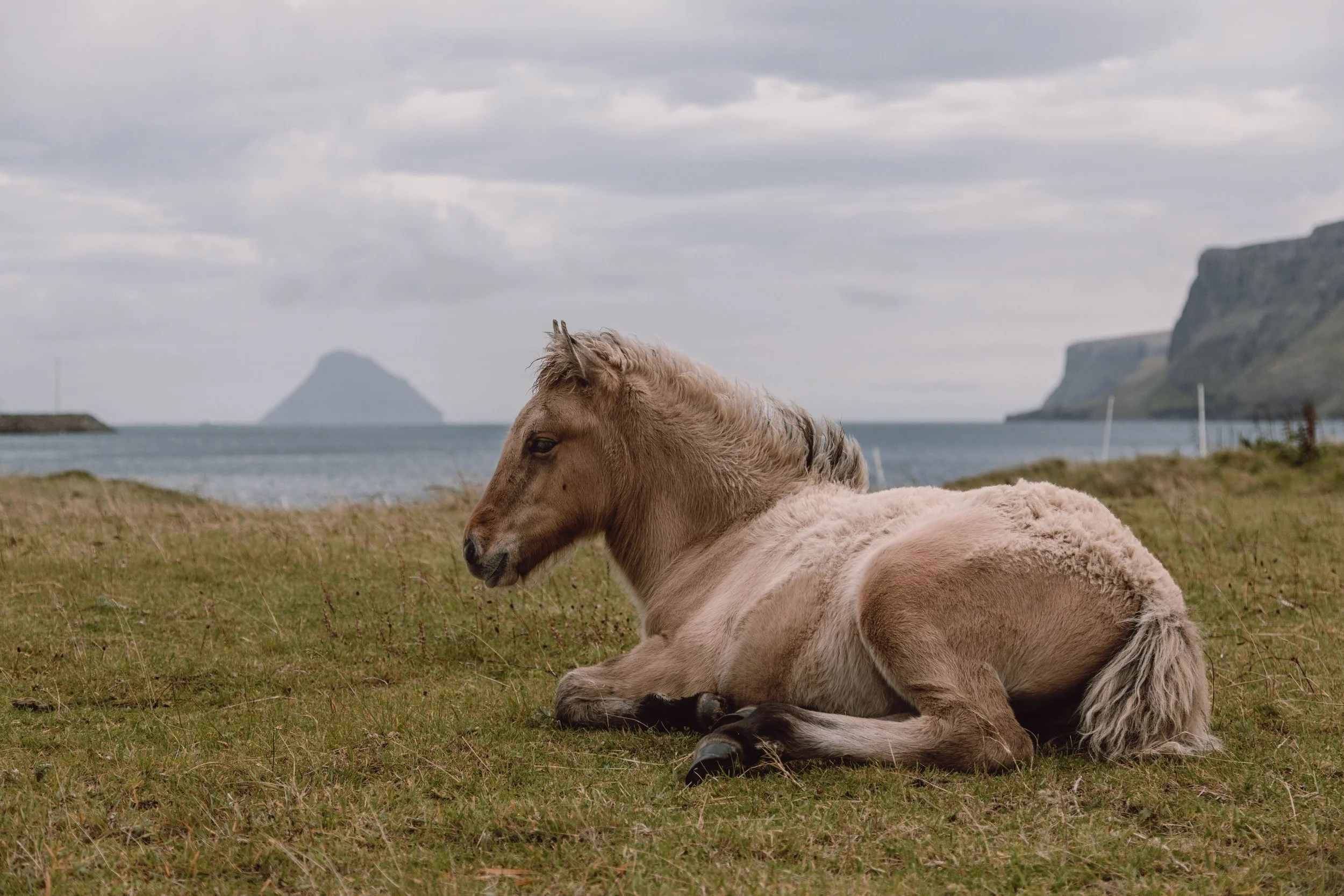
Sandvík
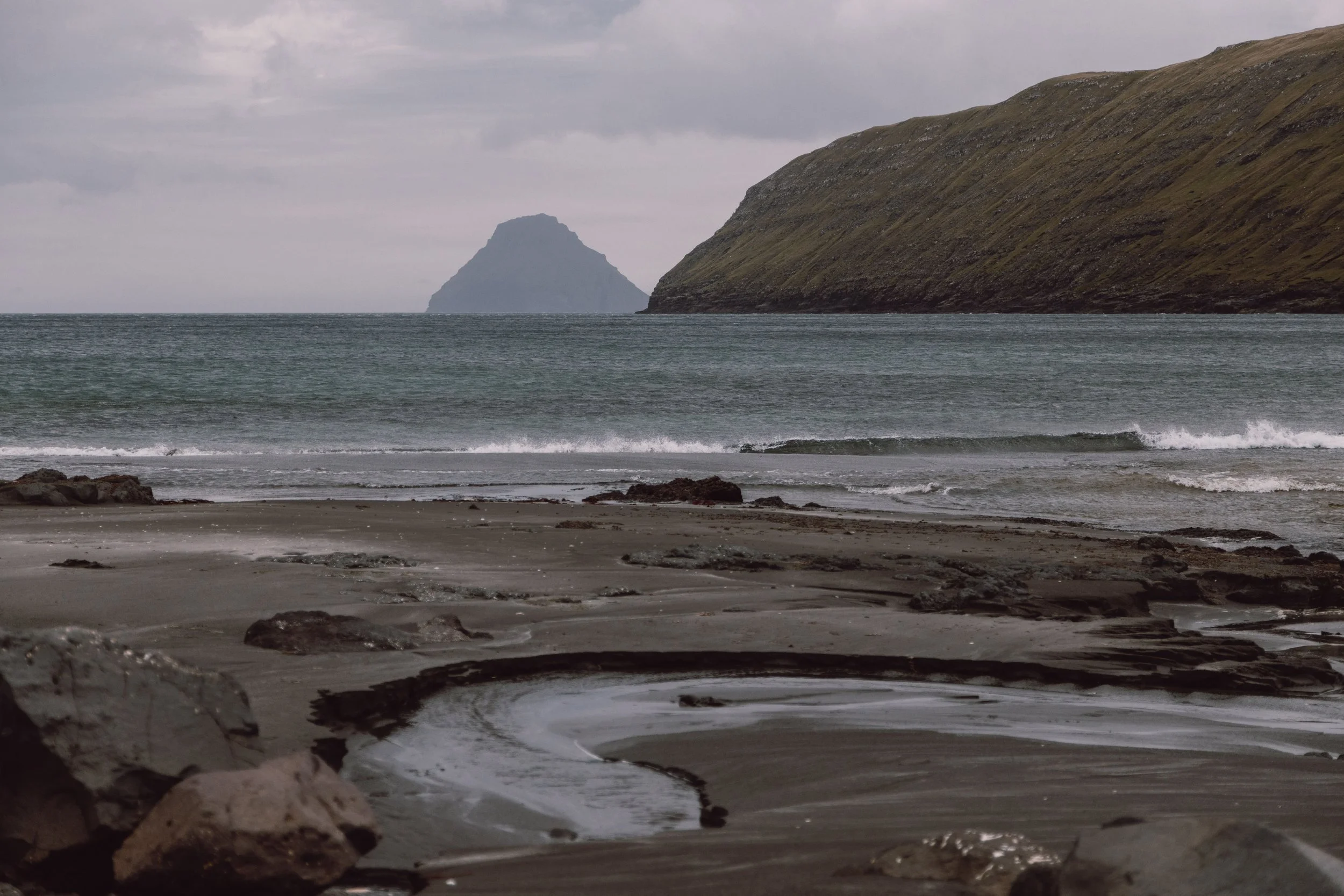
Sandvík is one of Suðuroy’s oldest villages, perched at the northern tip of the island. It is famous for its striking black sand beach and dramatic coastal scenery.
The village has a place in Viking Age history. According to the Færeyinga saga, the Viking chieftain Sigmundur Brestisson, who brought Christianity to the Faroe Islands, was ambushed by his rival Tróndur í Gøtu in the year 1005.
Sigmundur escaped by swimming from the island of Skúvoy to Suðuroy, a long and exhausting journey through cold seas. He reached land near Sandvík at a spot now called Sigmundargjógv, but was killed by a local farmer named Tórgrímur Illi, who is said to have stolen Sigmundur’s golden arm ring. A monument created by Faroese artist Hans Pauli Olsen commemorates this dramatic event.
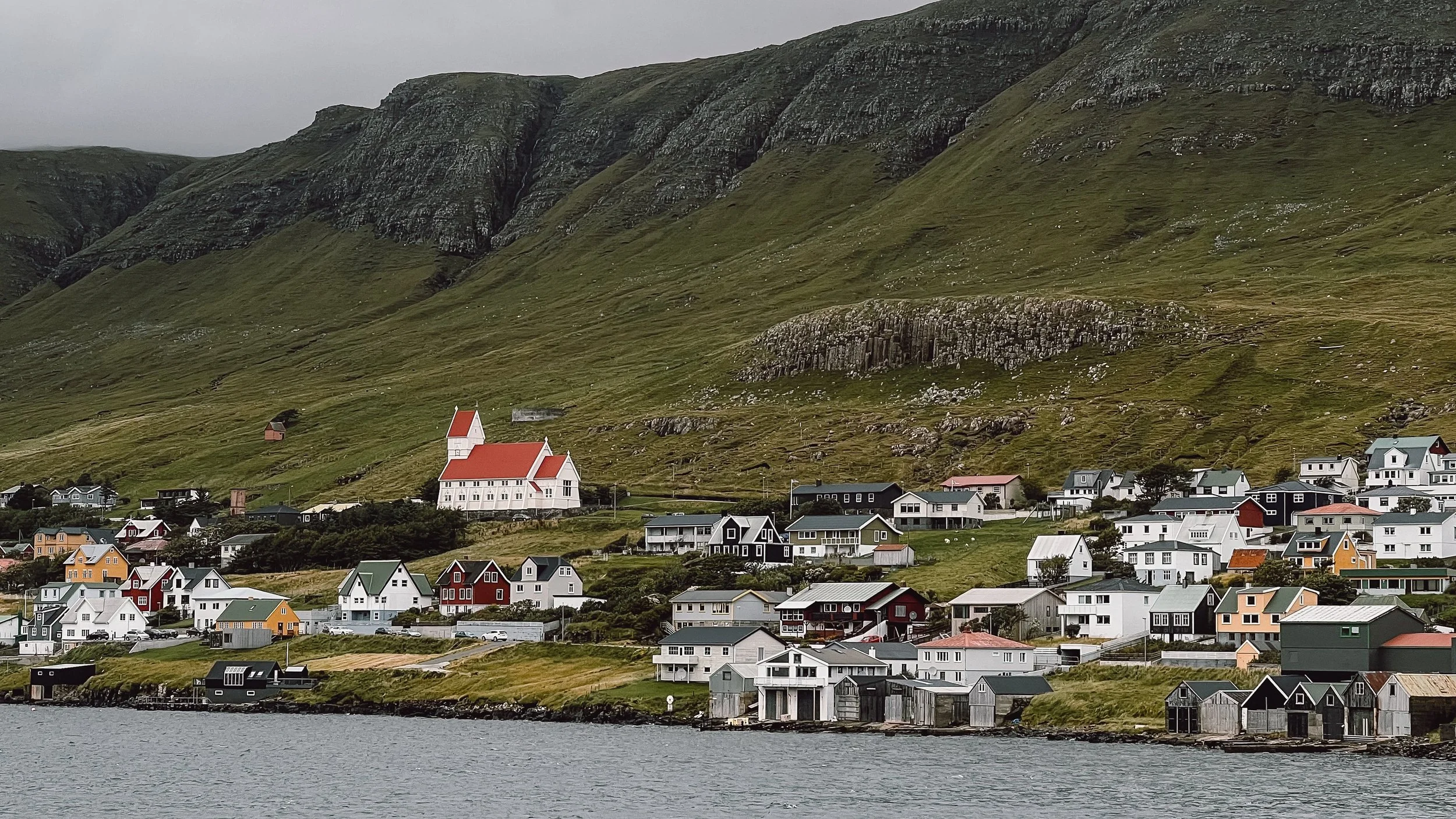
Hov
Hov is a small, historic village on Suðuroy with a few unique highlights worth exploring. The old village shop has been transformed into Savnið á Mýri, a charming museum that blends history and modern art. The building itself has an interesting story, having originally been constructed in Vágur before being moved to Hov. Today, it hosts art exhibitions and cultural events, and visits are by appointment only.
The village is also home to a traditional grass-roofed church, a classic example of Faroese architecture, which adds to the charm of Hov. Just outside the village lies Vatneses Lake, a scenic spot perfect for a quiet walk or a moment to take in the surrounding nature.
Tvøroyri
The heart of the island and its largest villages, with several restaurants, cafés, a small museum, shops, and a petrol station. A good base for exploring both the northern and southern parts of Suðuroy if you’re short on time. It’s also near the start of the hike to Hvannhagi, one of the most popular hikes on the island.
In Tvøroyri, you can get a glimpse of Faroese maritime heritage at Bátafelagið Naddoddur, the local boat society. The club preserves traditional Faroese wooden boats, including the large Naddoddur, built using historic methods inspired by Viking-era seafaring.
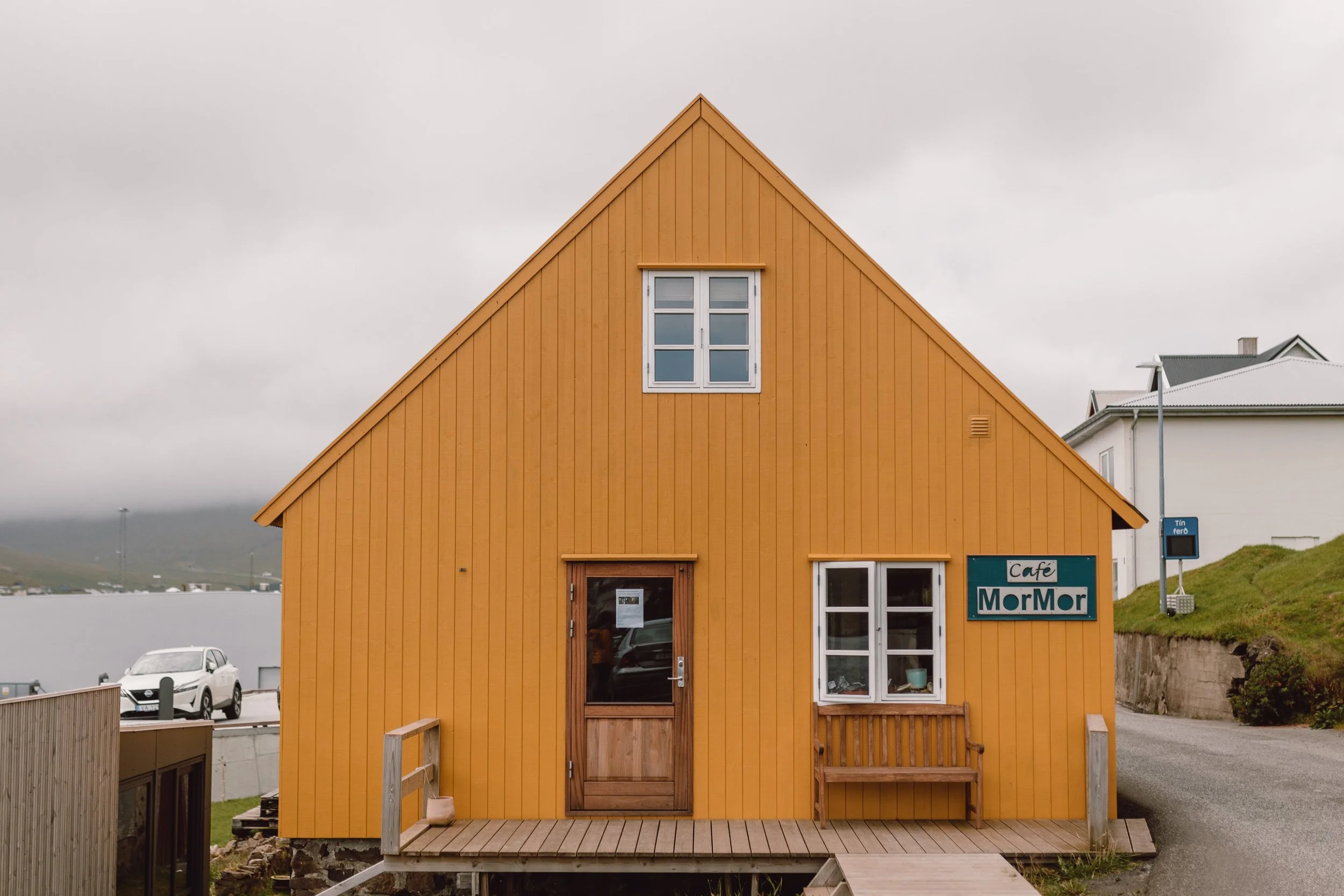
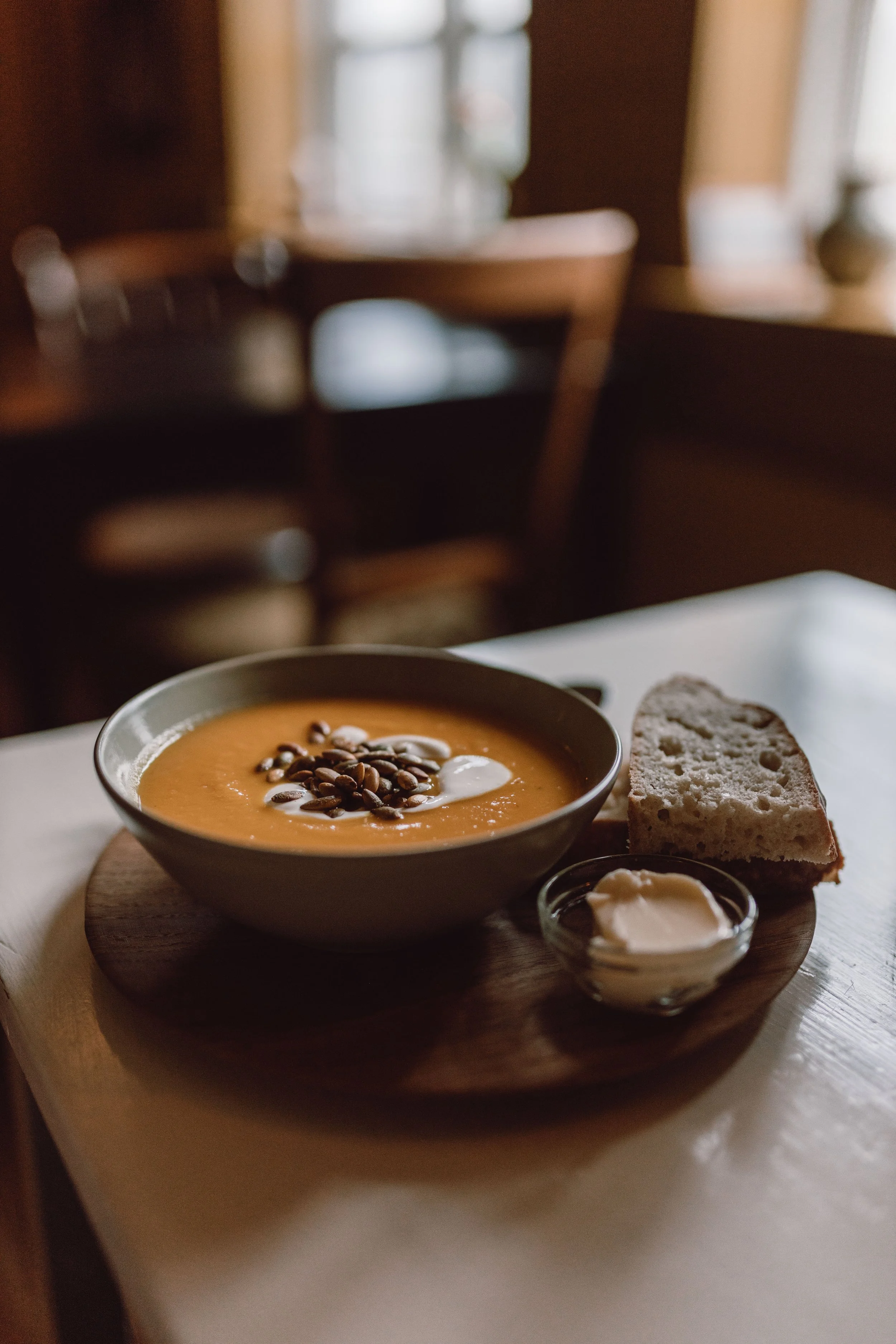
You’ll find plenty of local shops and cafés to explore, including Café MorMor, a cosy spot for homemade soups and cakes, and Tóbúðin hjá Gitte, located in Trongisvágur just outside Tvøroyri, where you can browse beautiful handmade Faroese knitwear.
Café MorMor
After a hiking Hvannhagi, Café MorMor is the perfect place to unwind in Tvøroyri. Housed in a charming triangle-shaped building, the café is full of quirky décor and vintage antiques, giving it a warm and cosy atmosphere.
You can tuck into homemade soups, fresh coffee, and delicious cakes while soaking up the unique character of the space. It’s the kind of place where you want to linger, chat, and enjoy the village charm.
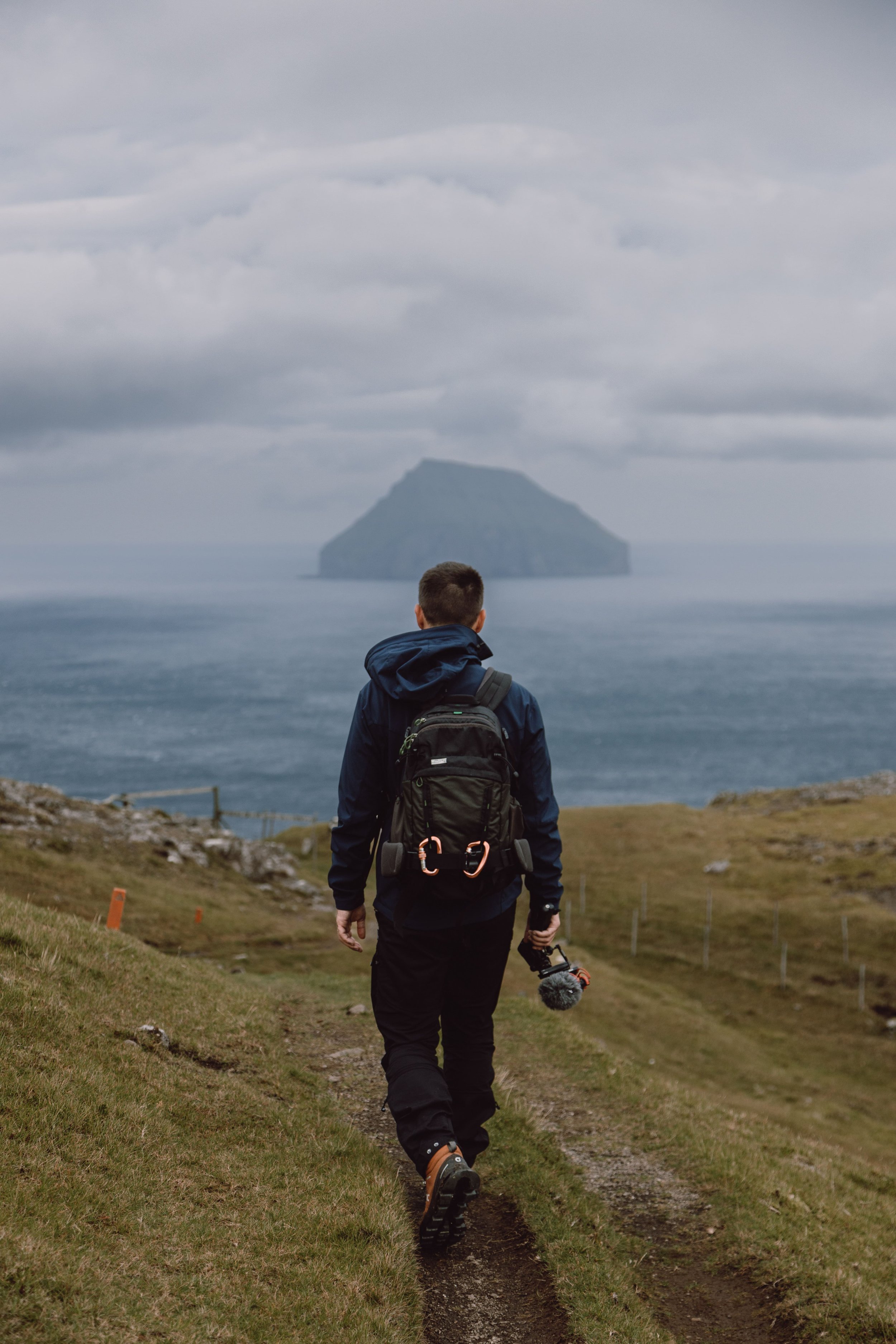
The weather can be unpredictable and is most likely to have some rain so make sure you come prepared. We’ve put together a list of the essentials you need to pack when visiting the Faroe Islands.
Hiking poles
Waterproof jacket
Waterproof/water-resistant walking boots
Warm clothing - thermals and clothes you can layer
Hat and gloves
Avoid nylon clothing - the ground can be slippery
Snacks
Camera
Tough walking trousers
Thick wool socks
Dry bag
Which airlines fly from the US to the Faroe Islands?
There are no direct flights from the US. Most travellers connect via Copenhagen, London, Paris, Reykjavik, or Bergen with airlines like Atlantic Airways, SAS, Icelandair, or Widerøe.
Which airlines fly from the UK to the Faroe Islands?
Atlantic Airways runs flights from London Gatwick and Edinburgh. There are currently no other direct flights from the UK.
Can I take my car from the UK to the Faroe Islands?
Yes, the Smyril Line operates ferries from Hirtshals, Denmark and Seyðisfjörður, Iceland, which can carry cars, campervans, or motorhomes. Many visitors use this route to explore the islands with their own vehicle.
How to find the current ferry schedules?
You can see the latest ferry timetables and plan your journey on the official SSL Ferries website.
Where can I book ferry tickets to Suduroy online?
Booking your ferry to Suduroy is simple by heading over to the SSL online booking page
Which is the warmest month on the Faroe Islands?
The warmest months are June to August, with average maximum temperatures around 13°C. Spring is wetter but perfect for wildflowers and seabird watching.
What are the most reliable weather apps for monitoring Suduroy conditions?
The weather can change quickly, so stay flexible with your plans. The best way to check conditions is this interactive live Faroe Islands weather map, which also includes live webcams to help plan hikes and adventures.
What are the best hotels and resorts available on Suduroy?
You won’t find any large hotels or resorts on Suduroy. Check our section about the best places to stay on Suduroy, including guesthouses, airbnbs and homes.
What local products or crafts are Suduroy known for? Where can I buy authentic souvenirs?
Suduroy is known for traditional Faroese knitwear, wool products, and handmade crafts. Best authentic shops include Tóbúðin hjá Gitte in Trongisvágur and Suðuroyar Heimavirki in Vágur.
Is it cheap on the Faroe Islands?
The Faroe Islands are similar to other Scandinavian countries in cost. Fuel is reasonable, but car rentals, food, and activities can be pricey. Saving tips include packing snacks, cooking at Airbnbs, and focusing on free activities like hiking and village exploration.