
This post may contain affiliate links, which means if you purchase through these links, we may receive a small commission at no cost to you. Thank you for supporting our website.
The Wild Atlantic Way is one of the greatest road trips in Ireland. It leads you along the ocean-carved, rugged west coast and the scenic south coast. Stretching over 2,600km, it showcases some of the most spectacular scenery of the Emerald Isle, known for its evergreen beauty.
Ireland is not only rich in natural landscapes, but it is also a vibrant place. The Irish make you feel welcome as soon as you arrive, with warm hospitality and a mindset that instantly puts you at home. Taking a road trip around Ireland is the best way to discover its untamed landscapes, passionate and friendly people, and ancient historical sites.
On our 2-week Wild Atlantic Way itinerary, you will explore the highlights along the south and west coasts through Cork, Kerry, and the Dingle Peninsula.
We’ll also share practical tips for travelling from the UK by car or campervan, including ferry crossings, driving advice, and the best places to stay overnight, from campsites to parking spots. You can focus on enjoying Ireland’s scenic beaches, quaint villages, fascinating legends, history and dramatic coastline.
Prepare to fall in love with Ireland’s wild beauty on this memorable Ireland road trip adventure.
How to Use This Guide
Jump to any section using the Contents table below. Click a heading in the guide to pop back to the contents and explore other sections.
Contents
The Wild Atlantic Way is a scenic coastal route along Ireland’s west coast, from Kinsale in County Cork to the Inishowen Peninsula in County Donegal. It passes through nine counties, taking in rugged cliffs, pristine beaches, colourful villages, and dramatic ocean views.
While our 2-week itinerary focuses on the south and west coast highlights, the official route continues all the way to the north, offering endless opportunities for exploration, wildlife spotting, and impressive panoramas.
Length | 1,600 miles / 2,500 km
Start | Kinsale, Cork | Finish | Inishowen, Donegal
Counties | Cork, Kerry, Clare, Galway, Mayo, Sligo, Leitrim, Donegal
Highlights | Cliffs, beaches, colorful villages, historic sites
Best for | Road trips, campervans, scenic drives
Ferry
Popular routes include Pembroke, Wales, to Rosslare and Holyhead, Anglesey, to Dublin. The journey takes around 3.5–4 hours.
For this itinerary, we recommend the Pembroke to Rosslare route, as it brings you straight to the start of this 2-week Wild Atlantic Way adventure, exploring the beautiful south coast of Ireland.
Taking the ferry is also a great option for campervans or cars. It can save on car rental costs and gives you more freedom with what you can bring, making your road trip easier and more flexible.
plane
If you prefer to fly into Ireland, several airports are convenient for starting the Wild Atlantic Way:
Cork Airport (ORK) – approximately 25 km from Kinsale. Ideal for the south coast start. Direct flights from London, Manchester, Birmingham, Liverpool.
Dublin Airport (DUB) –300 km from Kinsale. Main international gateway for US visitors. Flights from major US cities connect via Dublin, then a 3–4 hour drive to Cork.
Flying can save time if you don’t want a ferry journey. From any airport, you can rent a car or campervan to begin your adventure along the Wild Atlantic Way.
Plan your next adventure
If you book through our links, you help support our website at no extra cost to you - thank you!
One of the best times for a road trip along the Wild Atlantic Way is late spring and early autumn (May to September), avoiding the busiest summer months. You’ll get longer days, milder weather, and it’s ideal for those who plan to camp outdoors.
Keep in mind that the weather in Ireland can change quickly and is famously unpredictable, so be prepared with waterproofs and warm clothing for chilly evenings or sudden downpours. Check the official Wild Atlantic Way website for festivals and events throughout the year.
We visited Ireland in March. While there were some rainy days, we also enjoyed beautiful sunny stretches along the coast, perfect for exploring. Stay flexible with your plans and keep an eye on the weather forecast.
Summer (July to August) | Warmest weather and lively festivals, such as the Kinsale Gourmet Festival and local music sessions in Dingle.
May, June, September | Fewer crowds, still good weather, beautiful sunsets, and plenty of small village events or craft fairs.
Winter (October to April) | Quieter, dramatic coastal scenery, shorter days, and more rain. If you’re in a campervan or motorhome, you can still enjoy the route year-round, but pack layers and be prepared for unpredictable weather.
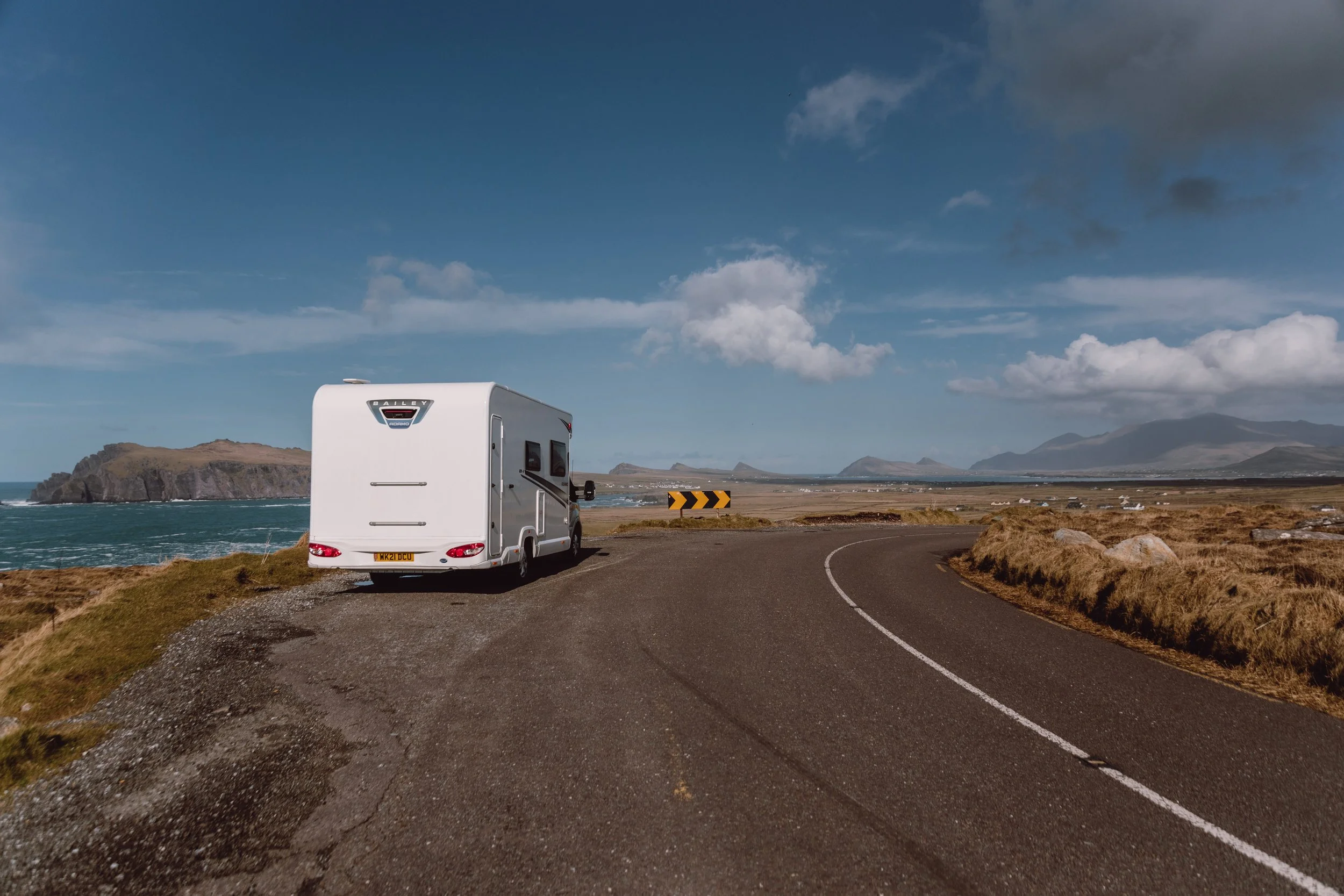
Driving the Wild Atlantic Way is an adventure in itself. Expect narrow country lanes, dramatic coastal bends, and stretches where sheep and tractors share the road with you. At times, it can feel challenging, but the rewards are worth it. Every twist and turn reveals sweeping ocean views, rugged cliffs, and postcard-perfect villages.
Driving tips
Take your time | Don’t try to see the whole Wild Atlantic Way in a week or two as it will feel rushed. For the full route, 4 weeks minimum is ideal. This 2-week itinerary focuses on the south and west coast, allowing you to travel slowly and explore in depth.
Follow the signs | Look for the blue WAW signs along the route. Each one usually indicates north or south with an (N) or (S).
Drive carefully | Expect the occasional sheep in the road, single-lane stretches, and oncoming traffic. Use passing places where available.
Vehicle choice matters | If you’ve never driven a large campervan, consider a smaller campervan or adjust your route for less stress and more flexibility. We drove this route in a motorhome.
Plan overnight stops | Use campsites or the Park4Night app to find places to park overnight, and always respect local rules if wild camping.
Bring essential documents | This includes insurance, driver’s license, vehicle registration, and any rental permissions.
Pull over for the views | There are plenty of scenic stops along the way, easy to spot with the orange WAW wiggly signs (yes, that’s what we’re calling them).
This 14-day self-drive itinerary takes you along Ireland’s south and west coast, from Rosslare Harbour to Waterford, combining dramatic coastal scenery, historic sites, quaint villages, and outdoor adventures.
The route can easily be adjusted if you’re starting in Dublin. In this case, begin in Cork, which is around a 3.5-hour drive from Dublin by car.
The itinerary is designed to balance driving and adventure, giving you plenty of time to explore beaches, cliffs, nature reserves, and towns without feeling rushed. Whether it’s your first visit or a return trip, this route showcases some of the very best of the Wild Atlantic Way along Ireland’s south and west coasts.
Summary of Route & Map
Day 1 – Arrive at Rosslare Harbour (ferry from the UK)
Day 2 – Cork
Day 3 – Kinsale
Day 4–5 – Dingle Peninsula
Day 6 – Ring of Kerry
Day 7 – Derrynane Beach & Sneem (Ring of Kerry)
Day 8 – Killarney National Park
Day 9 – Castletownbere
Day 10 – Glengarriff Nature Reserve & Gougane Barra
Day 11 – Courtmacsherry, Old Head of Kinsale & Clonakilty
Day 12 – Cobh
Day 13 – Waterford
Day 14 – Departure from Rosslare Harbour
Distance | 130 km
Ferry crossing time | 4 hours
Take the ferry from Pembroke in Wales to Rosslare Harbour in Ireland. Once you arrive, you’ll go through border control and, if travelling with pets in your campervan, the customs department for agriculture. Bring all pet documentation and EU passports if you have them.
Book your ferry from Pembroke to Rosslare with Irish Ferries or Stena Line, which leaves from Fishguard, an hour's drive north of Pembroke.
We stayed overnight in the car park at Rosslare Harbour (€5 for 24 hours) as our crossing meant we arrived late evening. From here, you can prepare for the start of your Wild Atlantic Way adventure, stock up on supplies, and enjoy a fish and chips in the town.
Distance | 185 km
Driving time | 2.5 hours
After disembarking at Rosslare Harbour, drive along the N25 to Cork city, in county Cork, via the Thomas Francis Meagher Bridge to avoid Waterford (toll €2 for campervans and motorhomes). Along the way, you’ll pass several smaller towns to stop for fuel or a quick snack. We needed a new gas regulator and stopped by Cork Gas Centre, which also sells Calor gas.
Once you arrive in the city, we’d recommend parking at the Train Station South Car Park (€8.50/day), a large car park with easy access to the city centre and ideal for a motorhome.
We also took care of our kittens’ EU pet passports at Paw Paws Vet Clinic, which is very close to the car park. It was a really convenient stop for sorting pet paperwork before heading off to explore Cork city.
In Cork, stroll along the colourful River Lee and explore the city’s vibrant streets. Here are some highlights we’d recommend for first-time visitors to the city:
St. Fin Barre’s Cathedral – stunning neo-Gothic architecture.
Sin É Pub – historic music pub with traditional live sessions.
Blarney Castle & Gardens – iconic castle just outside the city, home of the famous Blarney Stone. Kiss the Blarney Stone to see if the legend is true that you’ll be granted the gift of the gab.
Rebel City Distillery – sample locally made Irish gin and whiskey, located in the historic docklands.
Patrick Street – the main shopping street in the heart of Cork.
Where to Stay | Cork City
Campsites- Train Station South Car Park (overnight tolerated) or Blarney Caravan and Camping Park.
Hotel or B&B - The River Lee Hotel, Hayfield Manor, Maldron Hotel Shandon
Distance | 30 km
Driving time | 30 minutes
Head south from Cork to the charming coastal town of Kinsale, known for its colourful streets, historic forts, and rich food scene, also known as the Gourmet Capital of Ireland. Take your time exploring the town, strolling along the harbour, and enjoying the views of the River Bandon.
This is the official starting point of the Wild Atlantic Way for this itinerary; you may realise it’s a little busier with visitors for that reason. Here’s our picks for highlights to see in Kinsale:
Charles Fort – Walk the Scilly walk to Charles Fort, a well-preserved star-shaped fort with panoramic views over Kinsale Harbour.
Desmond Castle – historic site showcasing Kinsale’s maritime history.
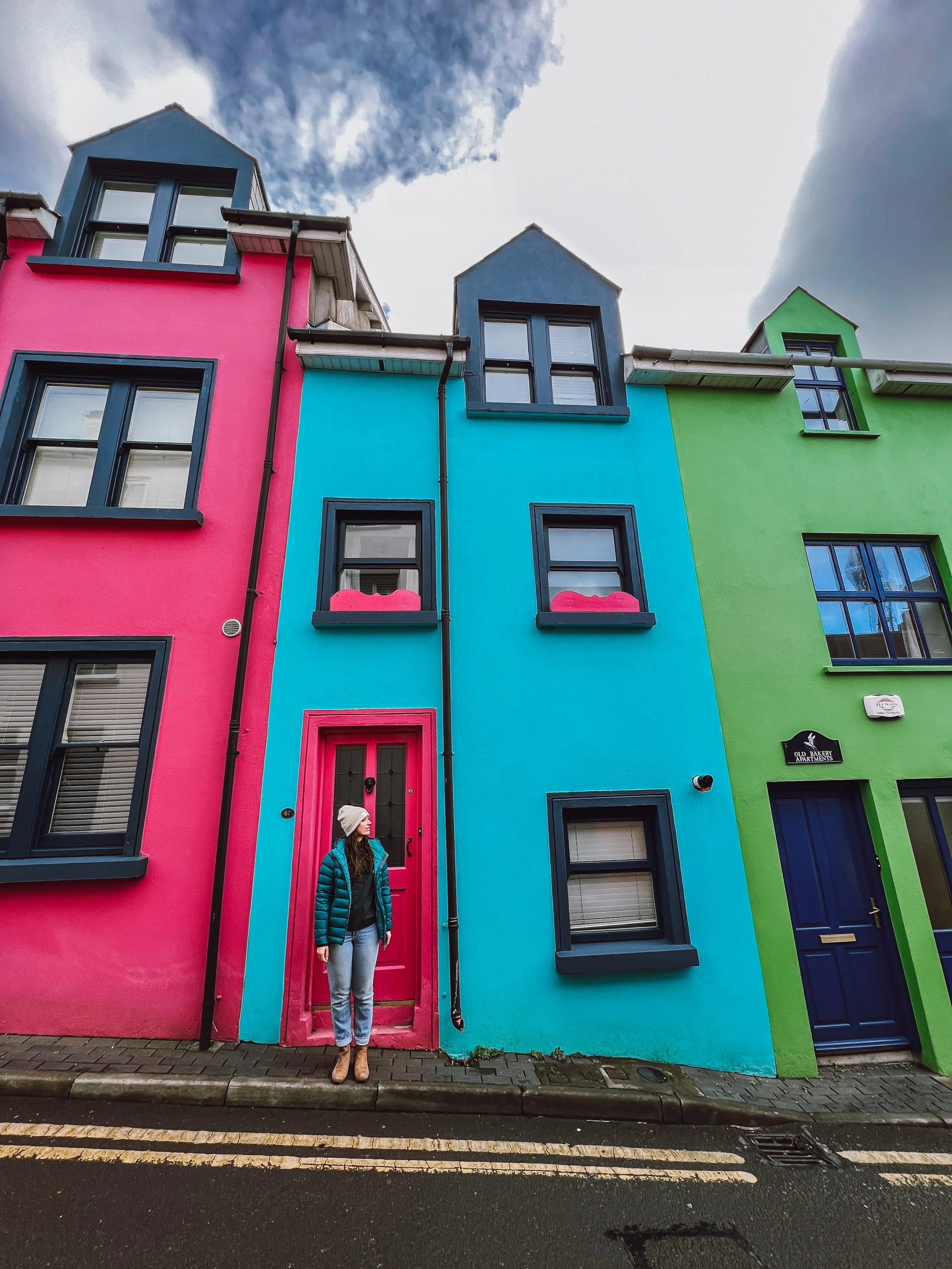
Walk the colourful streets on Milk Market and Newman’s Mall– explore the narrow streets around the market square opposite the Kinsale Museum, where you’ll discover several bright coloured houses and shops.
Refuel at one of the many cafés and restaurants - noteworthy mentions are Lemon Leaf cafe, OHK Cafe, Le Bistro or Black Pig
Cosy up in a traditional pub - The Tap Tavern for a classic Irish pub or Dalton’s Bar for a cosy vibe
Experience fine dining - Bastion (Michelin star), St Francis Provisions or Rare Kinsale
Where to Stay | Kinsale
Campsites - New Road Car Park (overnight tolerated) or Garrettstown House Holiday Park.
Hotel or B&B - Actons Hotel, The Trident Hotel, Kinsale Hotel & Spa
Distance | 160 km
Driving time | 3 hours
Leave Kinsale and head northwest toward the Dingle Peninsula in County Kerry. You’ll pass near Killarney on the way, travelling through rolling countryside and small villages. Once you arrive on the Dingle Peninsula, there are many beautiful spots, including hiking trails, beaches and heritage sites to explore:
Smerwick Harbour - a peaceful spot for sunset views and coastal walks with views of Mount Brandon, and surrounded by several beaches such as Murreagh Beach.
Dún an Óir (Fort of Gold), a historic site and the location of one of the bloodiest battles in Irish history, where English forces defeated a combined garrison of Irish, Spanish, and Italian troops. We parked our motorhome just before sunset; the wind was strong, but the sky lit up beautifully over the hills and sea.
Slea Head Drive - a scenic coastal drive, with very narrow lanes, which is best for motorhomes to avoid. We skipped the tightest sections, starting just south of Coumeenoole Beach, park at this beach for captivating coastal views.
Where to Stay | Dingle Peninsula
Campsites – Inch Beach Camp Site and Campail Teach an Aragail
Hotel / B&B – Dingle Skellig Hotel, Benners Hotel, Pax Guest House
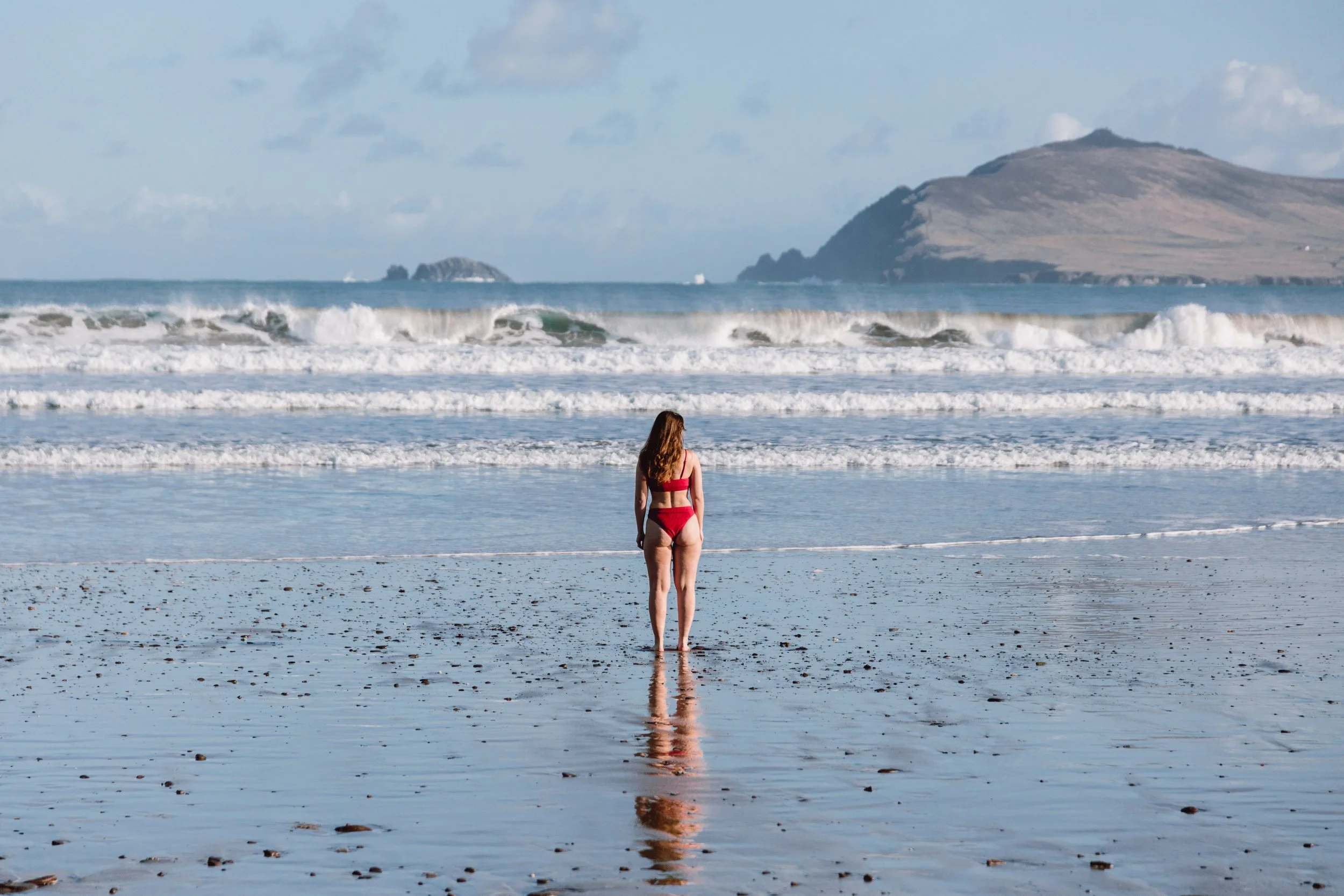
Distance | 60 km
Driving time | 1.5–2 hours
Spend another day exploring the Dingle Peninsula, taking your time to enjoy the dramatic coastline, fascinating historic sites, and quaint villages.
Sinead Lough Pottery - Browse this beautiful pottery shop close to Smerwick Harbour, full of lovely handmade mugs, bowls and more.
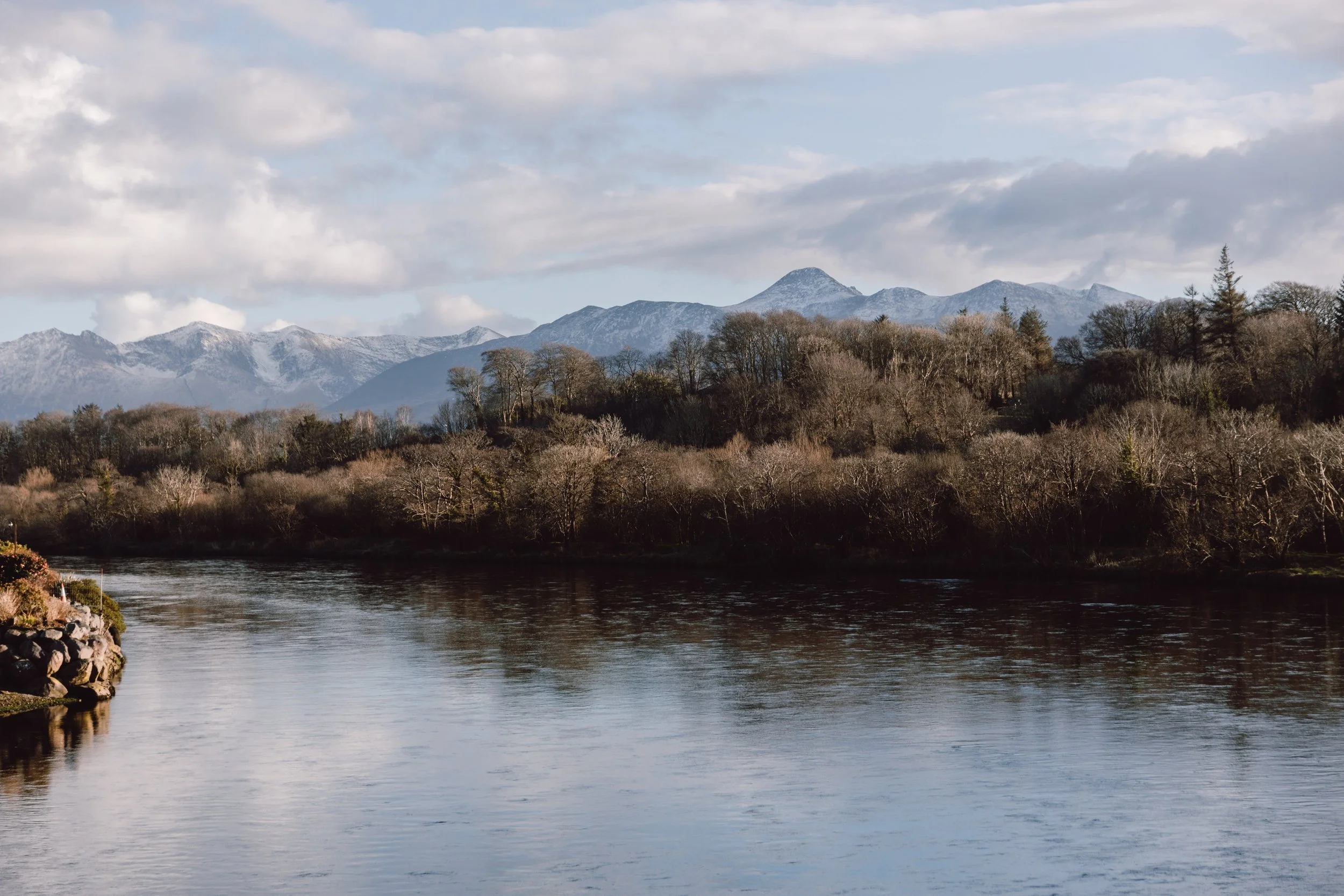
Mount Brandon - Ireland’s second-highest peak and a historic pilgrimage site for Christians. Snow-capped peaks in March made our photos unforgettable.
Dunquin Pier (Cé Dhún Chaoin) - a dramatic coastal pier on the Dingle Peninsula, historically the main lifeline to the Great Blasket Island.
Blasket Heritage Centre - learn about the history of the evacuated Blasket Islands and enjoy dramatic coastline vistas (currently closed and opens again in March 2026).
Inch Beach – a long, sandy beach perfect for a stroll. You can also drive your car or campervan right onto the sand, making it easy to enjoy a full beach day without lugging gear back and forth.
Where to Stay | Dingle Peninsula
Campsites – Inch Beach Camp Site and Campail Teach an Aragail
Hotel / B&B – Dingle Skellig Hotel, Benners Hotel, Pax Guest House
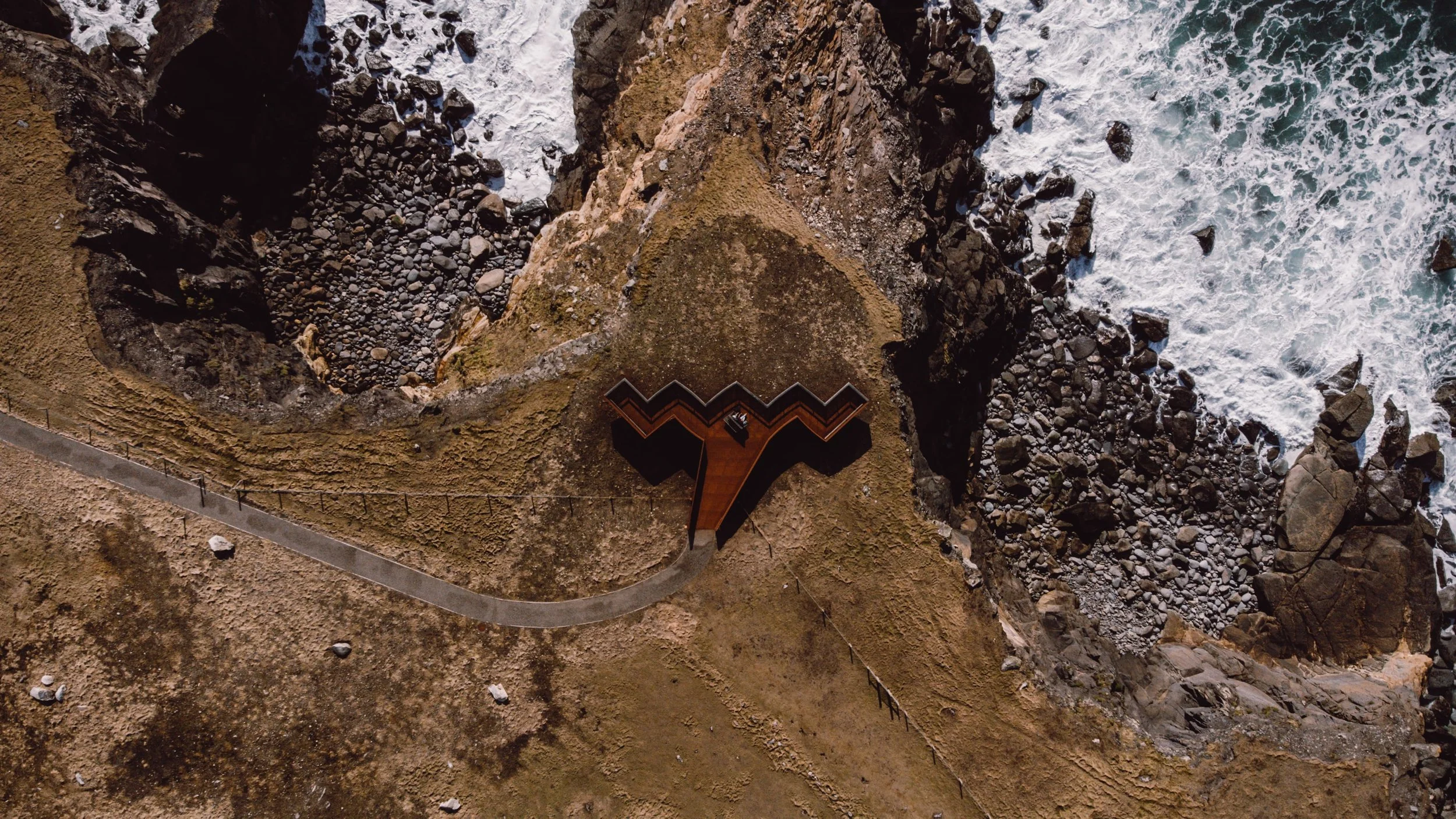
Distance | 90 km
Driving time | 2 hours
We started the day driving along the Ring of Kerry, starting in Castlemaine. From the Mountain Stage viewpoint, you can look across the Dingle Peninsula with Rossbeigh Beach and Inch Beach.
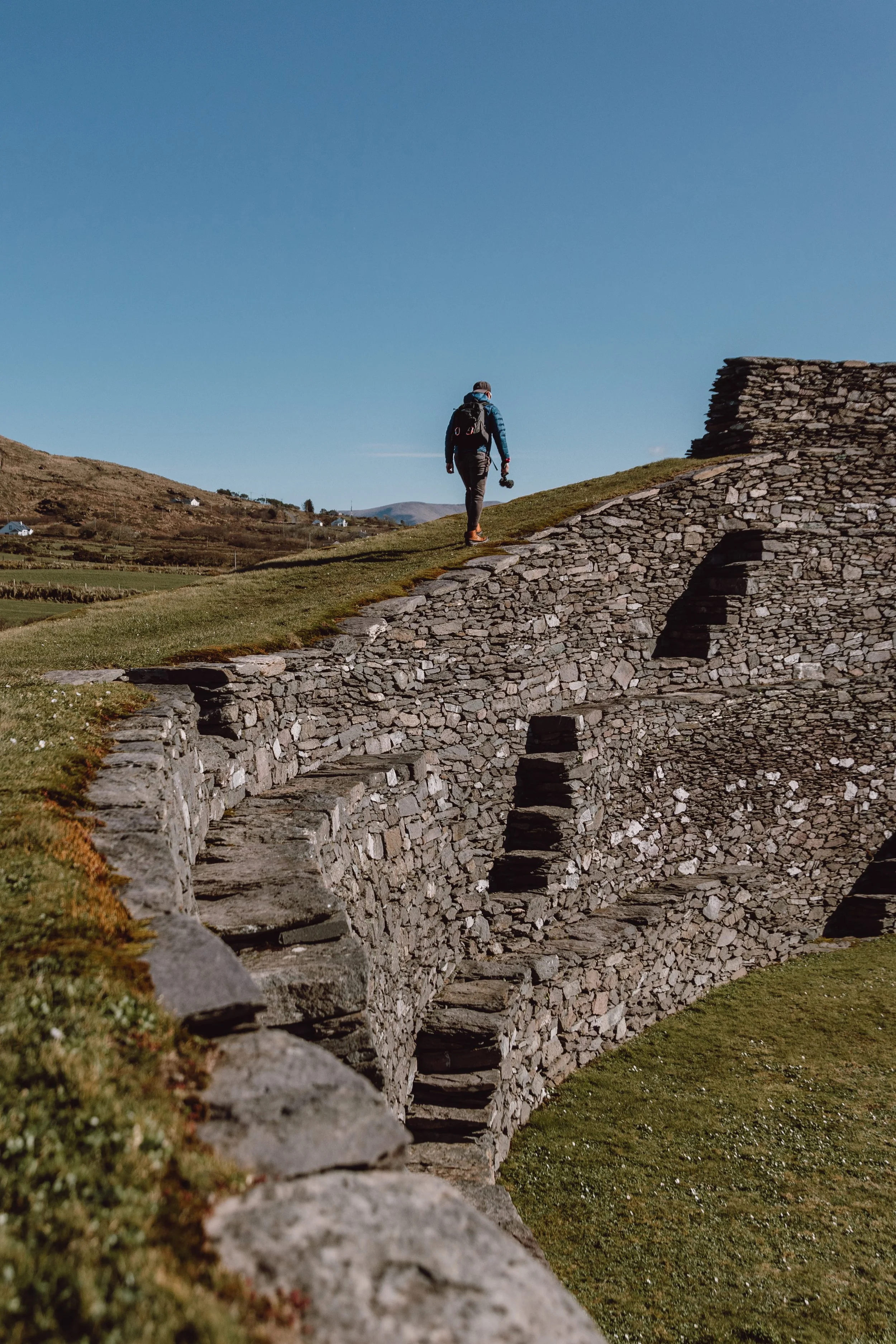
At Cahergall and Leacanabuaile Stone Forts, visitors can walk up to explore the ancient walls, perched high on the hills. The views from the forts make the climb well worth it. Cahergall, in particular, can feel vertigo-inducing, so many choose to admire the site from the ground while still appreciating its impressive history and craftsmanship.
We then visited Ballinskellig Bay and explored the ruined castle. It was easy to imagine monks walking along the Skellig Monks Trail and pirates watching the bay. The coastline is dramatic, with waves crashing against jagged rocks.
By late afternoon, we reached Waterville, parked opposite the golf course, and watched the sunset. The sky turned a beautiful shade of orange, and it felt like the perfect end to the day. We were glad we had driven a little further instead of stopping earlier.
Where to Stay | Kerry
Campsites – Wave Crest Caravan Park and Glenbeg Caravan and Camping Park
Hotel / B&B – The Lake Hotel in Killarney, The Moorings Hotel in Portmagee
Distance | 25 km
Driving time | 30 minutes
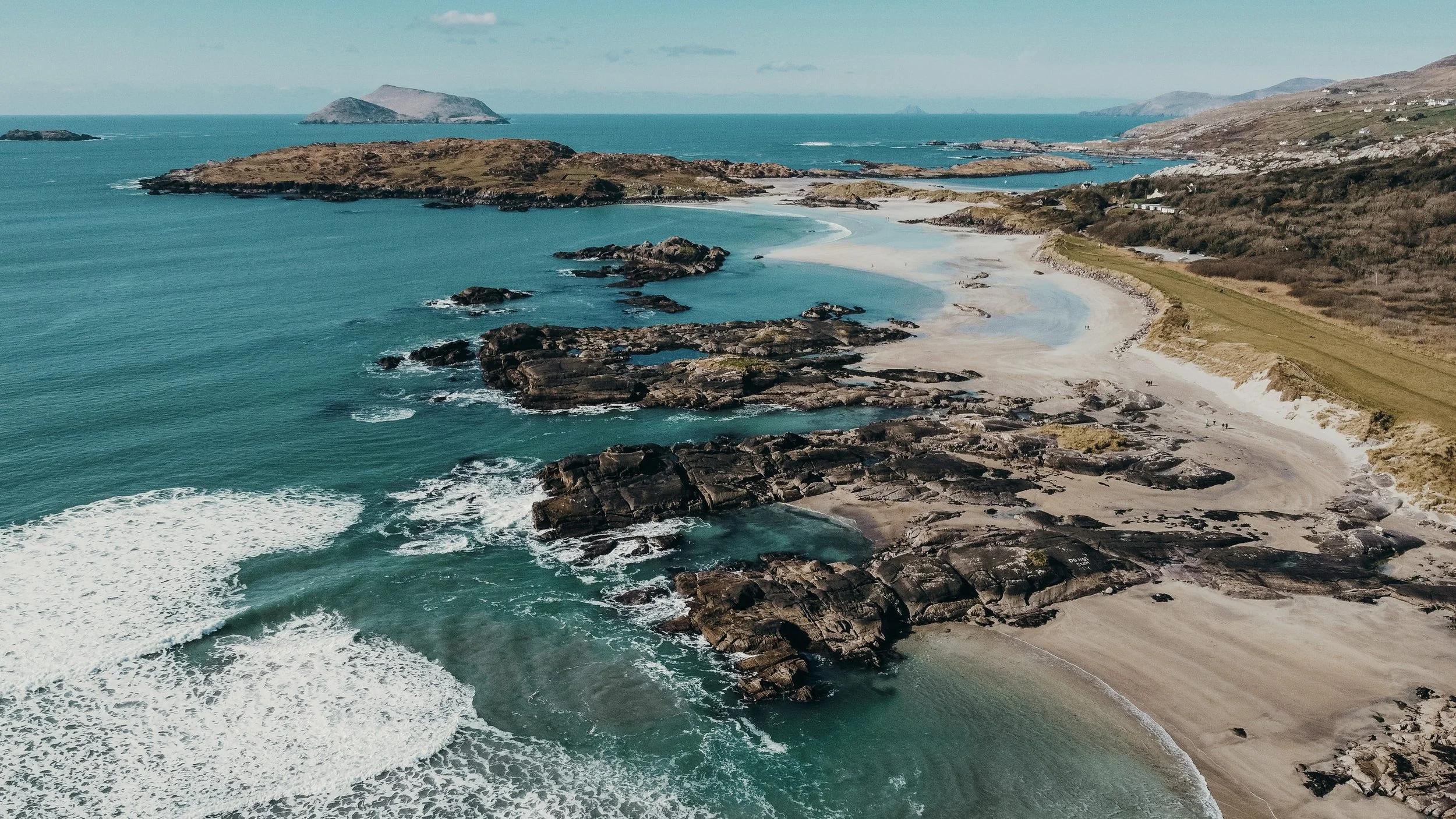
We started the morning with a walk along Derrynane Beach with our cats (more like the cats walking us). The sun was shining, and the water was crystal clear.
The sparkling turquoise water was too tempting, so we couldn’t resist a quick paddleboard session. At low tide, Abbey Island becomes accessible, where visitors can explore Derrynane Abbey and its cemetery, with stunning views across to Skellig Island, famous for its Star Wars appearance and as a puffin habitat.
From there, we drove to Sneem, a small village that felt like paradise, where mountains, trees, and coastline all meet in one spot. We cooked some kebabs and settled in for the evening, though there are plenty of cafés, bars, and pubs if you prefer a night out, including Bridge Café & Bistro and D O’Shea Bar. The village has a relaxed, friendly vibe, perfect for soaking up the Kerry scenery.
For a uniquely Irish experience, try a seaweed bath, hot seawater infused with mineral-rich seaweed known for its natural healing properties, overlooking the River Sneem. It is probably one of the most picturesque baths you will ever enjoy and can be experienced whatever the weather.
Where to Stay | Kerry
Campsites – Goosey Island Motorhome Park
Hotel / B&B – Parknasilla Resort and Spa and Sneem Hotel
Distance | 130 km
Driving time | 2.5 hours
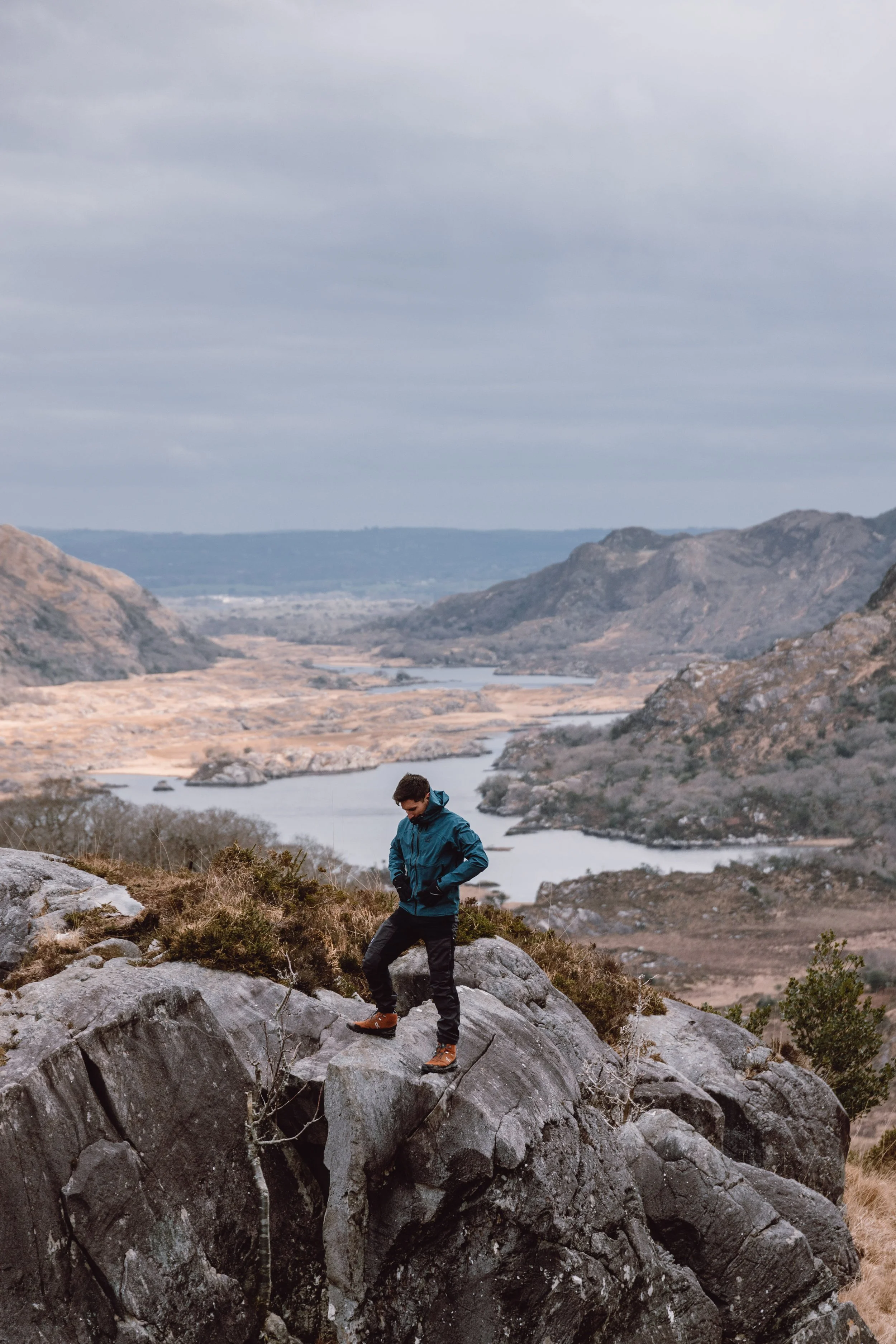
We visited Killarney National Park on a weekday to avoid the weekend crowds. The morning was perfect for photography, with soft light highlighting the lakes and forests.
We spent some time at Ladies View, capturing the sweeping scenery before strong winds picked up later in the day. After exploring the park, we drove down Healy Pass towards the Beara Peninsula. The winding mountain road with hairpin turns offered an adrenaline rush and spectacular views, manageable even in a motorhome.
Killarney National Park Highlights:
Muckross House – a 19th-century mansion set in beautiful gardens.
Muckross Lake loop – gentle walking trail, with the option to include Torc Waterfall.
MacGillycuddy's Reeks – a mountain range with stunning views for hikers.
Innisfallen Island – accessible by boat, home to the ruins of a 7th-century monastery.
Kerry Way – a 200km long-distance walking trail passing through the park that starts in Killarney.
Gap of Dunloe – a dramatic mountain pass, suitable for cars but not motorhomes.
Native flora – oakwoods, yew trees, evergreen shrubs, bryophytes, and lichens.
We checked into Hungry Hill Campsite for the night, which cost €25. The campsite had everything we needed: free Wi-Fi, unlimited showers, chemical waste disposal, water points, and bins. It was a perfect spot to recharge after a full day of driving and exploring. Alternatively, you could drive to the free motorhome parking in Castletownbere.
Where to Stay | Kerry
Campsites – Hungry Hill Campsite or Castletownbere motorhome parking
Hotel / B&B – Great Southern Killarney
Distance | 15 km
Driving time | 15 minutes from Hungry Hill campsite
We woke up to finish our campsite chores, cleaning the motorhome, emptying bins, refilling water, and enjoying a warm shower. Overnight, the weather had turned rough with hail and strong winds, but we were ready to get back on the road.
Our next stop was Castletownbere Haven, one of Ireland’s major fishing harbours. The town offers dedicated motorhome parking free for up to 48 hours, making it a convenient base for exploring the area. From here, there are a few exciting excursions to consider: Bere Island with its archaeological sights and natural hiking trails, or the iconic Dursey Island cable car, perfect for birdwatching.
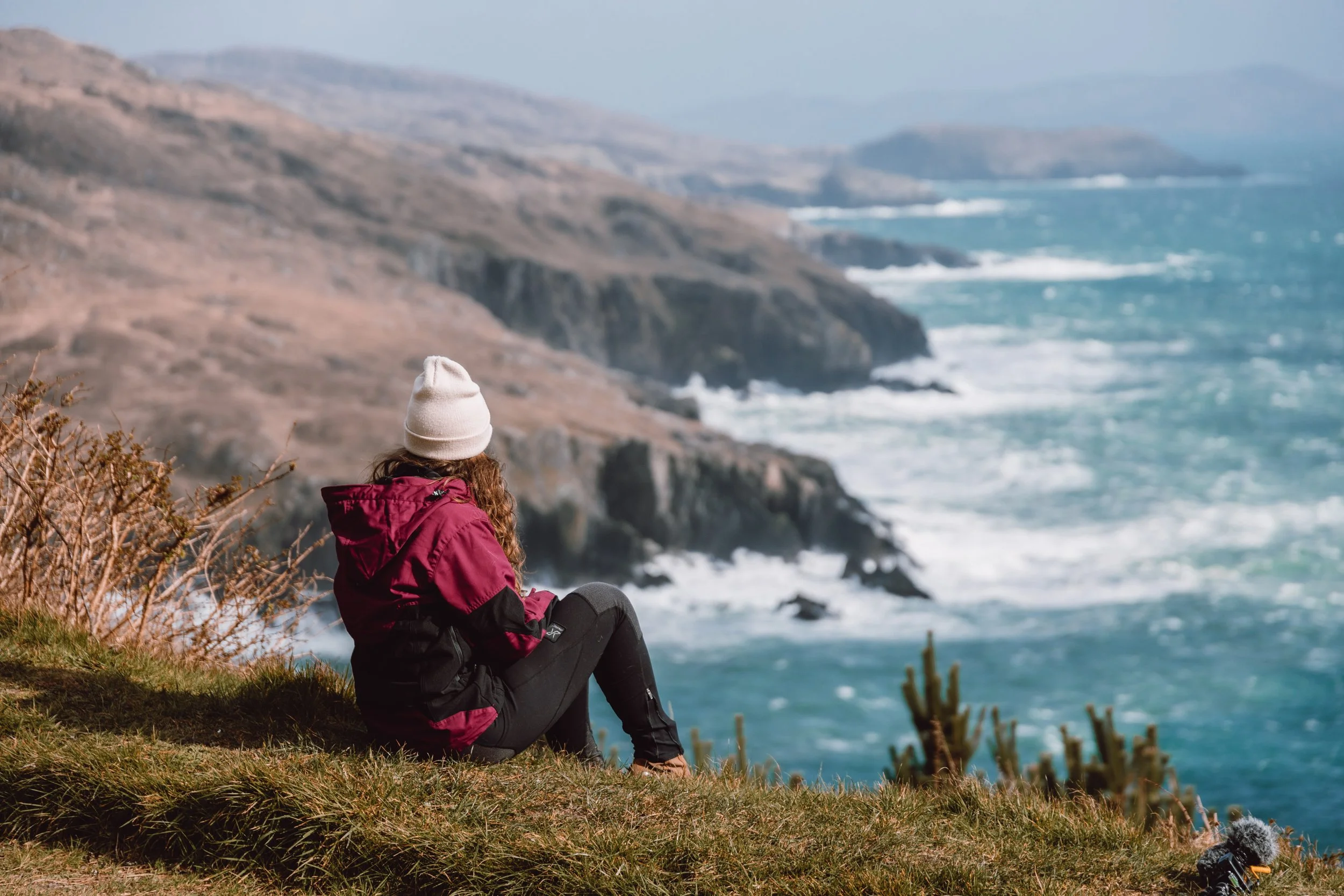
We also drove a narrow lane to visit the Buddhist temple Dzogchen Beara, set in a peaceful cliffside location. The views were breathtaking, and we even spotted dolphins playing in the waves. There’s a small café on site, where I enjoyed a hot chocolate, and Jonny had a ginger beer.
Back at the motorhome in the harbour, we cooked a comforting chilli dinner and reflected on the day. Castletownbere felt like a hidden gem, combining rugged coastline, friendly locals, and quiet spots to enjoy the ocean views.
Castletownbere Highlights:
Free motorhome parking for 48 hours
Bere Island – archaeological sites and hiking trails
Dursey Island – accessible via the old cable car, great for birdwatching
Dzogchen Beara Buddhist temple – peaceful cliffside location with café
Where to Stay | Castletownbere
Campsites – Castletownbere motorhome parking
Hotel / B&B – Sea Breeze B&B Castletownbere and Berehaven Lodge
Distance | 125 km
Driving time | 2 hours
After a stormy night, we stayed in bed a little longer to wait out the rain and wind. Once we were up, we continued along the Wild Atlantic Way toward Glengarriff, stopping along the way to admire the views over Bantry Bay.
Our first adventure was Glengarriff Nature Reserve, a 300-hectare reserve set in a steep-sided glen. We did the Esknamucky walk and the waterfall walk, which climbs up the side of the glen and offers amazing viewpoints over the forest and out to the ocean. The pine scent from the wet forest floor was incredible, and the mosses and lichens covering the sessile oaks made it feel magical. The walk took just under two hours and was the perfect mix of exercise and scenery.
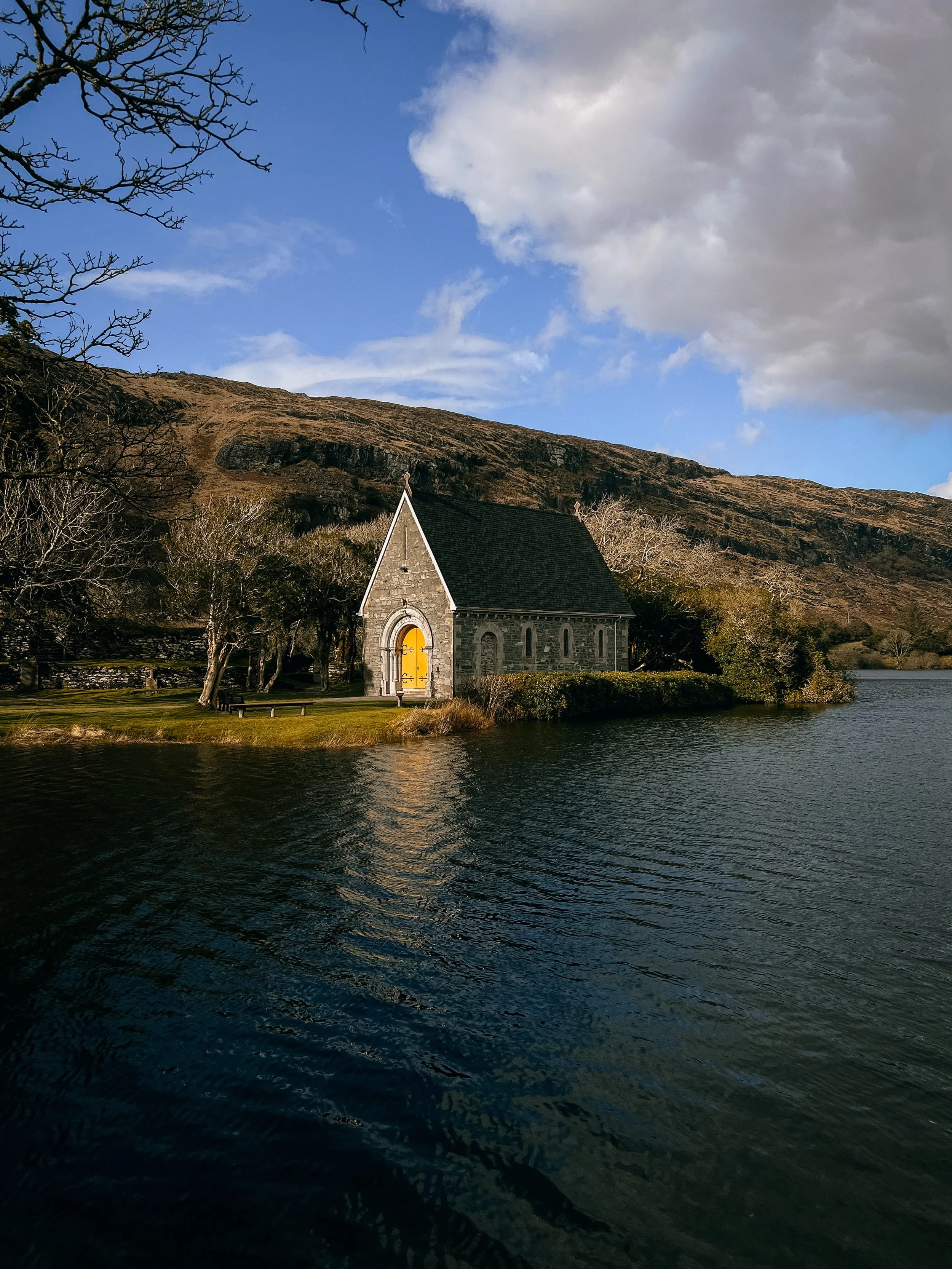
After the walks, we drove a bit further inland to Gougane Barra, a tiny national park with a beautiful church set on a lake inlet. The reflections in the water and the surrounding mountains made it one of the most serene spots on our route. We spent some time taking photos, soaking in the calm atmosphere, and enjoying a quiet moment by the water.
That evening, head to Clonakilty, a multi-award-winning town surrounded by breathtaking nature, with Long Strand Beach (stop at the Fish Basket for fresh food), Red Strand Beach and Inchydoney Beach are all worth a visit. Spend the evening in DeBarra's for live music and a cosy atmosphere.
Where to Stay | Clonakilty
Campsites – Mountain Forge Escape Camping & Glamping
Hotel / B&B – Dunmore House Hotel, Emmet Hotel or Inchydoney Island Lodge & Spa
Distance | 44 km
Driving time | 1 hour
We started the day exploring Courtmacsherry, a charming seaside village on the southwest coast of County Cork. The village stretches along a single long street, backed by thick woodland, with natural bathing coves dotted along the shore. The mild weather made it perfect for a morning stroll, and we loved watching life in the peaceful fishing harbour and admiring the colourful houses.
The Courtmacsherry Coast Loop is a scenic coastal walk that follows the ocean’s edge. The 5 km route takes around an hour and offers lovely sea views throughout. You can also join wildlife watching tours from the village harbour, with the chance to spot dolphins and, even whales at certain times of the year.
For food and drink, Courtmacsherry has several local pubs and cafés such as The Lifeboat Inn and Pier House Bar. It’s an ideal place to stop for lunch or a coffee while soaking up the relaxed village atmosphere.
From here, we continued to the Old Head of Kinsale, a dramatic headland with sweeping views over the Atlantic. The cliffs were impressive and perfect for photography, with the lighthouse adding a classic coastal touch. Walking the cliff paths, feeling the Atlantic breeze, and watching seabirds glide along the coastline was a memorable way to round off the day.
Where to Stay | Kinsale
Campsites - New Road Car Park (overnight tolerated) or Garrettstown House Holiday Park.
Hotel or B&B - Actons Hotel, The Trident Hotel, Kinsale Hotel & Spa
Distance | 45 km
Driving time | 50 minutes
Head north along the south coast to the historic port town of Cobh (pronounced "Cove"), famously the Titanic’s last port of call. Visit the Titanic Experience and bring to life the story of passengers preparing to board, and you can walk in their footsteps.
Blackrock Castle Observatory – Stop in Cork city to discover this 16th century castle that has been transformed into an interactive astronomy centre in a beautiful setting by the river.
Mahon Falls – Optional inland detour for a short hike to this dramatic waterfall, set in lush greenery.
Nohoval Cove – A short drive from Kinsale, this secluded cove is perfect for a peaceful walk on the coast and admire the remarkable geology.
Where to Stay | Cobh
Campsites - Newtown Cove Caravan & Camping Park or park4nights places just outside Waterford
Hotel or B&B - Oakhurst B&B, Fota Island Resort
Distance | 110 km
Driving time | 1.5 hours
Your final day explores the historical Waterford city and the surrounding coast. We parked in the waterside car park, which is suitable for motorhomes.
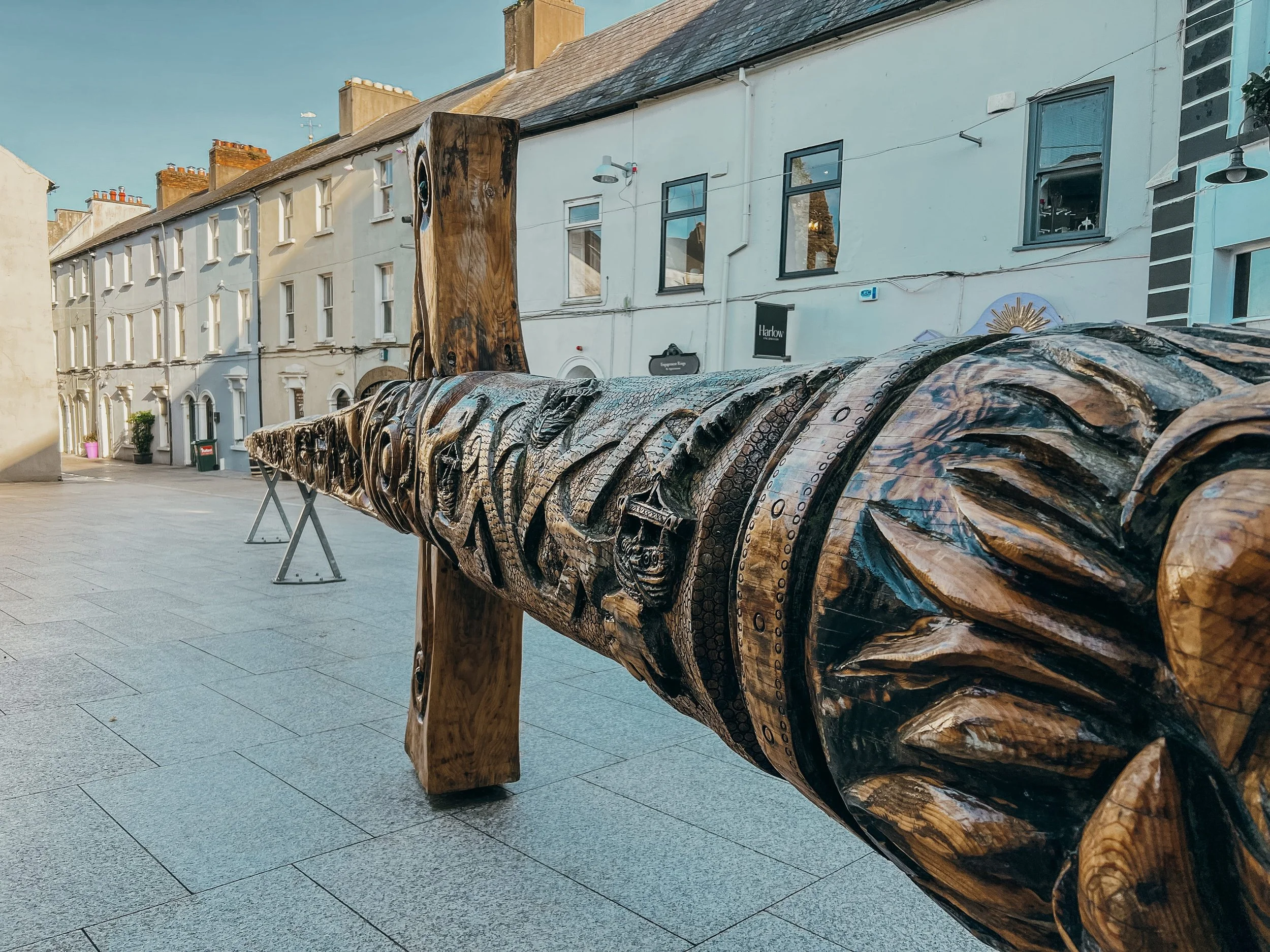
Waterford City – Wander through the Viking Triangle, admire Reginald’s Tower, and enjoy local treats like the blaa bread rolls at Granary Café or Berkana Bakery.
House of Waterford Crystal – Watch master craftsmen at work and take in the city’s sparkling heritage, book a behind-the-scenes tour of the factory.
Tramore Beach – Just south of Waterford, this long sandy beach is perfect for a walk or a quick coffee at Jaspers or the Surf Hut to enjoy the Atlantic waves. It’s also possible to do a surf lesson on the beach with several surf schools nearby.
Hook Lighthouse – Finish your journey by watching the sunset at one of the world’s oldest operational lighthouses on Hook Head.
Kayak around Hook Peninsula - Take to the water by kayak to explore the beautiful coastline, with stunning beaches, towering cliffs and magical sea caves for a memorable moment in nature. Book your kayak adventure tour.
Where to Stay | Waterford
Campsites - GrangeVille CamperVan Park and Bannow Bay Seaside Farm Motorhome Park
Hotel or B&B - Granville Hotel, The Tower Hotel, Arlington Lodge Suites and Waterford Castle Hotel
Distance | 70 km
Driving time | 1 hour driving
If you have some time before your ferry departure, there are a few relaxed stops close to Rosslare Harbour. Johnstown Castle Estate is a lovely place for a gentle walk, with landscaped gardens, woodland trails, and a small museum to explore.
Alternatively, head into Wexford town to wander along the harbourfront, grab a coffee, or stock up on snacks for the journey. For something more outdoorsy, The Raven Nature Reserve is a peaceful coastal spot with pristine beach and a unique pine forest.
Carrigfoyle Quarry is another quieter option if you’re after scenic views and a short walk before heading on.
How long does it take to drive the entire Wild Atlantic Way?
At least 4 weeks to see it properly. Shorter trips mean more driving, less exploring. Best to split into sections and take your time.
How many days do you need to drive the Wild Atlantic Way?
You could technically drive the entire route in about 10–12 days, averaging roughly 200–250 km per day. The Wild Atlantic Way is all about slowing down, and we would recommend focusing on a few areas instead of driving the whole route at this time.
Can you do the Wild Atlantic Way in a motorhome?
Yes, driving the Wild Atlantic Way in a motorhome is a fantastic way to explore, giving you flexibility and freedom. Just be aware that some narrow coastal roads and mountain passes aren’t suitable for larger vehicles. We’ve highlighted these spots throughout our guide.
Can you wild camp in Ireland?
Wild camping is technically not legal in most of Ireland. Still, in practice, many motorhome and campervan travellers find it tolerated in certain quiet spots if you don’t set up typical camping gear like chairs or tables. To be safe, use apps like Park4Night to find recommended motorhome stops or official campsites. Always leave no trace and respect local rules.
Why is the Wild Atlantic Way so popular?
It’s one of the world’s most scenic road trips, with dramatic cliffs, sandy beaches, charming villages, and rich history. For those who love road trips, this one will let you experience all of Ireland’s natural beauty.


Plan your road trip along the Panorama Route in South Africa with our complete guide. We share our exact itinerary, must-see stops, the best time to visit, practical driving tips and an illustrated map to help you plan your trip.