This post may contain affiliate links, which means if you purchase through these links, we may receive a small commission at no cost to you. Thank you for supporting our website.
Jaipur, the capital of Rajasthan, is one of India’s most visited cities and for good reason. With its grand palaces, colourful markets and side streets, historic forts and rich culture, the Pink City is often a first introduction to India for many travellers. However, timing your visit to Jaipur makes a huge difference to your experience.
Extreme heat, festival crowds, winter fog and monsoon humidity can all affect sightseeing, accommodation prices and how enjoyable the city feels day to day. Choosing the best time to visit Jaipur depends on what you want from your trip, whether that is comfortable weather, fewer crowds, cultural festivals or budget travel.
We’ve been exploring India since 2007 and we have seen it change over the years, in this guide we bring together our knowledge to help you plan your perfect adventure to Jaipur.
India is an incredible destination, but planning the right itinerary can be overwhelming.
India Someday creates fully personalised India trips based on your travel style, handling all logistics and planning so you can focus on the experience and enjoy a stress-free journey.
Get 15% off India Someday planning fees by using code 'FOA'.
This guide breaks down the best time to visit Jaipur by month, including weather, crowds, festivals and practical travel advice, so you can decide exactly when to go.
How to Use This Guide
Use the Contents table below to jump to any section. Click a heading in the guide to return to the top and continue exploring.
Contents
The best time to visit Jaipur is from October to March, when temperatures are cooler, humidity is low and sightseeing is far more comfortable.
During these months, daytime temperatures are ideal for exploring forts, palaces and markets, and evenings are pleasant enough to enjoy rooftop restaurants and cultural performances. This period also coincides with many of Jaipur’s biggest festivals, making it an exciting time to visit.
That said, peak season also means higher prices and larger crowds, particularly from December to February. If you are flexible, the shoulder months of October and March often offer the best balance of weather and crowd levels.
Jaipur has a semi-arid desert climate, with extreme seasonal variation. Understanding the weather is essential when planning a trip.
Summer (April to June) | Extremely hot, dry heat, temperatures often exceed 40°C
Monsoon (July to September) | Hot and humid with intermittent rainfall
Winter (October to March) | Mild days, cool evenings, lowest humidity
Unlike coastal cities, Jaipur does not benefit from sea breezes, so the heat can feel intense during the summer months.
Jaipur’s climate changes dramatically throughout the year, from cool winter mornings to extreme summer heat and humid monsoon months. Breaking down the best time to visit Jaipur by month makes it easier to plan your trip around weather, crowds, festivals and travel comfort. Below is a month-by-month guide to what you can realistically expect when visiting Jaipur, helping you choose the best time to go based on your travel style and priorities.
Jaipur in January
Average temperature | 8°C to 22°C
January is one of the best months to visit Jaipur. Days are cool and comfortable, making sightseeing easy, while evenings can be chilly, especially early in the month.
This is peak tourist season, so expect higher hotel prices and busy attractions, particularly around Amer Fort and the City Palace. Early mornings can sometimes be foggy, which may affect sunrise visits.
Best for | Sightseeing, first-time visitors, cultural travel
Good to know | Book accommodation well in advance
Jaipur in February
Average temperature | 10°C to 25°C
February offers similar conditions to January but with slightly warmer days and fewer foggy mornings. The city feels lively without being as hectic as during the Christmas and New Year period.
This is also when festivals like the Jaipur Literature Festival take place, attracting visitors from across India and abroad.
Best for | Festivals, photography, comfortable weather
Good to know | Festival dates can cause accommodation prices to spike
Jaipur in March
Average temperature | 15°C to 30°C
March is a shoulder month and a great time to visit Jaipur. Days are warmer but still manageable, and crowds start to thin slightly towards the end of the month.
Holi, the festival of colours, often falls in March and is celebrated enthusiastically across Jaipur. While it is an incredible cultural experience, it can disrupt travel plans for a day or two.
Best for | Cultural experiences, fewer crowds, shoulder season value
Good to know | Holi celebrations can be chaotic
Jaipur in April
Average temperature | 20°C to 36°C
April marks the beginning of the intense summer heat. While mornings and evenings are still pleasant, midday sightseeing becomes uncomfortable.
This is when prices begin to drop, making it appealing for budget travellers who can tolerate the heat.
Best for | Budget travel, quieter attractions
Good to know | Plan sightseeing early in the morning or late afternoon
Jaipur in May
Average temperature | 25°C to 42°C
May is one of the hottest months in Jaipur and is generally not recommended unless you are accustomed to extreme heat.
Outdoor sightseeing during the day is exhausting, and many travellers struggle with the temperatures. However, hotels offer significant discounts and tourist sites are far less crowded.
Best for | Experienced travellers, luxury hotels at lower prices
Good to know | Heat exhaustion is a real risk
Jaipur in June
Average temperature | 28°C to 43°C
June remains extremely hot, although occasional pre-monsoon showers can bring short-lived relief. This is off-season for tourism, and the city feels noticeably quieter.
Best for | Budget-focused travel
Good to know | Not ideal for extensive sightseeing
Jaipur in July
Average temperature | 26°C to 35°C
July marks the start of the monsoon season. Rainfall is usually short and heavy rather than constant, but humidity increases significantly.
The city becomes greener, and crowds are minimal, but road conditions and visibility at forts can be affected after rain.
Best for | Off-season travel, photography
Good to know | Humidity can be uncomfortable
Jaipur in August
Average temperature | 25°C to 34°C
August continues the monsoon season, with similar conditions to July. While it is not the best time for sightseeing-heavy itineraries, Jaipur is still very much open to visitors.
Hotel prices remain low, and attractions are quiet.
Best for | Slow travel, fewer crowds
Good to know | Rain can disrupt day trips
Jaipur in September
Average temperature | 23°C to 33°C
September is a transitional month. Rainfall decreases, humidity starts to drop, and the city gradually becomes more comfortable.
This is a good time to visit if you want better weather without peak-season crowds.
Best for | Shoulder season travel
Good to know | Weather can still be unpredictable early in the month
Jaipur in October
Average temperature | 18°C to 32°C
October is one of the best months to visit Jaipur. The monsoon has ended, the air is clearer, and temperatures are ideal for exploring.
Tourism begins to pick up again, but it is not yet overwhelming.
Best for | Sightseeing, photography, first-time visitors
Good to know | Prices start rising again
Jaipur in November
Average temperature | 12°C to 28°C
November offers excellent weather with cool mornings and warm afternoons. This is peak season without the extreme crowds seen in December.
Best for | Relaxed sightseeing, outdoor activities
Good to know | Popular hotels fill quickly
Jaipur in December
Average temperature | 8°C to 25°C
December is one of the most popular months to visit Jaipur. The weather is ideal, and the festive season brings a lively atmosphere.
Expect crowds at major attractions and higher accommodation prices, especially around Christmas and New Year.
Best for | Winter sun, cultural travel
Good to know | Early booking is essential
Jaipur hosts several major festivals throughout the year, and timing your visit around one of them can add a memorable cultural layer to your trip. Festivals bring the city to life with colour, music and local traditions, but they also attract larger crowds and can push up accommodation prices.
Jaipur Literature Festival | January or February
One of the world’s largest literary festivals, drawing authors, thinkers and visitors from across the globe. Hotels often sell out well in advance during this period.Holi | March
A vibrant and energetic celebration of colour and spring. While unforgettable, it can feel chaotic for first-time visitors and is best experienced with a local guide or organised event.Diwali | October or November
Jaipur is beautifully decorated during Diwali, with lights, fireworks and family celebrations across the city. Travel demand and prices increase around festival dates.Teej Festival | July or August
A traditional monsoon festival celebrated mainly by local women, featuring processions, music and cultural performances.
Visiting Jaipur during festival periods adds depth and atmosphere to your experience, but it is worth booking accommodation early and planning around busier attractions.
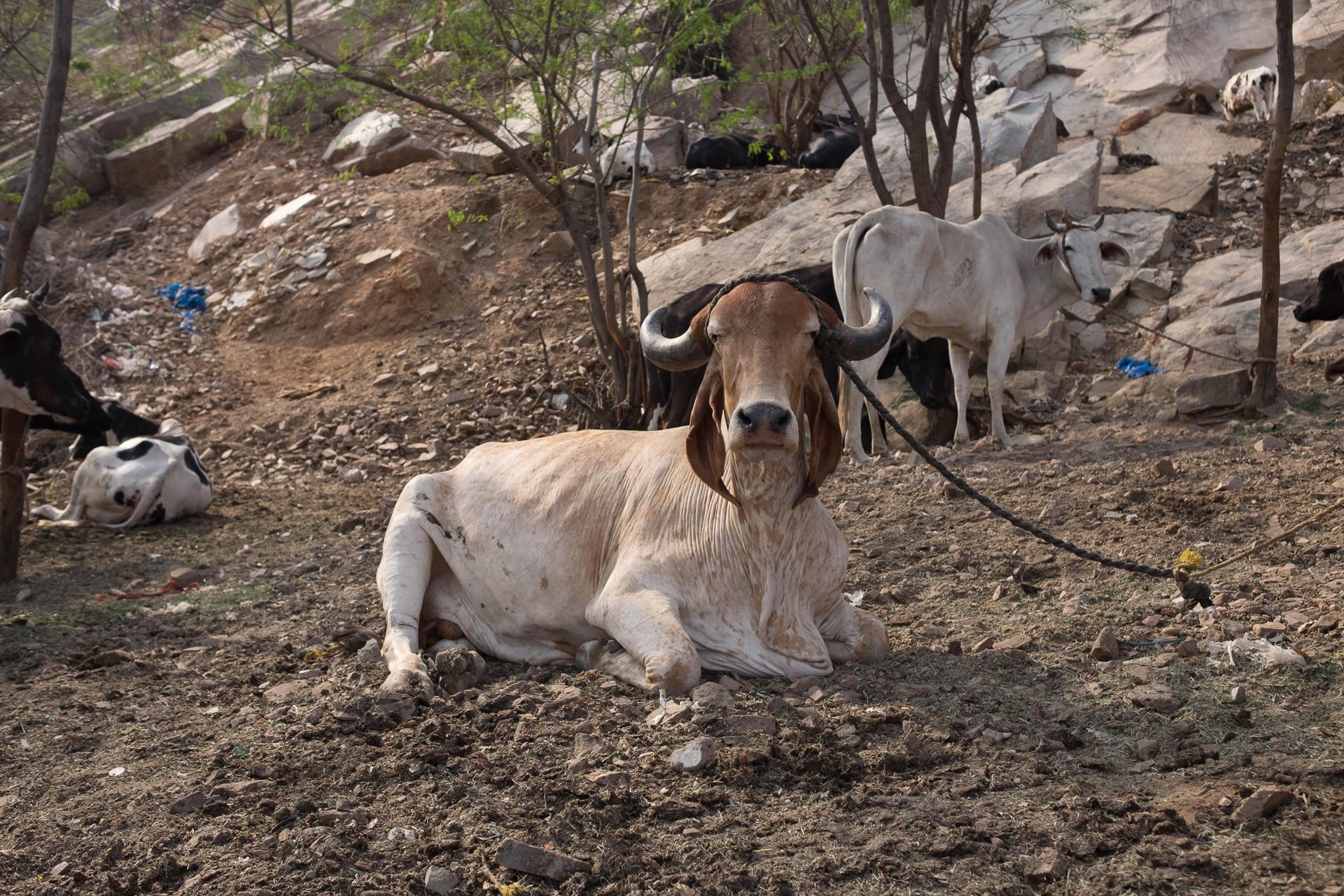
If you want to experience Jaipur with fewer crowds, quieter attractions and a more relaxed pace, timing your visit outside peak winter months is key. Jaipur’s busiest period runs from December to January, when cooler weather coincides with school holidays, international travel and major festivals.
The best times to visit Jaipur to avoid crowds are:
Late March | Tourist numbers begin to drop after the winter peak, and while temperatures rise, mornings and evenings are still comfortable for sightseeing.
September | A shoulder season month when the monsoon starts to ease, greenery returns to the landscape and visitor numbers remain low.
Early October | One of the best compromise months, offering improving weather without the heavy crowds of peak season.
Try to avoid visiting during:
December and January, especially around Christmas and New Year
Major festival weeks, when hotels sell out quickly and popular sights become congested
Visiting during shoulder season allows you to enjoy Jaipur’s landmarks with more breathing room, better availability and often lower accommodation prices.
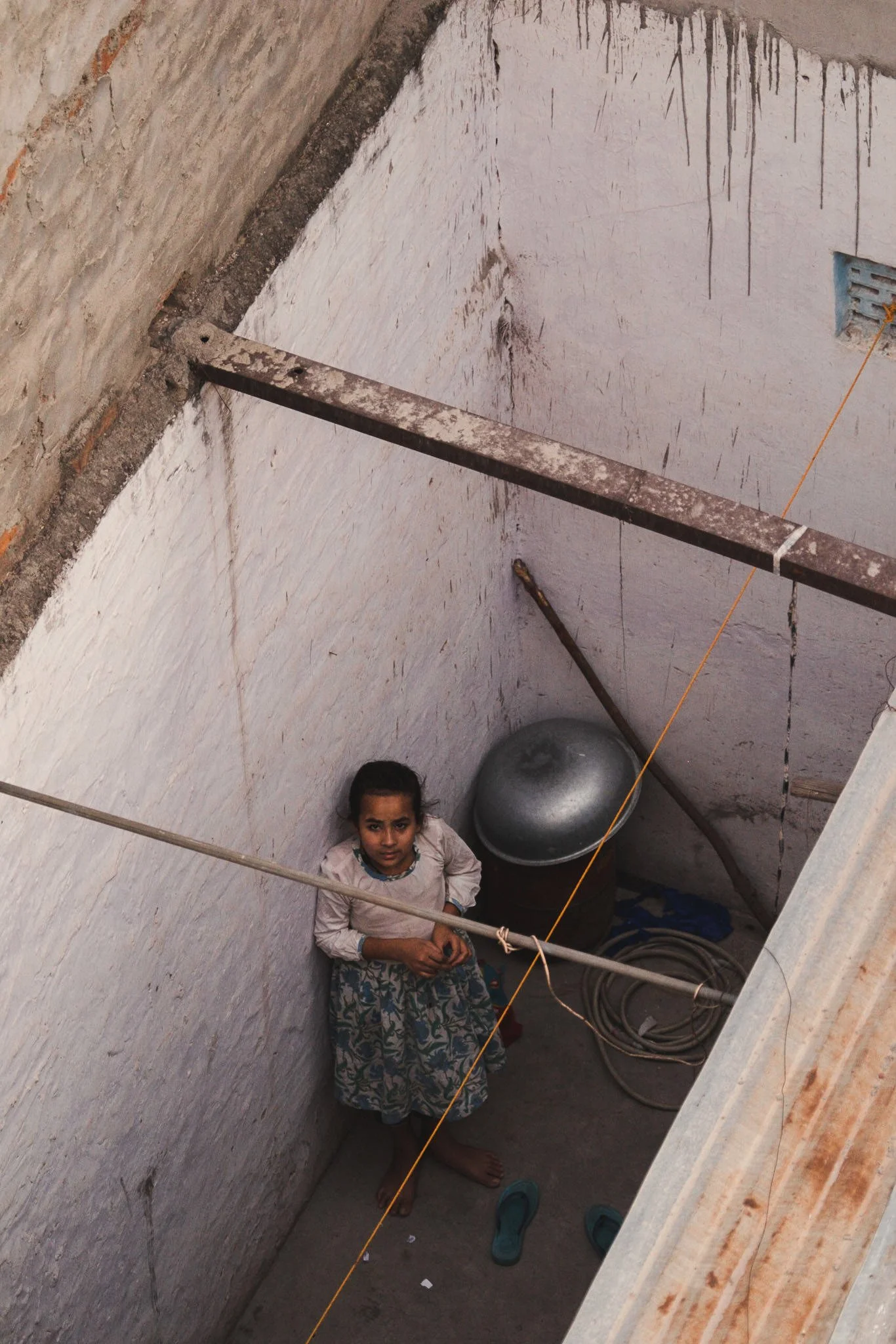
May and June are widely considered the worst months to visit Jaipur due to extreme heat. Daytime temperatures frequently exceed 40°C, making outdoor sightseeing uncomfortable and sometimes unsafe, particularly in the middle of the day.
During these months:
Forts and palaces offer limited shade
Walking between attractions can be exhausting
Many travellers restrict sightseeing to early mornings or evenings
While May and June do bring fewer crowds and lower hotel prices, they are best suited to experienced travellers who are comfortable with high temperatures and can plan their days carefully around the heat.
For first-time visitors, October to March offers the most comfortable and rewarding introduction to Jaipur and India. During these months, cooler temperatures make it far easier to explore forts, palaces and markets without the physical strain caused by extreme heat.
This period also coincides with Jaipur’s most vibrant cultural season, with festivals, events and clear skies enhancing the overall experience. Travelling during winter or early spring helps reduce many of the common challenges first-time visitors face in India, including heat fatigue and limited sightseeing hours.
If possible, October, November and February provide the best balance of pleasant weather and manageable crowd levels.
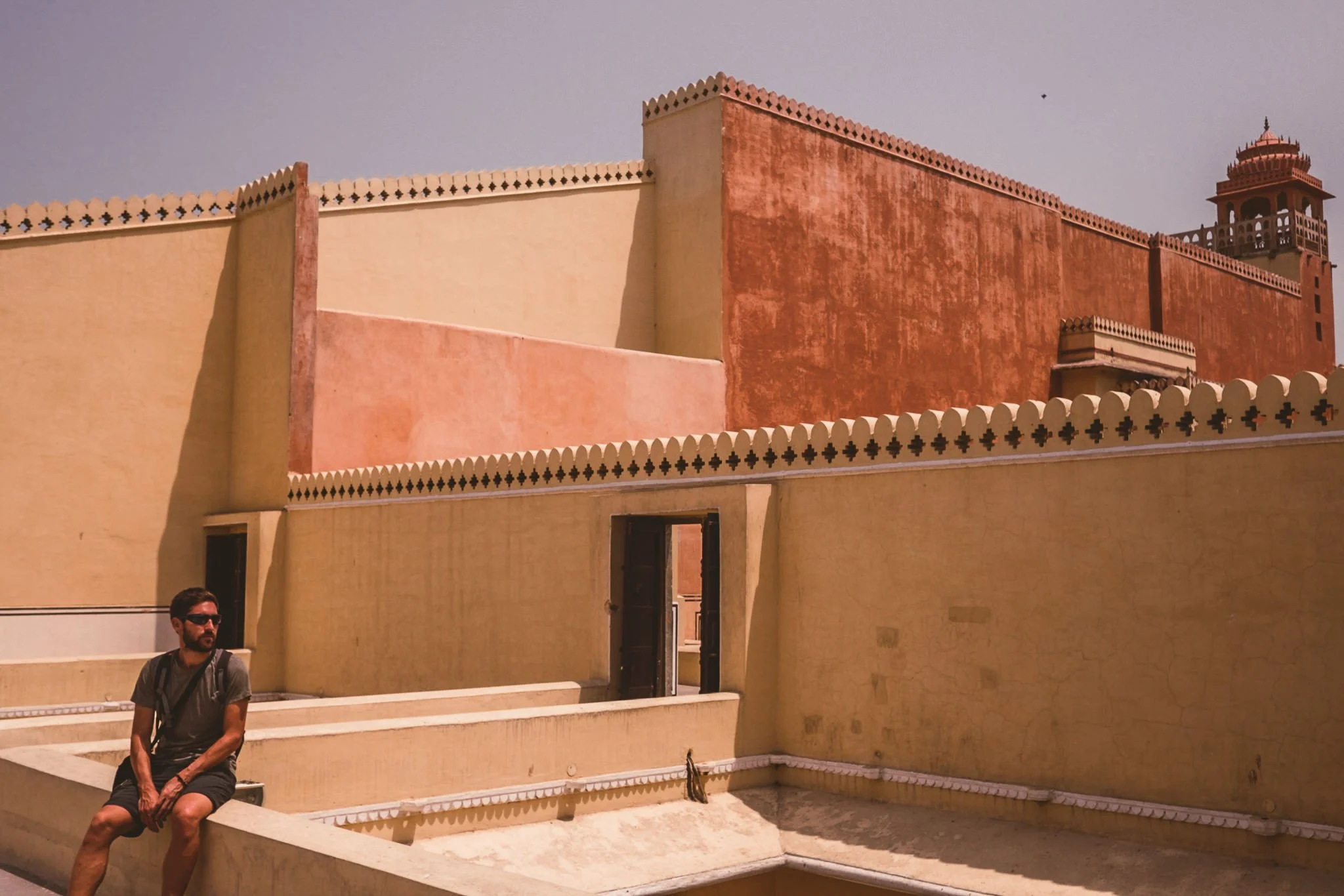
Jaipur has a range of luxury hotels that combine comfort, style and traditional Rajasthani architecture. Staying in a central or heritage property allows you to experience the city’s charm while being close to key attractions like Amer Fort, City Palace and the vibrant bazaars.
Taj Rambagh Palace
Often referred to as the “Jewel of Jaipur,” this heritage palace offers opulent rooms, lush gardens and world-class service. Guests can enjoy guided tours of the palace, fine dining, and a serene pool area. Ideal for travellers seeking a truly regal experience.
The Oberoi Rajvilas
A luxurious retreat set in traditional Rajasthani architecture, featuring private villas with plunge pools, sprawling gardens and attentive butler service. The Oberoi Rajvilas is perfect for those who want a peaceful stay while still being within reach of Jaipur’s main sights.
ITC Rajputana
A blend of heritage and modern luxury, ITC Rajputana offers grand rooms, multiple dining options and a rooftop pool with panoramic views of the city. Its central location makes it a convenient base for exploring Jaipur’s palaces and markets.
Looking for something different? The use our interactive map below to book your perfect stay.
Most travellers find that 2 to 3 days in Jaipur is ideal, allowing enough time to see the city’s highlights without feeling rushed.
Day 1 | Explore the historic centre, including the City Palace, Jantar Mantar and Hawa Mahal, followed by time in the old city markets.
Day 2 | Visit Amer Fort and Jaigarh Fort, with time for scenic viewpoints and relaxed exploration.
Day 3 | Slow the pace with additional sightseeing, cultural experiences or a short day trip outside the city.
This timeframe works well for both first-time visitors and those combining Jaipur with other destinations in Rajasthan or the Golden Triangle.
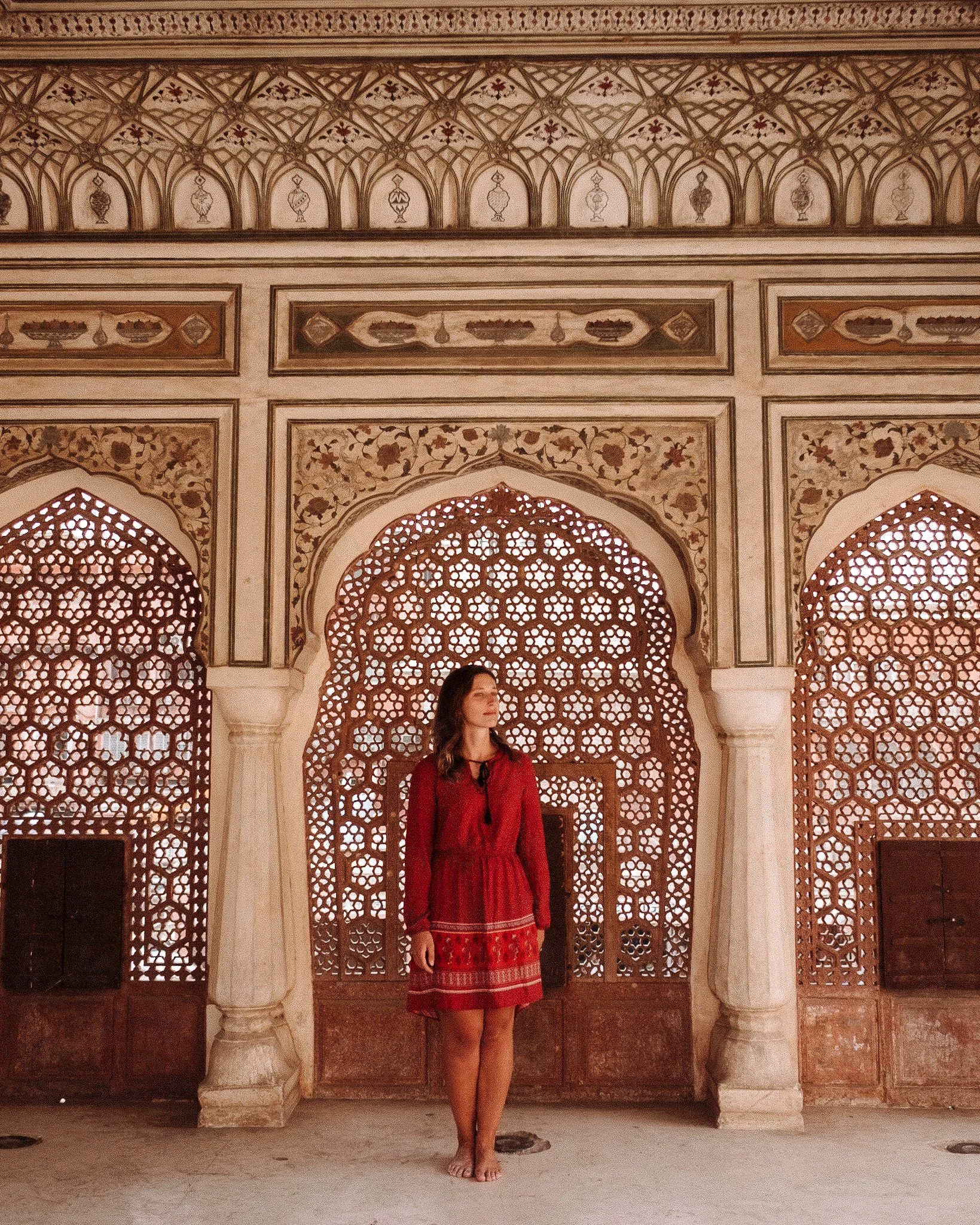
Packing appropriately for Jaipur’s climate will make a noticeable difference to how comfortable your trip feels, especially if you plan to spend long days sightseeing.
Winter (October to March) | Pack light layers, a thin jacket or jumper for cool mornings and evenings, and comfortable walking shoes for exploring forts, palaces and markets. Temperatures drop after sunset, particularly in December and January, so an extra layer is essential.
Summer (April to June) | Choose loose, breathable cotton or linen clothing to cope with the intense heat. Sun protection is crucial, including a hat, sunglasses and high-SPF sunscreen. A reusable water bottle is highly recommended to stay hydrated while sightseeing.
Monsoon (July to September) | Bring waterproof or quick-drying footwear, a lightweight rain jacket and breathable clothing that handles humidity well. Roads and pavements can become slippery after rain, so good grip on footwear is important.
This seasonal approach helps you stay comfortable in Jaipur’s changing climate and plan your wardrobe around realistic weather conditions rather than averages alone.
Is Jaipur worth visiting all year round?
Jaipur can be visited year round, but the experience varies significantly by season. Winter and shoulder months offer the most comfortable sightseeing conditions, while summer and monsoon travel require more planning and flexibility.
What is the hottest month in Jaipur?
May is typically the hottest month in Jaipur, with daytime temperatures often exceeding 40°C. Outdoor sightseeing during the middle of the day can be extremely uncomfortable during this period.
What is the coldest month in Jaipur?
January is usually the coldest month in Jaipur. While daytime temperatures remain pleasant, early mornings and evenings can be surprisingly chilly, especially for travellers not expecting cold weather in India.
Is Jaipur safe to visit during the monsoon season?
Yes, Jaipur is generally safe to visit during the monsoon season. Rainfall is usually short and heavy rather than constant. However, humidity is higher and road conditions can be affected after heavy rain.
Is summer a bad time to visit Jaipur?
Summer is not ideal for most travellers due to extreme heat, particularly in May and June. However, if you are comfortable with high temperatures, summer offers fewer crowds and lower accommodation prices.
What is the best month to visit Jaipur for sightseeing?
October, November and February are considered the best months for sightseeing in Jaipur. These months offer comfortable daytime temperatures and good visibility at major attractions.
When is Jaipur most crowded?
Jaipur is busiest between December and January, particularly around Christmas, New Year and major festivals. Popular attractions such as Amer Fort and the City Palace can feel very crowded during this time.
Is Jaipur expensive during peak season?
Yes, prices for hotels and tours are higher during peak season from October to March, with the most noticeable increases in December and January. Booking accommodation in advance can help reduce costs.
How many days do you need in Jaipur?
Most travellers find that 2 to 3 days is enough to see Jaipur’s main attractions, including forts, palaces and markets, without feeling rushed.
Is Jaipur a good destination for first-time visitors to India?
Yes, Jaipur is one of the best destinations in India for first-time visitors. It offers a well-developed tourist infrastructure, iconic landmarks and a manageable introduction to Indian culture, especially when visited in the cooler months.
India is an incredible destination, but planning the right itinerary can be overwhelming.
India Someday creates fully personalised India trips based on your travel style, handling all logistics and planning so you can focus on the experience and enjoy a stress-free journey.
Get 15% off India Someday planning fees by using code 'FOA'.
Plan your next adventure
If you book through our links, you help support our website at no extra cost to you - thank you!