We have included links which may contain an affiliate link and if you decide to purchase any products through these links we will receive a small commission at no extra cost to you from the sale.
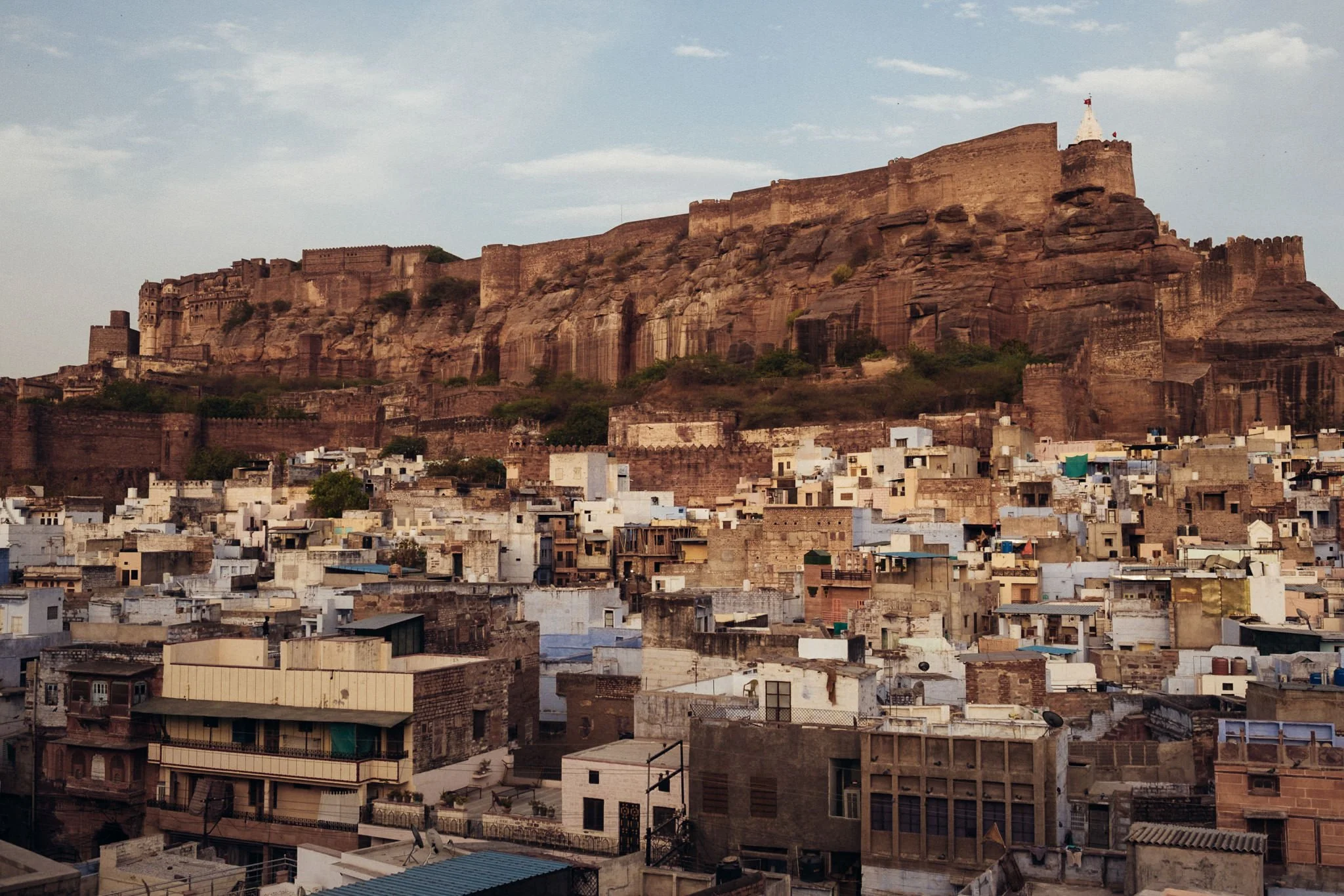
Jodhpur, known as the Blue City, is one of Rajasthan’s most striking destinations. Rising from the edge of the Thar Desert, the city is crowned by the mighty Mehrangarh Fort and wrapped in a maze of blue-painted houses, bustling markets, historic palaces and desert landscapes. For many travellers, Jodhpur is a highlight of Rajasthan and a key stop on a first trip to India.
However, choosing the best time to visit Jodhpur is essential. As a desert city, Jodhpur experiences extreme seasonal changes, from intense summer heat to surprisingly cool winter mornings and humid monsoon months. Weather conditions can dramatically affect how comfortable sightseeing feels, how long you can stay outdoors, and even how much you pay for accommodation.
We’ve been travelling in India since 2007 and have explored Jodhpur as part of wider Rajasthan trips, Golden Triangle routes and slow travel journeys through northern India. In this guide, we bring together our first-hand experience and practical research to help you decide exactly when to visit Jodhpur.
India is an incredible destination, but planning the right itinerary can be overwhelming.
India Someday creates fully personalised India trips based on your travel style, handling all logistics and planning so you can focus on the experience and enjoy a stress-free journey.
Get 15% off India Someday planning fees by using code 'FOA'.
This complete guide breaks down the best time to visit Jodhpur by month, including weather, crowds, festivals, costs and travel tips. Whether you are visiting Jodhpur for the first time, planning a Rajasthan itinerary or looking for quieter travel periods, this guide will help you plan the perfect time to go.
How to Use This Guide
Use the Contents table below to jump to any section. Click a heading in the guide to return to the top and continue exploring.
Contents
The best time to visit Jodhpur is from October to March, when temperatures are cooler, humidity is low and sightseeing is far more comfortable.
During these months, daytime temperatures are ideal for exploring Mehrangarh Fort, wandering through the Blue City, visiting Jaswant Thada and browsing the markets around Clock Tower. Evenings are pleasant, making rooftop restaurants and sunset viewpoints particularly enjoyable.
This period also aligns with Jodhpur’s cultural high season, with festivals, events and clear desert skies enhancing the overall experience. However, it is also peak tourist season, meaning higher accommodation prices and increased crowds, particularly from December to January.
If you want a balance of good weather and fewer crowds, October and March are excellent shoulder months that still offer comfortable conditions without the busiest peak-season pressure.
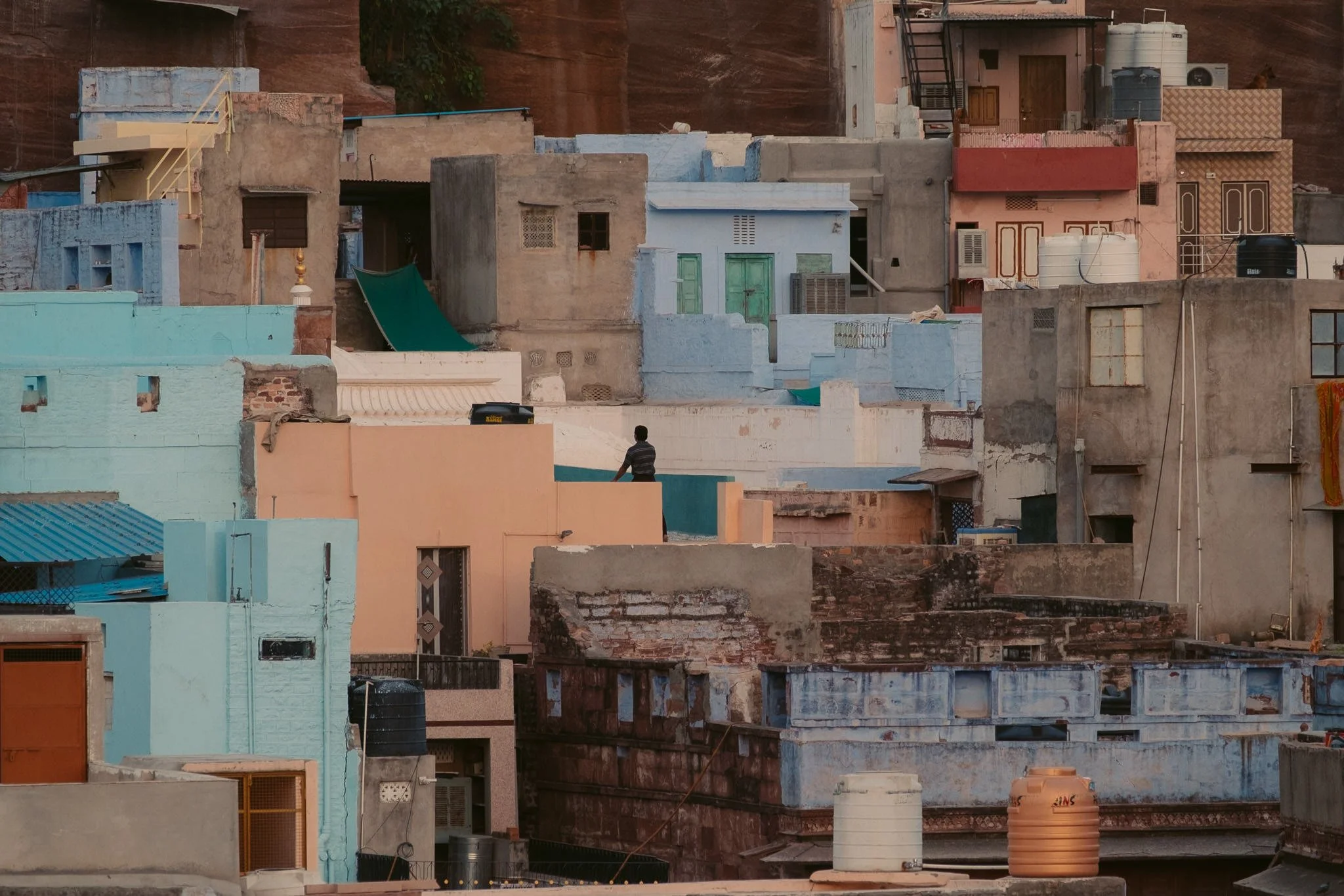
Jodhpur has a hot desert climate with extreme seasonal variation. Unlike coastal or hill destinations, Jodhpur does not benefit from cooling sea breezes or altitude, which means temperatures can feel intense, particularly in summer.
Understanding Jodhpur’s weather patterns is essential for planning a comfortable trip.
Summer (April to June) | Extremely hot and dry, with temperatures frequently exceeding 40°C
Monsoon (July to September) | Hot and humid with intermittent rainfall
Winter (October to March) | Mild days, cool evenings and early mornings, lowest humidity
Because Jodhpur sits on the edge of the Thar Desert, heat is a major factor when planning sightseeing. Shade is limited in many areas, and walking between attractions can feel exhausting during hotter months.

Jodhpur’s climate changes dramatically throughout the year. Breaking down the best time to visit Jodhpur by month helps you plan around weather, crowds, festivals and travel comfort. Below is a realistic month-by-month overview of what to expect.
Jodhpur in January
Average temperature | 8°C to 22°C
January is one of the best months to visit Jodhpur. Days are cool and comfortable, perfect for exploring Mehrangarh Fort and walking through the Blue City. Evenings and early mornings can be chilly, especially if you are not expecting cold weather in the desert.
This is peak tourist season, so expect busy attractions and higher hotel prices.
Best for | Sightseeing, first-time visitors, photography
Good to know | Pack warm layers for mornings and evenings
Jodhpur in February
Average temperature | 10°C to 25°C
February offers slightly warmer days and fewer cold mornings than January. Weather conditions are excellent for sightseeing, and the city feels lively without being overwhelming.
This is a popular month for cultural travel and desert experiences outside the city.
Best for | Comfortable weather, festivals, outdoor exploration
Good to know | Accommodation fills quickly during festival periods
Jodhpur in March
Average temperature | 15°C to 30°C
March is a shoulder month and a great time to visit Jodhpur. Temperatures begin to rise, but sightseeing remains comfortable, especially earlier in the day.
Holi celebrations often fall in March and are widely celebrated in Jodhpur, offering a vibrant cultural experience.
Best for | Shoulder season travel, cultural experiences
Good to know | Holi can disrupt travel for a day or two
Jodhpur in April
Average temperature | 20°C to 36°C
April marks the start of the intense desert heat. While mornings and evenings are still manageable, midday sightseeing becomes challenging.
Crowds thin significantly, and accommodation prices begin to drop.
Best for | Budget-conscious travellers
Good to know | Plan activities early or late in the day
Jodhpur in May
Average temperature | 25°C to 42°C
May is one of the hottest months in Jodhpur and is generally not recommended for most travellers. The heat can be overwhelming, and outdoor sightseeing is exhausting.
However, luxury hotels often offer significant discounts.
Best for | Experienced travellers, hotel-focused stays
Good to know | Heat exhaustion is a serious risk
Jodhpur in June
Average temperature | 28°C to 43°C
June remains extremely hot, although occasional pre-monsoon showers can bring brief relief. Tourist numbers are very low.
Best for | Off-season travel
Good to know | Not ideal for sightseeing-heavy itineraries
Jodhpur in July
Average temperature | 26°C to 35°C
July marks the start of the monsoon season. Rainfall is usually short and heavy, but humidity rises sharply.
The desert landscape becomes greener, offering a different visual experience.
Best for | Photography, off-season travel
Good to know | Humidity can feel uncomfortable
Jodhpur in August
Average temperature | 25°C to 34°C
August continues the monsoon pattern. Attractions remain open, and crowds are minimal.
Best for | Slow travel, fewer crowds
Good to know | Rain can disrupt day trips
Jodhpur in September
Average temperature | 23°C to 33°C
September is a transition month as rainfall decreases and humidity slowly drops.
Best for | Shoulder season value
Good to know | Early September can still feel humid
Jodhpur in October
Average temperature | 18°C to 32°C
October is one of the best months to visit Jodhpur. Clear skies, pleasant temperatures and improving travel conditions make it ideal for sightseeing.
Best for | First-time visitors, photography
Good to know | Prices start rising again
Jodhpur in November
Average temperature | 12°C to 28°C
November offers excellent weather with cooler mornings and warm afternoons. It is peak season without the extreme crowds of December.
Best for | Relaxed sightseeing
Good to know | Popular hotels book out early
Jodhpur in December
Average temperature | 8°C to 25°C
December is one of the busiest months in Jodhpur. Weather conditions are ideal, but crowds and prices peak, especially around Christmas and New Year.
Best for | Winter sun, cultural travel
Good to know | Book accommodation well in advance
Jodhpur hosts several cultural festivals that can add depth and atmosphere to your visit. Festival periods are exciting but often bring higher prices and increased crowds.
Rajasthan International Folk Festival | October
Held at Mehrangarh Fort, this festival celebrates traditional music and performances from Rajasthan and beyond.
Marwar Festival | September or October
A cultural celebration of Rajasthani heritage, music and dance.
Holi | March
Colourful and energetic celebrations across the city.
Diwali | October or November
City-wide celebrations, lights and fireworks.
Festival travel requires early planning, but it can be one of the most memorable ways to experience Jodhpur.
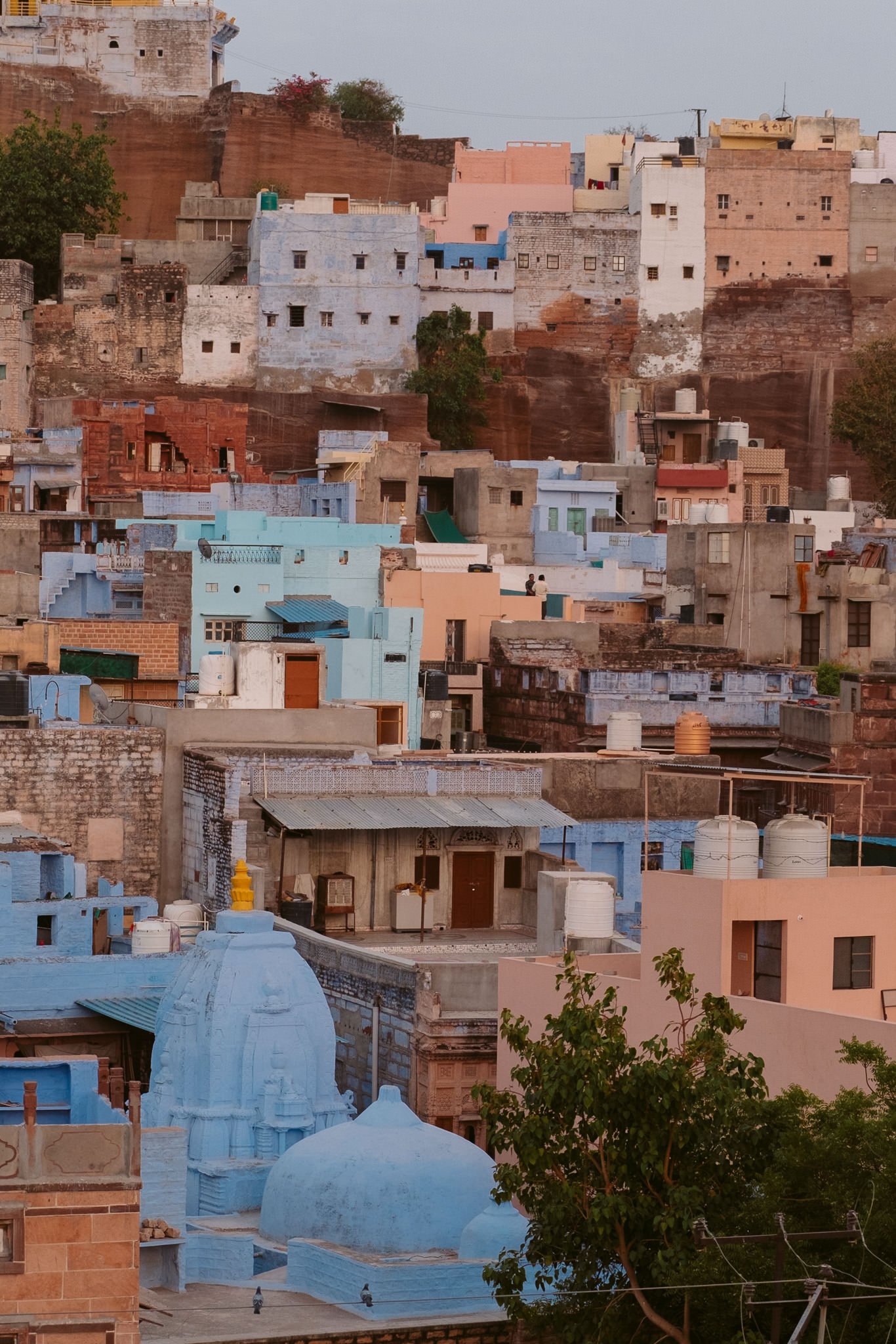
If experiencing Jodhpur at a relaxed pace is a priority, timing your visit outside the peak winter months is essential. The city’s busiest period runs from December to January, when cooler temperatures coincide with school holidays, international travel, and major festivals. During this time, attractions like Mehrangarh Fort and the Blue City streets can feel crowded, and hotel prices are at their highest.
The best times to visit Jodhpur to avoid crowds are:
Late March | Tourist numbers begin to drop after the winter peak. Days are warmer but still comfortable, making sightseeing more enjoyable without the throngs of visitors.
September | A shoulder season month when the monsoon starts to ease, greenery returns to the landscape, and popular attractions remain quiet.
Early October | Offers a great compromise between improving weather and manageable crowd levels, before the high season begins.
Try to avoid:
December and January, especially around Christmas, New Year, and festival weeks
Major festival periods, when hotels sell out quickly and popular sites are congested
Visiting during shoulder months allows you to explore Jodhpur’s landmarks with more breathing room, better availability, and often lower accommodation prices, while still enjoying pleasant weather.
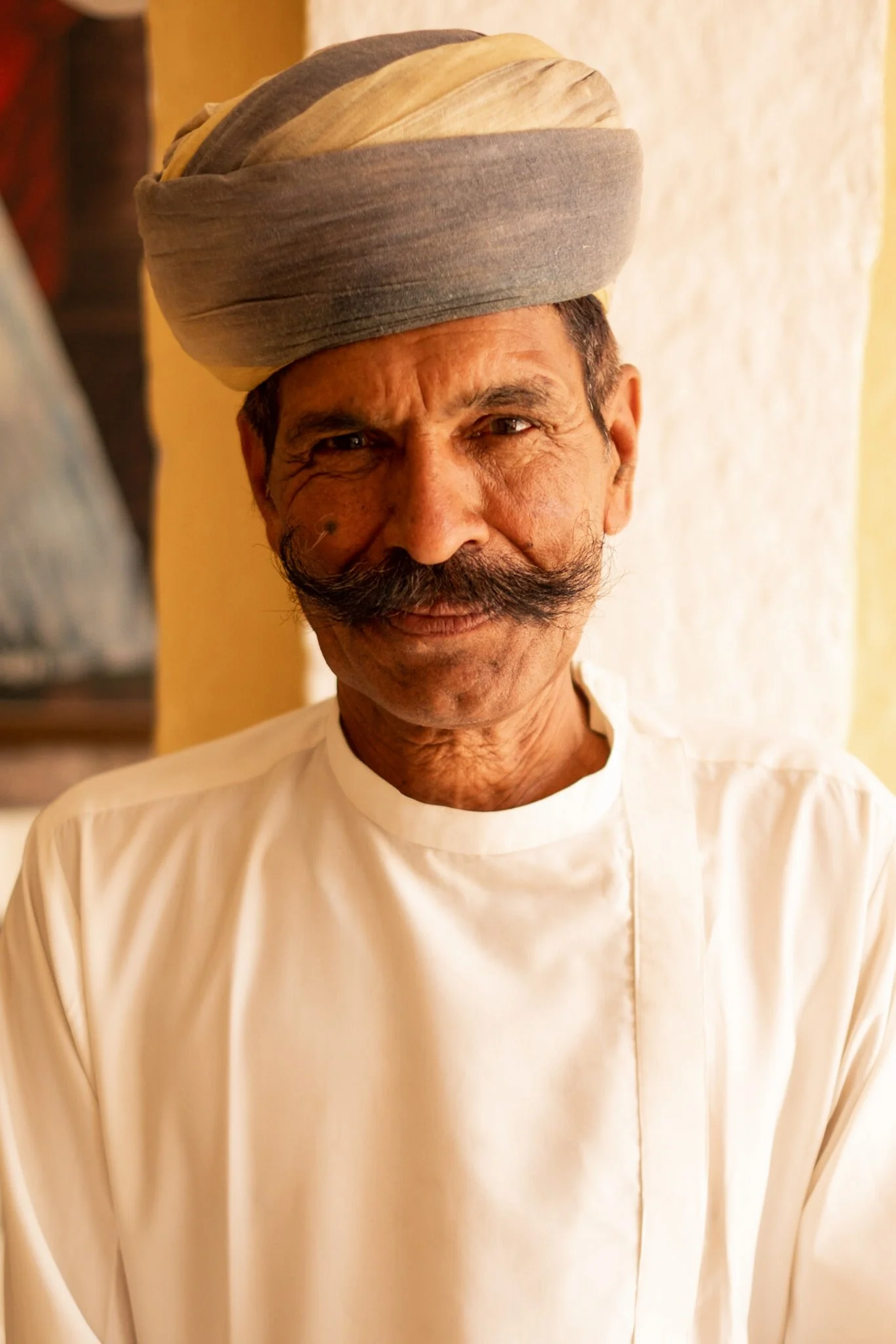
The hottest months in Jodhpur are May and June, and they are widely considered the least comfortable time to visit the city. Daytime temperatures frequently exceed 40°C, making outdoor sightseeing physically demanding and sometimes unsafe, particularly during the middle of the day.
During this period:
Walking between attractions like Mehrangarh Fort and the old city can be exhausting
Roof-top viewpoints and open-air markets are less enjoyable due to the intense sun
Some travellers may prefer to limit their exploration to early mornings and late afternoons
While hotel prices are lower and crowds are minimal, these months are generally recommended only for travellers experienced with extreme heat who can carefully plan their days and stay well-hydrated.
For most visitors, avoiding May and June ensures a safer, more comfortable, and more enjoyable Jodhpur experience.
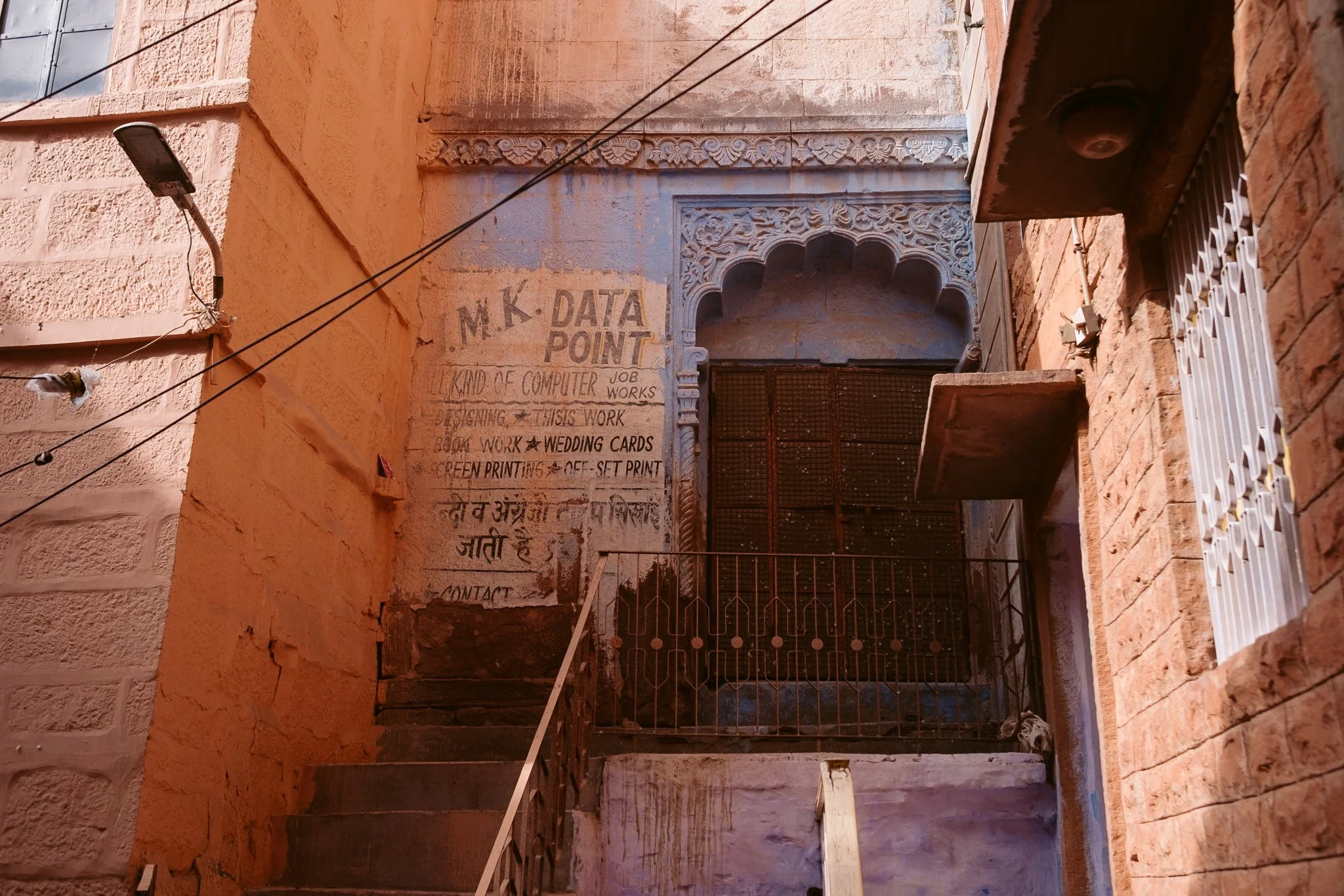
For first-time visitors to Jodhpur, October to March is the ideal period to experience the city comfortably and fully. During these months, daytime temperatures are mild, evenings are pleasantly cool, and the desert heat is far less oppressive, making sightseeing in forts, palaces, and the winding streets of the Blue City much more enjoyable.
October, November and February strike the perfect balance between good weather and manageable crowd levels. Visiting during this period allows you to explore the main attractions without being overwhelmed by high-season tourist numbers, while still enjoying clear skies and vibrant local life.
Travelling during these months also coincides with key cultural events and festivals, giving first-time visitors a richer and more memorable introduction to Jodhpur and Rajasthani culture.
Whether you’re wandering through Mehrangarh Fort, shopping in Sardar Market, or enjoying a rooftop view over the Blue City, winter and early spring ensure your first trip to Jodhpur is comfortable, safe, and truly unforgettable.
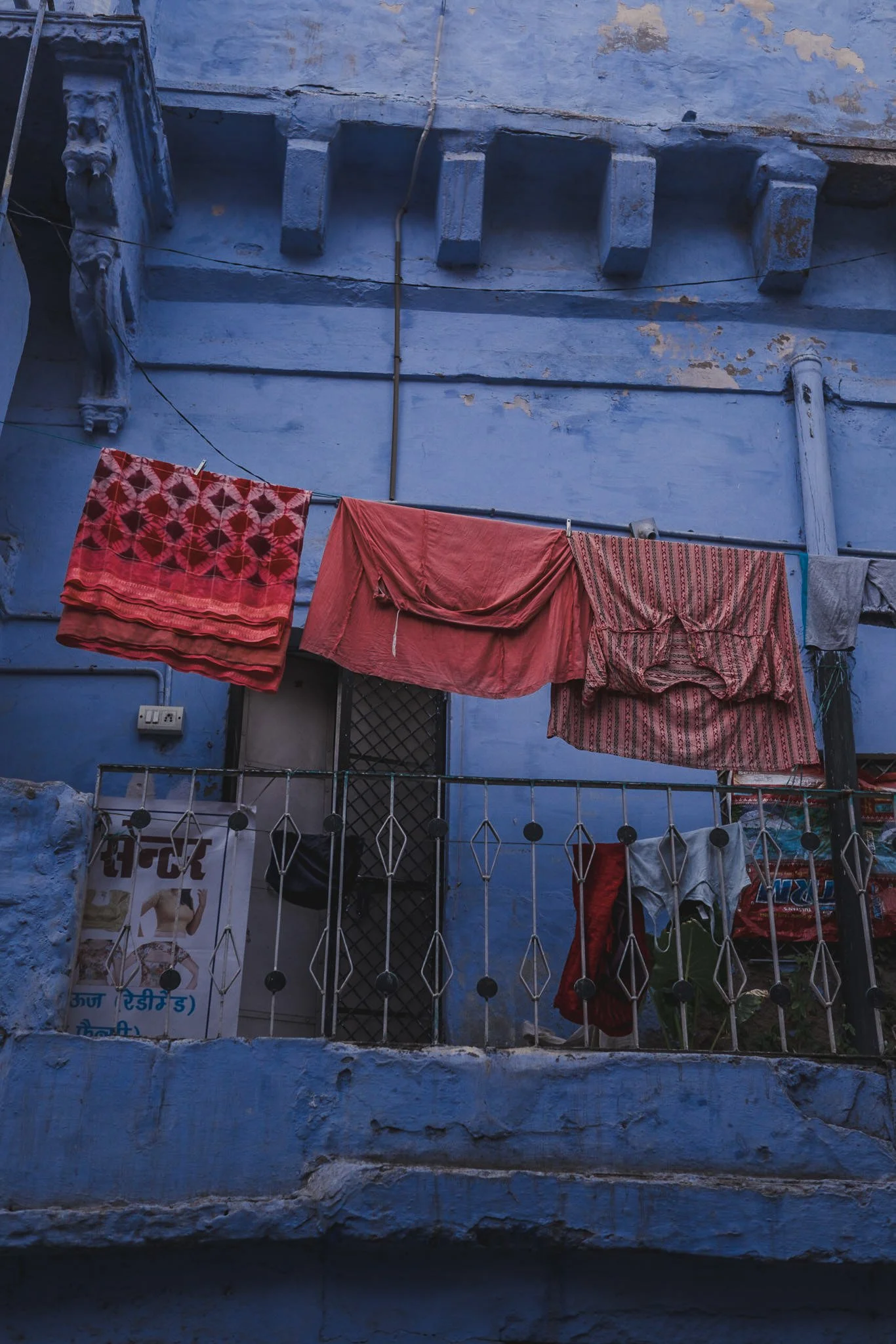
Jodhpur is famous for its heritage hotels and luxury palace stays, offering a unique blend of Rajasthani architecture, modern comfort and stunning views over the Blue City. Staying in a heritage property or boutique hotel allows you to experience the city’s charm up close while being conveniently located near major attractions like Mehrangarh Fort, Jaswant Thada and the old city markets.
Umaid Bhawan Palace
One of the world’s most iconic palace hotels, Umaid Bhawan Palace combines royal grandeur with modern luxury. Guests can stay in opulent rooms and suites adorned with antique furniture, enjoy manicured gardens, and take in sweeping views over Jodhpur. The palace also houses a museum, a fine-dining restaurant, and a spa, making it perfect for travellers seeking a truly regal experience.
RAAS Jodhpur
Situated at the base of Mehrangarh Fort, RAAS Jodhpur is a boutique luxury hotel that blends contemporary design with historic architecture. Its rooftop pool and terrace offer stunning panoramic views of the Blue City, while interiors feature handcrafted furnishings and modern comforts. This location puts you steps away from the fort and old city, making it ideal for cultural exploration.
Ajit Bhawan
A historic heritage hotel with a relaxed and welcoming atmosphere, Ajit Bhawan offers traditional Rajasthani charm with elegant rooms, serene gardens, and unique cultural experiences. Guests can enjoy rooftop views, traditional music performances, and cooking demonstrations, providing an authentic taste of Jodhpur’s royal hospitality. Its central location also makes it easy to explore nearby attractions at a leisurely pace.
Looking for something different? Use our interactive map to find the perfect stay in Jodhpur, from luxurious palace hotels to charming boutique properties.
Most travellers find that 2 to 3 days in Jodhpur is the ideal amount of time. This gives you enough time to explore the city’s iconic forts and temples, wander the Blue City at a relaxed pace, and enjoy the local food and markets without rushing.
Day 1 | Forts, History and the Old City
Start your time in Jodhpur at Mehrangarh Fort, one of the most impressive forts in India. Spend a few hours exploring its palaces, courtyards and museum exhibits, and enjoy the sweeping views over the Blue City below. From here, visit the nearby Jaswant Thada, a peaceful marble cenotaph that offers a quieter contrast to the fort. In the afternoon, wander through the old city lanes at the base of the fort, where you will find traditional houses, small temples and local life unfolding in every direction.
Day 2 | The Blue City, Markets and Sunset Views
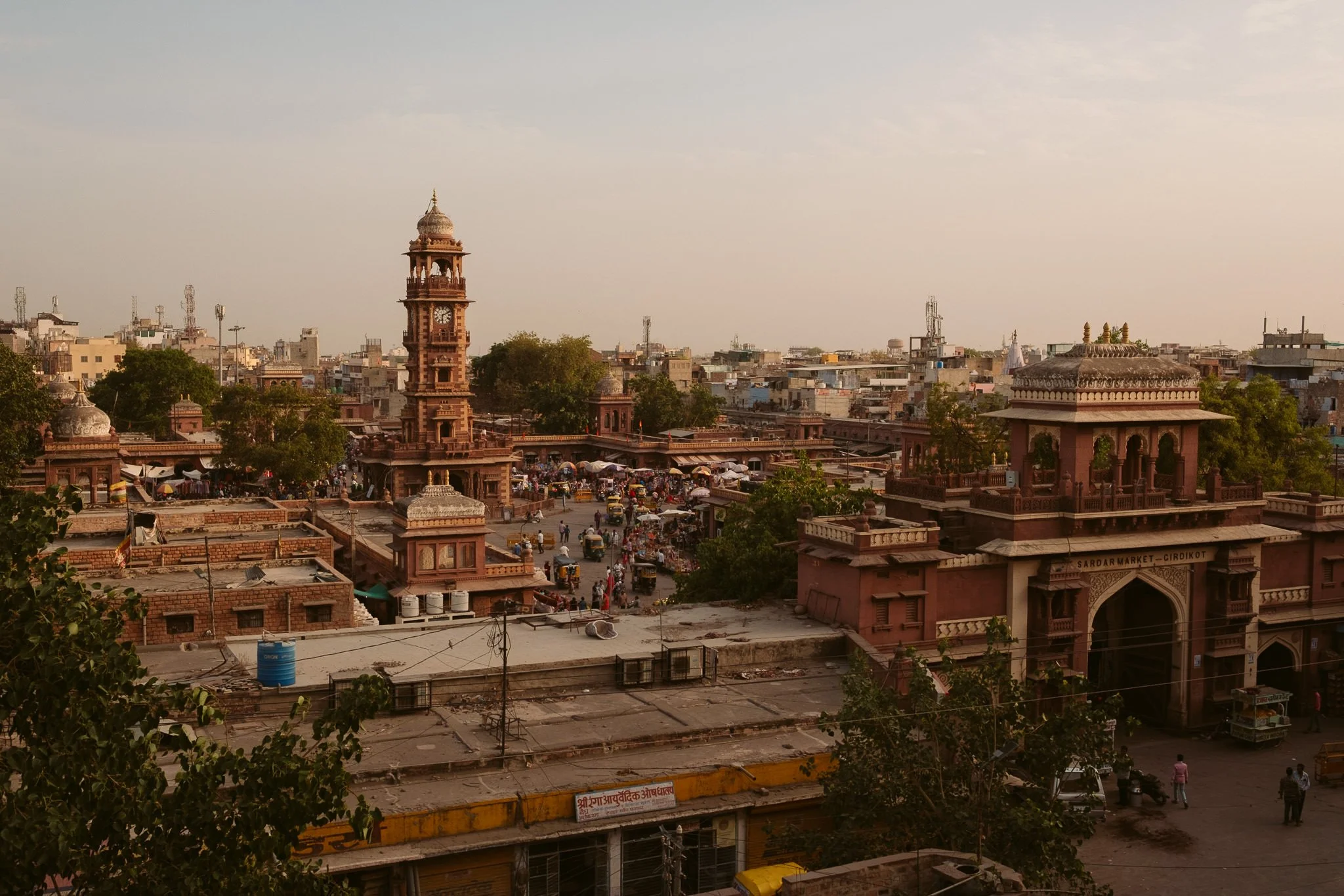
Dedicate your second day to exploring Jodhpur’s famous Blue City on foot. Walk through the maze of blue-painted streets, visit Toorji Ka Jhalra stepwell, and stop at cafés or rooftops for views back up to the fort. Later, head to Sardar Market around the Clock Tower to browse spices, textiles and handicrafts. End the day at a sunset viewpoint or rooftop restaurant, when the fort glows golden and the city cools down.
Day 3 | Desert Experiences or Slow Travel
If you have a third day, use it to slow things down. You could take a half-day desert or village excursion, visit nearby rural communities, or enjoy a cooking class or cultural experience. Alternatively, keep it relaxed with café hopping, photography walks through quieter neighbourhoods, or revisiting favourite spots at a slower pace.
For travellers exploring Rajasthan, Jodhpur fits perfectly into a wider route between Jaipur, Udaipur and Jaisalmer, making it an easy and rewarding stop for two or three nights.
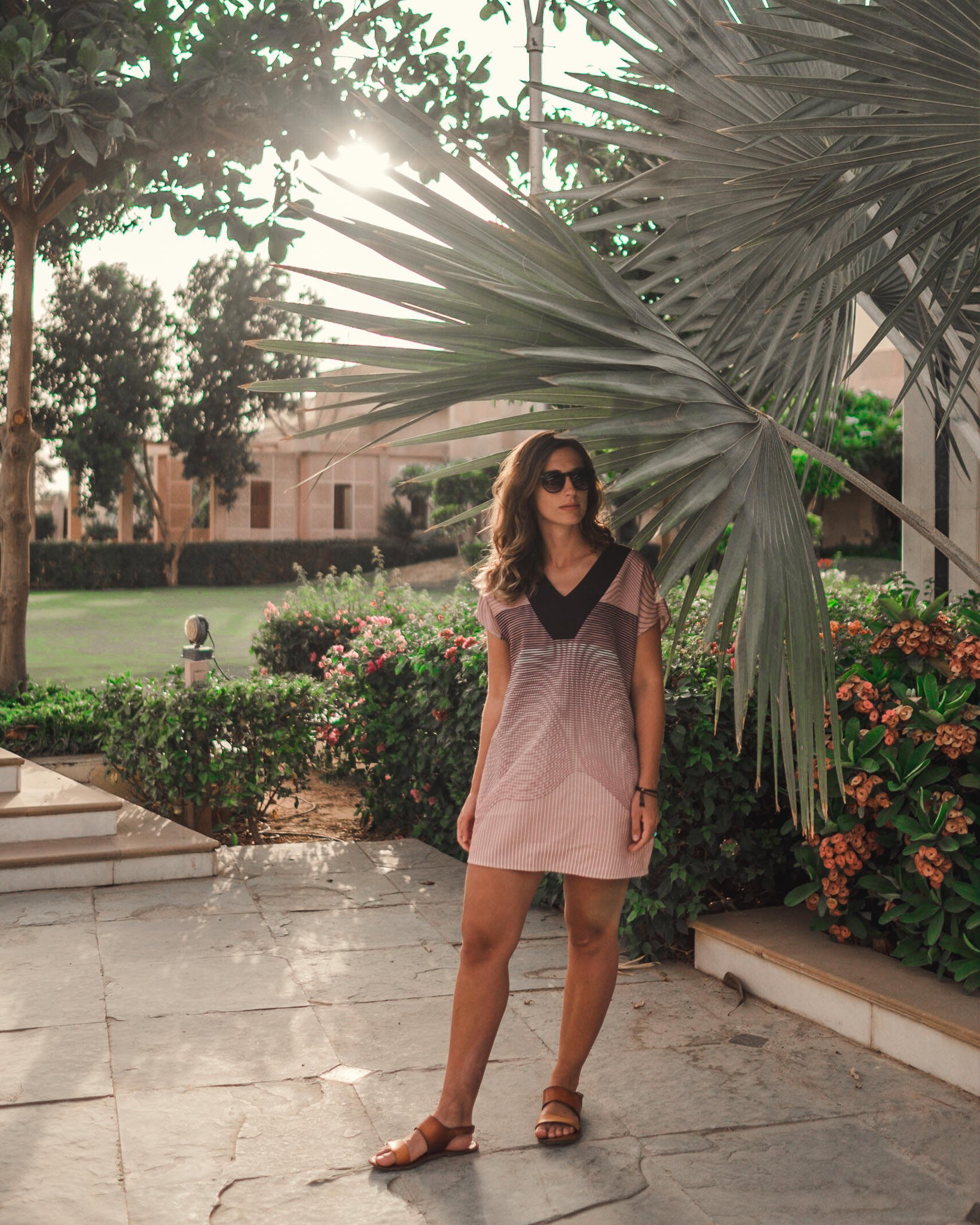
Packing correctly for Jodhpur makes a noticeable difference to your comfort, particularly if you plan to spend long days exploring forts, markets and old city streets. Jodhpur’s desert climate means big temperature swings between seasons, and even between day and night.
India is an incredible destination, but planning the right itinerary can be overwhelming.
India Someday creates fully personalised India trips based on your travel style, handling all logistics and planning so you can focus on the experience and enjoy a stress-free journey.
Get 15% off India Someday planning fees by using code 'FOA'.
Winter (October to March)
Days are generally mild and sunny, but mornings and evenings can feel surprisingly cool, especially in December and January.
Light layers that can be added or removed easily
A thin jacket or jumper for early mornings and evenings
Comfortable walking shoes with good grip for forts and cobbled streets
Scarf or shawl, useful for warmth and temple visits
Summer (April to June)
Summer heat in Jodhpur is intense and requires careful planning and appropriate clothing.
Loose, breathable cotton or linen clothing
Wide-brimmed hat or cap for sun protection
Sunglasses and high-SPF sunscreen
Reusable water bottle to stay hydrated
Lightweight footwear that stays cool in high temperatures
Monsoon (July to September)
Rainfall is usually short and heavy, but humidity increases and surfaces can become slippery.
Waterproof or quick-drying footwear with good grip
Lightweight rain jacket or poncho
Breathable clothing suitable for humid conditions
Small umbrella or packable rain cover
General Packing Essentials for Jodhpur
Regardless of when you visit, these items are useful year round.
Daypack for sightseeing and carrying water
Power bank for long days out exploring
Modest clothing options for temples and cultural sites
Hand sanitiser and wet wipes
Basic first-aid kit, including rehydration salts
Copies of travel documents, stored digitally and offline
Packing with the season in mind allows you to enjoy Jodhpur comfortably, whether you are climbing Mehrangarh Fort in winter sunshine or navigating the old city during monsoon humidity.
Is Jodhpur worth visiting all year round?
Jodhpur can be visited year round, but the experience varies significantly depending on the season. Winter and shoulder months offer the most comfortable weather for sightseeing, while summer and monsoon travel require more planning and flexibility.
What is the best month to visit Jodhpur?
October, November and February are generally considered the best months to visit Jodhpur. These months offer mild daytime temperatures, low humidity and excellent conditions for exploring forts, markets and the Blue City.
What is the hottest month in Jodhpur?
May is typically the hottest month in Jodhpur, with daytime temperatures often exceeding 40°C. Sightseeing during the middle of the day can be extremely uncomfortable during this period.
What is the coldest month in Jodhpur?
January is usually the coldest month in Jodhpur. While daytime temperatures remain pleasant, early mornings and evenings can feel surprisingly cold, especially for travellers not expecting cooler weather in a desert city.
Is Jodhpur safe to visit during the monsoon season?
Yes, Jodhpur is generally safe to visit during the monsoon season. Rainfall is usually short and heavy rather than constant. However, humidity is higher and road conditions can be affected after heavy rain, which may slow travel.
Is summer a bad time to visit Jodhpur?
For most travellers, summer is not ideal due to extreme heat, particularly in May and June. However, if you are comfortable with high temperatures, summer travel offers fewer crowds and significantly lower accommodation prices.
Is Jodhpur good for first-time visitors to India?
Yes, Jodhpur is one of the better destinations in India for first-time visitors, especially when visited between October and March. It offers iconic landmarks, a well-established tourist infrastructure and a manageable introduction to Indian culture.
How many days do you need in Jodhpur?
Most travellers find that 2 to 3 days is enough to see Jodhpur’s main attractions, including Mehrangarh Fort, the Blue City and local markets, without feeling rushed.
When is Jodhpur most crowded?
Jodhpur is busiest between December and January, particularly around Christmas, New Year and major festivals. Popular attractions can feel crowded during peak winter months.
Is Jodhpur expensive during peak season?
Yes, accommodation prices and tour costs are higher during peak season from October to March, with the most noticeable increases in December and January. Booking accommodation in advance can help reduce costs.
Is Jodhpur suitable for a Rajasthan itinerary?
Absolutely. Jodhpur fits perfectly into a wider Rajasthan itinerary and is commonly combined with Jaipur, Udaipur, Jaisalmer and Ranthambore.

Plan your next adventure
If you book through our links, you help support our website at no extra cost to you - thank you!