We have included links which may contain an affiliate link and if you decide to purchase any products through these links we will receive a small commission at no extra cost to you from the sale.
Ranthambore National Park is one of India’s most famous wildlife destinations and one of the best places in the country to see wild Bengal tigers. Located in southeastern Rajasthan, the park combines dramatic landscapes, ancient ruins, lakes, and dense forest, creating an unforgettable safari experience.
However, timing your visit to Ranthambore is absolutely critical. The park is not open year round, weather conditions can be extreme, and tiger sightings vary significantly depending on the season. Visiting at the wrong time can mean limited safari access, poor visibility, or even finding the park completely closed.
We have travelled extensively across Rajasthan and experienced a few zones of the famous Ranthambore national park. In this guide, we bring together practical experience and up-to-date planning advice to help you decide exactly when to go, depending on whether your priority is tiger sightings, comfortable weather, fewer crowds, or budget travel.
Having grown up watching and hearing stories of the famous Machli tiger queen, who was the most photographed tiger in the world. I knew one day we had to explore Ranthambore to see tigers.
India is an incredible destination, but planning the right itinerary can be overwhelming.
India Someday creates fully personalised India trips based on your travel style, handling all logistics and planning so you can focus on the experience and enjoy a stress-free journey.
Get 15% off India Someday planning fees by using code 'FOA'.
This complete guide breaks down the best time to visit Ranthambore National Park by month, including weather, safari conditions, crowd levels, and practical travel tips.
How to Use This Guide
Use the Contents table below to jump to any section. Click a heading in the guide to return to the top and continue exploring.
Contents
The best time to visit Ranthambore National Park is from October to April, when the park is fully open and safari conditions are at their best.
Within this window, the best months for tiger sightings are March and April, when rising temperatures force animals to congregate around water sources, making them easier to spot. However, these months are also hotter and busier.
For most travellers, October to February offers the best balance of comfortable weather, scenic landscapes, and enjoyable safaris, even if tiger sightings can be slightly less predictable than later in the season.
It is important to note that Ranthambore is closed during the monsoon season, typically from July to September, although some buffer zones may open with limited access.
Ranthambore has a semi-arid climate, with extreme seasonal variation. Weather plays a major role in safari comfort, wildlife movement, and visibility.
Ranthambore’s wildlife experience varies significantly throughout the year, shaped by temperature, vegetation, and safari access. From peak tiger-spotting season in the dry summer months to cooler winter safaris and monsoon park closures, this month-by-month guide helps you plan the best possible visit based on weather, crowds, and wildlife viewing conditions.

Ranthambore in October
Average temperature | 15°C to 30°C
October marks the start of the safari season after the monsoon closure. The park is lush and green, lakes are full, and the landscape feels fresh.
Wildlife is present, but dense vegetation can make tiger sightings more challenging than later months.
Best for | Scenic safaris, photography, pleasant weather
Good to know | Fewer sightings, but excellent atmosphere
Ranthambore in November
Average temperature | 12°C to 28°C
November is one of the best all-round months to visit Ranthambore. Vegetation begins to thin, weather is ideal, and safari conditions improve.
Best for | First-time visitors, balanced safari experience
Good to know | Book safaris early, availability fills quickly
Ranthambore in December
Average temperature | 8°C to 25°C
December offers comfortable daytime temperatures but cold early mornings on safari. Tourist numbers increase due to winter holidays.
Best for | Comfortable safaris, winter travel
Good to know | Early morning drives can be very cold
Ranthambore in January
Average temperature | 7°C to 23°C
January is peak season. Wildlife sightings are consistent, but foggy mornings can reduce visibility.
Best for | Peak season travel, structured itineraries
Good to know | Dress warmly for morning safaris
Ranthambore in February
Average temperature | 10°C to 28°C
February is an excellent time to visit. Vegetation thins further, temperatures rise slightly, and wildlife activity increases.
Best for | Wildlife photography, repeat safari visitors
Good to know | One of the most popular months
Ranthambore in March
Average temperature | 15°C to 35°C
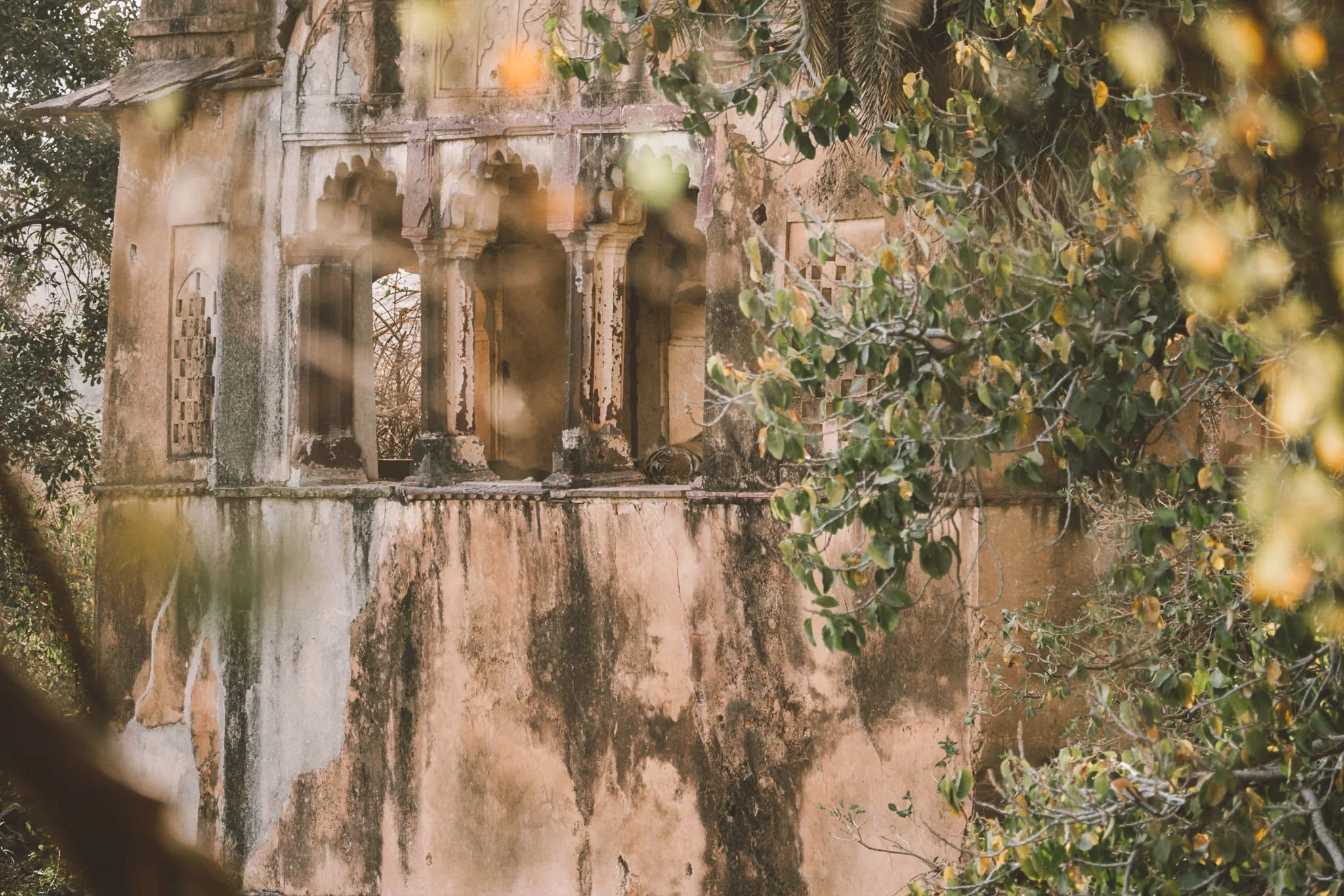
March is considered one of the best months for tiger sightings. As water sources dry up, animals are easier to spot near lakes.
Best for | Tiger sightings, serious wildlife enthusiasts
Good to know | Afternoon safaris can be hot
Ranthambore in April
Average temperature | 20°C to 40°C
April offers some of the highest chances of tiger sightings, but heat becomes intense.
Best for | Experienced safari travellers
Good to know | Extreme heat during midday
Ranthambore in May
Average temperature | 25°C to 45°C
May is the hottest month and challenging for most visitors. Wildlife sightings remain strong, but safaris can be physically demanding.
Best for | Hardcore wildlife enthusiasts
Good to know | Not suitable for most travellers
Ranthambore in June
Average temperature | 28°C to 45°C
June is extremely hot, and the park begins preparing for closure.
Best for | Rarely recommended
Good to know | Safaris may be limited
Ranthambore in July to September
Park closed (monsoon season)
The core zones of Ranthambore are closed due to heavy rainfall and conservation needs. Some buffer zones may open with limited sightings.
If your primary goal is seeing a wild tiger, timing matters more here than almost anywhere else in India.
The best months for tiger sightings in Ranthambore are March and April. During this period:
Water sources dry up
Tigers frequent lakes and watering holes
Vegetation is sparse, improving visibility
However, these months also bring extreme heat, making safaris physically demanding.
For a balance between comfort and sightings, February is an excellent compromise.

Ranthambore can feel busy during peak travel months, particularly in the core safari zones where vehicle numbers are tightly controlled. If a quieter safari experience is a priority, timing your visit carefully makes a noticeable difference.
The best times to avoid crowds are:
Late October | Fewer visitors shortly after the park reopens following the monsoon
Early March | Excellent wildlife sightings with slightly reduced visitor numbers
Try to avoid:
December and January
Long weekends, school holidays, and Indian public holidays
Choosing buffer zones instead of core zones can also significantly reduce crowding while still offering rewarding wildlife encounters.
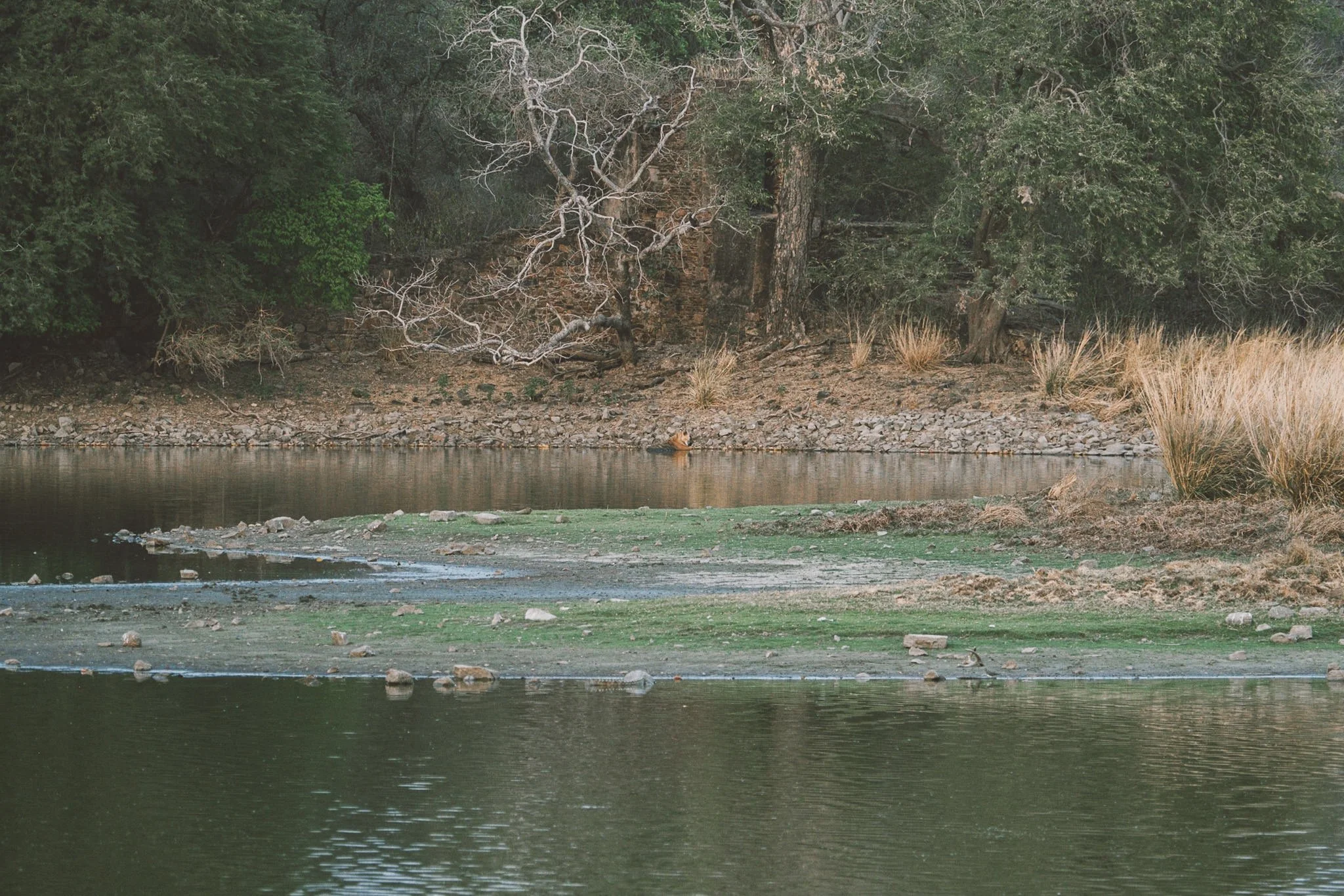
The worst time to visit Ranthambore is during the monsoon season from July to September, when most of the park remains closed to protect wildlife and trails.
May and June can also be challenging due to extreme heat, with daytime temperatures often exceeding 40°C. While tiger sightings can be excellent, safaris are physically demanding and best suited only to travellers comfortable with very early mornings and limited daytime activity.
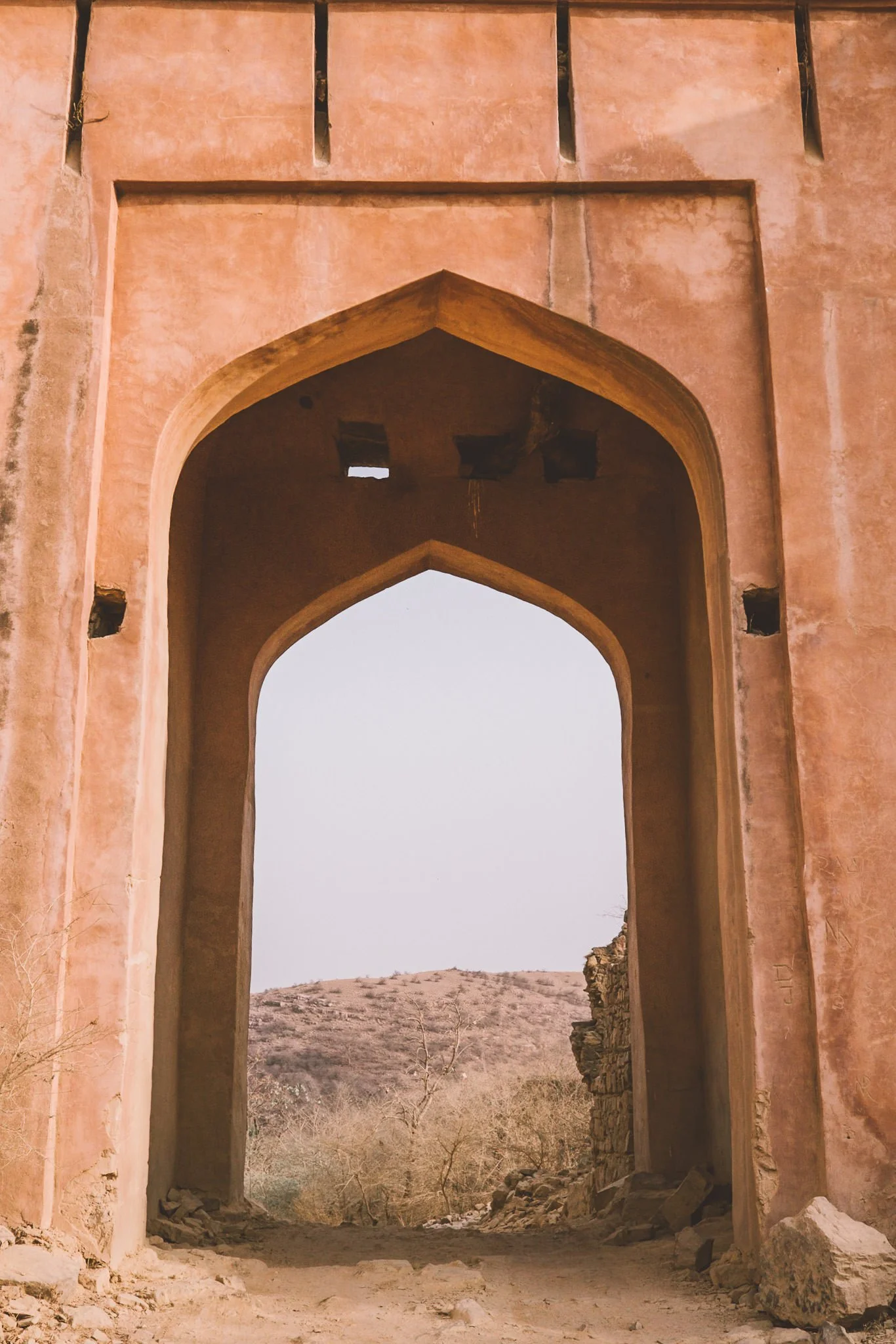
For first-time safari travellers, November to February provides the most comfortable and confidence-building introduction to Ranthambore. Cooler temperatures make early-morning and afternoon safaris far more enjoyable, while clear conditions improve overall wildlife viewing.
These months allow visitors to focus on the experience itself rather than managing heat or fatigue, making them ideal for families, couples, and anyone new to Indian wildlife safaris.
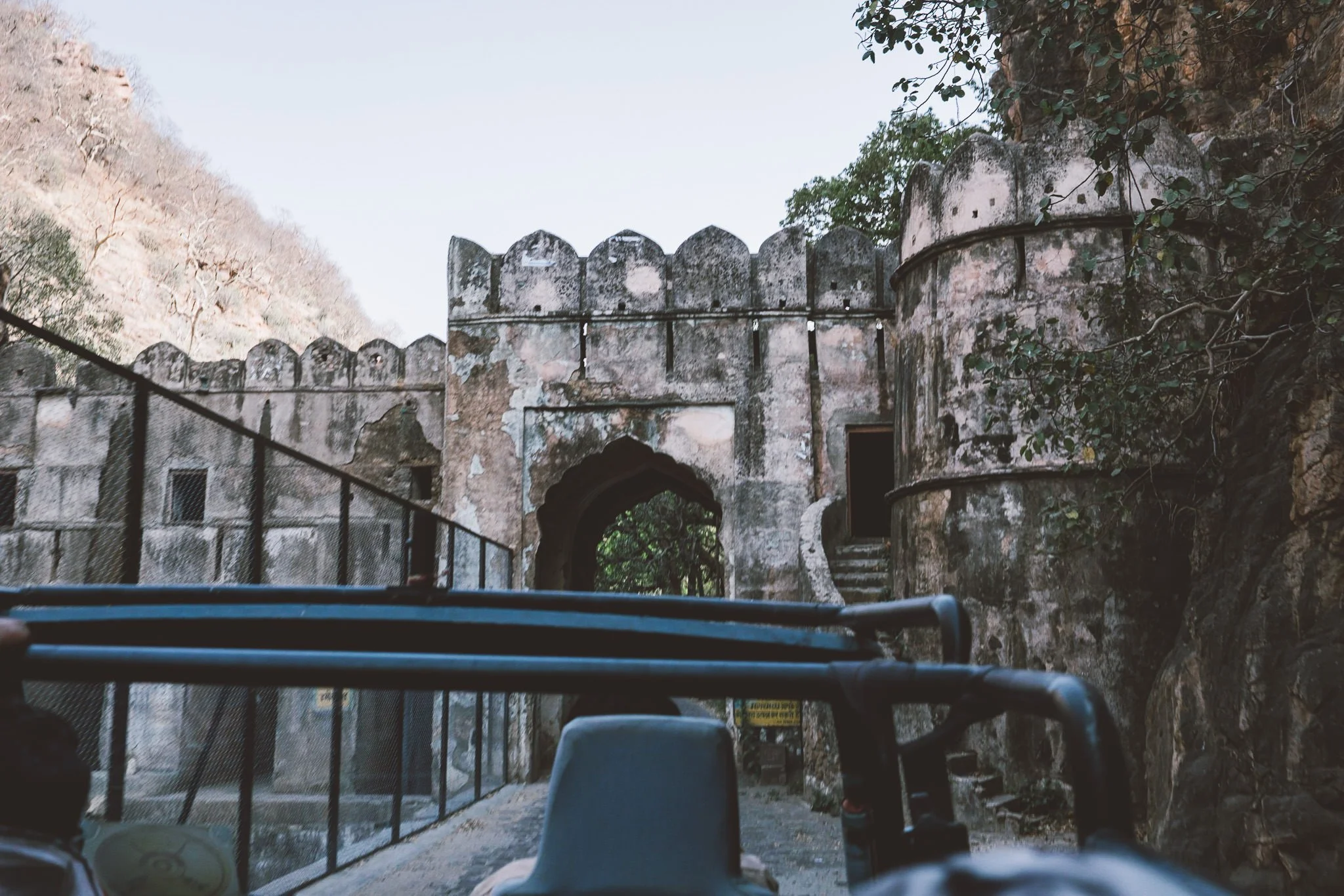
Ranthambore National Park is divided into core zones and buffer zones, each offering a distinct safari experience. Understanding the differences can help you choose the best zone for your priorities, whether it is maximizing tiger sightings, enjoying quieter surroundings, or balancing both.
Core Zones | High Wildlife Density
Core zones are the heart of Ranthambore, where tigers and other wildlife are most frequently spotted.
Popular areas include Zones 1, 2, 3, 4, 5, and 6, with Zone 1 and 6 often cited for high tiger activity.
Expect more safari vehicles, especially during peak season, as these zones are in high demand.
While sightings are more likely, the experience can feel busy due to the number of jeeps and tourists.
Buffer Zones | Quieter Safaris
Buffer zones (Zones 7, 8, 9) are farther from the park’s core areas.
These zones offer a more relaxed safari experience with fewer vehicles, making it ideal for photography and enjoying nature in relative peace.
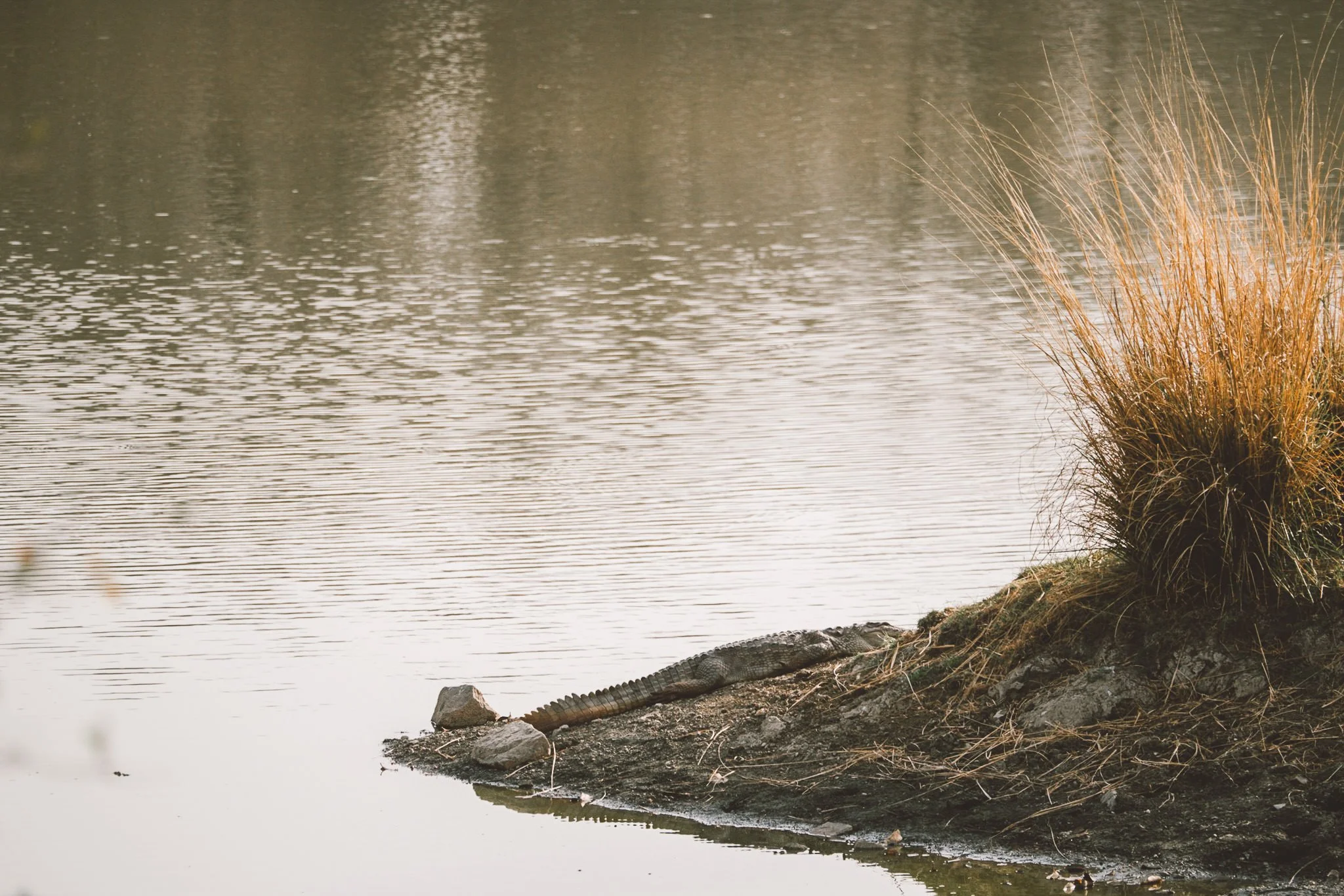
Tiger sightings are less frequent but still possible. Visitors can also see other wildlife such as leopards, sloth bears, marsh crocodiles, and abundant birdlife.
Other Considerations
Timing matters more than zone. Early morning safaris tend to be the most productive, regardless of which zone you visit.
Rotation and availability. Zones are rotated daily and some may be closed for maintenance or conservation, so it is best to check in advance.
Private versus shared jeeps. Choosing a private jeep can improve your chances of spotting wildlife and provide more flexibility than shared safari vehicles.
By understanding the layout and characteristics of each zone, you can plan a safari that balances your goals, whether it is high-probability tiger sightings or a quiet, immersive nature experience.
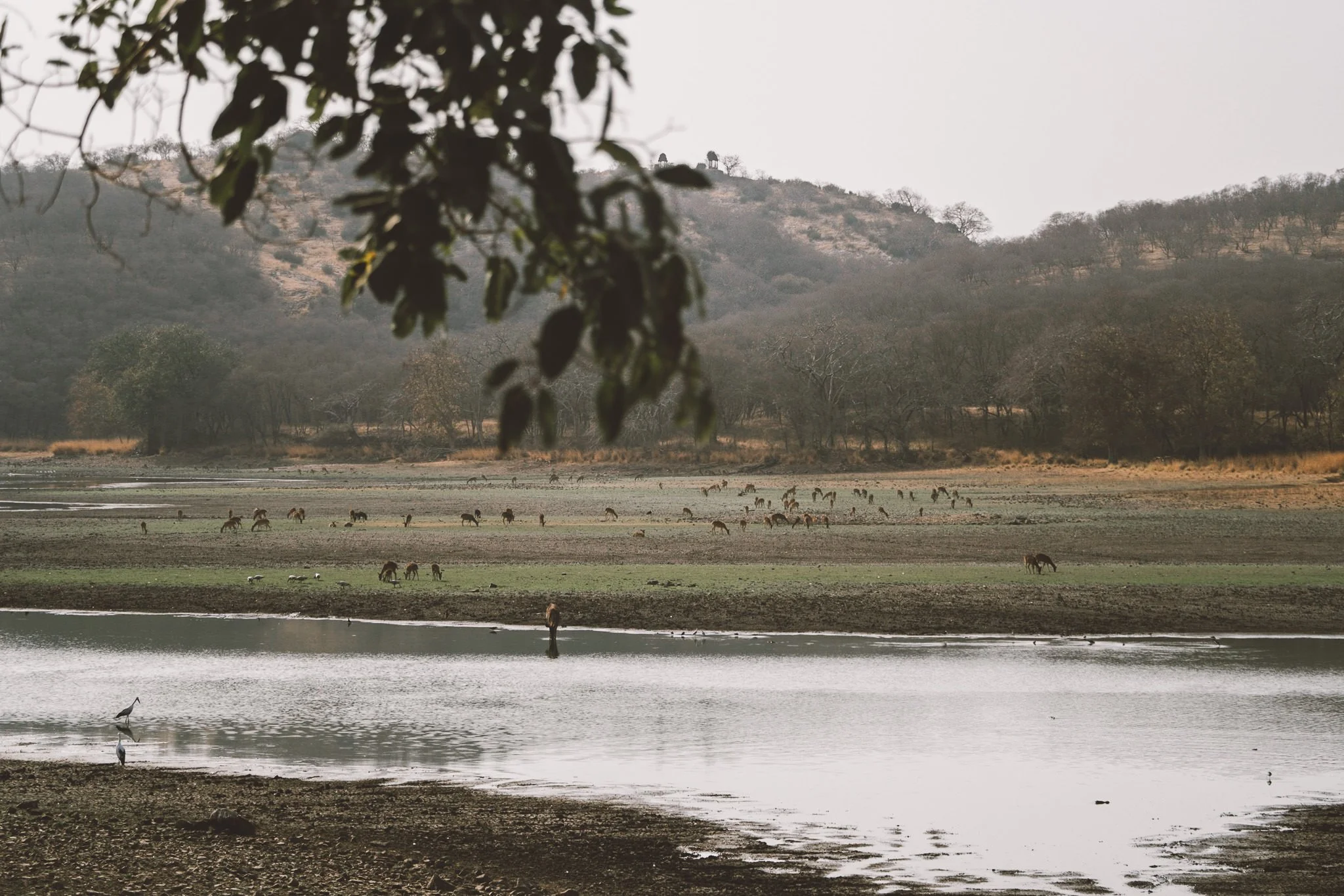
Ranthambore offers a range of accommodations from luxury safari lodges to charming heritage hotels, allowing you to choose a base that suits your style and budget. Staying close to the park maximizes your safari opportunities and lets you enjoy the surrounding nature at any time of day.
Choosing the right stay can enhance your wildlife experience. Luxury lodges like Aman-i-Khas and Oberoi Vanyavilas provide immersive safaris and exceptional service, while heritage options offer charm, comfort, and cultural immersion at a lower price.

Aman-i-Khas
Aman-i-Khas is a luxury tented camp designed for travellers seeking an exclusive and immersive safari experience. Each tent blends modern comfort with traditional Rajasthani touches and offers sweeping views of the surrounding wilderness. Guests enjoy private dining, personalized guides, and an intimate connection with the park.
Oberoi Vanyavilas
Oberoi Vanyavilas is one of India’s top wildlife resorts, offering luxury cottages set amid lush gardens near the park. The property combines world-class service with immersive safari experiences. Guests can relax by the pool, enjoy fine dining, and return from a morning safari to comfort and elegance.
Sawai Madhopur Heritage Haveli
For those seeking heritage charm at a more accessible price point, Sawai Madhopur Heritage Haveli offers spacious rooms, traditional architecture, and a warm, welcoming atmosphere. Its central location makes it a convenient base for safaris, local markets, and exploring the town.
BOOK | SAWAI MADHOPUR HERITAGE HAVELI
Use our interactive map below to find your perfect place to stay.
Ranthambore is best experienced on safari, and the number of safaris you choose directly affects your wildlife sightings and overall experience. Planning ahead ensures you get the most out of your visit.
2 Safaris | Good Introduction
For first-time visitors or those on a tight schedule, two safaris provide a solid introduction to the park. You will likely see a variety of wildlife, including deer, leopards, and birds, and may catch a glimpse of a tiger if you are lucky. This is ideal for travellers looking for a concise, manageable experience.
3 to 4 Safaris | Better Wildlife Exposure
Three or four safaris give a more complete experience, increasing your chances of tiger sightings. With multiple visits at different times of day, you can explore different zones, enjoy varied landscapes, and witness wildlife behaviors that might not appear on a single safari.
5+ Safaris | Ideal for Photographers and Enthusiasts
If your goal is frequent wildlife encounters or photography, five or more safaris allow for in-depth exploration. You can revisit zones where sightings were high, take time for detailed wildlife photography, and experience the park’s environment in different lighting and weather conditions.
Tips for Planning Your Safaris
Morning vs. Afternoon: Morning safaris are generally more productive for wildlife activity, while afternoon safaris offer softer light for photography.
Zone Selection: Rotate between core and buffer zones to maximize the variety of sightings.
Book in Advance: Safaris are in high demand, especially in peak season, so reserve your jeep or guide early to secure your preferred times.
By planning the right number of safaris, you can balance wildlife opportunities, comfort, and cost, ensuring a memorable Ranthambore experience.
Packing the right items can make your Ranthambore safari safer, more comfortable, and more enjoyable. Wildlife safaris involve long hours in open jeeps, changing temperatures, and dusty trails, so preparation is key.
India is an incredible destination, but planning the right itinerary can be overwhelming.
India Someday creates fully personalised India trips based on your travel style, handling all logistics and planning so you can focus on the experience and enjoy a stress-free journey.
Get 15% off India Someday planning fees by using code 'FOA'.
General Packing List
Neutral-coloured clothing | Avoid bright colours, which can disturb wildlife. Khaki, olive, and beige are ideal.
Comfortable closed-toe shoes | Essential for walking around lodges and trails.
Sunhat and sunglasses | Protect yourself from strong sun during safaris.
Sunscreen and lip balm | High SPF recommended to prevent sunburn.
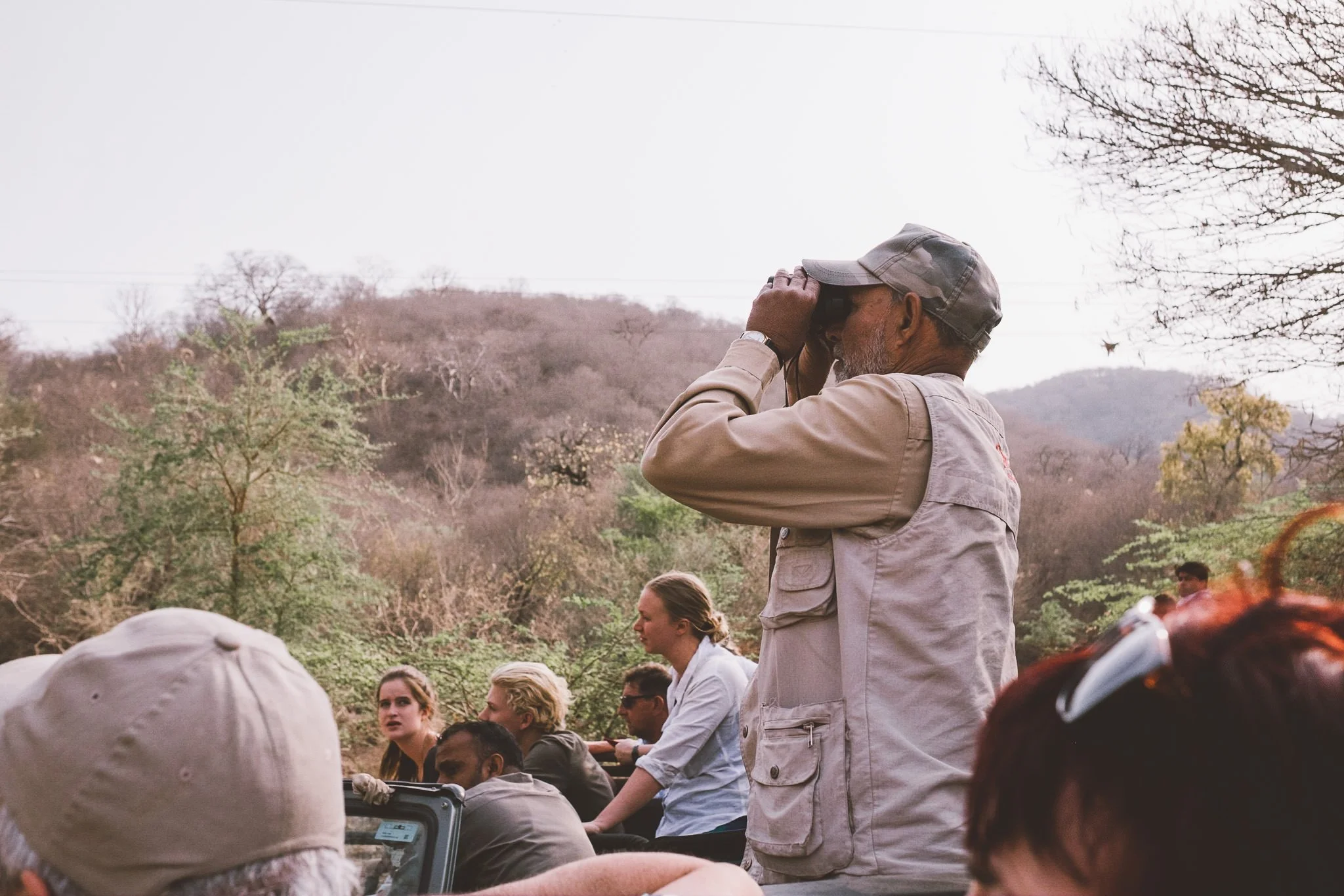
Binoculars | A must for spotting wildlife from a distance.
Camera with zoom lens | Capture tiger sightings, birds, and scenic landscapes.
Insect repellent | Protect yourself from mosquitoes and other insects.
Reusable water bottle | Stay hydrated during long safari drives.
Seasonal Additions
Winter (November to February) | Warm layers, gloves, scarf, and a light jacket for early morning safaris.
Summer (April to June) | Lightweight, breathable cotton or linen clothing, hat, and plenty of water.
Monsoon (July to September) | Waterproof shoes, light rain jacket, and quick-drying clothing.
Extra Tips
Carry a small daypack for water, snacks, and essentials.
Avoid strong perfumes or fragrances that may disturb animals.
Bring a portable power bank for cameras and phones.
By packing thoughtfully, you can focus on the thrill of spotting tigers and other wildlife rather than being distracted by discomfort or unpreparedness.

Is Ranthambore National Park open year round?
No. The park closes during the monsoon season, usually from July to September, when heavy rains make trails inaccessible and wildlife sightings more difficult. The best visiting months are October to June.
What is the best month to see tigers in Ranthambore?
March and April are generally considered the peak months for tiger sightings. During this period, the waterholes are drying up, concentrating wildlife and increasing the chances of spotting tigers and other animals.
Is Ranthambore suitable for first-time safari visitors?
Yes. November to February is ideal for first-time visitors, offering comfortable temperatures, clear skies, and optimal conditions for safari drives and wildlife photography.
How many days should I spend in Ranthambore?
Most travellers find 2 to 3 days sufficient to enjoy multiple safaris, explore different zones, and maximise wildlife sightings without feeling rushed.
Which safari zone is best for tiger sightings?
Core zones typically have higher tiger density and more vehicles, while buffer zones are quieter with occasional sightings. Multiple safaris across different zones increase your chances of spotting tigers.
What is the best time of day for a safari?
Early morning safaris (around 6:00–10:00 AM) are the most productive, as animals are more active. Afternoon safaris (around 2:00–6:00 PM) offer softer light for photography but slightly lower chances of sightings.
Is it safe to visit Ranthambore during summer?
Yes, but daytime temperatures in May and June can exceed 40°C. Safaris are possible in early mornings and late afternoons, but extra precautions like hydration, sun protection, and light clothing are essential.
Can children visit Ranthambore National Park?
Yes. Children are welcome, but early morning safaris and long drives may be tiring for younger kids. Many lodges also offer family-friendly accommodation and activities.
Do I need a guide for Ranthambore safari?
Yes, all safaris are conducted with trained guides in official park vehicles. Guides enhance the experience by tracking wildlife and explaining animal behaviour, flora, and the park’s history.
What should I wear on a Ranthambore safari?
Neutral-coloured clothing, comfortable closed-toe shoes, a hat, sunglasses, and layered clothing for winter mornings are recommended. Avoid bright colours and strong perfumes that could disturb wildlife.
How crowded is Ranthambore during peak season?
The park can feel busy during peak winter months, particularly December to January, and during festivals or long weekends. Booking safaris and accommodation in advance is essential.
Are cameras and drones allowed in the park?
Cameras are allowed for personal use, but drones are strictly prohibited inside the park. Professional photography may require special permissions.
Plan your next adventure
If you book through our links, you help support our website at no extra cost to you - thank you!