We have included links which may contain an affiliate link and if you decide to purchase any products through these links we will receive a small commission at no extra cost to you from the sale.
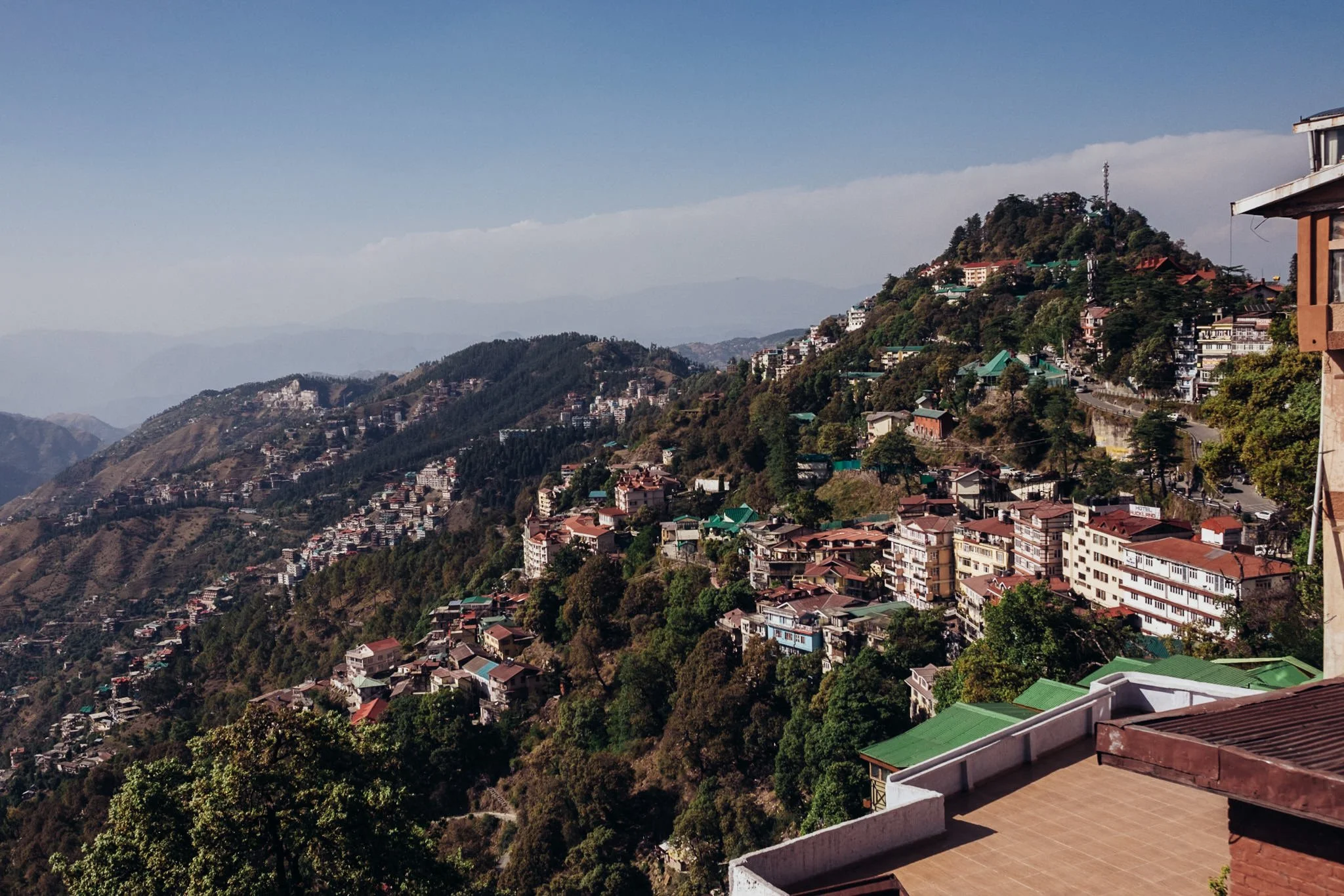
Shimla the mountain village and the capital of Himachal Pradesh, is one of India’s most charming hill stations. Nestled in the Himalayas, it offers a unique mix of colonial architecture, scenic mountains, vibrant bazaars, and outdoor activities. Whether it’s exploring heritage buildings, wandering the Ridge and Mall Road, hiking to viewpoints, or experiencing snow in winter, Shimla has something for every traveller.
However, timing your visit is crucial. Snow, heavy monsoon rains, or peak summer crowds can dramatically affect your experience, accommodation availability, and sightseeing comfort. Choosing the right season ensures you enjoy Shimla at its best.
India is an incredible destination, but planning the right itinerary can be overwhelming.
India Someday creates fully personalised India trips based on your travel style, handling all logistics and planning so you can focus on the experience and enjoy a stress-free journey.
Get 15% off India Someday planning fees by using code 'FOA'.
Having travelled extensively across India, we’ve combined our experience, local insights, and research to create this ultimate guide. Here you’ll find a month-by-month breakdown, festival calendar, crowd tips, practical advice, and travel planning resources.
How to Use This Guide
Use the Contents table below to jump to any section. Click a heading in the guide to return to the top and continue exploring.
Contents
Shimla experiences distinct seasons: a cool, snowy winter; a pleasant summer; a rainy monsoon; and a vibrant spring. The best time to visit largely depends on your priorities:
Spring/Summer (March–June): Ideal for sightseeing, outdoor activities, and clear views of the mountains. Temperatures are mild, and roads are accessible.
Winter (December–February): Perfect for snow lovers, winter sports, and cozy experiences. Nights can be freezing, but snowfall transforms the landscape into a magical winter wonderland.
Monsoon (July–September): The hills are lush and green, but heavy rains can cause landslides and travel disruptions. Not ideal for long treks or road trips.
For most travellers, March to June and October to November offer the best combination of weather, accessibility, and scenic beauty.
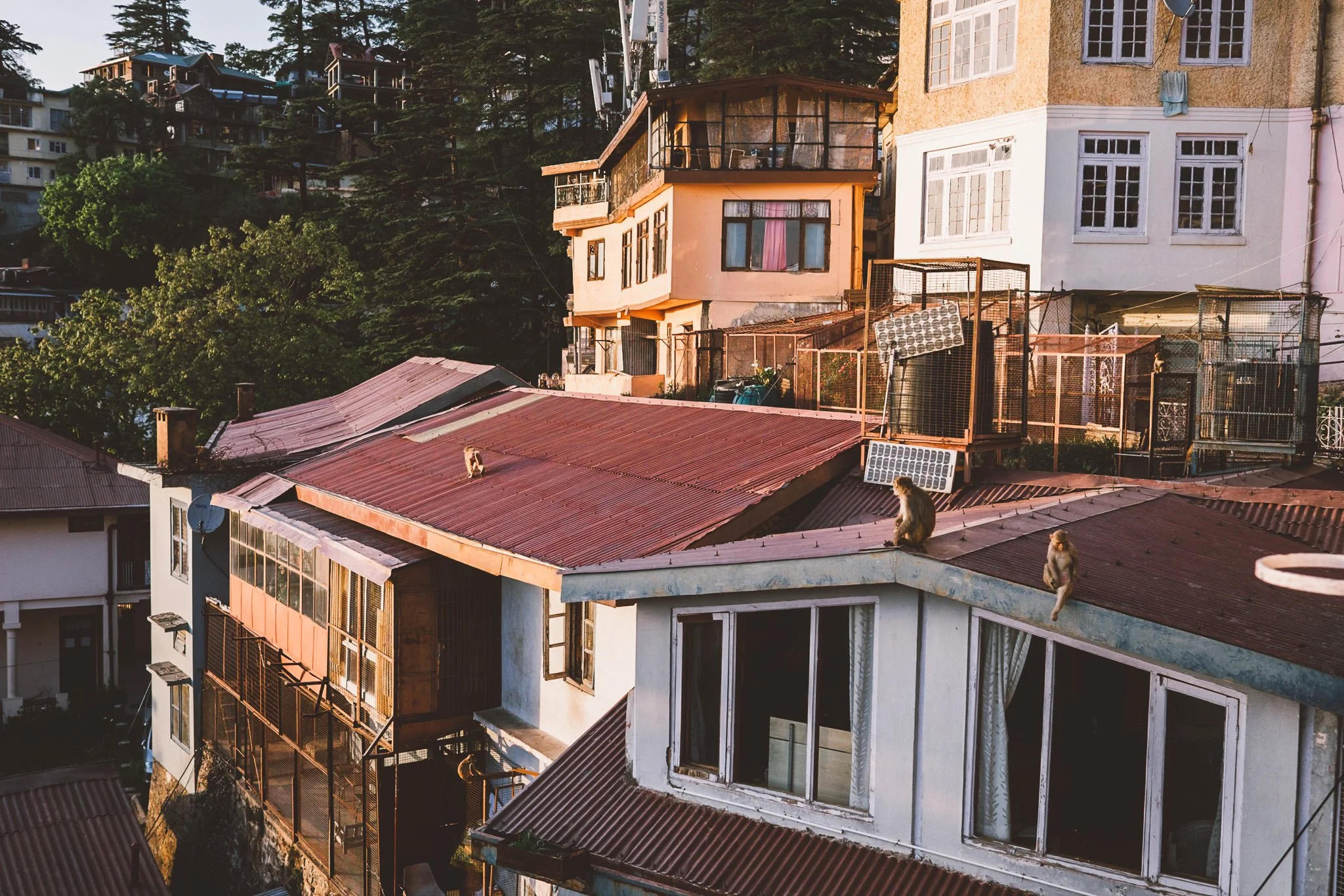
Shimla’s climate changes dramatically with the seasons. Winters are cold and often snowy, summers are warm and pleasant, and the monsoon brings short periods of rain. Understanding these patterns helps you plan sightseeing, outdoor activities, and travel around the most comfortable times to visit.
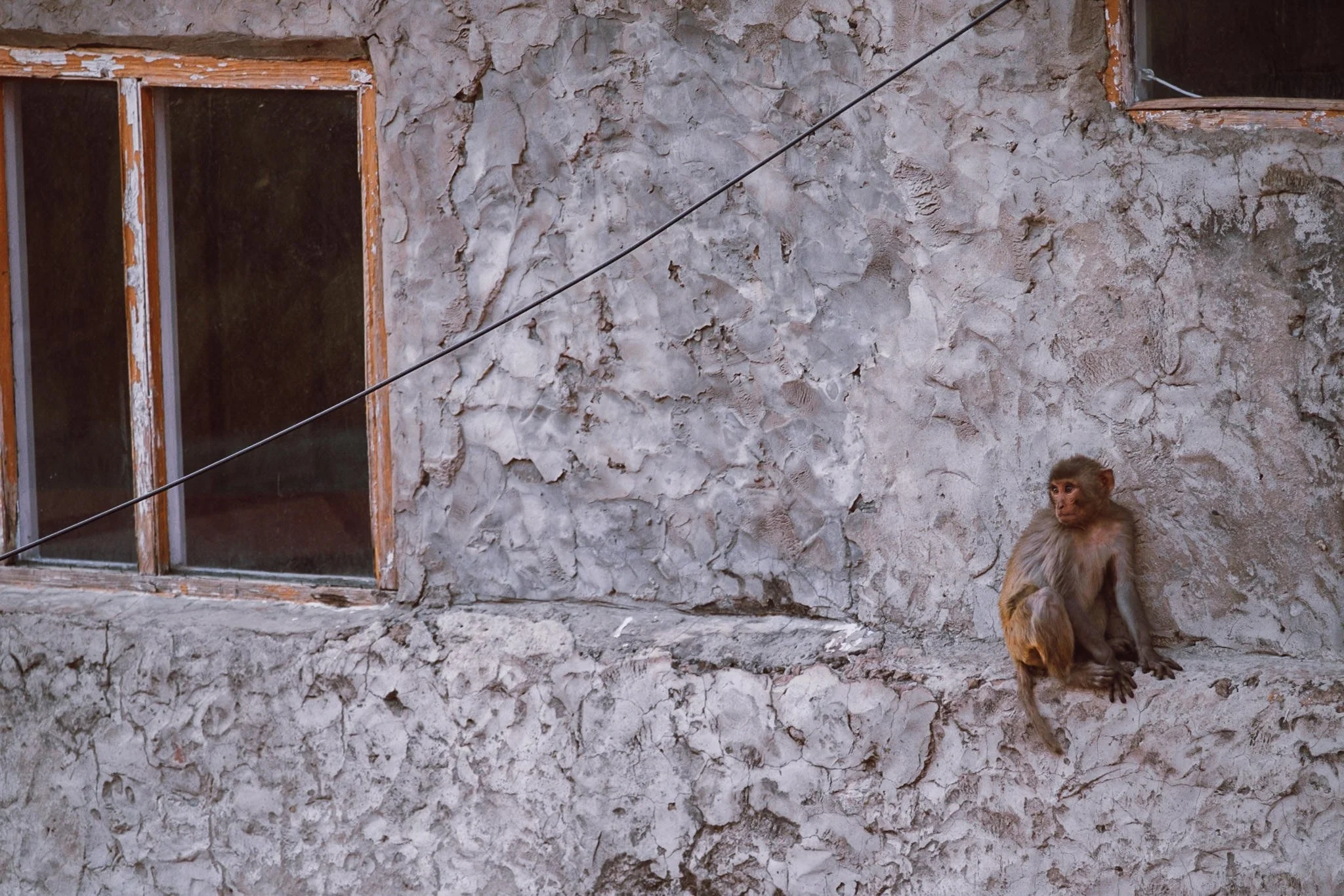
Shimla’s weather varies significantly with the seasons, from snowy winters to warm summers and occasional monsoon rains. Breaking it down month by month helps you plan your visit around comfortable temperatures, snowfall, sightseeing opportunities, and peak tourist periods.
January
Average temperature | 0–10°C
Snowfall is common in January, transforming Shimla into a winter wonderland. Daytime sightseeing is chilly but possible with proper layers. Winter sports enthusiasts will enjoy snowboarding, sledding, and nearby slopes.
Best for | Snow lovers, winter photography
Good to know | Roads can be slippery; early mornings are extremely cold
February
Average temperature | 2–12°C
February remains cold, but days slowly warm up. Snow is still possible, and the landscape retains its winter charm. Fewer tourists compared to December–January makes it easier to enjoy attractions.
Best for | Quiet sightseeing, winter sports
Good to know | Pack thermals and insulated jackets
March
Average temperature | 7–18°C
March signals the start of spring. Flowers bloom, temperatures rise, and snow recedes. Hiking trails become accessible, and attractions like The Ridge and Jakhoo Temple are more enjoyable.
Best for | Outdoor activities, scenic walks
Good to know | Shoulder season with moderate crowds
April
Average temperature | 10–22°C
April offers pleasant weather, perfect for exploring the old town and enjoying local cuisine outdoors. Clear skies provide great mountain views.
Best for | Family trips, sightseeing, photography
May
Average temperature | 15–25°C
May is one of the best months to visit Shimla. Daytime temperatures are comfortable, and nature is lush. This is also peak tourist season, so expect higher accommodation prices.
Best for | Sightseeing, cultural experiences
Good to know | Book hotels in advance
June
Average temperature | 17–30°C
June is the last month of summer before monsoon. The weather is warm but pleasant. Popular with domestic tourists escaping the plains’ heat.
Best for | Hill retreats, family holidays
Good to know | Crowds increase during school vacations
July
Average temperature | 15–25°C
Monsoon begins in July. Showers bring lush greenery, but landslides can occur on hilly roads. Sightseeing may be affected, but the low tourist numbers make for a quieter experience.
Best for | Off-season travel, photography of green landscapes
Good to know | Carry waterproof shoes and umbrella
August
Average temperature | 15–25°C
Rain continues, but Shimla is beautiful and misty. Popular trails may be slippery. Accommodation prices drop due to low season.
Best for | Slow travel, off-season bargains
Good to know | Check road conditions before day trips
September
Average temperature | 12–22°C
Monsoon recedes, roads improve, and flowers bloom. Shoulder season provides pleasant weather and fewer tourists.
Best for | Outdoor sightseeing, quiet experience
October
Average temperature | 10–20°C
One of the best months to visit Shimla. Cool temperatures, clear skies, and accessible roads. Ideal for first-time visitors.
Best for | Sightseeing, photography, family trips
November
Average temperature | 5–15°C
Crisp mornings and evenings mark November. The air is clear, but it’s colder, especially at higher elevations.
Best for | Winter photography, sightseeing before peak snow season
December
Average temperature | 0–10°C
Shimla transforms into a snowy paradise. Popular for winter holidays, Christmas, and New Year celebrations. Crowds and accommodation prices peak.
Best for | Snow experiences, winter festivals
Good to know | Book hotels well in advance
Shimla hosts a variety of lively festivals that add a rich cultural dimension to your visit. Planning your trip around these events lets you experience local traditions, music, and celebrations at their best:
Summer Festival - May or June | A celebration of Himachal Pradesh’s arts and culture with music, dance, and local crafts. The festival atmosphere brings the town alive and offers plenty of opportunities to experience local traditions.
Himachal Winter Carnival - January | Shimla transforms into a winter wonderland with snow sports, folk performances, parades, and competitions. Perfect for travellers seeking a festive and active winter experience.
Diwali - October–November | Known as the festival of lights, Diwali turns Shimla into a glowing, magical town. Streets and markets are decorated, and cultural events provide a memorable experience.
Holi - March | The festival of colours is celebrated enthusiastically in Shimla, especially in local markets and community spaces. Expect vibrant celebrations, music, and plenty of photo opportunities.
Visiting Shimla during these festivals adds excitement, cultural immersion, and unforgettable memories, though crowds and accommodation prices can increase, so early booking is recommended.
Shimla’s busiest periods are during summer vacations in May and June and winter holidays in December and January. During these months, popular attractions, hotels, and streets can feel crowded, and prices are often higher.
The best times to visit for a quieter experience are:
March | Shoulder season | Temperatures are mild and comfortable, with fewer tourists than in summer or winter peak months.
September | Post-monsoon calm | The landscape is lush after the rains, the air is fresh, and crowds are minimal.
October | Pre-winter window | The weather is crisp, sightseeing is comfortable, and visitor numbers are still relatively low before the winter peak begins.
Avoid travelling during school holidays in summer and the festive weeks around Christmas and New Year if you want to explore Shimla at a relaxed pace.
Certain months present challenges that can make sightseeing less enjoyable or even risky in Shimla.
July–August (Monsoon) | Heavy rainfall can make roads slippery and increase the risk of landslides. Outdoor activities and hill drives may be disrupted, and many trails can be muddy or unsafe.
January (Mid-Winter) | Extremely cold temperatures and heavy snowfall can limit sightseeing, particularly at higher elevations. While the snow creates a picturesque winter scene, travel and walking around the town can be difficult.
These periods are best suited only for travellers who enjoy snow sports, monsoon landscapes, or off-season adventure experiences and are prepared for unpredictable weather conditions.
For first-time visitors, the months from March to June and October to November offer the most comfortable and enjoyable experience in Shimla. During these periods, temperatures are mild, making it easy to explore bustling markets, colonial-era architecture, and scenic hiking trails without being overwhelmed by heat, snow, or rain.
March, October, and November are particularly ideal for first-time travellers, as they provide a perfect balance of pleasant weather and manageable crowds. Visiting during these shoulder months allows you to enjoy the town’s charm, natural beauty, and cultural attractions without the congestion and higher prices of peak summer or winter seasons.
Good planning during these months ensures a smooth introduction to Shimla, whether you’re walking along the Mall Road, visiting Jakhoo Temple, or taking in panoramic views from the surrounding hills.
Shimla offers a mix of heritage hotels, luxury resorts, and boutique stays, many with stunning views of the surrounding Himalayas. Staying in a central or hillside property allows you to enjoy the town’s charm while being close to major attractions like Mall Road, The Ridge, and Jakhoo Temple.
For a truly immersive experience, consider staying in a hillside property to enjoy sunrise views over the mountains or a heritage hotel to soak up Shimla’s colonial history.
The Oberoi Cecil
This historic hotel exudes colonial charm with elegantly restored rooms, fine dining, and panoramic mountain views. Its timeless décor and attentive service make it ideal for travellers seeking a luxurious and classic Shimla experience.
Wildflower Hall, An Oberoi Resort
Perched in the forests above Shimla, this luxury resort features villas with private balconies, a full-service spa, and sweeping Himalayan vistas. Perfect for those wanting a serene retreat while remaining close to town.
Radisson Hotel Shimla
Modern luxury meets convenience at this centrally located property. Comfortable rooms, contemporary amenities, and easy access to Mall Road and The Ridge make it a practical yet stylish base for exploring Shimla.
Looking for something else? Use our interactive map below to book your perfect stay.
Most travellers find 2 to 3 days ideal to experience Shimla without feeling rushed. This allows time to explore the town’s colonial charm, local markets, and surrounding hill stations.
Day 1 - Mall Road & The Ridge | Start your trip at the heart of Shimla. Walk along The Ridge, taking in panoramic mountain views and the iconic Christ Church. Explore Lakkar Bazaar for handicrafts and souvenirs, and enjoy coffee or snacks at one of the quaint local cafés. Evening strolls along Mall Road give you a sense of the town’s rhythm and charm.
Day 2 - Heritage & Temples | Dedicate this day to Shimla’s colonial history and spiritual sites. Visit the Viceregal Lodge, the former summer residence of the British Viceroy, and admire its grand architecture and lush gardens. Trek or drive to Jakhoo Temple to see the giant Hanuman statue and sweeping views of the valley. Wander quiet lanes in the old town for a more local perspective and try traditional Himachali cuisine at a nearby eatery.
Day 3 - Outdoor & Scenic Trips | Take a day trip to nearby hill stations such as Kufri, Chail, or Naldehra. Enjoy adventure activities like horse riding, hiking, or skiing in winter. These scenic escapes provide a refreshing contrast to the town center and offer unforgettable Himalayan vistas. Plan your return in time to enjoy a final sunset over the mountains or a relaxed evening on Mall Road.
Packing appropriately for Shimla makes a big difference, especially with the hill station’s dramatic seasonal changes. Here’s a detailed guide to help you stay comfortable and prepared.
Winter (December–February) | Expect cold temperatures, snow, and chilly winds. Pack:
Thermals and warm layers for daytime and evenings
Insulated jackets or down coats
Gloves, woollen hats, and scarves
Waterproof boots or shoes suitable for snow and slippery pavements
Lip balm and moisturizer for dry, cold air
Sunglasses for bright winter sun and snow glare
Summer (March–June) | Pleasant weather with occasional rain. Pack:
Light layers for cooler mornings and evenings
Comfortable walking shoes for exploring Mall Road and nearby trails
Sunglasses and a sunhat for daytime protection
Light rain jacket for occasional showers, especially in May–June
Reusable water bottle to stay hydrated
Monsoon (July–September) | Rainy season with high humidity. Pack:
Waterproof shoes or sandals suitable for wet conditions
Raincoat or poncho
Compact umbrella
Quick-dry clothing
Backpack cover or waterproof bag for electronics
Insect repellent for forested or damp areas
Optional Items for All Seasons:
Camera or smartphone for stunning mountain vistas
Power bank for long day trips
Daypack for snacks, water, and essentials during hikes
Travel-sized first aid kit
India is an incredible destination, but planning the right itinerary can be overwhelming.
India Someday creates fully personalised India trips based on your travel style, handling all logistics and planning so you can focus on the experience and enjoy a stress-free journey.
Get 15% off India Someday planning fees by using code 'FOA'.
Is Shimla worth visiting all year round?
Yes, but the experience varies by season. Winter offers snow and festive charm, summer is pleasant for sightseeing and hill walks, and monsoon brings lush greenery but carries risks like slippery roads and landslides.
What is the coldest month in Shimla?
January is the coldest month. Night temperatures often drop below freezing, and snowfall is common, especially in higher elevations.
What is the hottest month in Shimla?
June is the warmest month, with temperatures reaching up to 30°C. Even then, Shimla remains mild compared to the plains of India.
Is Shimla safe during the monsoon season?
Generally yes, but heavy rainfall can make roads slippery and cause landslides. Avoid high-altitude treks or remote trails during intense rain.
Is Shimla suitable for first-time visitors to India?
Yes, it is perfect for first-time visitors due to its manageable size, scenic landscapes, colonial architecture, and well-developed tourism infrastructure.
How many days do you need in Shimla?
2–3 days is enough to cover the main attractions. 4–5 days allows for day trips to nearby spots like Kufri, Chail, or Naldehra and a more relaxed pace.
When is Shimla most crowded?
Peak times include summer school holidays, Christmas and New Year, and festivals like the Himachal Winter Carnival. Expect busy hotels and crowded attractions during these periods.
Is Shimla expensive during peak season?
Yes, hotel rates and tour prices rise during winter and summer vacations. Early booking can help secure better deals.
What is the best month to visit Shimla for sightseeing?
March to June and October to November are ideal. Temperatures are comfortable, crowds are manageable, and outdoor activities like hiking and sightseeing are enjoyable.
Can you do winter sports in Shimla?
Yes, Shimla and nearby hill stations offer snowboarding, skiing, sledding, and other snow activities from December to February, especially in Kufri and surrounding slopes.
Are taxis and public transport available in Shimla?
Yes, taxis, shared cabs, and buses are widely available. However, walking around the Mall Road and The Ridge is often the easiest way to explore the town.
Is Shimla good for solo travellers or families?
Yes, Shimla caters to all types of travellers. Its compact size, safe streets, and abundance of hotels and activities make it ideal for families, couples, and solo travellers alike.
What should I wear when visiting Shimla?
Dress according to the season. Warm layers and waterproof shoes for winter and monsoon, light layers and comfortable walking shoes for summer. Sunglasses and sun protection are recommended year-round.
Plan your next adventure
If you book through our links, you help support our website at no extra cost to you - thank you!