This post may contain affiliate links, which means if you purchase through these links, we may receive a small commission at no cost to you. Thank you for supporting our website.
Tamil Nadu, tucked in the heart of South India, offers a rare glimpse into India’s past, where ancient traditions, majestic temples and daily life remain deeply intertwined. With its rich history, cultural legacy and diverse landscapes, it has something to offer every curious traveller.
From the magnificent Great Living Chola Temples to the crumbling Chettinad mansions, the charming streets of Pondicherry, and the cultural capital of Madurai. Tamil Nadu is a region full of contrast and character. Discover the utopian community of Auroville and some of the best South Indian cuisine in the country.
This 14-day Tamil Nadu itinerary brings together the region’s most iconic temples, including UNESCO World Heritage Sites, coastal escapes, and heritage towns, into a carefully designed route with insider knowledge from India Someday.
We were hosted by India Someday for this 2-week itinerary, which offers an exciting journey through Tamil Nadu, combining key cultural highlights and handpicked stays for a seamless experience of the region.
India is an incredible destination, but planning the right itinerary can be overwhelming.
India Someday creates fully personalised India trips based on your travel style, handling all logistics and planning so you can focus on the experience and enjoy a stress-free journey.
Get 15% off India Someday planning fees by using code 'FOA'.
How to Use This Guide
Jump to any section using the Contents Table below. Click a heading in the guide to pop back to the contents and explore other sections.
Contents
Tamil Nadu has a tropical climate, with warm coastal areas and slightly cooler conditions in the hill regions. This itinerary focuses mainly on the coast and interior, where temperatures stay warm throughout the year.
The region experiences two distinct monsoon seasons. The Southwest monsoon arrives roughly between June and September, bringing intermittent rainfall and humidity. This is followed by the Northeast monsoon from October to December, which brings the heaviest rainfall of the year, particularly across coastal and southern parts of the state.
The hottest months are from March to May, when temperatures can exceed 40°C in some areas. For the most comfortable conditions, the best time to visit is between December and mid-March, when rainfall is minimal and temperatures are more pleasant for exploring.
During our trip, we experienced above-average temperatures, which meant adjusting our days around the heat. Early mornings were ideal for sightseeing, followed by a slower pace during the middle of the day, and then exploring again from late afternoon onwards. The heat can be intense at times, so staying hydrated, taking breaks in the shade, and pacing yourself make a big difference.
Ok, just a heads up, the India visa process does require some patience. It’s easily one of our least favourite parts of planning a trip here. We’ve done it several times now, and honestly, it hasn’t got much easier, aside from the fact you no longer have to go into London for an embassy appointment.
The best option is to apply for an e-Tourist Visa. It’s done online and typically gives you 30 days in India with double entry, so you can leave and re-enter once. We’d recommend applying well in advance, at least a month or more before you plan to arrive.
To apply, your passport needs at least 6 months’ validity from your arrival date. You’ll also need a passport-style photo with a white background, and there’s a fee to pay online, which varies depending on your nationality.
One important thing to know is that if you overstay your e-visa, it can’t be extended, and you’ll need to apply for an exit permit instead.
If you’d rather not deal with the process yourself, you can always use a company like India Someday to sort it for you.
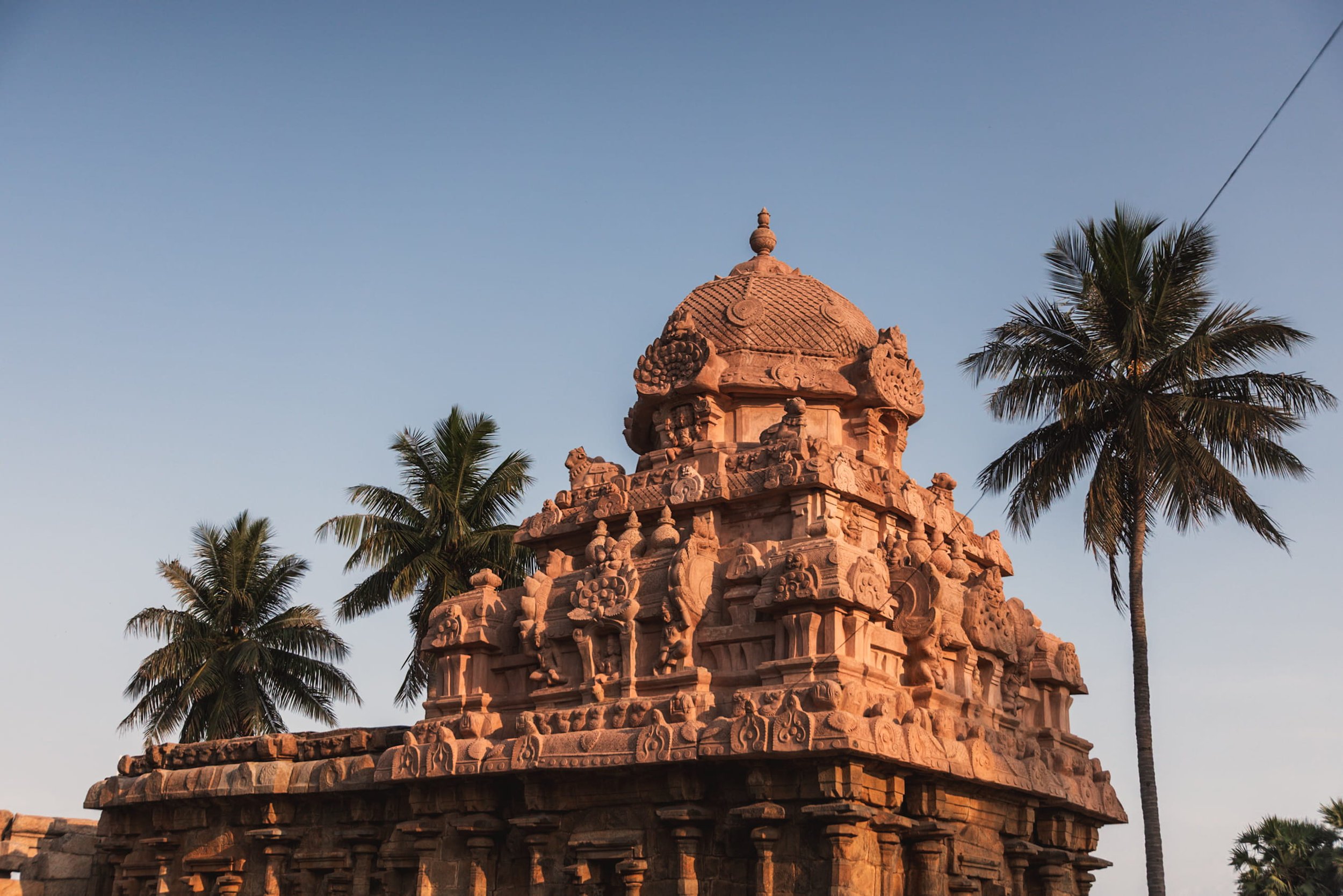
The region of Tamil Nadu is best known for its unbelievable temple architecture, especially the towering Dravidian-style temples that date back thousands of years.
Many of these, including UNESCO World Heritage Sites like the Great Living Chola Temples, are still active places of worship today and remain at the heart of daily life, giving an insight into Tamil traditions.
It’s also famous for its strong cultural identity, music and dance traditions, and its distinct South Indian cuisine, from dosas and idlis to rich Chettinad curries.
Beyond the culture, you’ll find colonial charm in places like Pondicherry, and the beautifully preserved heritage mansions of Chettinad, which reflect the region’s trading history and craftsmanship.
Plan your next adventure
If you book through our links, you help support our website at no extra cost to you - thank you!
Day 1-2 Mumbai
Day 3-4 Chennai
Day 5 Mahabalipuram
Day 6-8 Pondicherry
Day 9 - Auroville
Day 10-12 Chettinad
Day 13-14 Madurai
While technically not part of Tamil Nadu, it’s more than likely you’ll arrive in Mumbai, making it the perfect starting point for this South India itinerary. It also offers a gentler introduction to India compared to cities like Delhi, which can feel more intense for first-time visitors.
Known as the City of Dreams, Mumbai is a mix of colonial architecture, endless energy, and a thriving café and food scene. We based ourselves in Fort, in South Mumbai, a historic area that sits right at the heart of the city’s heritage.
This is a great place to ease into India’s food culture, from roadside chai and historic bakeries to buzzing cafés. India Someday organised a female-led food tour for us, which was such a brilliant introduction to the city’s street food scene. We tried classics like the Bombay sandwich, crispy chaat, and our personal favourite, pani puri, a great way to build confidence in exploring new flavours early in the trip.
STAY | Residency Hotel Fort
Located in the heart of South Mumbai, Residency Hotel Fort offers comfortable rooms in an ideal location close to many nearby sites within walking distance or a short metro ride away. It’s easily reached by the metro to and from the Chhatrapati Shivaji International Airport.
As the capital of Tamil Nadu and the manufacturing heart of India, Chennai produces more cars than anywhere else in the country, earning it the nickname “Detroit of India.” Sitting on the Bay of Bengal, the city blends sandy beaches, beautiful temples, and historic landmarks.
Formerly known as Madras, you’ll still hear the name used interchangeably. For those who enjoy exploring cities, there’s plenty to see, from the impressive San Thome Basilica to Fort St. George, along with more relaxed spots like Amethyst, a romantic garden café that’s well worth a stop.
You don’t need much more than a full day to explore Chennai, so we’d recommend arriving, taking it easy, and then heading out to explore properly the following day.
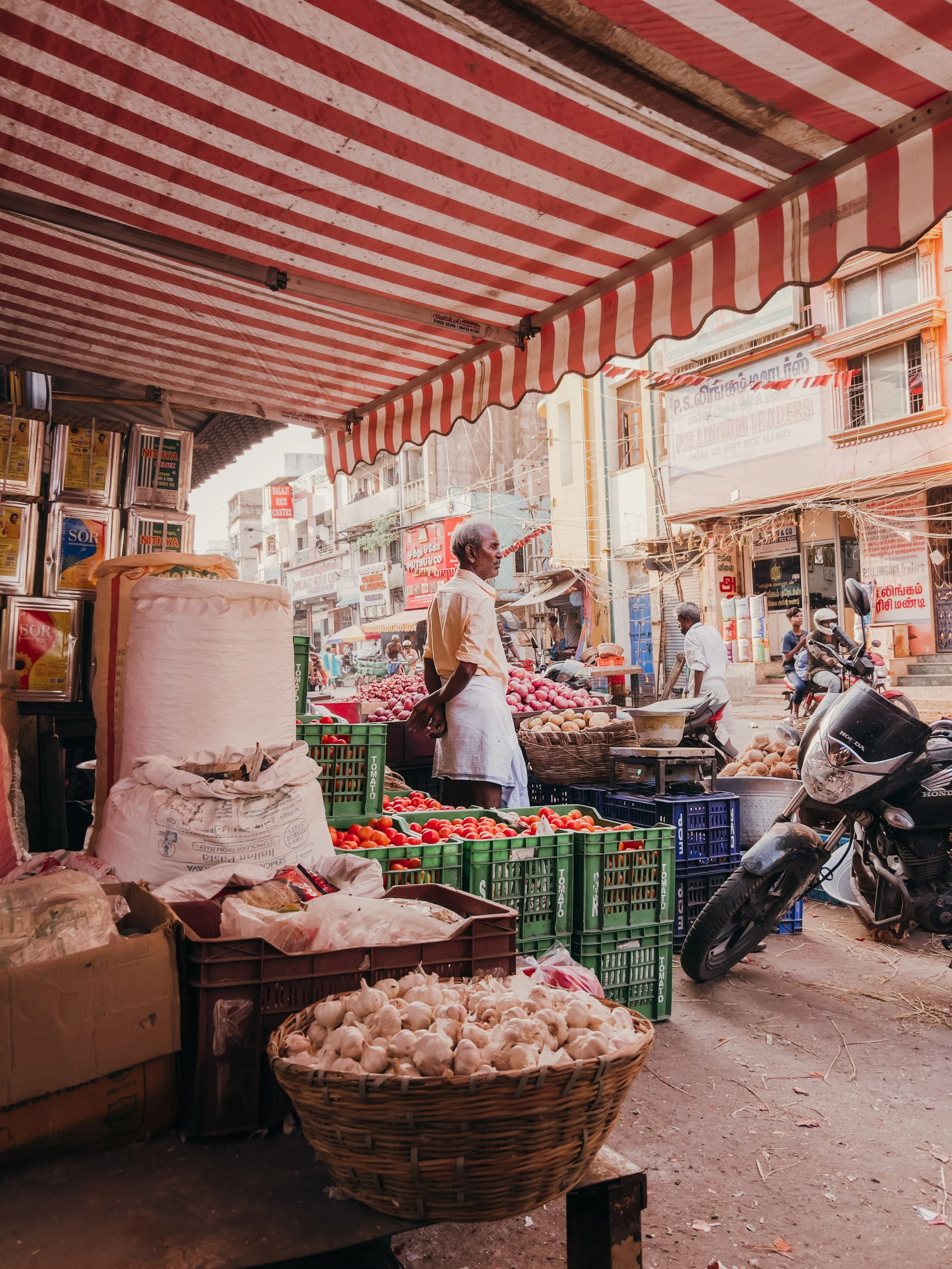
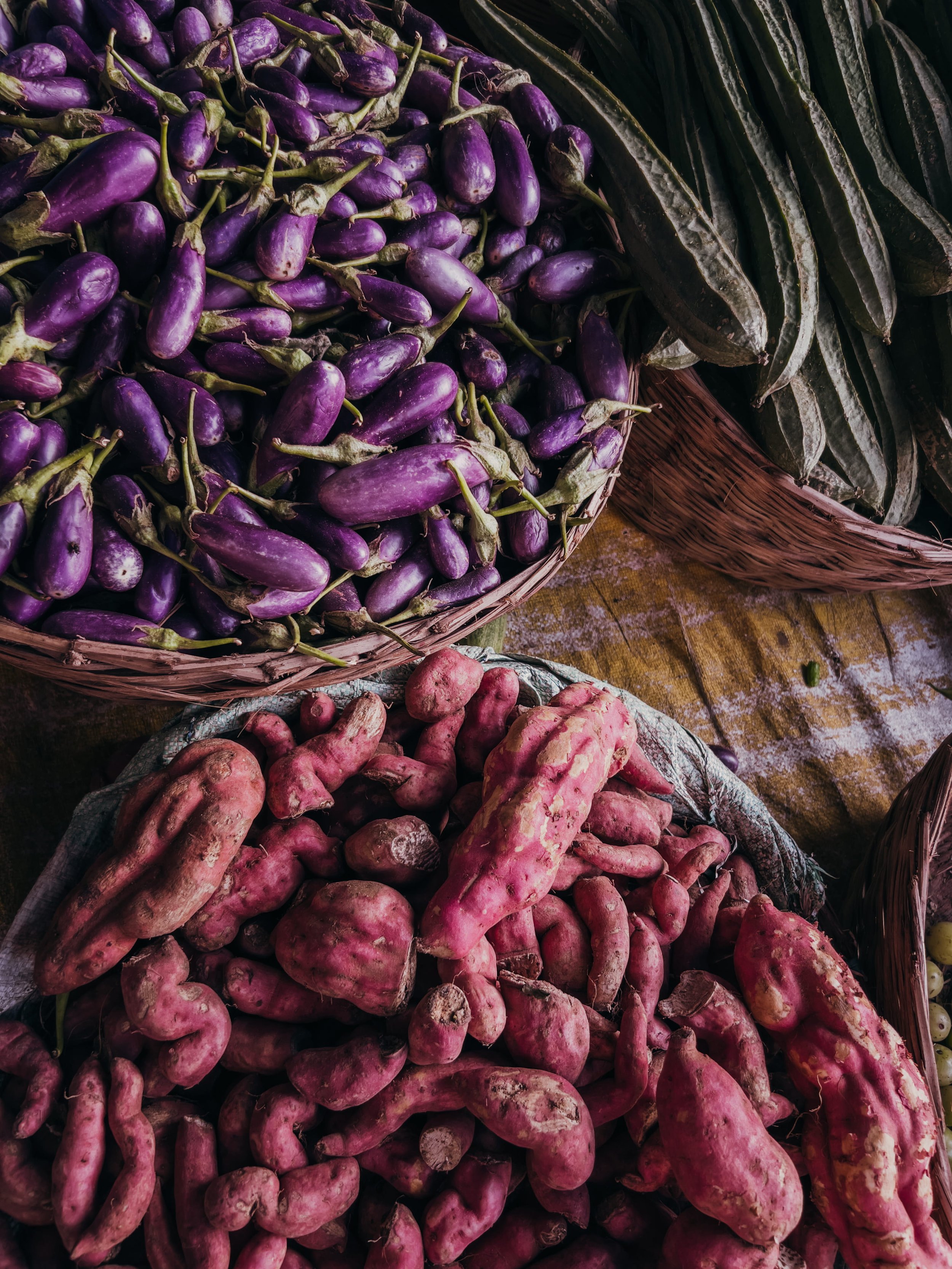
One of our highlights was a walking tour organised by India Someday, where Lakshmi brought the city to life through her stories. We wandered through the old vegetable and flower markets, learning about local produce and the people behind it, while also spotting beautiful, often overlooked architecture along the way.
While a day is enough for most, many travellers choose to move on quickly to Mahabalipuram for a quieter coastal stay, or spend longer unwinding in Pondicherry.
STAY | Taj Clubhouse
A modern, cosmopolitan hotel located in the city centre within walking distance of some sites. There are facilities including a rooftop pool, a gym, breakfast and comfortable rooms.
The highlight of Mahabalipuram is the UNESCO Mahabalipuram Shore Temple, an iconic seaside structure and one of the oldest structural stone temples in South India. Set dramatically against the Bay of Bengal, it’s best visited early in the morning when the light is soft, the crowds are minimal, and temperatures are far more comfortable.
It’s best to allow around an hour to visit the Mahabalipuram Shore Temple, and going early in the day makes a big difference both for comfort and experience.
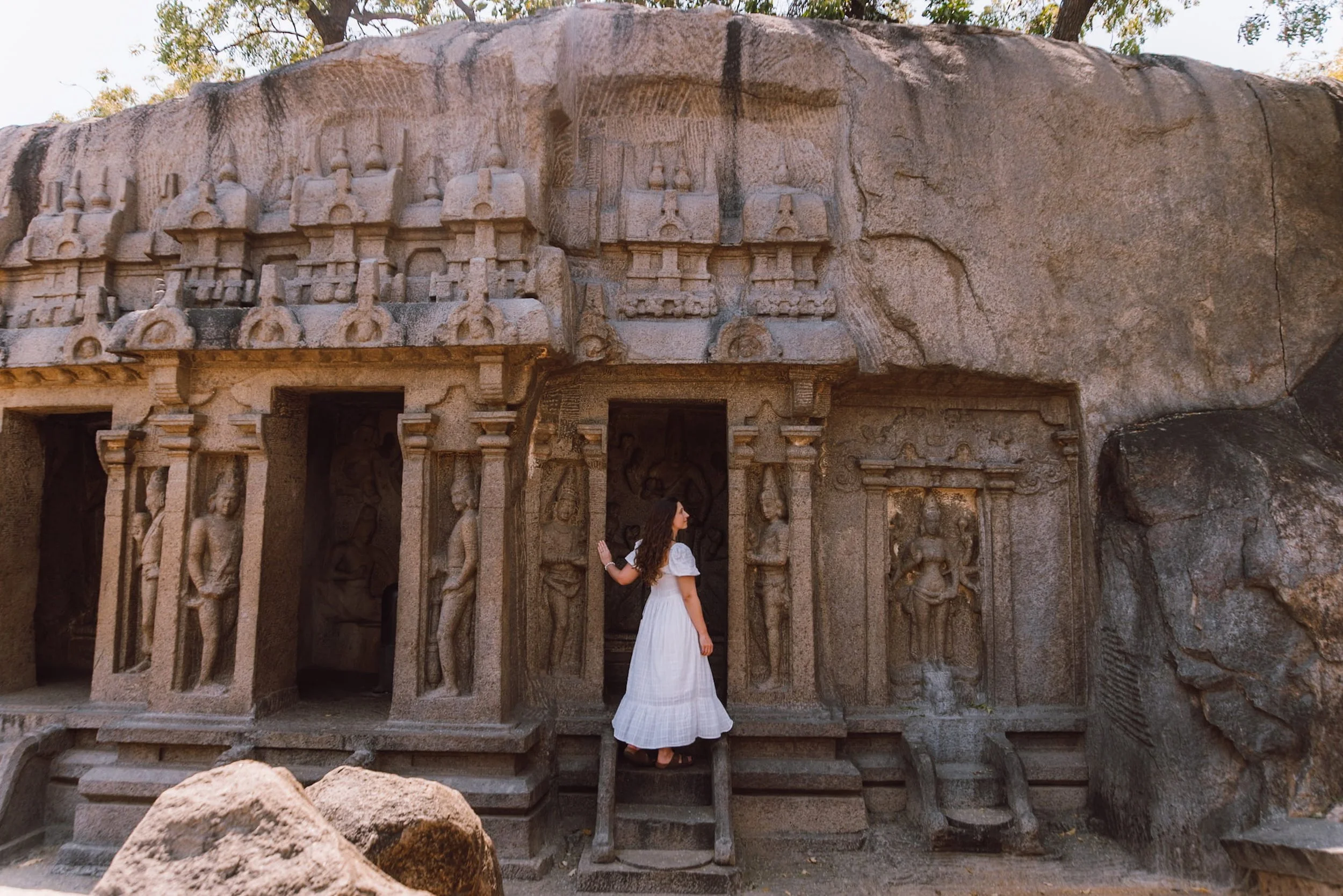
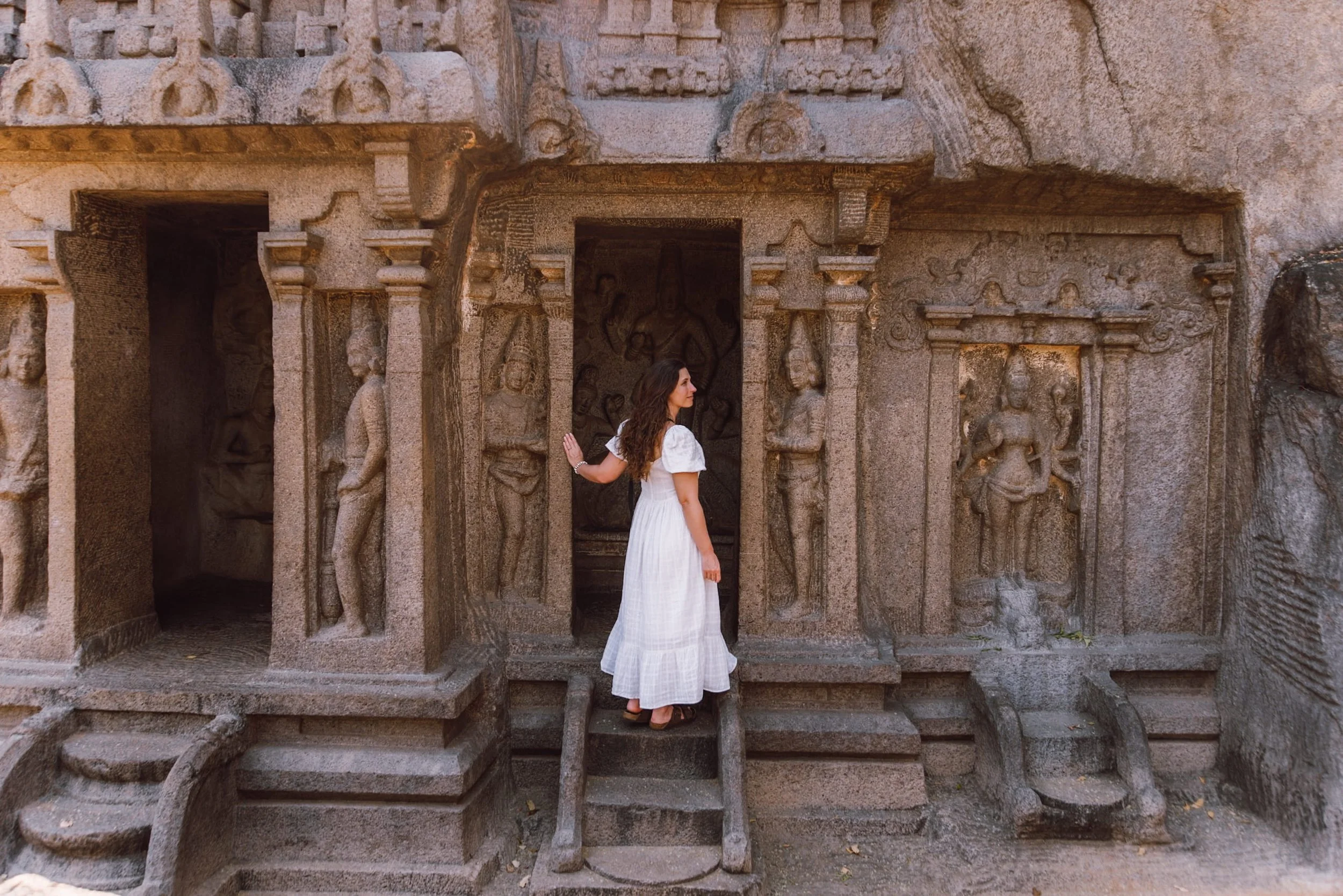
From the Mahabalipuram Shore Temple, your ticket also includes entry to the wider Group of Monuments at Mahabalipuram, a collection of cave temples, intricate stone carvings, and sculpted reliefs carved directly into granite rock.
Dating back to the 7th and 8th centuries under the Pallava dynasty, these structures are some of the oldest surviving examples of rock-cut architecture in India. More than 40 monuments remain today, and while the site is relatively compact, each is unique and tells its own story.
Only a one-hour drive from Chennai, Mahabalipuram also works well as a beach escape, with sea-view resorts offering a relaxed place to slow down and relax on the beach.
STAY | Radisson Blu Temple Resort
Beachfront resort with the largest pool in South Asia, beautiful grounds and a seafood restaurant with private beach access.
Day 6-8 Puducherry (Pondicherry)
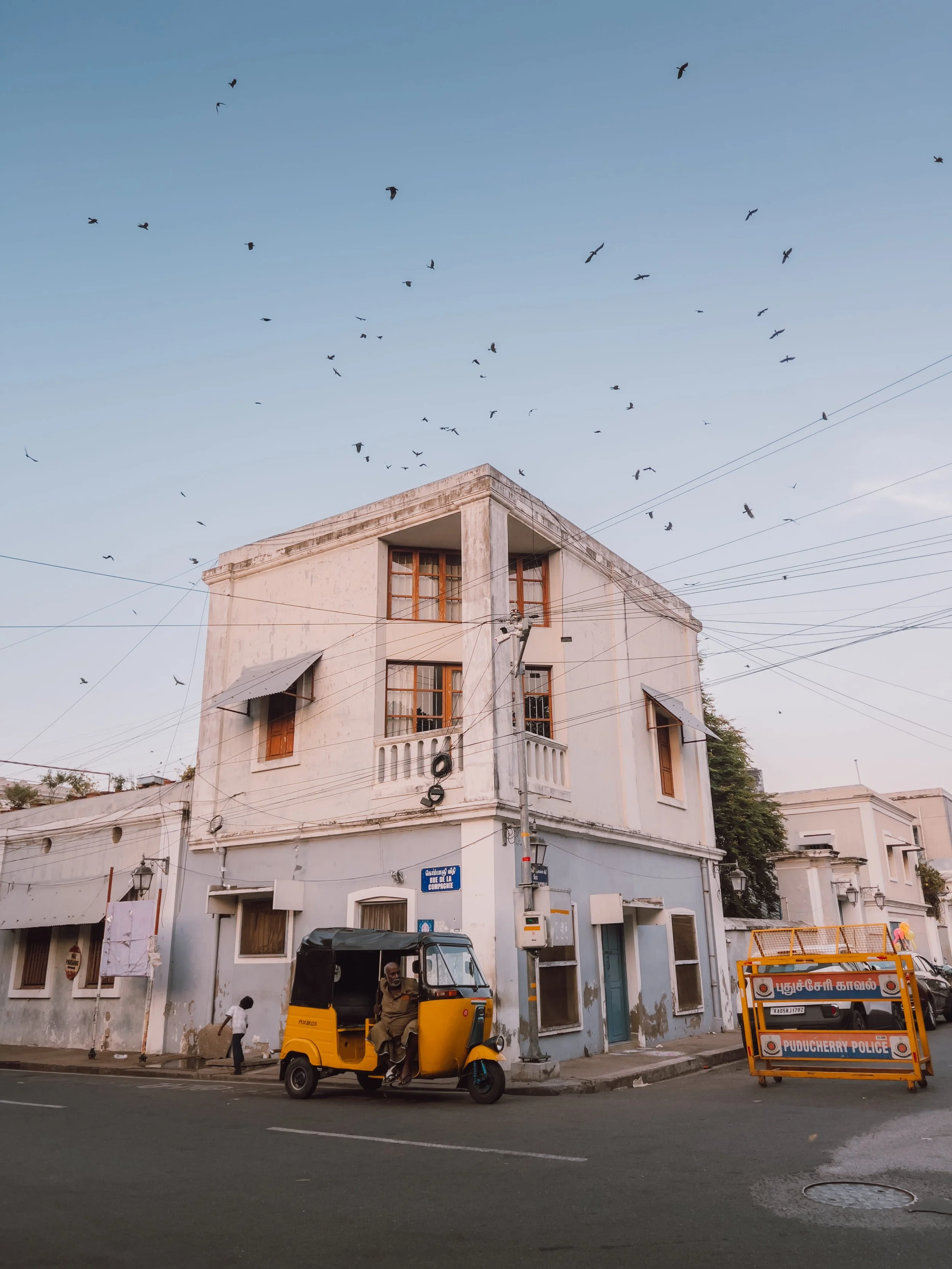
Puducherry (formerly Pondicherry) is a coastal town full of French colonial charm, romance, and a laid-back seaside ambience. Some of the early scenes from Life of Pi were filmed here, and it’s easy to see why filmmakers and photographers are drawn to its picture-perfect streets.
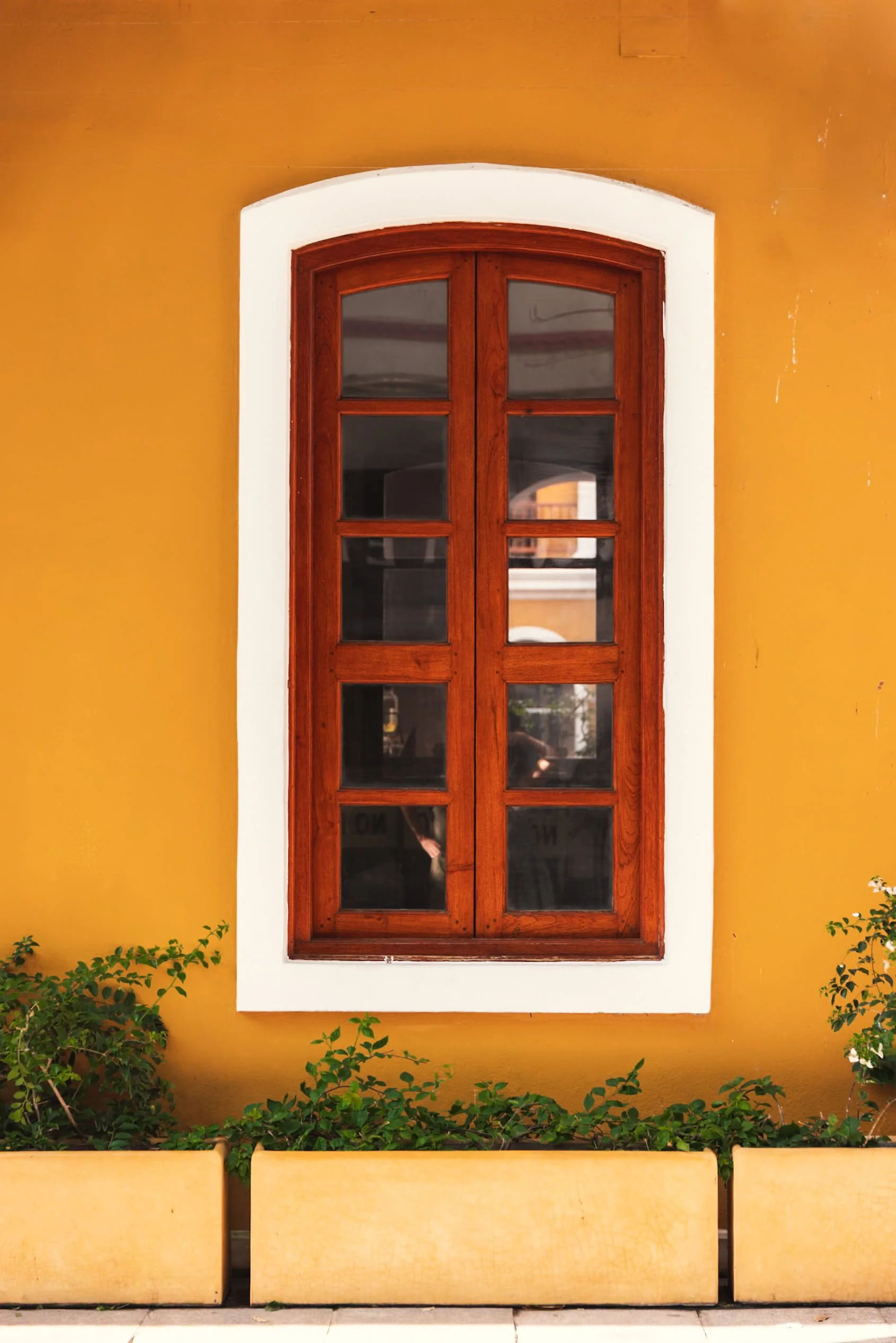
Today, it has a slightly cosmopolitan feel, with pastel-coloured cafés, bougainvillaea-draped lanes, and candy-hued churches that make it one of the most photogenic towns in South India.
The town is divided by a canal that once marked the separation between White Town and Black Town, a reminder of the historical divide between French colonists and Tamil residents. Rather than following a fixed list of photo spots, just take a walk. The charm of Puducherry is often found in the quieter side streets, unexpected moments watching everyday life unfolding around you.
Unlike the busier streets of Chennai or Mumbai, Puducherry feels noticeably slower and more relaxed; it’s worth hiring a bike and exploring the quiet, almost traffic-free streets.
STAY | Gratitude Heritage
Beautifully restored ‘colonial home’ with a peaceful central courtyard and boutique rooms that showcase authentic touches, such as copper baths and old photographs adorning the walls.
India is an incredible destination, but planning the right itinerary can be overwhelming.
India Someday creates fully personalised India trips based on your travel style, handling all logistics and planning so you can focus on the experience and enjoy a stress-free journey.
Get 15% off India Someday planning fees by using code 'FOA'.
A visit to Auroville makes for a fascinating day trip from Pondicherry. This unique, utopian community was envisioned by Mirra Alfassa, known as The Mother, and is centred around the idea of people from all backgrounds living together in peace and harmony, inspired by the teachings of Sri Aurobindo.
It’s also deeply rooted in sustainability, with a strong focus on eco-conscious living, reforestation, and community-led initiatives that aim to minimise environmental impact and promote a more mindful way of life.
At its heart sits the striking golden Matrimandir, a surreal, almost otherworldly structure surrounded by peaceful gardens and anchored by a vast banyan tree. It’s easily the most impressive sight in Auroville. We only spent a morning here, but you could easily commit a full day to discovering the cafés, craft workshops, and initiatives that make Auroville feel so different from anywhere else in India.
STAY | CGH Earth Experience Sanctuary Amaidiyana
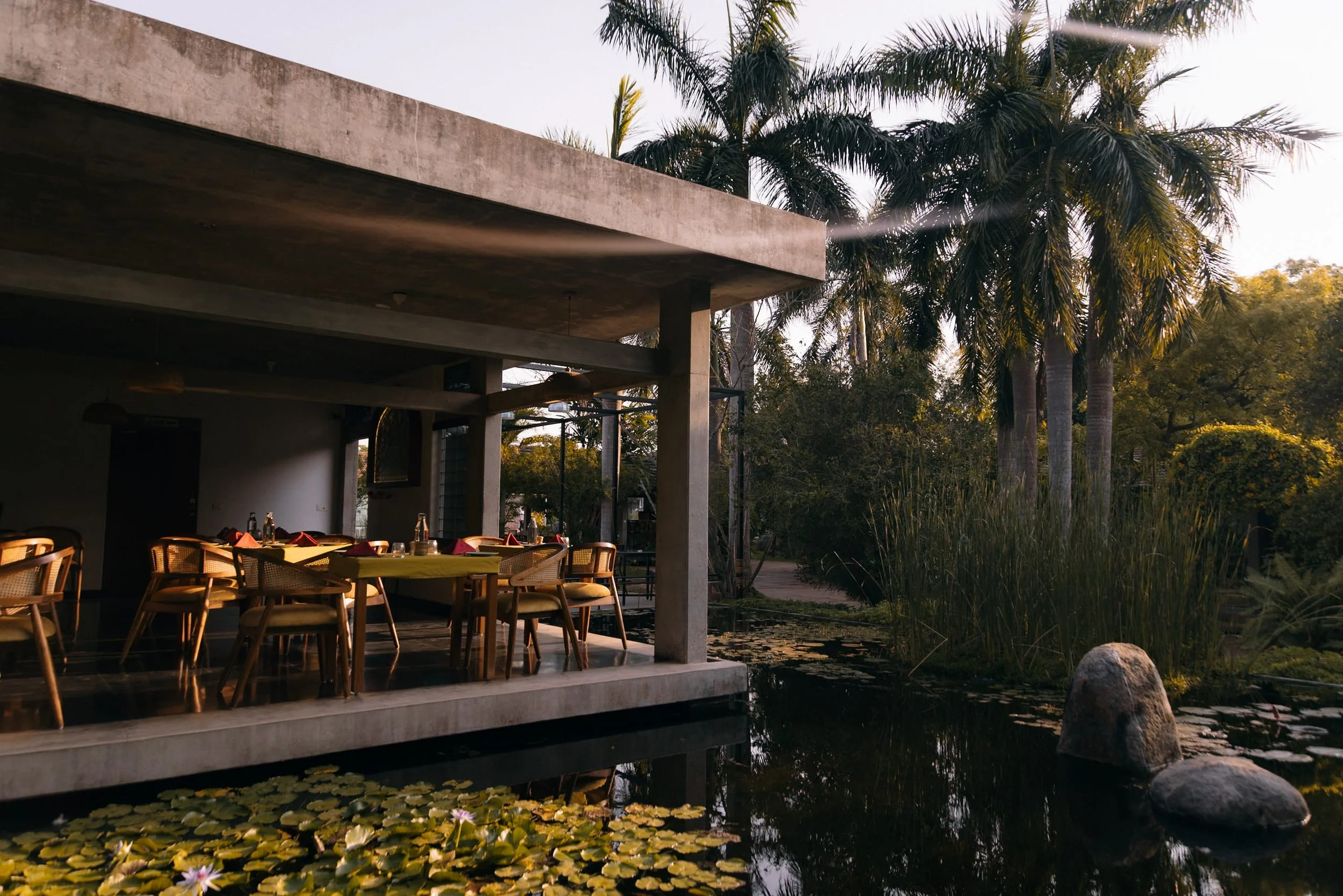
A recently refurbished, calm sanctuary designed for complete relaxation. The property is centred around a beautiful lily pond that wraps around the restaurant, creating a peaceful, meditative setting.
Rooms are spacious and luxurious, and the on-site Ayurvedic spa is a real highlight, offering treatments including watsu, a gentle water-based therapy that’s still quite rare in India. The food is excellent, and with an easy-access pool and lush, vibrant grounds, it’s the perfect place to slow down for a few days.
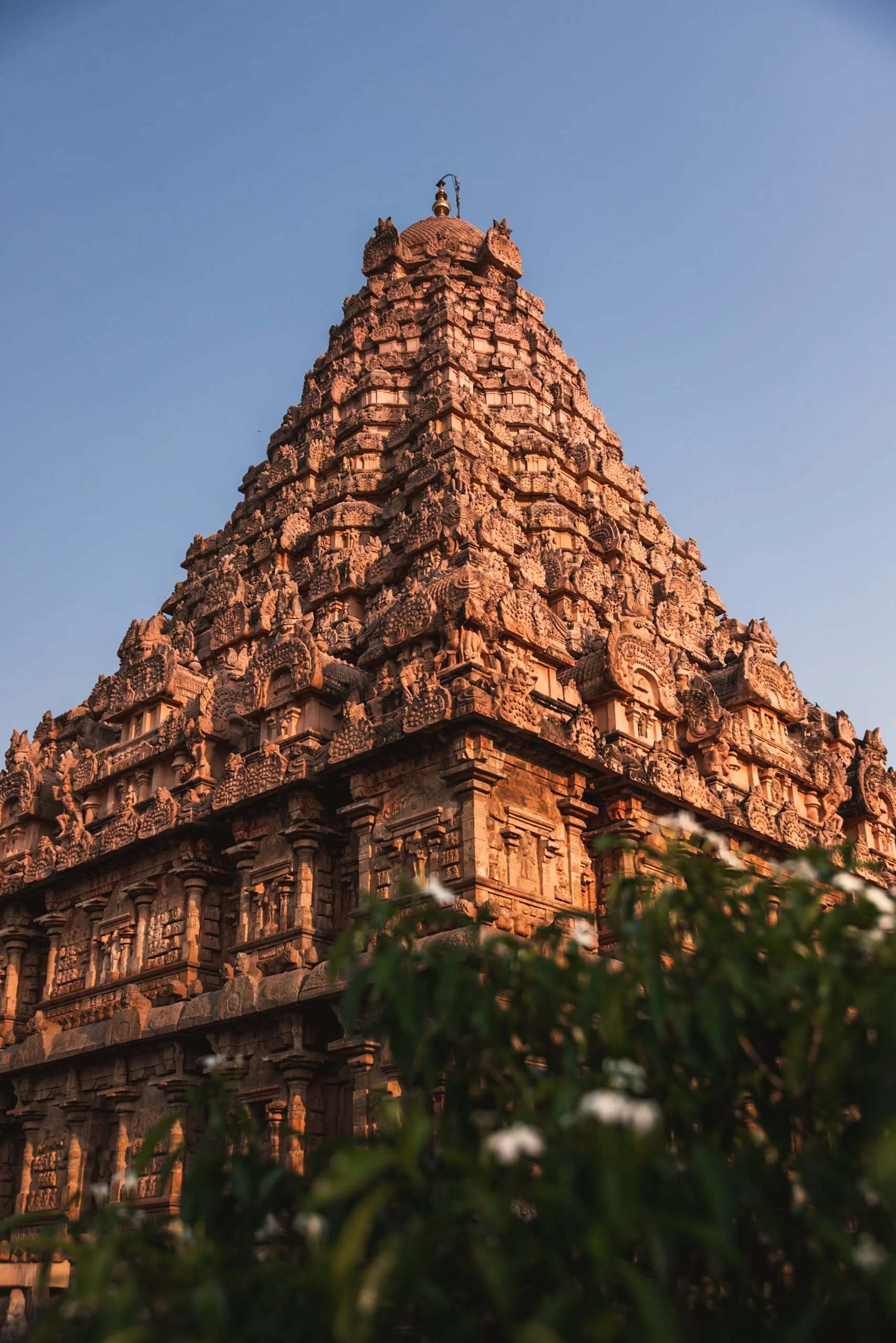
On your way to Chettinad, stop by the Brihadisvara Temple, Gangaikonda Cholapuram, one of the Great Chola temples and a UNESCO World Heritage Site. If possible, visit early in the morning or evening to avoid crowds and heat.
Chettinad is made up of 73 villages, where you would not expect to find over 11,000 mansions surrounded by rice paddies and palm trees.
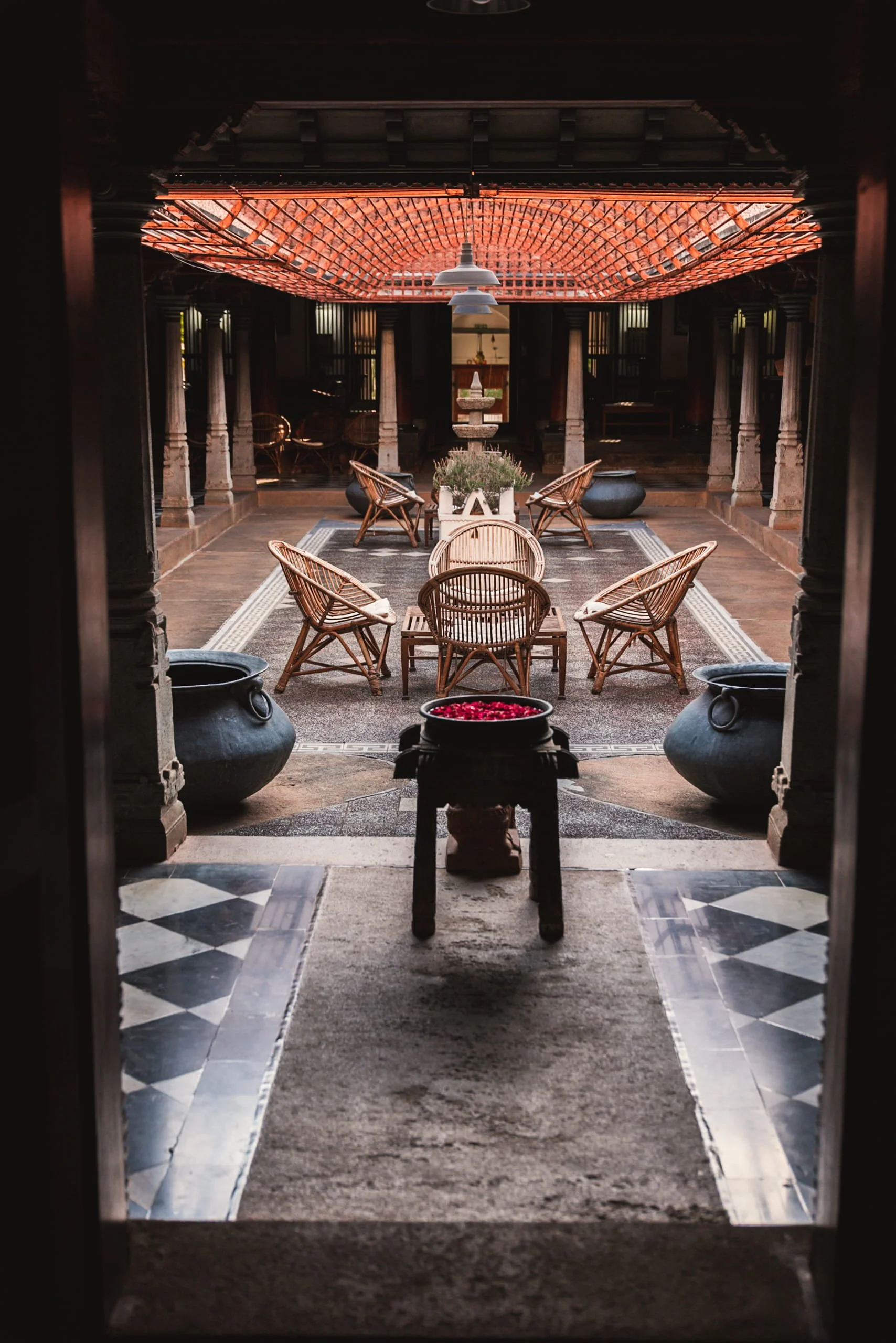
Exploring the many forgotten and crumbling mansions is a real highlight. They offer a glimpse into the lives of the former merchant families who traded spices and gems across Asia and used their wealth to build extravagant homes, many of which have since fallen into ruin.
Today, some have been carefully converted into boutique hotels, others are still maintained by family members and can be visited for a small fee, while a few have even been used as film sets.
Handcrafts such as Chettinad cement tiles are a thriving local industry that emerged when these grand homes could no longer rely on imported materials. The result is beautifully vibrant, handmade tiles that are still produced today using traditional techniques, and it’s possible to visit workshops to see how they’re made. Be prepared to leave a small tip, as there’s usually no formal entrance fee.
STAY | Saratha Villas
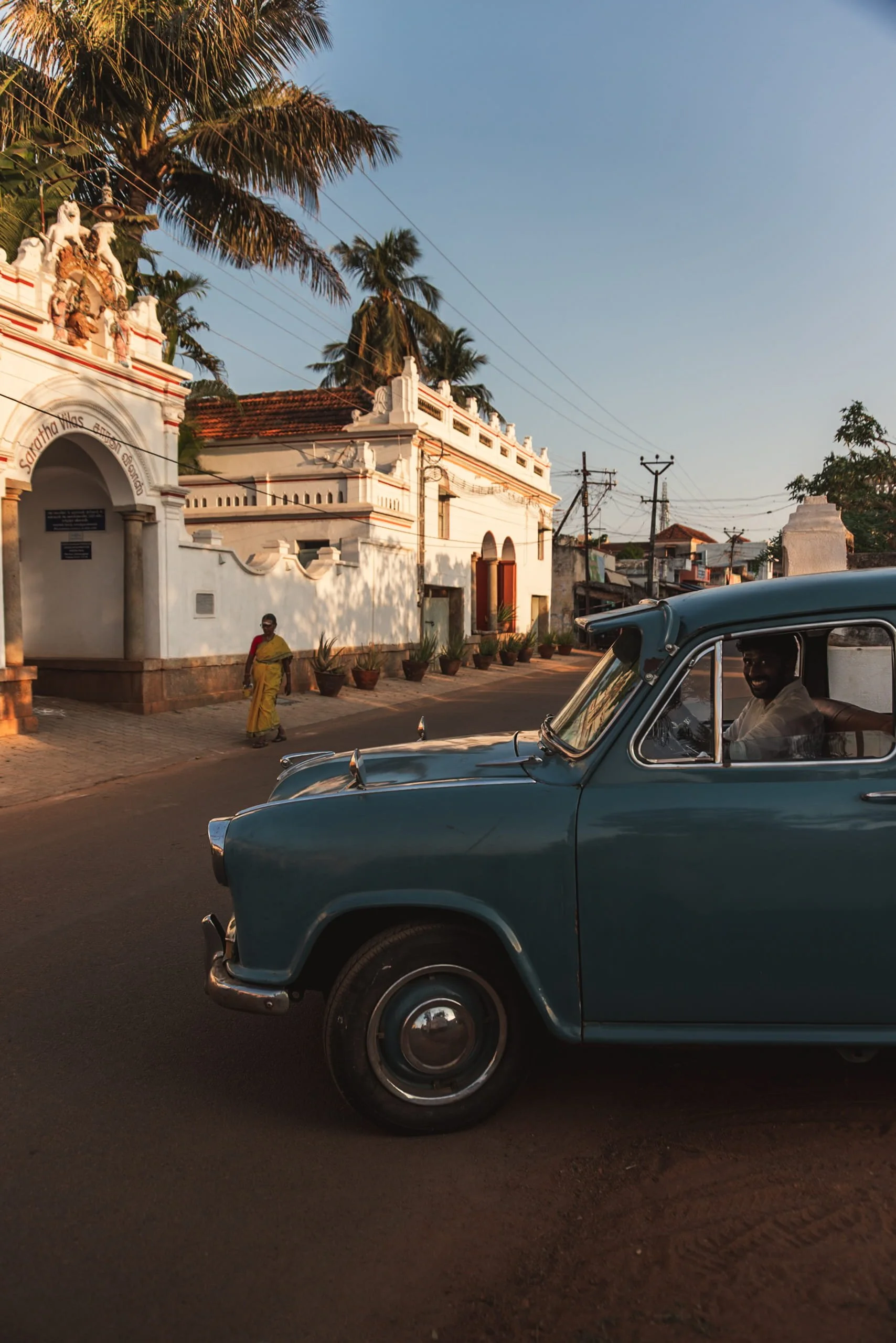
A passion project by two French architects who restored an original Chettinad mansion with great care and attention to detail. The property offers curated experiences, including thematic mansion tours, cooking classes, and Ayurvedic treatments (some of the best we had in India).
You can also explore the surrounding area in a classic Ambassador car, which adds to the feeling of stepping back in time and makes for a truly unique stay.
The cultural heart and soul of Tamil Nadu, Madurai is an ancient city dating back over 2,500 years, making it one of India’s oldest cities. Many come here on a spiritual pilgrimage to the Meenakshi Amman Temple, a Hindu temple, to make offerings and experience its stunning architecture and atmosphere.
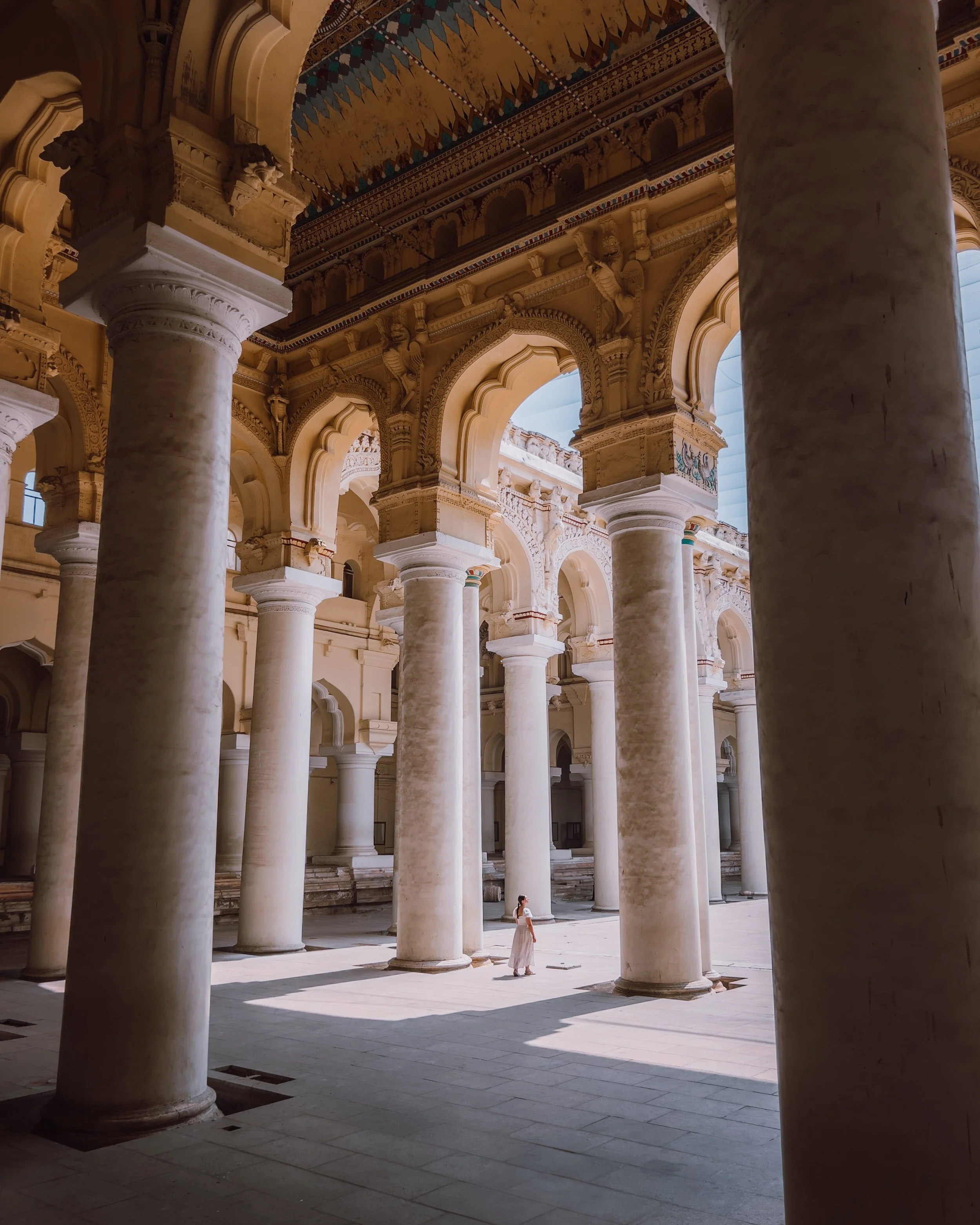
The Thirumalai Nayakkar Mahal is another highlight and well worth a visit. Built in the 17th-century, the palace is known for Dravidian and Rajput architectural styles, with towering pillars and beautifully carved ceilings.
Located close to the Meenakshi temple, we’d also highly recommend taking time to wander the surrounding streets. Here you’ll find bustling markets selling bronze statues, colourful sarees and fragrant jasmine flowers, ideal for picking up a souvenir or two.
STAY | Heritage Madurai
Staying at Heritage Madurai feels like a world away from the busy city. Set across 13 acres of lush gardens and ancient trees, this 5-star property offers a peaceful retreat in the heart of Madurai.
There are over 70 rooms to choose from, and we stayed in a luxury plunge pool room, the perfect place to unwind after a day exploring the streets and temples of the city.
What language do they speak in Tamil Nadu?
The main language spoken in Tamil Nadu is Tamil. English is also widely understood in cities, hotels, and tourist areas, so getting around is generally straightforward.
Is it safe for women in Tamil Nadu?
Yes, Tamil Nadu is generally considered one of the safer states in India for travellers, including women. As with anywhere, it’s important to take normal precautions, dress modestly in rural or religious areas, and be mindful at night.
There are also a few reassuring measures in place, including initiatives like the “Pink Patrol”, a police unit focused on women’s safety, as well as women-only carriages on some metro and train services.
You may find that some people, usually men, will start a conversation with the intention of asking for a photo. In most cases it’s harmless, but it isn’t always clear why they want it, so it’s completely fine to politely decline if you’re not comfortable.
You may also notice some staring, which can feel a little intrusive at first, but you’ll likely get used to it over time.
What is famous in Tamil Nadu to buy?
Tamil Nadu is known for silk sarees (especially from Kanchipuram), bronze sculptures, handwoven textiles, Tanjore paintings, and Chettinad tiles. Local spices and filter coffee also make great souvenirs.
What is unique about Tamil Nadu?
Tamil Nadu stands out for its incredible temple architecture, especially the UNESCO-listed Dravidian temples, along with its deep cultural heritage that’s still very much part of daily life. You’ll also find a strong culinary identity, heritage mansions in Chettinad, and a coastline dotted with colonial towns like Pondicherry.
What are the main cities in Tamil Nadu?
The main cities include Chennai (the capital), Madurai (the cultural heart), Coimbatore (a major industrial hub), Trichy (Tiruchirappalli), and Salem. For travellers, Chennai and Madurai are usually the key entry points.
What’s the best way to get to Tamil Nadu?
Most international travellers fly into Chennai, which is well connected to major hubs like Dubai, Singapore, and London (via connections). From there, it’s easy to travel around the state by private driver, train, or short domestic flights, depending on your route. We flew into Mumbai from London and then onto Chennai.
What are the best tour operators for a cultural itinerary through Tamil Nadu?
We travelled with India Someday, who specialise in fully personalised India itineraries and handled everything from route planning to experiences and stays. Other well-known options include boutique India specialists like G Adventures or Intrepid Travel if you prefer group trips, but for a tailored cultural itinerary, a bespoke operator is usually the best fit.
Plan your next adventure
If you book through our links, you help support our website at no extra cost to you - thank you!
Watch our Experience on YouTube
READ our India Guides
When Is the Best Time to Visit Jodhpur? A Complete Month-by-Month Guide
Best Time to Visit Jaipur | Weather by Month, Festivals, Where to Stay & Travel Tips
Ranthambore National Park | Best Months to Visit for Safaris and Wildlife Sightings