This post may contain affiliate links, which means if you purchase through these links, we may receive a small commission at no cost to you. Thank you for supporting our website.
Sri Lanka, an island in the heart of the Indian Ocean, is a destination where ancient culture, dramatic landscapes and tropical coastlines come together in one unforgettable journey. From sacred temples and UNESCO World Heritage Sites to misty tea plantations, wildlife-filled national parks and palm-fringed beaches, it offers an incredible variety of experiences within just a few hours of travel.
From climbing the iconic Lion’s Rock in Sigiriya to spotting elephants on safari in Yala National Park, riding one of the world’s most scenic train journeys through the hill country to Ella, and slowing down in surf towns like Hiriketiya and Ahangama, Sri Lanka is a country of constant contrast and discovery.
This Sri Lanka 16 Day Itinerary brings together the island’s most iconic highlights into one carefully planned route, combining culture, nature and coastal escapes with a balanced pace that allows you to truly experience each region.
We were hosted by Asia Someday, who organised this 2-week itinerary, curating a seamless journey across Sri Lanka with handpicked stays, local experiences and insider knowledge throughout.
How to Use This Guide
Jump to any section using the Contents table below. Click a heading in the guide to pop back to the contents and explore other sections.
Contents
Sri Lanka is an incredible destination, but planning the right itinerary can be overwhelming.
Asia Someday creates fully personalised Sri Lanka trips based on your travel style, handling all logistics and planning so you can focus on the experience and enjoy a stress-free journey.
Get 15% off Asia Someday planning fees by using code 'FOA'.
There are several ways to travel around Sri Lanka depending on your budget, comfort level and how much time you have.
Train
The Sri Lankan train network connects many of the main towns from Colombo and is one of the most affordable ways to travel long distances. It is best suited for slower-paced travel, especially if you are packing light and want a budget-friendly option.
Some sections of the railway have been affected by recent weather events, so routes may vary, but when available, trains can also be a scenic way to experience the hill country, particularly the journey between Kandy and Ella.
Private Driver
Hiring a private driver is one of the most popular and convenient ways to explore Sri Lanka, especially for a 2-week itinerary like this one. Asia Someday arranged our driver, Prince, and it made the trip seamless from start to finish.
This option is ideal if you want to cover multiple destinations without worrying about logistics, luggage or long travel days, allowing you to spend more time enjoying each location.
Buses
Buses are the cheapest way to get around Sri Lanka and connect almost every town. Government buses are red, while private buses run more frequently. They can be fast and chaotic, so they are best suited for flexible and confident travellers.
Tuk-Tuk Rental
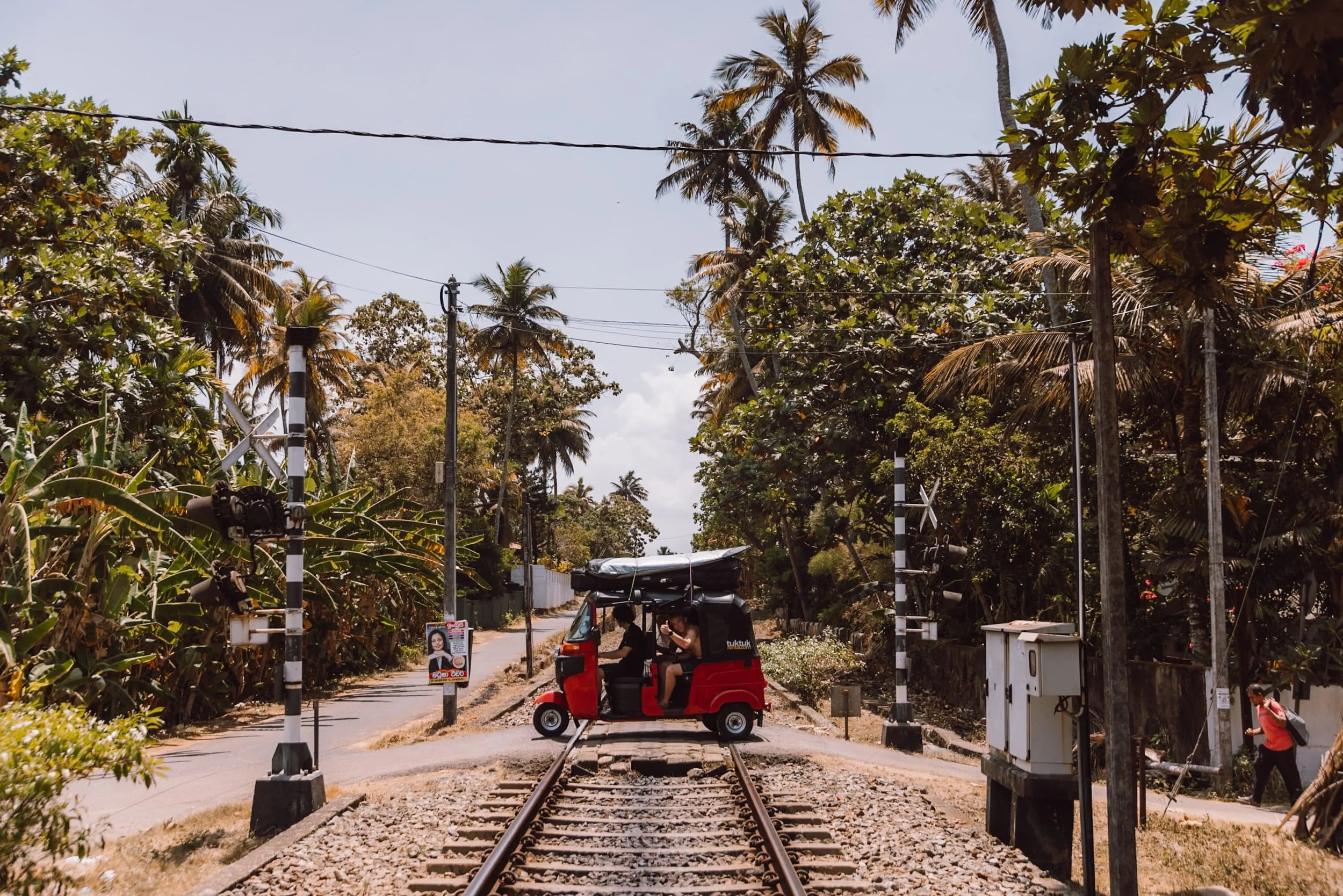
Self-drive around Sri Lanka by tuk-tuk is a popular adventurous option, but you will need an International Driving Permit before setting off. It is a slower-paced way to explore the country at your own rhythm. You can hire from companies such as Tuk-tuk Rental, where local owners rent out their tuk-tuks to visitors, helping support the local economy.
Car hire
Hiring a car in Sri Lanka offers more comfort and flexibility, with extra space compared to a tuk-tuk. However, driving can be challenging due to busy roads and local driving styles, so it is best for confident drivers who are comfortable with overtaking and navigation.
The best time to visit Sri Lanka depends on the region, as weather patterns vary across the island. The south and west coasts are generally best from December to April, while the north and east coasts are best from April to September.
We visited in March and found it to be a great time to explore most of the island, with generally warm, dry conditions across the south, hill country and coastal areas. It was ideal for combining beaches, cultural sites and wildlife experiences in one trip.
We travelled Sri Lanka on a mid-range budget, staying mainly in 3-star and boutique hotels. For travellers coming from the UK, Sri Lanka is generally an affordable destination, although some areas such as the south coast are becoming more expensive, particularly in peak season.
To keep costs down, we recommend eating at local restaurants where food is both authentic and very affordable. It is also worth booking accommodation in advance, especially in popular areas such as Ella, Sigiriya and along the south coast, where availability can be limited and prices increase closer to travel dates.
Day 1-2 | Colombo
Day 3-5 | Sigiriya
Day 6 | Dambulla/Kandy
Day 7 | Nuwara Eliya
Day 8-10 | Ella
Day 11 | Yala National Park
Day 12-14 | Hiriketiya
Day 15-16 | Ahangama
You’ll most likely land in Colombo, the capital and gateway to Sri Lanka. Set on the coast, it has a mix of colonial architecture and a lively, modern commercial hub.
We’d recommend at least a night or two to settle in and see some of the city, such as the tranquil Gangaramaya Temple, bustling Pettah Market and the red candy-striped Jami Ul-Alfar Mosque.
For sunset, head down to Galle Face, a park right on the coast with a long promenade you can stroll along. This is also where you’ll find the iconic Galle Face Hotel, a luxury, colonial-style hotel dating back to 1864.
One of the highlights of our time in Colombo was a tuk-tuk food safari in the evening, organised by Asia Someday.
Bobby introduced us to the best flavours: Jaffna crab pitu, hopers, issi prawns, beef samosas, tea tasting, the juiciest mangoes and our new favourite, Kottu. This was the perfect introduction to Sri Lankan cuisine, setting us up for the few weeks ahead.
STAY | Sayura House
A peaceful stay in Colombo, ideal for your first night in Sri Lanka, with very comfortable rooms and a beautiful garden courtyard to enjoy breakfast. There’s also a rooftop terrace, and while the location isn’t right in the heart of the city, it’s just footsteps from the coast, which feels like the perfect balance.
Plan your next adventure
If you book through our links, you help support our website at no extra cost to you - thank you!
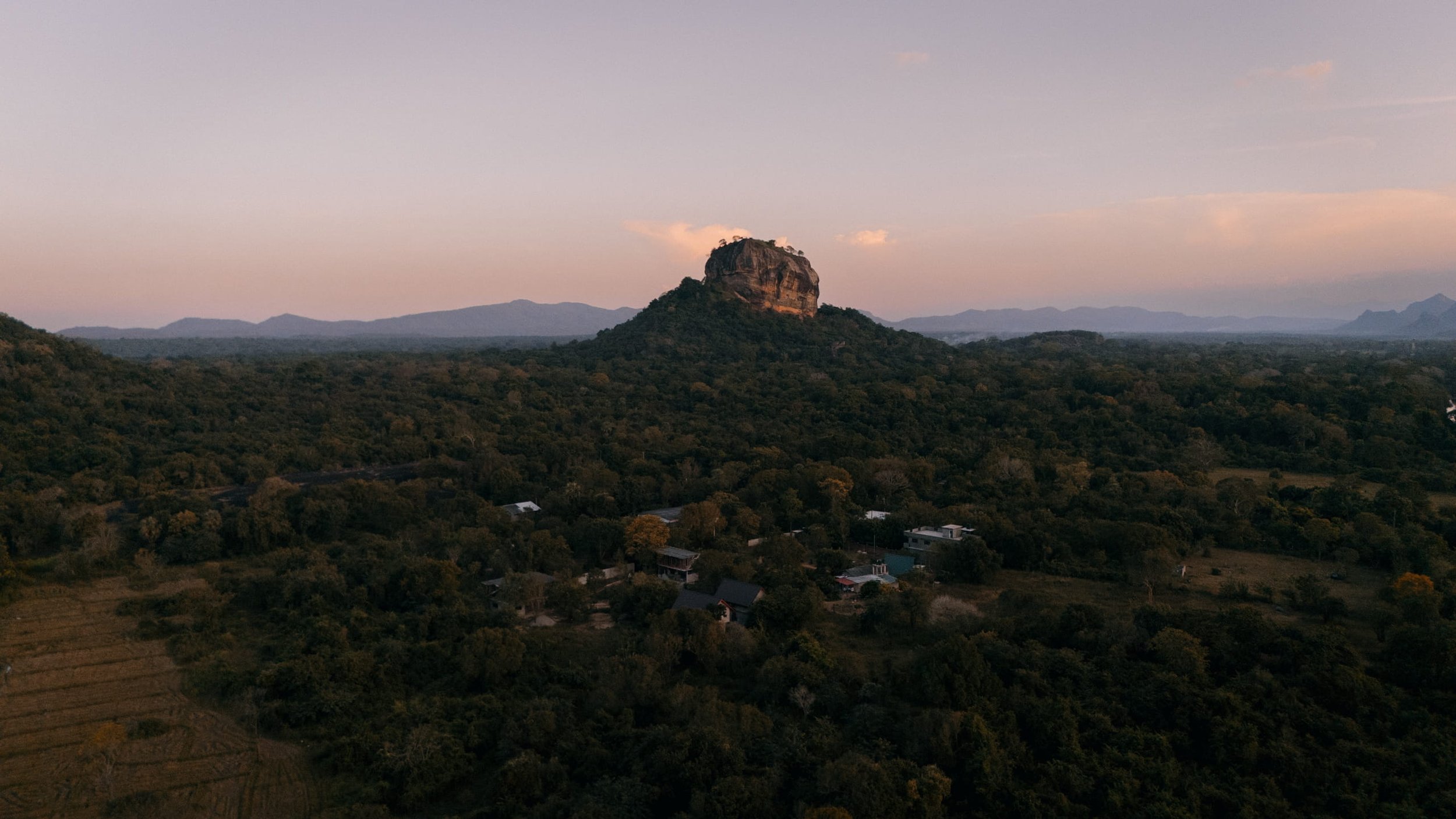
Right in the heart of the island, Sigiriya is a paradise for nature, wildlife and cultural wonders. This is where you’ll discover the iconic Lion’s Rock, a huge granite column that rises above the lush jungle canopy with a fascinating history.
Sigiriya is close to a few national parks, including Minneriya National Park, Huluru Eco Park and Kaudulla National Park. These parks offer some of the best opportunities to see enormous herds of elephants, making Sigiriya an ideal base for a Sri Lankan safari.
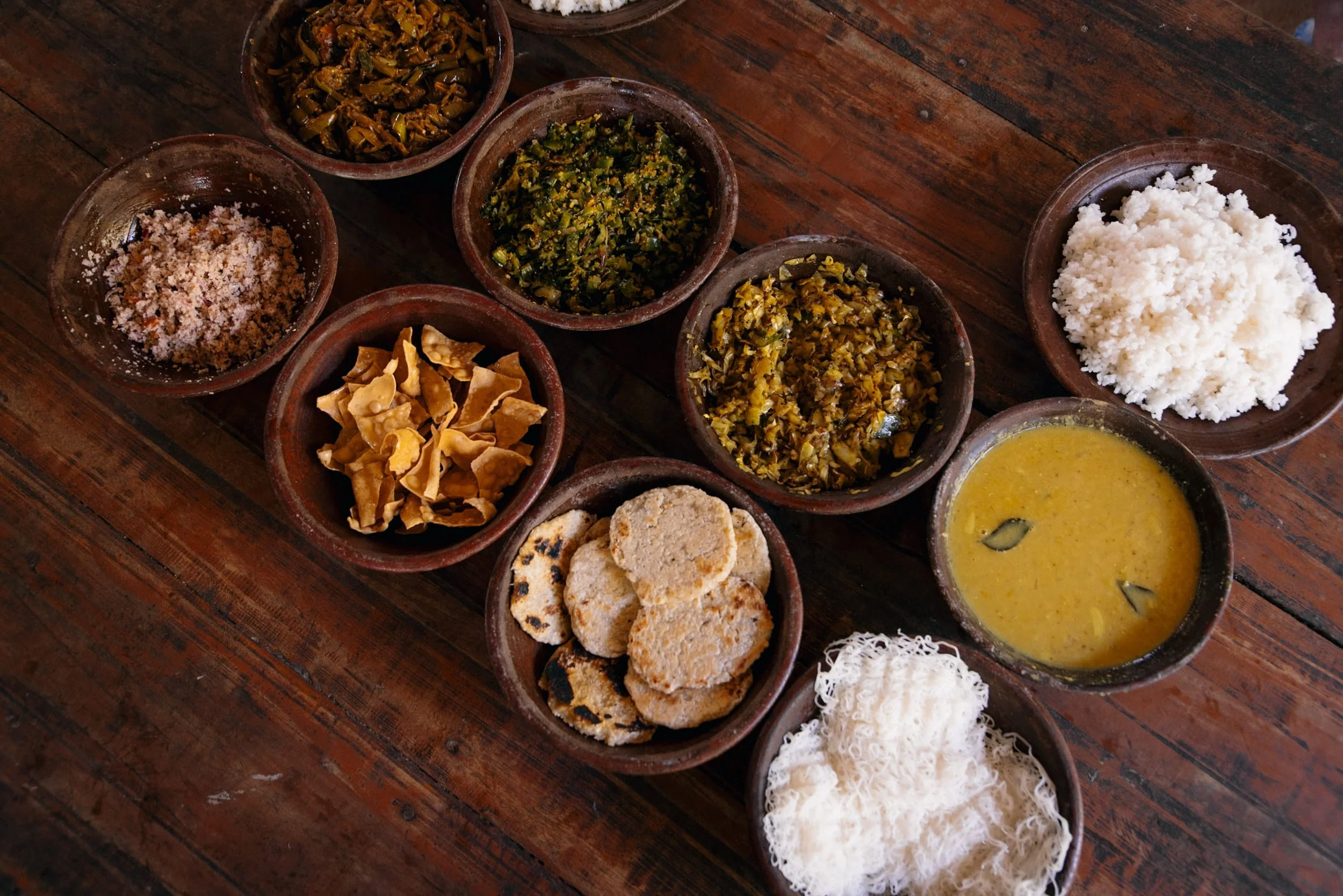
The drive from Colombo to Sigiriya takes around 4 hours. Asia Someday organised an organic cooking class with Kumara and his sweet family, where we learnt about their organic farm and cooked everything from scratch, including coconut sambal, dhal curry, string hoppers, fresh spices from the garden and finishing with Lavariya, a delicious sweet snack filled with coconut, jaggery and cardamom folded into a roll.
Lion’s Rock
The best time to climb Lion’s Rock is in the morning for sunrise, before the crowds, heat and humidity build. We woke up at 4 am and found the climb much shorter than expected, with a steady walk before a steeper staircase section near the top. Entry costs around $35 USD per person, but for the views, history and surrounding ruins, we’d say it’s worth visiting.
Please avoid elephant riding experiences in Sigiriya and opt for an ethical safari instead. Seeing elephants in the wild is far more rewarding.
Huluru Eco Park
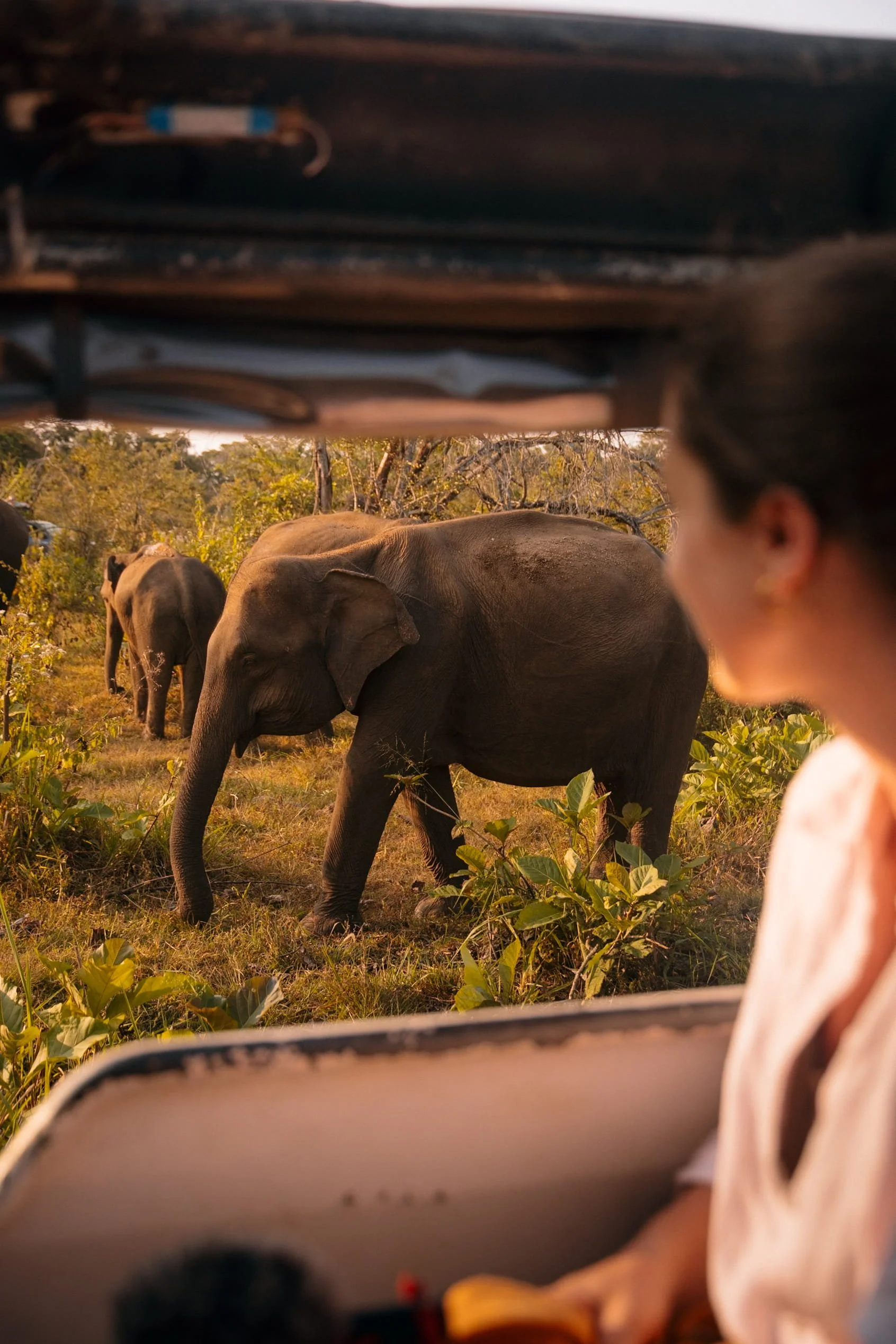
One of the best experiences in Sigiriya was an afternoon safari in Hurulu Eco Park, a quieter alternative to Minneriya National Park, as access was closed due to flooding. Asia Someday organised our driver, and we set off in an open jeep for the afternoon until sunset.
We spent the whole time until sunset watching a huge herd of elephants grazing on the grass and splashing in the river, with the most incredible scenery around us. It was a breathtaking experience seeing them so close in the wild, completely free in their natural habitat.
STAY | Sigiriya King Resort
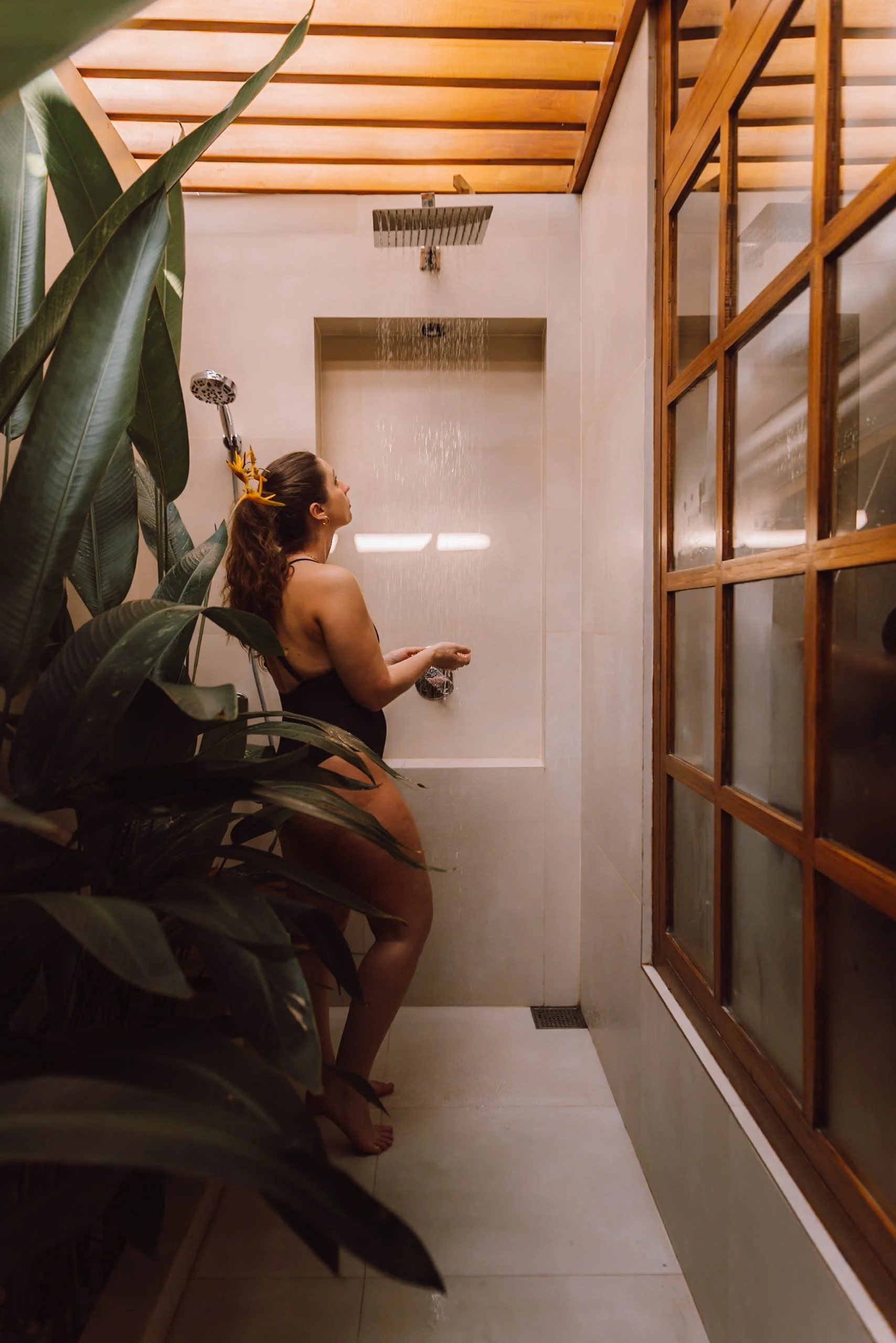
A luxury resort surrounded by nature with modern rooms offering views of Lion’s Rock and Pidurangala Rock. We stayed in the Birds Nest, a treehouse-style room above the canopy with incredible jungle views. The property also has a pool, restaurant, and beautiful gardens full of birds and butterflies.
The area is known for passing wild elephants, so an elephant gate is in place and it’s not advised to walk outside the resort at night.
Dambulla Caves
On the way to Kandy, you can stop at Dambulla Caves, which is a short climb that leads to the impressive cave temple complex, with entry around 3000 LKR per person. You’ll need to remove your shoes at the entrance, and socks are useful as the stone gets very hot during the day. Sarongs are available to borrow if needed.
Inside, explore a series of caves filled with Buddha statues and detailed wall paintings. Take your time moving through each chamber before going down to the Golden Buddha statue. The walk takes around 10–15 minutes, with shaded sections and views over the surrounding area. You may also see monkeys, so keep your valuables secure.
Temple of the Tooth
A sacred Buddhist site in the heart of the city and a UNESCO World Heritage Site, the Temple of the Tooth houses the sacred tooth relic of Buddha. Inside, the upper levels are open for devotees to pray and make offerings, giving the temple a strong spiritual atmosphere. In August, it becomes the centre of a major festival with processions, fire dances and a decorated elephant carrying the relic through the streets.
Entry costs around 2000 LKR. You’ll go through security, store your shoes, and dress modestly with covered shoulders and knees (sarongs are available at the entrance if needed).
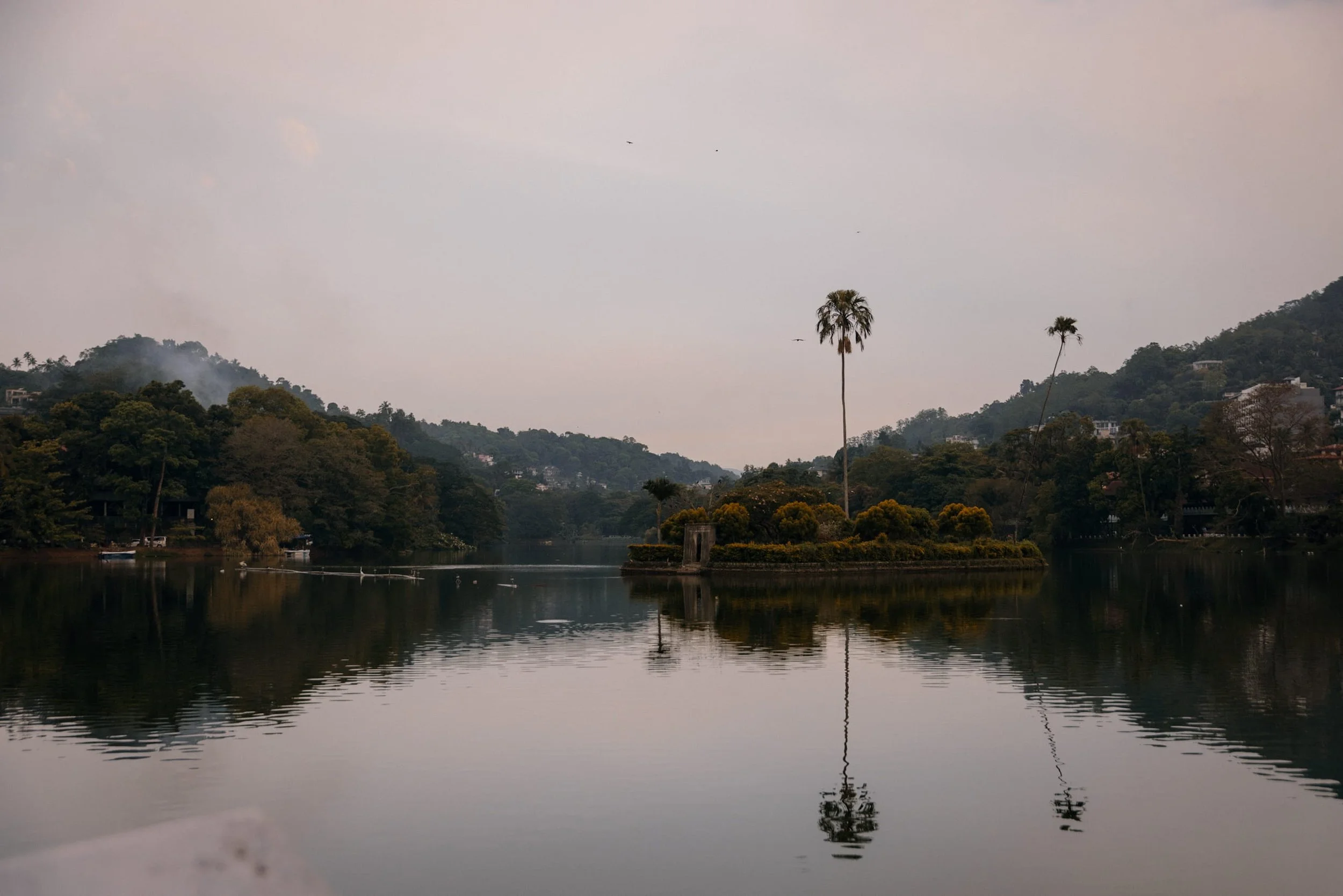
Allow around an hour to explore before heading to a sunset walk around nearby Kandy Lake, which is especially beautiful in the evening light.
STAY | Kandy Tree Tops
A peaceful stay just outside the centre of Kandy, surrounded by greenery and nature. Rooms are spacious with modern bathrooms, aircon and plenty of storage, making it a comfortable base to relax.
It’s only a 5-minute tuk-tuk ride into town, but it feels much quieter and more secluded. The hotel has beautiful gardens, a steep entrance with on-site parking, and a generous breakfast with fresh fruit, pancakes, toast, tea and juice.
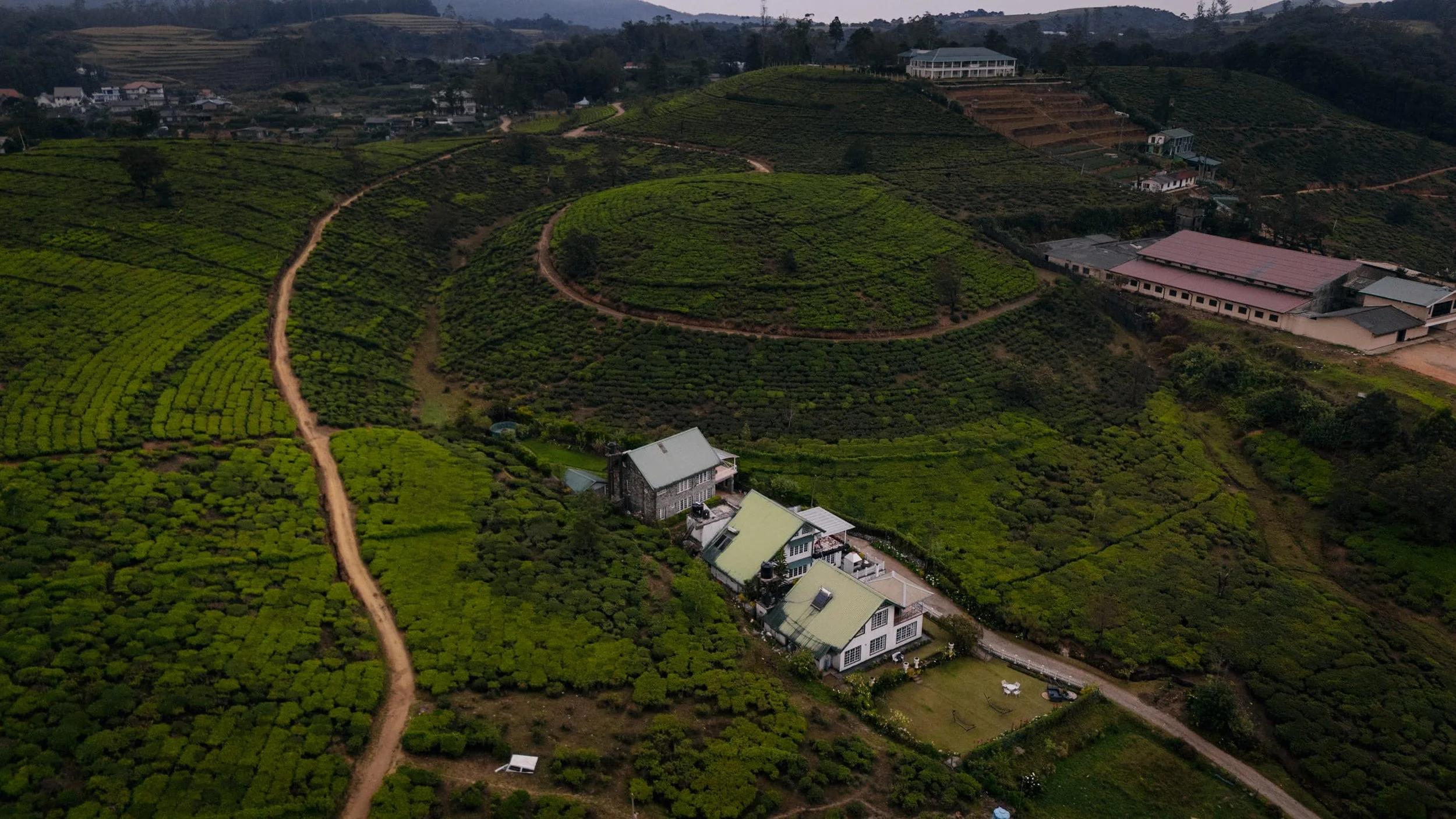
Sri Lanka is globally recognised for producing some of the world’s finest tea. Introduced by the British in the 19th century, Ceylon tea quickly transformed the rolling hills around Nuwara Eliya into vast tea plantations. The cool climate, rich soil and high elevation created the perfect conditions for growing high-quality tea, which is still exported around the world today.
From Kandy, it’s around a 3-hour drive to Nuwara Eliya, often known as “Little England”. The journey winds through scenic roads lined with tea plantations and waterfalls, making it one of the most beautiful drives in Sri Lanka. Along the way, we stopped at Bluefield Tea Factory, a historic tea estate dating back to the 1840s, to tour the factory and learn how different varieties of tea are produced.
Bluefield Tea Factory
A visit here includes a walk through the plantations to see workers plucking tea leaves, followed by a guided factory tour showing each stage of production, finishing with a tea tasting and a small shop selling their own blends.
Nuwara Eliya
Nuwara Eliya is a good place to break up the journey from Kandy to Ella. The colonial hill town sits in the cooler highlands and feels very different from the rest of Sri Lanka, with British-style architecture and manicured gardens.
While there isn’t a huge amount to do, you’ll find Victoria Park (around 1000 LKR entry), the old British post office, and Gregory Lake, where you can go boating, horse riding or relax at small lakeside cafés.
That evening, we ate at Ceylon Kitchen, a great spot for traditional Indian-style dishes, before continuing the journey towards Ella.
STAY | Villa Tea Fields
Sri Lanka is an incredible destination, but planning the right itinerary can be overwhelming.
Asia Someday creates fully personalised Sri Lanka trips based on your travel style, handling all logistics and planning so you can focus on the experience and enjoy a stress-free journey.
Get 15% off Asia Someday planning fees by using code 'FOA'.
Ella is often considered the gateway to Sri Lanka’s nature, surrounded by rolling hills, tea plantations, waterfalls and some of the island’s most iconic hikes. It’s a relaxed mountain town with a laid-back atmosphere and plenty of viewpoints to discover.
Train from Kandy to Ella
One of the highlights of getting here is the train journey from Kandy to Ella, often regarded as one of the most scenic train rides in the world. After Cyclone Ditwah in December 2025, the railway line between Kandy and Ella was damaged in places due to landslides and washed-out tracks. The affected section is currently between Rambukkana and Ambewela, but trains are still running from Ambewela to Ella, which is the route we took.
Nine Arches Bridge
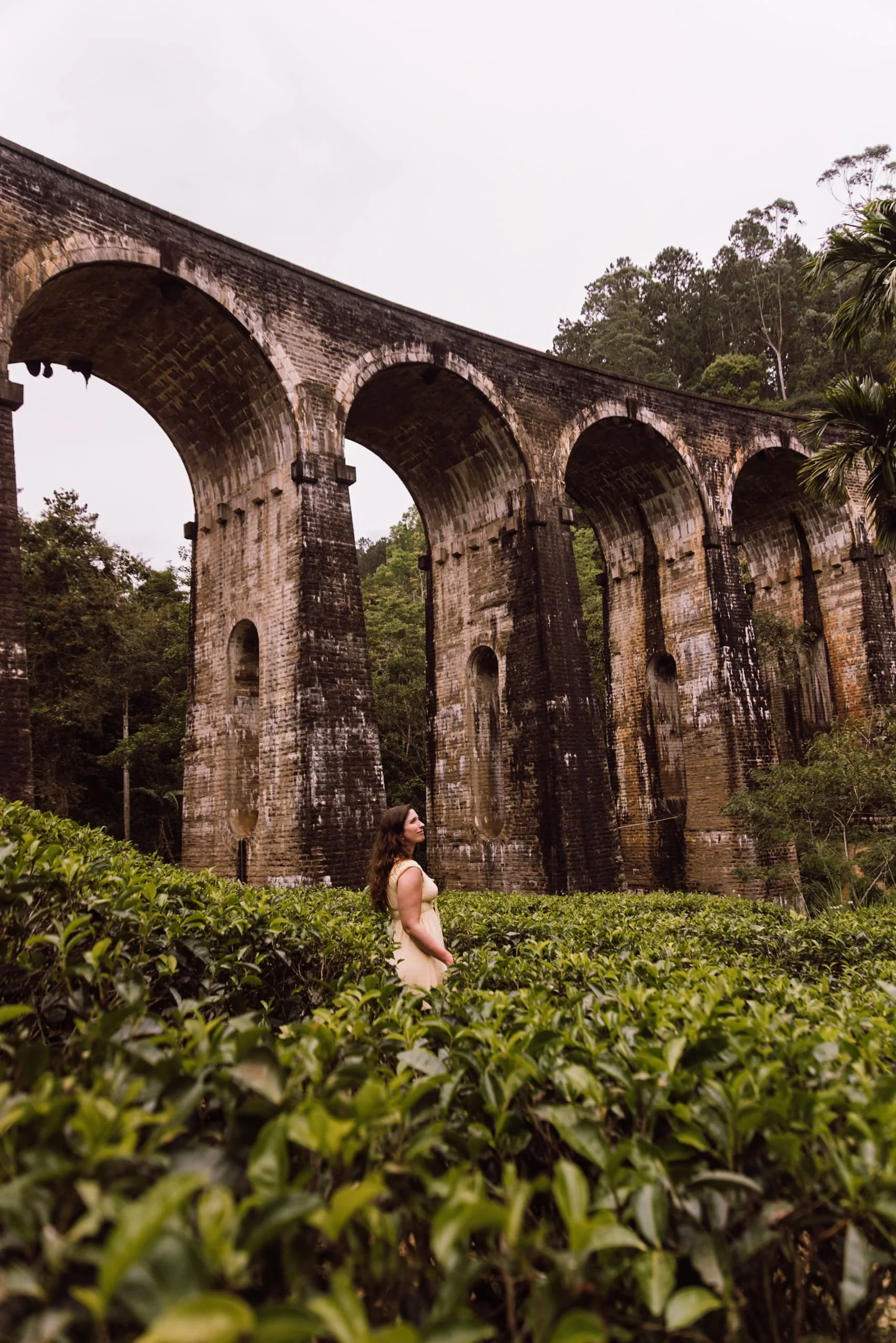
Ella itself is home to some of Sri Lanka’s most famous hikes and viewpoints, including the iconic Nine Arches Bridge, where trains curve through the jungle valley surrounded by tea plantations. The surrounding area is also filled with secret waterfalls and short and more challenging hikes, making it one of the best places for nature lovers.
In town, Chill Café is a popular stop on the main street, serving burgers, smoothie bowls and light bites in a relaxed rooftop setting overlooking Ella. It’s especially busy in the evenings after hikes like Little Adam’s Peak, and it's a good spot to unwind after a day outdoors. Another spot we really enjoyed was The Barn by Starbeans, serving some of the best pizza in town.
Mahamevnawa Monastery
For sunset, head up to Mahamevnawa Buddhist Monastery around 6:30 pm to witness the evening puja, a peaceful ceremony where offerings are made, and monks and visitors take part in chanting and devotion.
Entrance is free, and there are also daily meditation sessions you can join. The monastery is set high in the hills with beautiful views over the surrounding landscape, especially at sunset. When we visited, storms rolled in, which made the atmosphere feel even more dramatic, although the road up has been partially damaged by a cyclone, so it’s best to allow extra time for the journey.
STAY | Tranquillity Ella
We stayed at Tranquillity Ella, a peaceful hillside stay with sweeping mountain views and a direct view of Ravana Falls, one of the largest waterfalls in the area. It’s the perfect place to slow down and unwind after a few active days exploring the hills around Ella.
From Ella, it’s around a 2.5-hour drive to Tissamaharama, where we stayed at Yala Peace Cottages, a relaxed base close to the entrance of Yala National Park. After arriving, we spent the afternoon by the pool before heading out for an early safari the next morning.
Yala day Safari
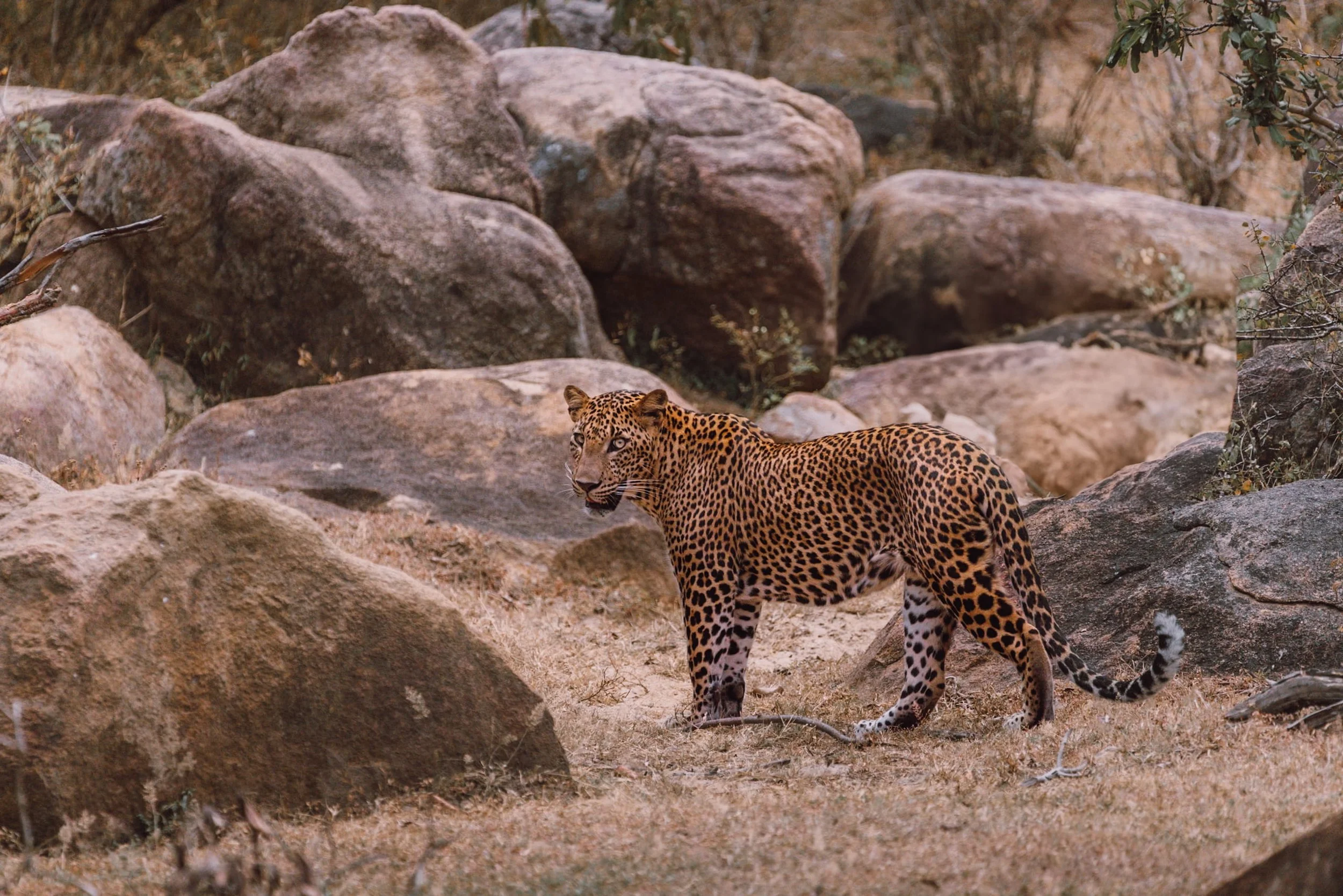
We entered the park at sunrise, around 6 am, with an experienced local guide who helped us navigate the busy jeep traffic and improve our chances of wildlife sightings. Yala is most famous for its leopard population, but it’s also home to elephants, crocodiles, water buffalo, deer, monkeys and a huge variety of birds.
One of the highlights was simply stopping at the watering holes and taking in the vast landscape, which feels vast, quiet and completely wild. We were also incredibly lucky to spot a leopard in the evening, just before leaving the park. Much of our time, however, was spent avoiding the jeep chaos, having made it clear to our guide that we didn’t want to get caught up in the long queues we’d heard so much about.
STAY | Yala Peace Cottages
We stayed at Yala Peace Cottages, a relaxed base close to the entrance of Yala National Park. After arriving, we spent the afternoon by the pool before heading out for an early safari the next morning.
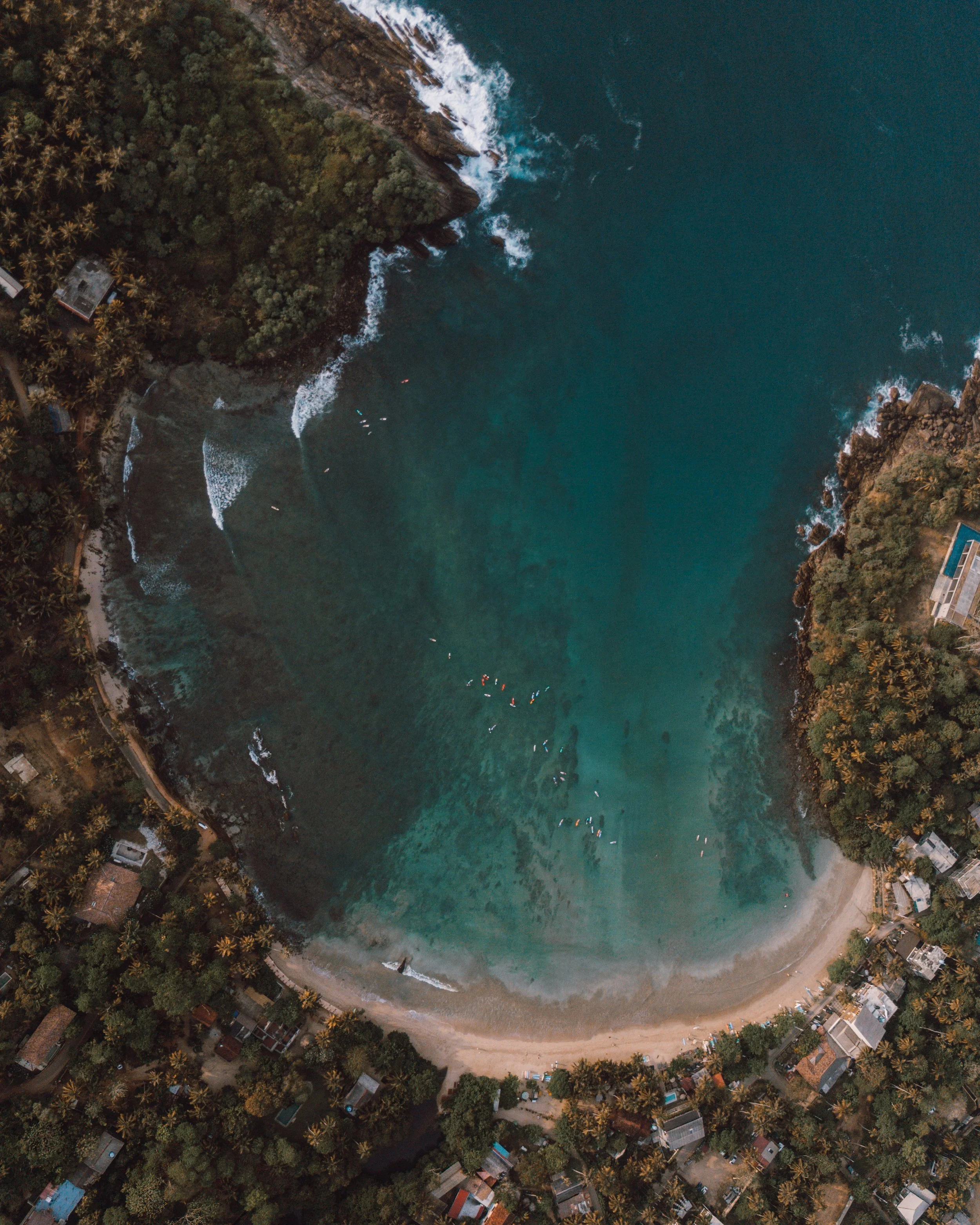
From Yala, it’s around a 2-hour drive to Hiriketiya, a small horseshoe-shaped bay on Sri Lanka’s south coast known for surfing, relaxed cafés and laid-back beach days.
Hiriketiya has a bustling café scene, perfect for slow mornings and long brunches. Dunis Hoppers is a popular spot for traditional hoppers, smoothie bowls, and iced coffee, while Smoothie Bum is tucked away in a quieter setting, offering fresh smoothie bowls away from the main beach strip.
In the evenings, Muthu Bar is a great place to unwind, overlooking the ocean, with sunset views, surfing in the distance, and simple, affordable, authentic Sri Lankan curries.
Just a short walk from Wilson’s Place is Blue Beach, a peaceful sandbar near the fishing harbour that’s especially beautiful at sunrise. It’s worth getting up early to watch the fishermen heading out into the bay.
Turtle Point
A short tuk-tuk ride away is Turtle Point, a much quieter spot where sea turtles come to feed on the seagrass. Sunbeds are free if you buy a drink, and it has a far more relaxed feel than the main beach clubs in Hiriketiya. The nearby Good Kitchen is also worth a stop for good company and excellent pizza.
Snorkelling is possible here, and you can often see turtles in both the morning and afternoon. It’s important to give them space and avoid touching or feeding them, as there are local conservation efforts in place to protect them.
STAY | Wilson’s Place
A beautiful boutique, family-run stay just a 10-minute walk from the main beach. It’s tucked away in a quieter setting with lush gardens and a rooftop terrace, making it a peaceful escape from the busier strip.
The rooms are thoughtfully designed with hand-painted ceilings, air conditioning, fans, and added touches like toiletries, laundry service, scooter rental and even snorkelling gear hire.
Ahangama is a popular surf town on Sri Lanka’s south coast, known for consistent waves and several nearby breaks suited especially to intermediate and experienced surfers. The area has a laid-back coastal feel with cafés, beaches and a growing surf scene.
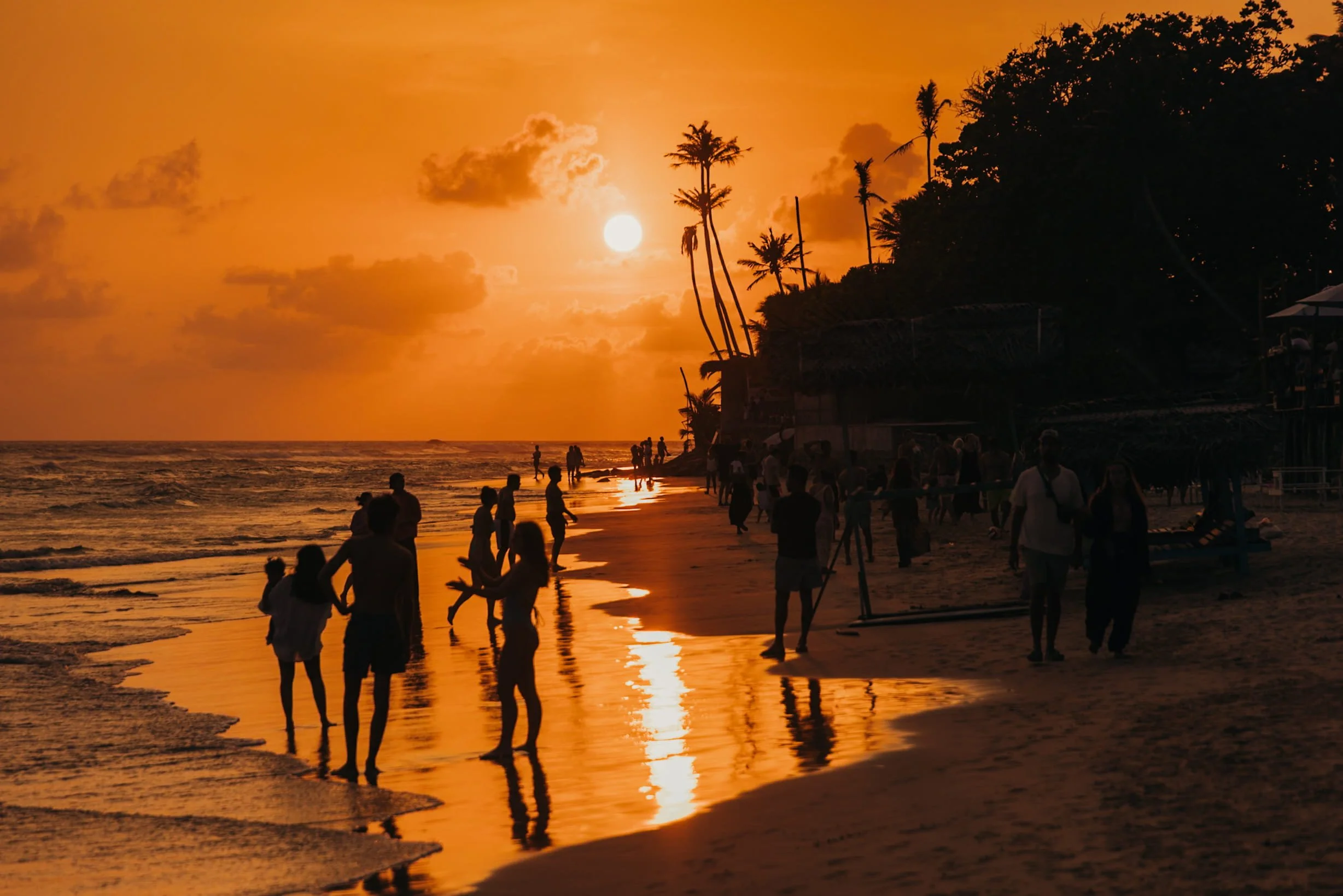
Enjoy your last few days in Sri Lanka relaxing by the coast with slow mornings, beach walks and plenty of time to unwind. Head to Ceylon Sliders for sunset, where you can enjoy live music, good food and a laid-back surfside atmosphere as the day comes to an end.
One of our favourite meals was at Wayside Thai, serving fresh Thai dishes including crispy spring rolls, fragrant curries and pad Thai in a relaxed garden setting.
For cafés, Moochies Café is known for its smoothie bowls, avocado toast and rooftop space overlooking the ocean. It has a boutique feel, friendly staff and also offers air-conditioned rooms, making it a comfortable stop just off the main road.
We also loved Marshmallow Surf Café, a chilled beachfront spot with some of the best coffee in the area. Iced lattes overlooking the waves made it the perfect place to slow down and watch the surf roll in.
STAY | Nirbana Retreat
We stayed slightly inland at Nirbana Retreat, a peaceful escape away from the main road that offered a quieter base while still being close to the coast.
How many days do you need in Sri Lanka?
Around 10 to 14 days is ideal for seeing the main highlights of Sri Lanka, including beaches, cultural sites, hill country and wildlife. A 16-day itinerary allows a more relaxed pace with time to explore each region properly.
Is Sri Lanka safe for tourists?
Sri Lanka is generally considered a safe destination for tourists today. The civil war, which ended in 2009, was largely confined to the north and east of the country, and those areas are now open to visitors. There were terrorist attacks in 2019 targeting hotels and churches, after which security across the country was significantly increased.
Today, popular tourist regions such as Colombo, the south coast, the hill country and major cultural sites are well-travelled and welcoming. Visitors typically find Sri Lanka to be friendly, easy to navigate and very tourist-focused.
As with any destination, it is sensible to stay aware of your surroundings and follow local advice, but overall Sri Lanka remains a safe and rewarding place to visit.
Has Sri Lanka been affected by recent fuel shortages?
More recently, tensions and conflict in the Middle East, including disruptions linked to the Iran conflict, have contributed to higher fuel prices and tighter global supply chains. As Sri Lanka relies heavily on imported fuel, these global shifts can occasionally impact local pricing and availability.
However, tourism operations, transport networks and private drivers continue to run as normal, and travellers are still able to explore the country without major disruption. We visited in March and did not experience any fuel-related issues, although tourism numbers were noticeably lower than expected during our trip.
What is the best way to travel around Sri Lanka?
The best way to get around Sri Lanka depends on your budget and travel style. Many travellers use a private driver for convenience, while trains and buses are cheaper options for shorter journeys. The Kandy to Ella train is especially popular for its scenic views.
Do you need a visa for Sri Lanka?
Most travellers need an Electronic Travel Authorisation (ETA) or visa to enter Sri Lanka. It is a simple online process and should be arranged before arrival, depending on your nationality.
What is the best time to visit Sri Lanka?
The best time depends on the region. The south and west coasts are best from December to April, while the east coast is best from April to September. This itinerary works well in March, when conditions are generally warm and dry across most of the island.
Plan your next adventure
If you book through our links, you help support our website at no extra cost to you - thank you!
Watch our Video
READ our Sri Lanka Guides
16 Day Sri Lanka Itinerary | Ultimate Route for First-Time Visitors