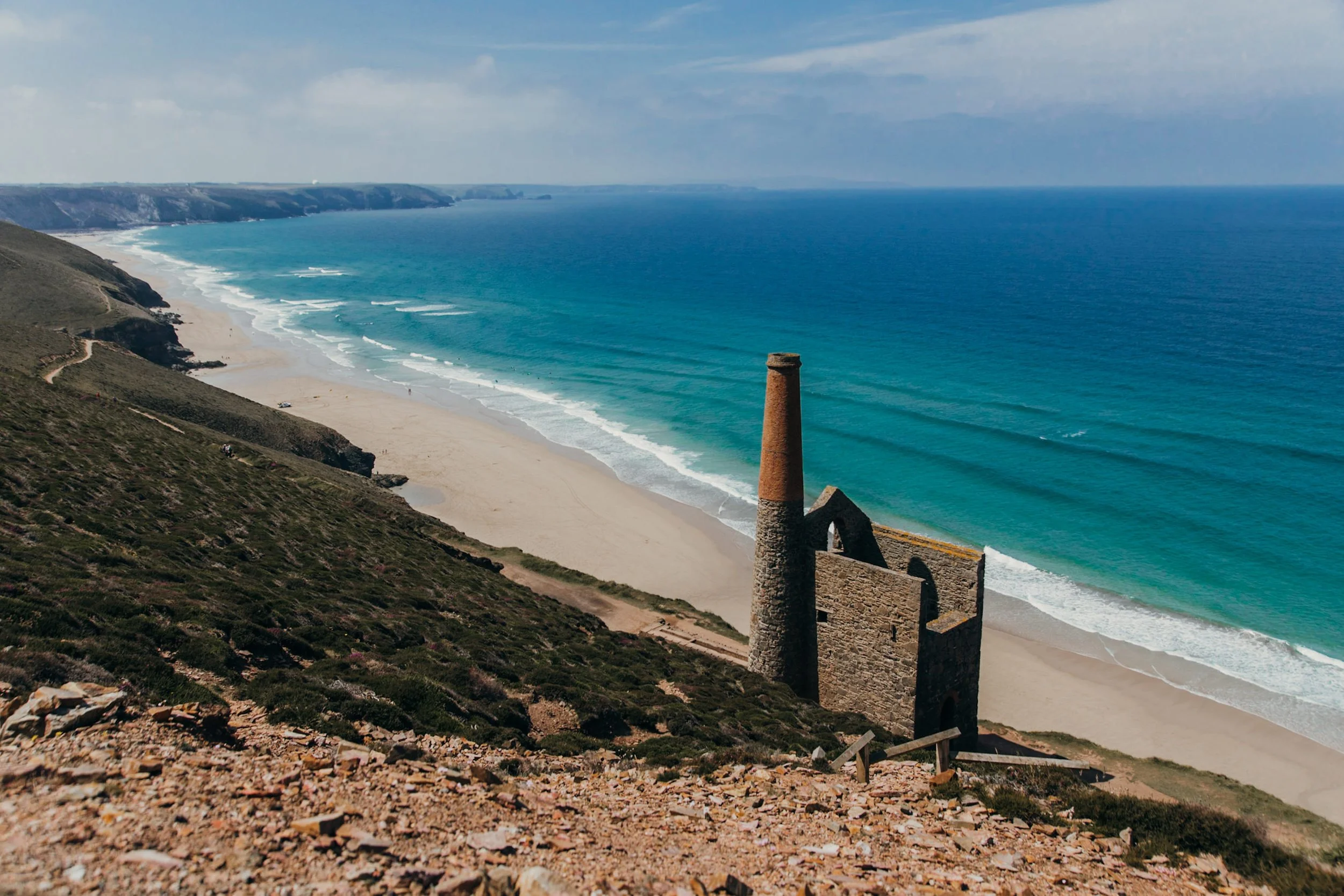
We have included links which may contain an affiliate link and if you decide to purchase any products through these links we will receive a small commission at no extra cost to you from the sale.
July is one of Cornwalls best summer months. The days are long, the sea is warmer, beach cafés are fully open, and harbour towns are busy with people enjoying summer holidays. There is a noticeable shift in atmosphere compared to June. Everything starts to feel significantly busier as the school summer holidays begin.
If you are looking for the very best British beaches this summer then Cornwall should be the top of your list. From golden sand, clear turquoise water, epic coastal walks, food festivals and sunset swims, this is what makes Cornwall such a popular destination.
This guide covers everything you need to know before visiting Cornwall in July, including weather, how busy it gets, beaches, events, where to stay, and practical travel tips.
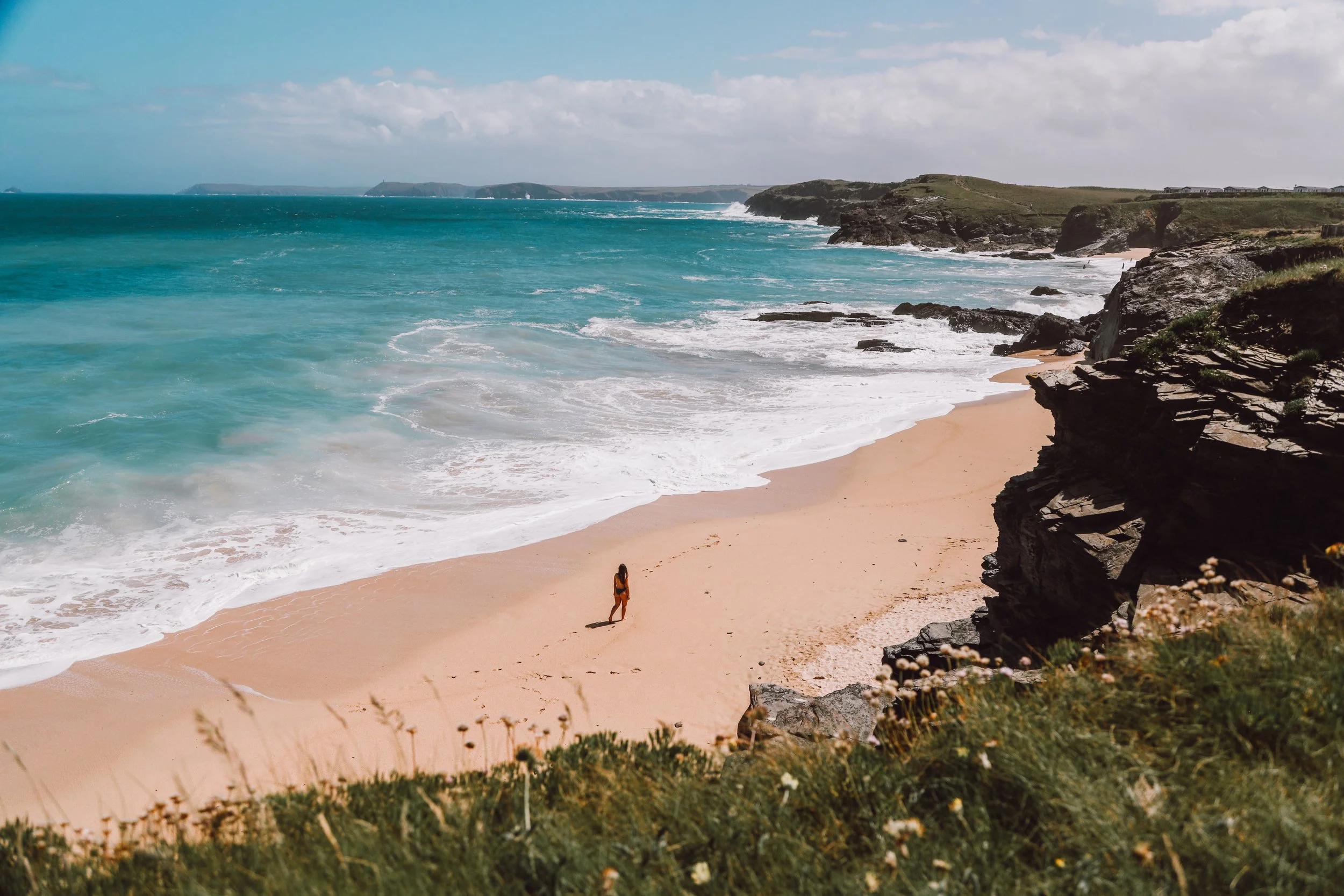
How to Use This Guide
Use the Contents table below to jump to any section. Click a heading in the guide to return to the top and continue exploring.
Contents
For many visitors, July represents Cornwall at its most vibrant. Warm weather, long daylight hours, and a busy coastal atmosphere combine to create the classic summer holiday experience that the Cornwall is known for.
Temperatures are warm, the sea is swimmable, and most major beaches are lifeguarded daily. Coastal towns are in full swing, restaurants operate seven days a week, and watersports operators run full schedules.
The main consideration is crowds. Early July can still feel manageable, particularly midweek, and often offers a pleasant balance between warmth and space. From mid to late July, once school holidays begin, visitor numbers increase significantly and popular towns and beaches become noticeably busier.
For visitors who enjoy vibrant beach scenes, animated harbour fronts, and a true summer atmosphere, July is an excellent choice. Those seeking quieter villages and empty coastal paths may prefer the calmer pace of May or early June.

July brings some of the warmest and most settled weather of the year to Cornwall, making it one of the most reliable months for summer conditions. Daytime temperatures typically range between 18°C and 22°C, with warmer spells during settled periods, while evenings sit around 13°C to 15°C, comfortable for harbour dining or coastal walks with a light layer.
Long daylight hours allow for extended evenings outdoors, and dry, sunny spells are common, although occasional showers or sea mists can still pass through.
Sea temperatures reach approximately 16°C to 17°C, making July one of the most comfortable months for swimming. While surfers often continue to wear wetsuits, casual sea dips and paddleboarding feel far less cold than in spring. Conditions vary by coastline, with the north coast generally breezier and more exposed, while sheltered south coast coves often feel warmer and calmer on sunny days.
Visitor numbers begin to rise considerably in July as Cornwall moves into full summer mode. Warmer weather, longer days, and school holidays mean beaches, coastal towns, and popular attractions attract significantly more visitors than in spring or early June.
The first half of July often feels busier but still manageable. Beaches are busy on sunny days, yet there is still plenty of space to spread out, there are also hundreds of beaches to choose from. Car parks tend to fill later in the day, and securing restaurant reservations is generally easier midweek.
From mid to late July, once school holidays begin, the atmosphere becomes much more energetic. Popular towns such as St Ives, Newquay, Padstow, and Falmouth feel noticeably busier, particularly on warm weekends. Beach car parks can reach capacity by late morning, and harbour areas grow increasingly busy as the day goes on.
This does not mean Cornwall becomes overwhelming, but it does reward a little planning. Arriving at beaches before 9 or 10am can completely transform your experience. Booking restaurants in advance avoids long waits, and choosing accommodation with dedicated parking removes daily stress.
It is also worth remembering that Cornwall is a large and varied county. While the most famous beaches and towns draw the biggest crowds, quieter stretches of coastline, inland villages, and lesser-known coves still offer space and calm, even during Julys school holidays.

July brings long, bright summer days to Cornwall, creating the perfect conditions for spending as much time outdoors as possible. With daylight stretching well into the evening, there is no need to rush your plans. You can begin the day with an early coastal walk, spend the afternoon on the beach, and still have time for harbour dining or sunset drinks overlooking the sea.
Beach Days
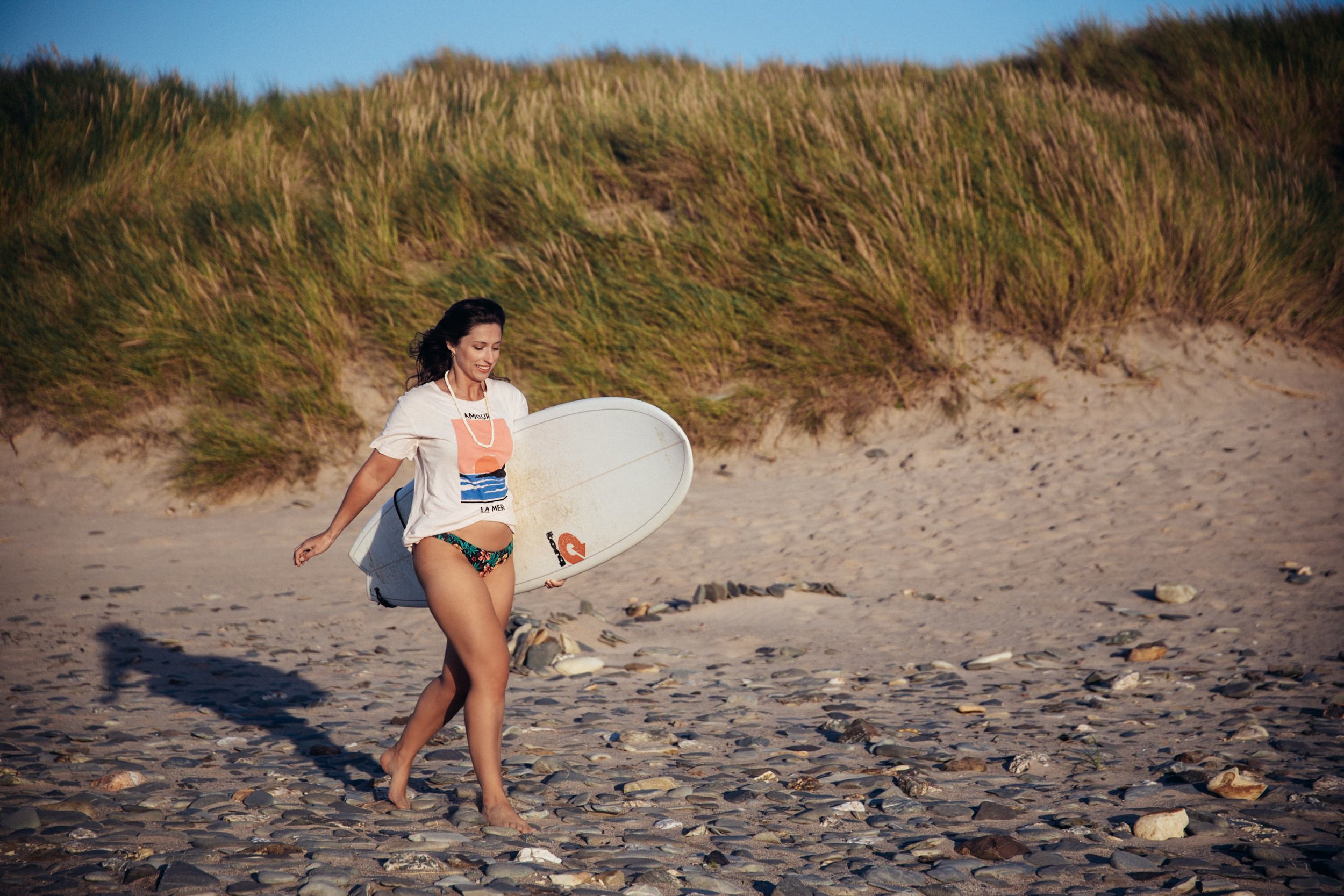
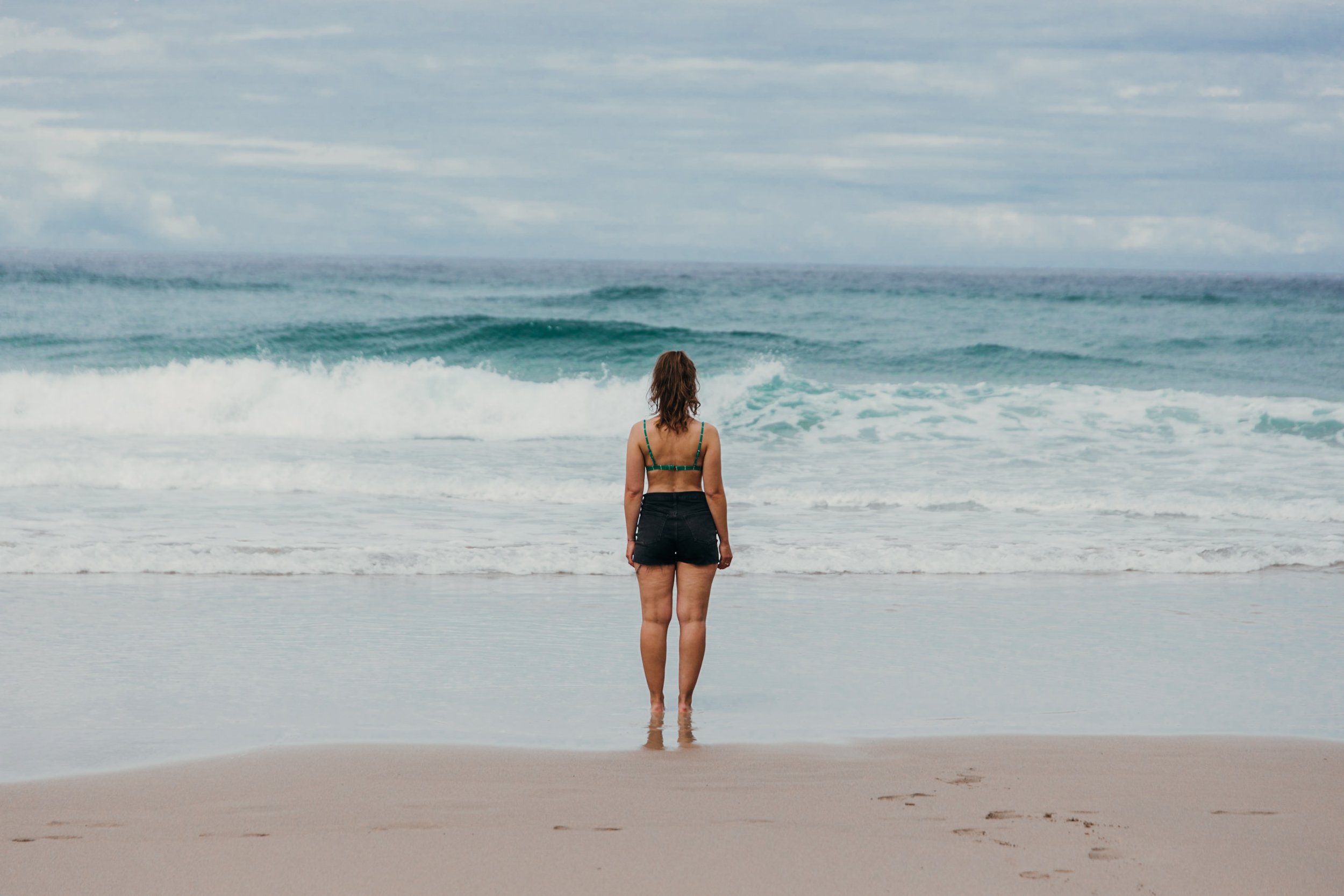
Spending time on the beach is one of the defining experiences of Cornwall in July. With warmer air temperatures and a more comfortable sea temperatures, this is when beach culture truly comes into its own.
On the north coast, beaches such as Fistral, Perranporth, and Holywell Bay are ideal for surfing, bodyboarding, and long sandy walks. Lifeguards are on duty throughout the month, making conditions safer for swimming and beginner surf lessons. These wide, open beaches feel energetic and summery, especially on bright afternoons.
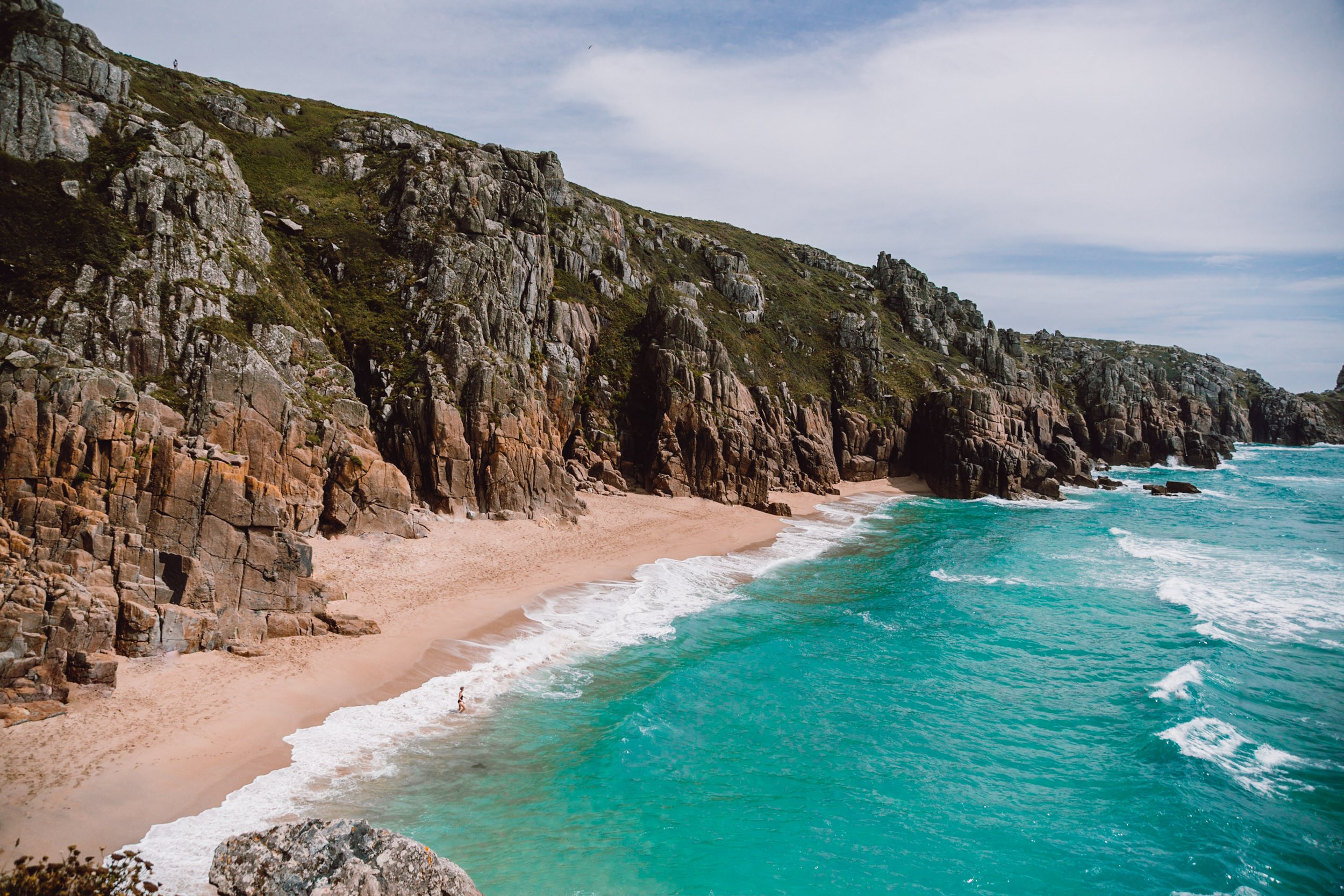
On the south coast, beaches like Porthcurno, Gyllyngvase, and Readymoney Cove offer calmer waters and often slightly warmer swimming conditions. Sheltered coves and gentler waves make them ideal for paddleboarding, snorkelling, or relaxed family beach days.
Evenings in July are particularly special. As the sun begins to drop, beaches quieten and the light softens. Sunset across the Atlantic on the north coast or golden evening light over south coast harbours creates some of the most memorable moments of a Cornish summer.
Coastal Walking
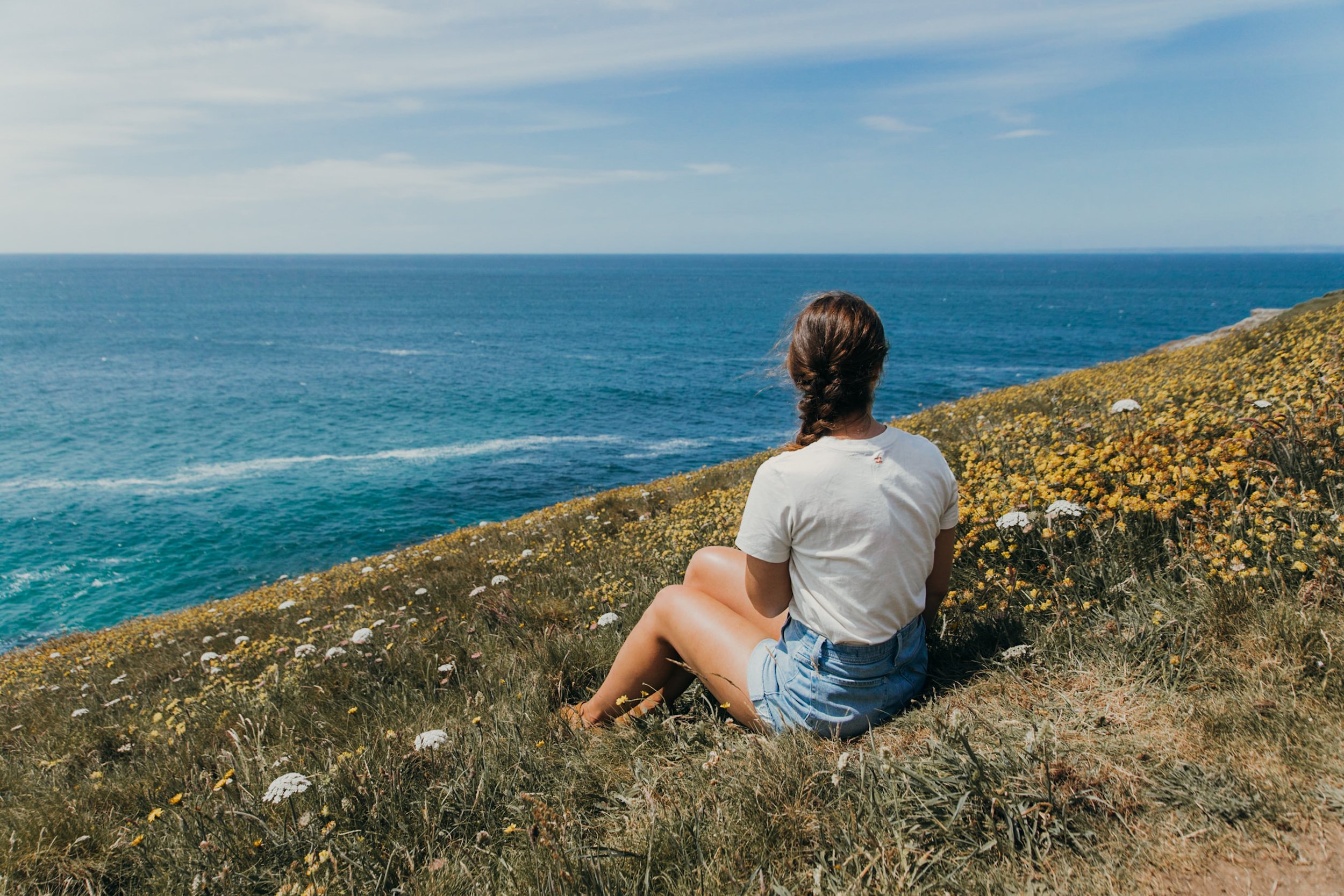
July provides some of the best conditions of the year for exploring the South West Coast Path. Dry ground underfoot, long daylight hours, and generally clear visibility make extended walks both practical and rewarding.
Clifftop routes feel especially dramatic in midsummer, with views stretching for miles across bright blue water. The stretch between St Ives and Zennor remains one of the most striking walks in Cornwall, combining rugged granite cliffs with sweeping coastal panoramas.
The Lizard Peninsula offers equally impressive scenery with slightly fewer crowds, while the coastline between Padstow and Trevone provides accessible yet rewarding routes that are perfect for half-day explorations.
Walking earlier in the morning or later in the afternoon helps avoid the strongest midday sun and busier sections of trail, particularly during peak holiday weeks.
Watersports and Adventure
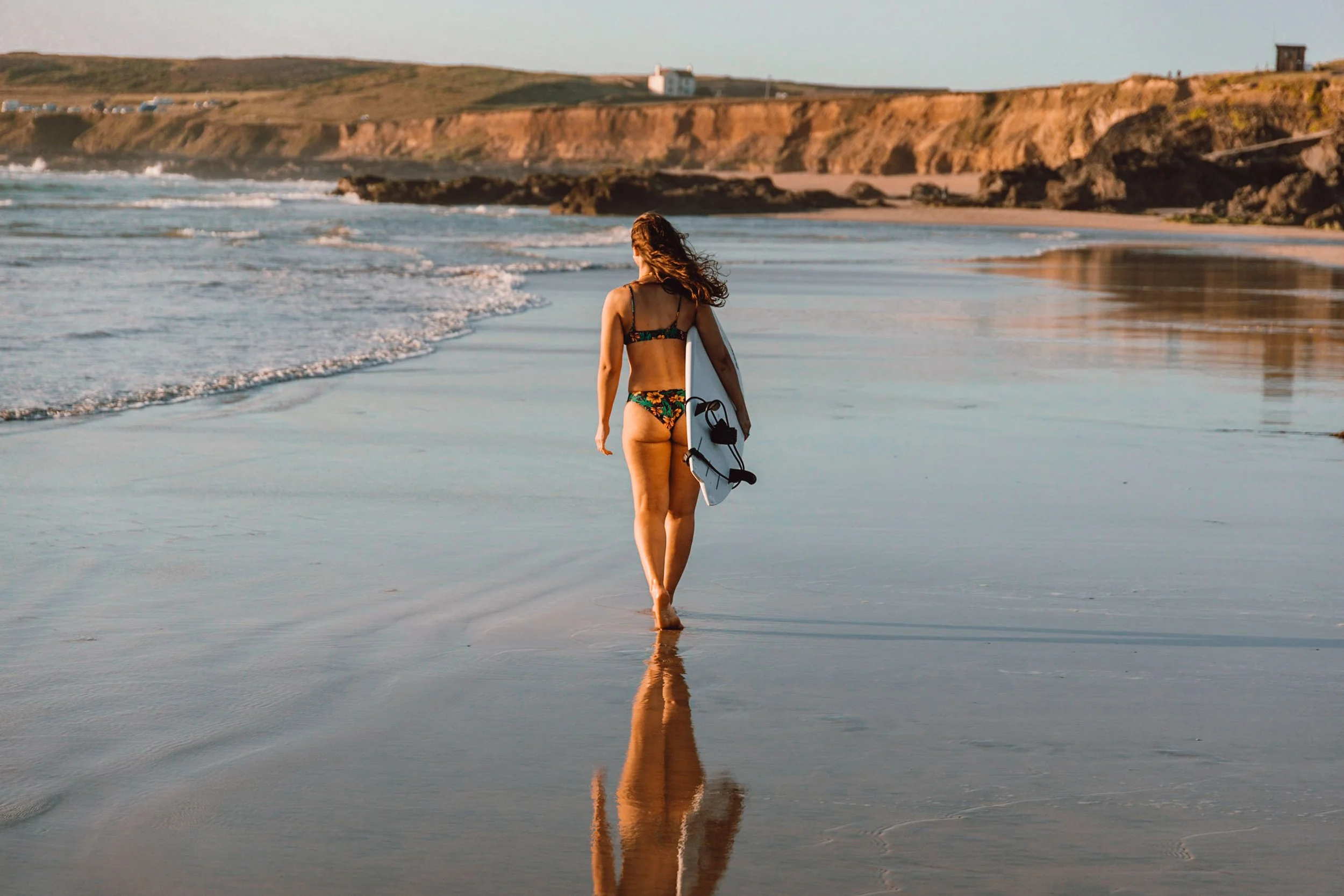
Warmer sea temperatures and generally calmer conditions make July an excellent month for watersports and coastal adventure.
Surf schools in Newquay, Perranporth, and St Ives run daily sessions throughout the month, and the warmer water makes longer lessons more comfortable than in spring. Paddleboarding is particularly popular on the south coast, where sheltered harbours and estuaries provide calm, scenic conditions.
Coasteering, kayaking, and boat trips operate widely across Cornwall. Trips departing from Falmouth, Padstow, and Mevagissey often offer opportunities to spot dolphins offshore, seabirds circling above cliffs, and seals resting along rocky headlands.
For those who prefer to stay on land, cycling routes such as the Camel Trail are especially enjoyable in July, combining flat, family-friendly paths with estuary views and convenient café stops along the way.
Harbour Town Exploring
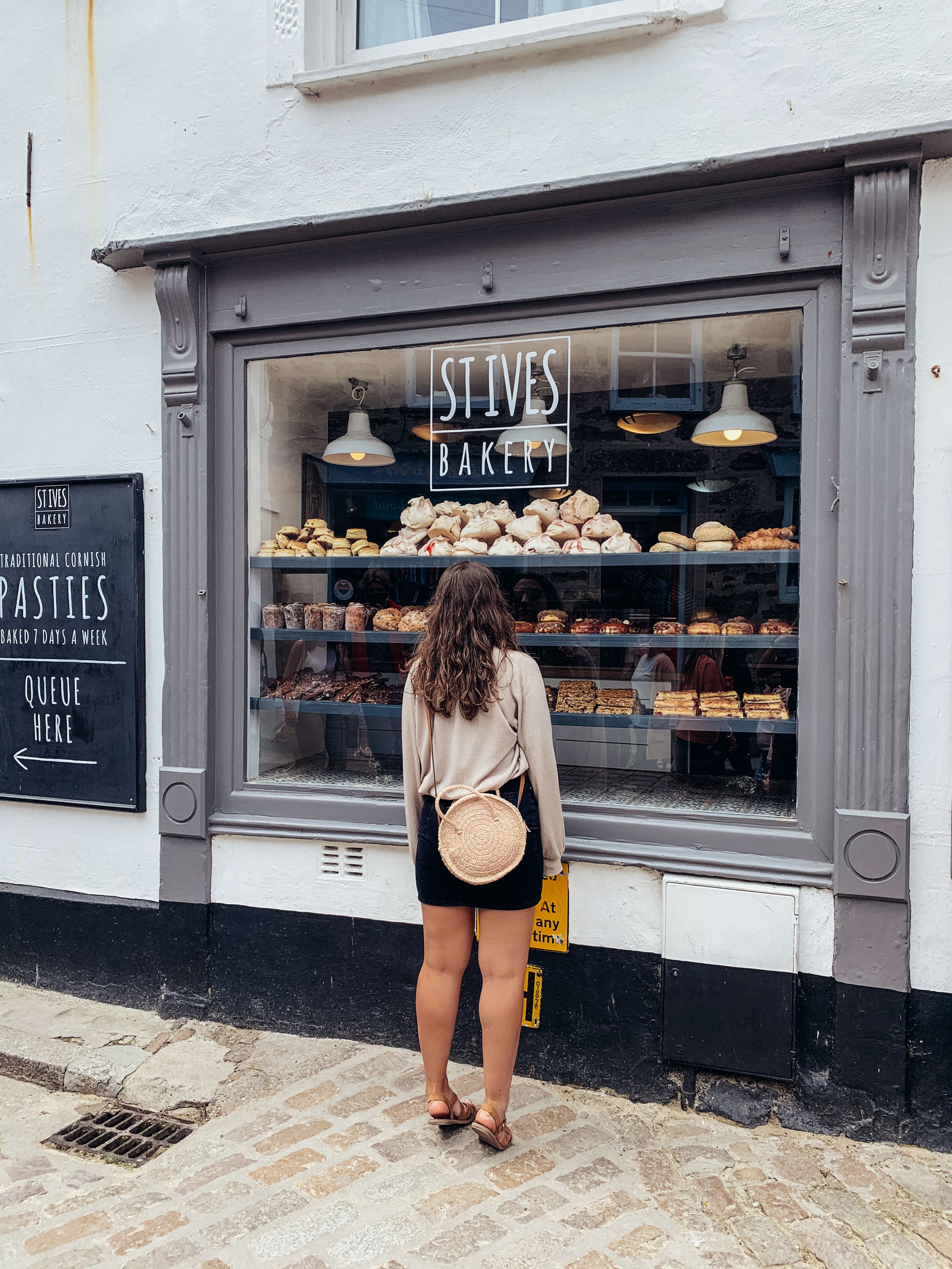
Harbour towns across Cornwall feel especially vibrant in July, with warm evenings and a steady flow of visitors bringing energy to harbour front streets.
St Ives combines art galleries, sandy coves, and busy beach cafés in a way that feels effortlessly summery. Padstow balances energy with charm around the Camel Estuary, while Falmouth blends maritime heritage with relaxed waterfront dining and boat-lined harbours.
Street performers, local markets, and open-air dining spill into harbour fronts on warm evenings. Ice creams on the quay, fish and chips by the water, and harbour-side drinks as boats return at sunset are simple pleasures that define July in Cornwall.
Exploring these towns outside peak afternoon hours, either early in the morning or later in the evening, often provides a more relaxed and enjoyable experience.
While Cornwall’s most famous beaches attract the biggest crowds in July, the county still rewards those willing to explore slightly beyond the obvious. Early starts, short coastal walks, or choosing slightly less central locations can completely change your experience.
For space and scenery in July, consider:
Holywell Bay – Wide, dramatic, and backed by dunes, Holywell Bay offers plenty of room even in peak season. Its expansive sands mean it rarely feels as crowded as smaller beaches on hot days.
Crantock Beach – Just across the river from Newquay, Crantock feels noticeably calmer than neighbouring Fistral. The estuary creates sheltered swimming spots and plenty of space for families.
Kynance Cove – One of Cornwall’s most iconic beaches, known for its turquoise water and serpentine rock formations. It can be busy in July, but visiting early or later in the afternoon makes a big difference.
Hemmick Beach – A quieter south coast option near Mevagissey, Hemmick feels tucked away and less commercial. The calmer waters and peaceful setting are ideal if you prefer a slower beach day.
In general, south coast beaches tend to feel more sheltered and slightly less hectic than north coast surf beaches during peak summer. They often provide calmer swimming conditions and a more relaxed atmosphere.
Arriving before 10am or heading down for a late afternoon swim can completely transform your experience in July. Evening beach visits, in particular, offer softer light, fewer crowds, and some of the best sunsets of the year.
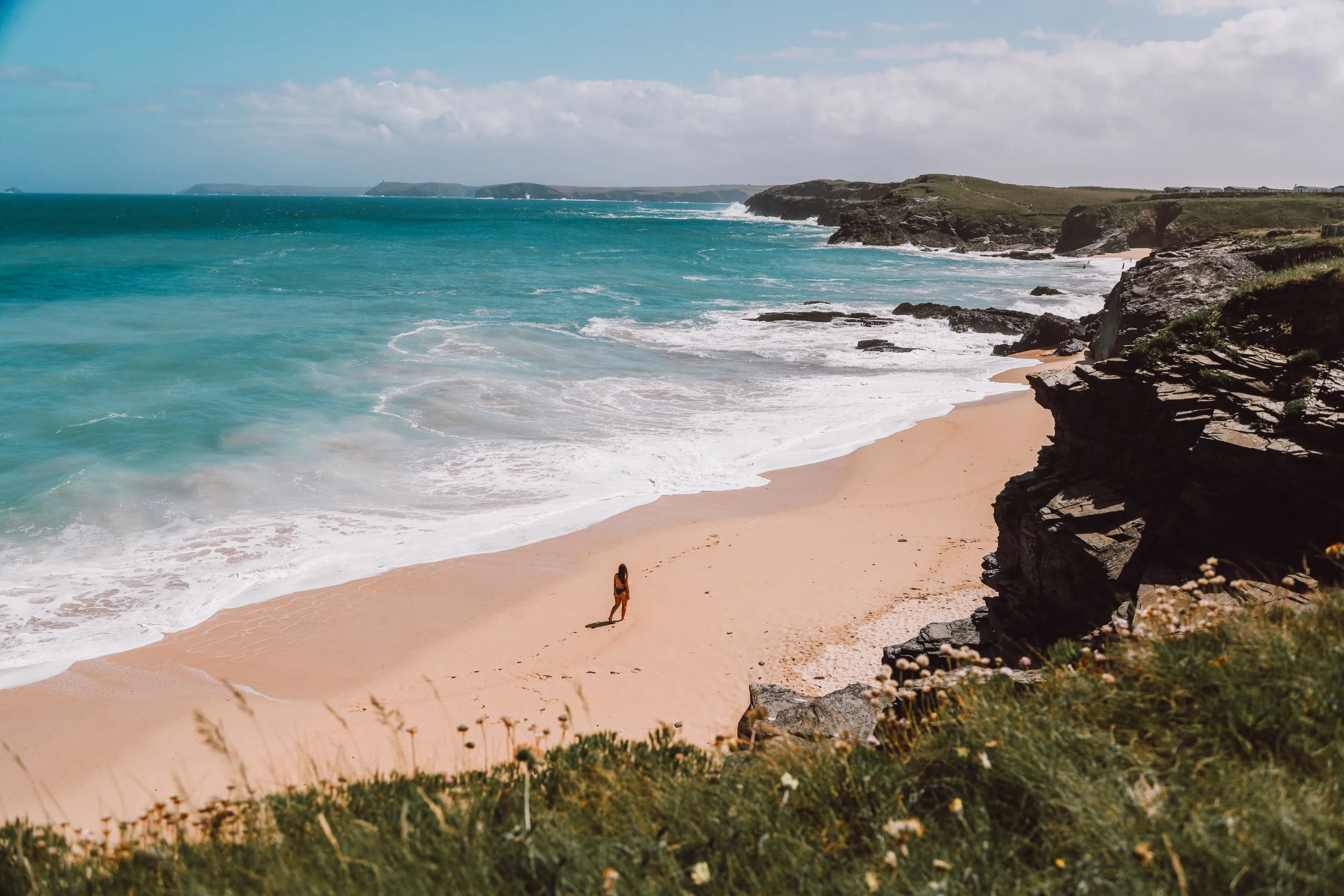
In July there are plenty of events happening in Cornwall. With harbour towns, county showgrounds, and coastal venues hosting everything from food festivals to live music and traditional regattas.
Harbour festivals, sailing events, food gatherings, and outdoor theatre become regular features across the region.
Some notable events that often take place in July include:
Falmouth Week (late July / early August build-up) – One of the south coast’s biggest sailing regattas, featuring racing, live music, and harbour celebrations.
St Ives July Festival – A long-running arts and music festival bringing live performances, theatre, and workshops to the town.
Rock Oyster Festival (usually late July) – A popular food and music festival near the Camel Estuary celebrating Cornish produce and live entertainment.
Looe Carnival Week (often late July) – A traditional seaside carnival with parades, fireworks, and community events.
Royal Cornwall Showground summer events – While the main Royal Cornwall Show is in June, July often hosts agricultural and country-themed events at the showground.
Outdoor theatre performances at the Minack Theatre – While running throughout summer, July performances in this cliffside theatre overlooking Porthcurno are especially atmospheric.
Smaller harbour regattas and village fêtes also take place throughout the month, particularly on sunny weekends. These community-led events often include live music, local food stalls, and family-friendly activities.
If you prefer a quieter stay, it is worth checking event dates before booking, as accommodation can fill quickly during major festival weekends. If you enjoy a lively atmosphere, aligning your visit with a local celebration can add something special to your trip.
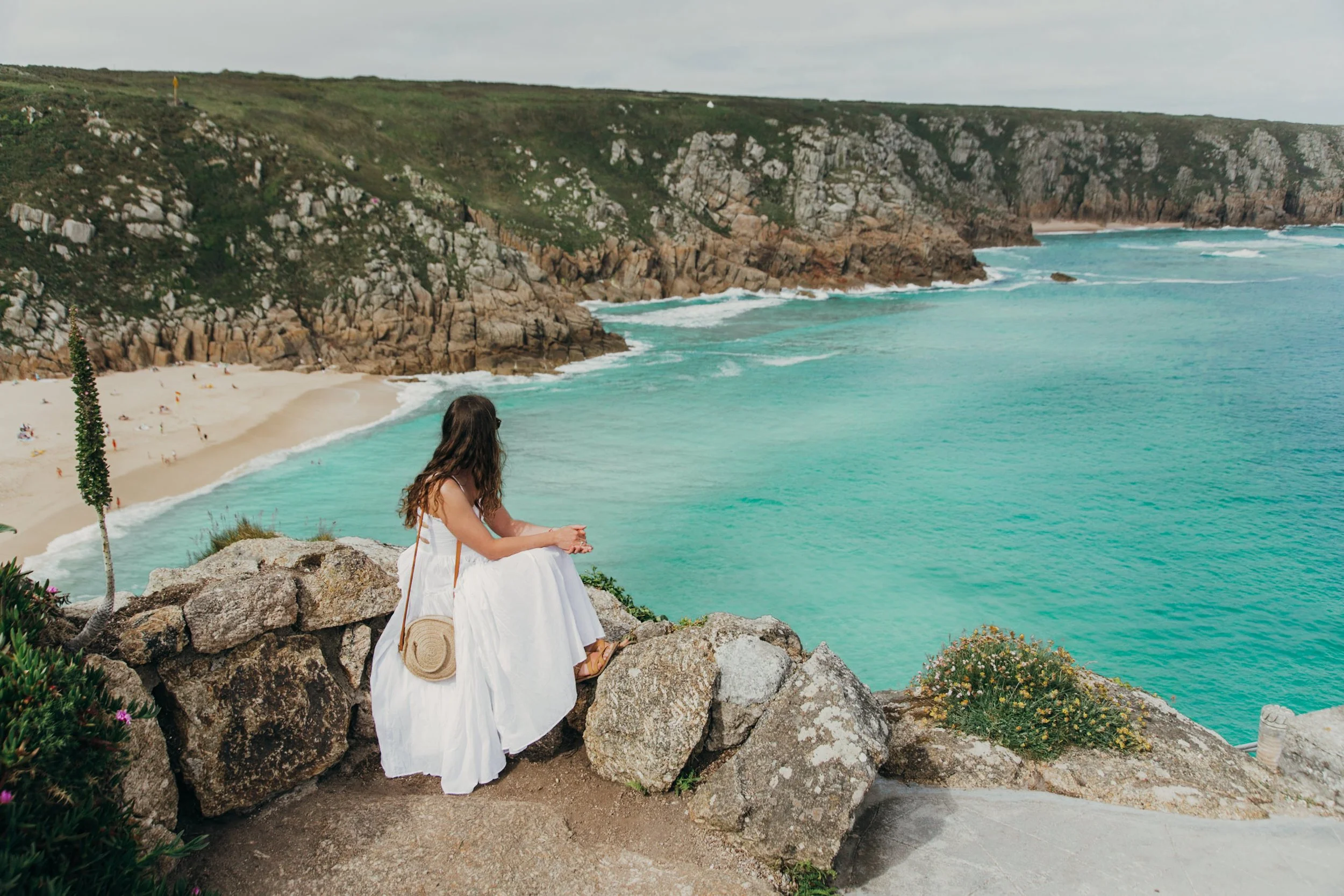
July is one of the best months of the year for walking in Cornwall. Dry ground conditions, long daylight hours, and generally clear coastal visibility make it ideal for exploring sections of the South West Coast Path.
Clifftop routes feel especially rewarding in midsummer. Views stretch for miles on clear days, and the combination of blue sea, green headlands, and bright skies gives the landscape a classic Cornish feel. Popular stretches such as St Ives to Zennor, the Lizard Peninsula, and the coastline around Padstow are particularly spectacular in July.
The main consideration is heat. Midday sun on exposed cliffs can feel intense, especially on south-facing routes. Carrying water, wearing sun protection, and starting earlier in the morning can make longer walks far more comfortable.
Sunrise and sunset walks are often the highlight of July hiking. Temperatures are cooler, popular routes are quieter, and the golden light over the sea transforms even familiar stretches of coastline into something memorable.
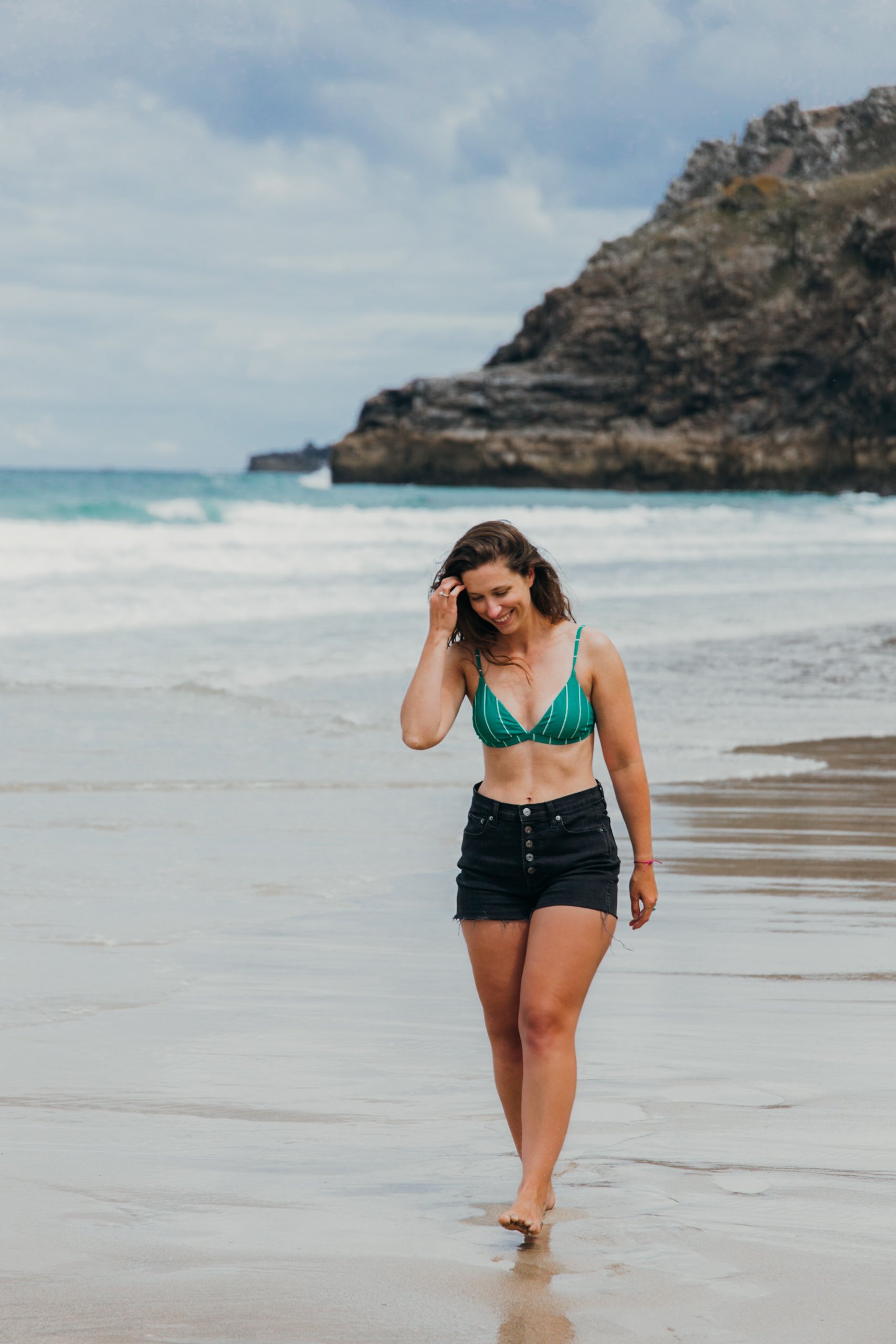
July is a vibrant month for wildlife and coastal scenery in Cornwall. The landscape feels at its fullest, with lush green cliffs, flowering hedgerows, and long stretches of coastline bathed in summer light.
Seabirds remain active along the cliffs, particularly around areas such as the Lizard Peninsula and the north coast headlands. Gannets, guillemots, razorbills and even puffins can often be seen offshore, while kestrels and buzzards hover above coastal paths.
Seals are frequently spotted around quieter coves and rocky outcrops, especially in less developed stretches of coastline. Early morning or evening walks increase your chances of sightings, when beaches are quieter and wildlife feels less disturbed.
Dolphins and occasionally basking sharks are sometimes seen further offshore during settled spells. Over the past few years Humpback whales have been showing off for long periods of time along the Cornish coastline.
Boat trips operating from towns such as Falmouth, Padstow, and St Ives run regularly throughout July, offering some of the best opportunities to experience Cornwall’s marine life up close.
Wildflowers continue to line sections of the South West Coast Path in early July, and the hedgerows remain thick, green, and full of summer colour. Even in peak season, stepping onto a quieter stretch of coastline quickly reconnects you with Cornwall’s wilder side. Don’t forget to keep your eyes peeled to spot a Cornish Chough with their distinctive red bill, red legs and instantly recognisable call!
July is one of the most popular months for a family holiday in Cornwall. The combination of warm weather, long daylight hours, school holidays and fully operational attractions makes it an easy and enjoyable time to visit with children.
Beaches are generally lifeguarded daily throughout July, particularly on the north coast, which adds reassurance for swimming and surfing. The sea is noticeably warmer than in spring, making paddleboarding, rock pooling, and beach days far more comfortable for younger children. Outdoor attractions, boat trips, adventure parks, and coastal activities are all running at full capacity.
The main consideration is crowds, especially once school holidays begin in mid to late July. Popular beaches and towns can feel busy, and accommodation books up quickly. Choosing a base within walking distance of the beach or harbour can remove the stress of finding parking each day, and arriving at beaches earlier in the morning helps avoid the busiest periods.
With a little planning, July offers everything most families want from a classic Cornish summer holiday: safe beaches, warm days, ice creams on the harbour, and plenty of space to explore outdoors.
July can be a wonderful time for couples to visit Cornwall, particularly if you enjoy warm evenings, lively coastal towns, and long days outdoors. The combination of golden sunsets, sea views, and relaxed harbour dining creates a naturally romantic atmosphere.
While July is busier than spring or early autumn, choosing the right base makes a big difference. Boutique hotels in quieter villages, cliffside stays with sea views, or small harbour towns slightly away from the main tourist centres can still feel intimate and peaceful.
Early July often offers the best balance, with warm weather and slightly fewer crowds than late summer. Sunset beach walks, coastal path hikes followed by pub dinners, and harbour-side drinks as fishing boats return in the evening are some of the simple pleasures that make Cornwall in July especially appealing for couples.
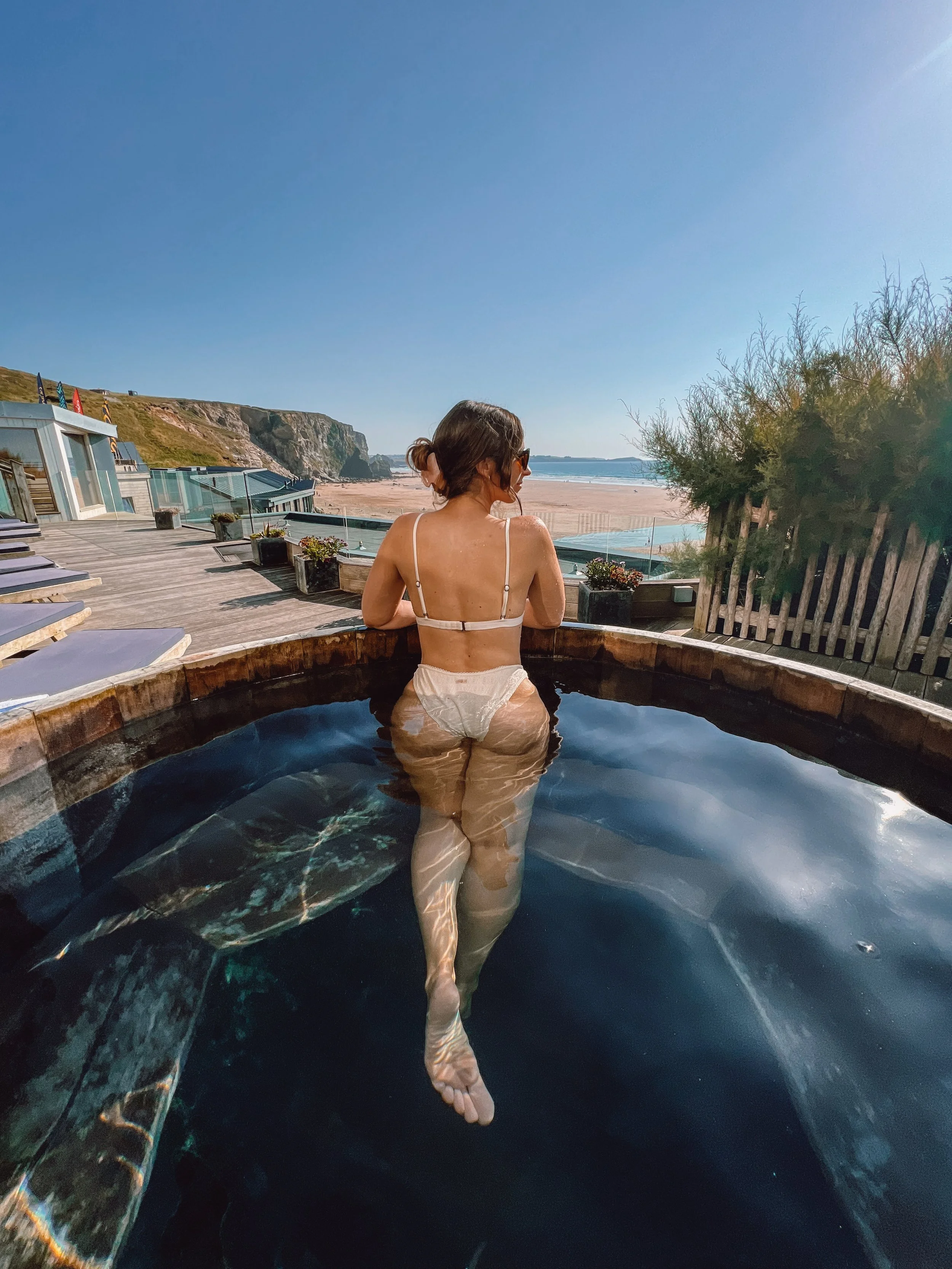
July brings warmer weather, longer evenings, and a noticeable rise in visitor numbers across Cornwall. Choosing the right base becomes especially important during this month, not just for scenery, but for practicality. Access to beaches, parking availability, and how well an area absorbs summer crowds can shape your overall experience.
Rather than simply choosing the most famous town, July rewards those who think carefully about pace, atmosphere, and how much travel they want each day.

Stay Near Wide Beaches for Space
In July, larger beaches tend to feel far more comfortable than small, enclosed coves. Locations with expansive sands allow visitors to spread out, even during school holidays.
Areas around Perranporth, Holywell Bay, and parts of Newquay work particularly well because the beaches are long and open, reducing that overcrowded feeling on sunny days.
The Headland Hotel, Newquay
Overlooking Fistral Beach, The Headland Hotel offers direct coastal access and enough facilities on site to reduce the need for constant driving. Its position above one of Cornwall’s largest beaches makes it a practical and scenic July base.
Choose Sheltered Harbours for a Slower Pace
If you prefer calmer waters and gentler evenings, the south coast often feels noticeably more relaxed in July. Harbour towns absorb summer visitors differently from surf beaches, with more emphasis on boating, estuary walks, and waterfront dining.
Fowey and the Helford area are particularly well suited to couples or visitors seeking a quieter rhythm.
The Old Quay House, Fowey
Set directly on the harbour, this boutique hotel places you within walking distance of boat trips, restaurants, and coastal paths. In July, being able to explore on foot without needing to find parking makes a real difference.
Stay Just Outside the Busiest Towns
July is when Cornwall’s most iconic towns feel busiest. St Ives, Padstow, and central Newquay can become crowded during peak afternoons. Staying slightly outside these hubs often provides a far more balanced experience while keeping you close enough to enjoy them.
Carbis Bay, just outside St Ives, is a good example of this approach.
Carbis Bay Hotel, Carbis Bay
Offering direct beach access and sea-facing rooms, Carbis Bay Hotel gives you the scenery and atmosphere of West Cornwall without being in the most congested part of town during high summer.
Consider a Central Base for Flexibility
July is a month where you may want to explore multiple parts of Cornwall rather than staying in one hotspot. A more central location can offer flexibility, easier parking, and quieter evenings after busy beach days.
Inland towns such as Bodmin or Lostwithiel provide access to both coasts within reasonable driving distance.
Bodmin Jail Hotel, Bodmin
This restored historic property offers a distinctive stay away from the busiest coastal streets. Its central location allows you to explore different parts of Cornwall throughout July without committing to one crowded town.
Looking for something different? Then use our handy interactive map below to book your perfect stay.
Packing for Cornwall in July still requires a bit of flexibility. While the month often brings warm, settled weather, coastal conditions can change quickly, and evenings frequently feel cooler once the sun drops, especially near the sea.
Alongside summer clothing, it is worth packing layers that can be added or removed throughout the day.
Recommended items to pack for Cornwall in July include:
Lightweight clothing such as t shirts, dresses, and shorts for warm daytime temperatures
A warm layer such as a jumper or light fleece for evenings and sunset coastal walks
Comfortable walking shoes or trainers for exploring harbour towns and sections of the South West Coast Path
Sandals or flip flops for beach days and short seaside strolls
Swimwear for beach days, paddleboarding, and sea swimming
A light waterproof jacket or windbreaker for occasional showers and coastal breezes
Sun protection including sunscreen, sunglasses, and a hat, as UV levels can be strong in midsummer
A small day backpack for carrying layers, water, and beach essentials
A reusable water bottle, especially useful for longer summer walks
A windbreak for breezier north coast beach days
If you plan to spend a lot of time in the water, a wetsuit is still needed in July, particularly on windier days or for longer surf sessions. Beach towels, picnic blankets, and a portable phone charger can also make long beach afternoons more enjoyable.
Is July warmer than June in Cornwall?
July is usually slightly warmer and more settled than June, with higher average daytime temperatures and warmer sea conditions. While Cornwall’s weather can always vary, July typically brings longer sunny spells and fewer unsettled days than early summer.
Can you swim in the sea in July?
July is one of the best months for sea swimming in Cornwall. Water temperatures are at one of their most comfortable points of the year, especially on calm, sunny days. Many visitors swim without wetsuits, although some still prefer light neoprene for longer sessions.
How busy is Cornwall in July?
Early July can feel lively but manageable, particularly midweek. From mid to late July, once school holidays begin, popular towns and beaches become significantly busier. Planning ahead and arriving early at beaches makes a big difference.
Are beaches lifeguarded in July?
Yes. Most major beaches across Cornwall are lifeguarded daily throughout July, particularly on the north coast. This makes it one of the safest months for swimming, surfing, and family beach days.
Is accommodation expensive in July?
Accommodation prices rise during peak summer season, especially in late July. Popular coastal towns and family-friendly properties book up well in advance, so early booking is strongly recommended.
Is July a good month for surfing in Cornwall?
July can offer excellent surfing conditions, particularly on the north coast. While winter often brings bigger waves, summer swells combined with warmer water make July ideal for beginner lessons and casual surf sessions.
What is the sea temperature in Cornwall in July?
Sea temperatures typically range between 16°C and 17°C in July. This is noticeably warmer than spring months and makes longer swims, paddleboarding, and kayaking much more comfortable.
Is Cornwall good for families in July?
July is one of the best months for family holidays. Beaches are lifeguarded, attractions run full schedules, and the warmer weather makes outdoor activities more enjoyable. However, booking accommodation early is essential.
Is July a good time for coastal walks?
July offers long daylight hours and generally dry paths, making it ideal for walking sections of the South West Coast Path. Early mornings and evenings are particularly enjoyable, as midday sun can feel strong on exposed cliff routes.
Does it rain much in Cornwall in July?
July is typically one of the drier summer months. While occasional showers can occur, extended periods of rain are less common compared to autumn and winter.

Plan your next adventure
If you book through our links, you help support our website at no extra cost to you - thank you!
WATCH OUR Cornwall Videos ON YOUTUBE
READ our Cornwall Guides
Top 15 Things to Do in Cornwall | Local Guide & Where to Stay
Ultimate St Ives Guide for 2025 | Beaches, Food & Local Tips
Top 12 Spa Hotels in Cornwall 2025 | Coastal Luxury from St Ives to Newquay
13 Things to Do in Cornwall For Adults When It Rains
Ultimate Newquay Food guide | Best Restaurants and Cafés
Best Food spots and Restaurants in Perranporth, Cornwall
9 Best Things to Do in Perranporth in Cornwall
Best Tidal Pools in Cornwall | 6 Outdoor swimming spots
35 Best Beaches in Cornwall | Ultimate Beach Guide with Photos
13 of the Best Shops to Visit in Newquay Cornwall
Is The Minack Theatre in Cornwall worth a visit?
Best Time to Visit Cornwall | Weather, Seasons & Local Travel Tips