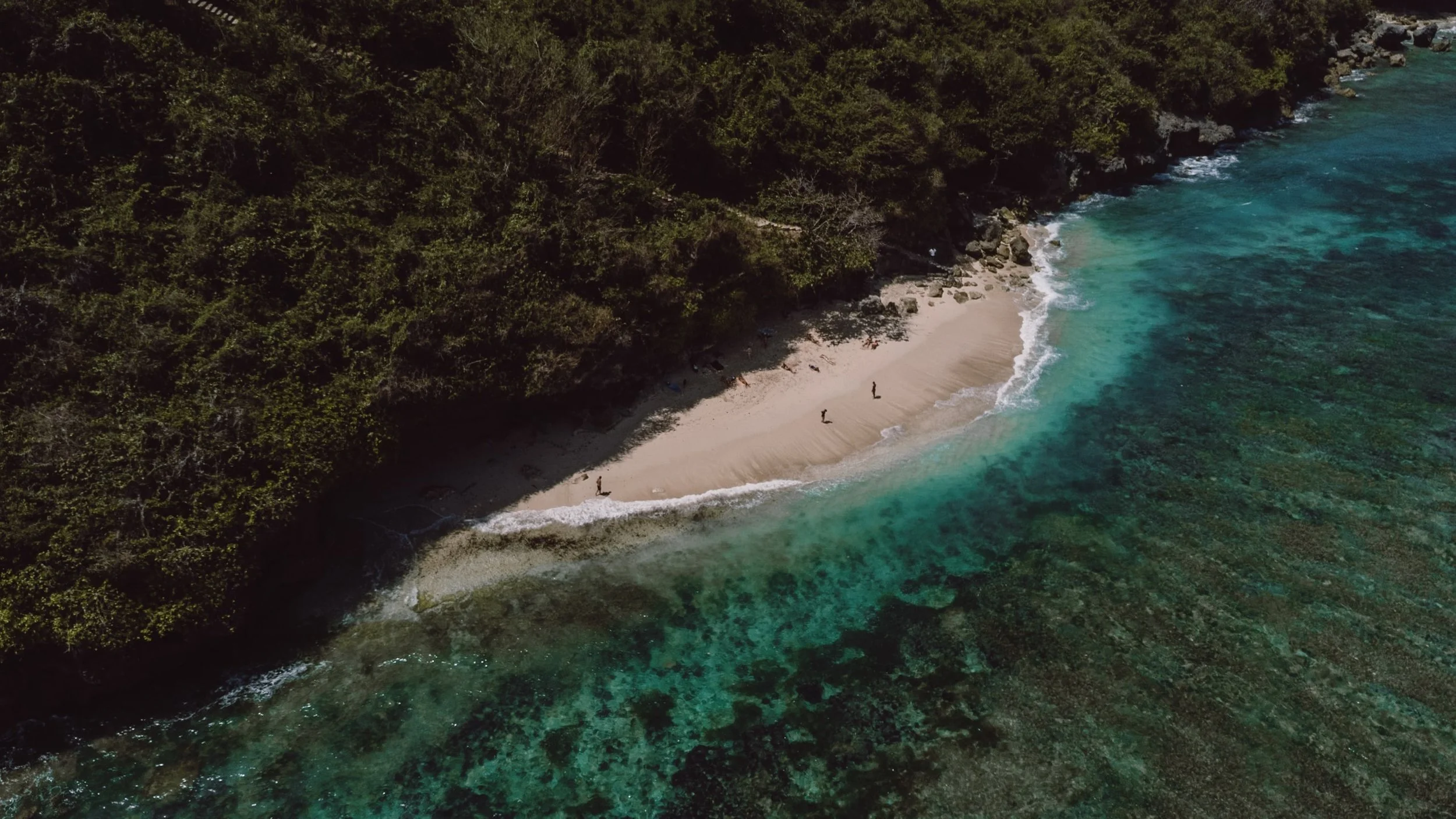
This post may contain affiliate links, which means if you purchase through these links, we may receive a small commission at no cost to you. Thank you for supporting our website.
Golden sunsets, turquoise waves, and a laid-back vibe make Uluwatu one of our favourite parts of Bali. The south-west coast is home to some of the best beaches in Uluwatu, which are widely regarded as some of the best beaches in Bali. Dramatic limestone cliffs rise sharply from the shoreline, creating stunning scenery and sheltering world-class surf breaks that attract surfers from around the world.
Perched on top of one of these cliffs is Uluwatu Temple, located in one of the most breathtaking spots in Bali, offering incredible ocean views and a glimpse into the island’s rich cultural heritage. Whether you want to catch some waves, take a refreshing swim, or simply relax with a coconut in hand and watch the sun sink below the horizon, Uluwatu has it all.
In this guide, you’ll discover the best beach in Uluwatu Bali, for every kind of beach day. From quiet secret coves to beaches lined with cafés, brunch spots, and restaurants. We’ve included all the top Uluwatu beaches, plus tips to make the most of your visit.
If you are planning your Bali adventure, Uluwatu is just one of many incredible stops on the island. To help you make the most of your trip, we have created a complete Bali travel guide covering the top destinations, practical tips, and suggested itineraries. You might also want to take a look at our Amed guide for a quieter experience on Bali’s east coast with incredible snorkelling experiences.
Although Uluwatu offers some of the best beaches in Bali, many travellers like to combine Bali with nearby Lombok. If you are wondering whether to stay in Bali or explore Lombok as well, check out our Lombok vs Bali guide. If you are planning to hop between the islands, our Lombok to Bali ferry guide contains all the information you need for a smooth and stress-free crossing.
How to Use This Guide
Jump to any section using the Contents table below. Click a heading in the guide to pop back to the contents and explore other sections.
Uluwatu is situated on the south-western tip of Bali, on the Bukit Peninsula, just south of Kuta. It is renowned as one of the best destinations in Bali for surfing and is home to some of the most beautiful beaches in Uluwatu.
The name “Uluwatu” comes from ulu, meaning ‘lands end’, and watu, meaning ‘rock’. While it usually refers to the area around Uluwatu Temple (Pura Luhur Uluwatu), the wider region includes beaches, surf spots, and villages such as Pecatu, Padang Padang, Bingin, and Dreamland. This guide covers the entire south-western and southern Bukit Peninsula to help you explore the best beaches and coastal scenery.

Uluwatu is located on the south-western tip of Bali, on the Bukit Peninsula. It’s about an hour’s drive from Ngurah Rai International Airport in Denpasar, though travel time can vary depending on traffic.
By Scooter or Car
Most people hire scooters rather than cars, as they are much easier to park and navigate around Uluwatu. Many beaches have limited or uneven parking, making scooters the preferred option for accessing smaller or cliffside beaches.
Scooters also offer flexibility to explore multiple beaches and viewpoints in one day. Always check road conditions and wear a helmet.
Rideshare Apps
Apps like Gojek and Grab can be very useful for getting around Uluwatu, but it’s important to know where they are accepted. It’s also a good idea to support local drivers and ask your accommodation for trusted recommendations.
Both Gojek (GoSend) and Grab Car are restricted in certain areas, such as Padang Padang Beach, Single Fin Beach Club, and Uluwatu Temple, where local drivers are prioritised to support the community. For more remote beaches, you may need to walk to a nearby main road for pickup or drop-off.
On one of our journeys on the way to Uluwatu temple, we ran out of fuel (doh), and ordered a Gojek scooter to take us to get fuel - lifesaver otherwise we would’ve been stranded on the side of the road.
By Taxi
Taxis are available, but fares may be higher than rideshare apps, especially if drivers are reluctant to enter the Bukit Peninsula. Make sure to agree on a price beforehand if using a conventional taxi.
Parking
Most popular beaches and sights, such as Uluwatu Temple, have designated parking areas, often with a small fee. Some more remote beaches require a short walk or steep descent from the parking area, so allow extra time when taking into consideration tides.
Plan your adventure
If you book through our links, you help support our website at no extra cost to you - thank you!
We’re always drawn to the sound of the ocean, days relaxing on the beach with a coconut in hand, there’s no better way to unwind. Uluwatu is a must-visit for beach-lovers visiting Bali, offering a beach for every type of traveller. Many of these beaches are considered some of the most beautiful beaches in Uluwatu and all of Bali, and shouldn’t be missed during your visit.
Here are some reasons why Uluwatu deserves a spot on your Bali itinerary:
Best Beaches in Bali
Uluwatu is home to some of the best and most beautiful beaches in all of Bali. Most of the beaches have soft, golden sand, vibrant azure water set against dramatic limestone cliffs topped with lush greenery. It has a truly special feeling that is hard to describe, so you’ll have to visit for yourself. You can choose from more famous spots like Padang Padang or more secluded spots like Green Bowl Beach; you really are spoilt for choice.
World-Class Surfing Destination
Uluwatu has long been home to local communities, but its waves first drew the attention of international surfers in the 1970s. Many visitors had come to enjoy Kuta’s surf but stumbled upon Uluwatu’s dramatic coastline instead. Steve Cooney, an Australian surfer, was one of the first foreigners to ride the waves at Uluwatu Beach and was featured in the iconic surf film Morning of the Earth.
The release of this movie inspired surfers from around the world to visit, putting Uluwatu firmly on the global surf map. Today, the coastline is lined with surf schools and breaks catering to all levels, from beginner-friendly waves to challenging reef breaks. With consistent swells, turquoise waters, and dramatic cliff scenery, Uluwatu remains one of Bali’s most celebrated surfing destinations.
Laid-Back Beach Vibes
When you first arrive in Bali, the traffic, especially the scooters, can feel overwhelming. Uluwatu, however, offers a much more relaxed pace and a laid-back atmosphere. Beachside cafés, brunch spots, and restaurants make it easy to unwind after a morning swim or surf session. As is often the case in popular surf destinations, the vibe here is chilled and carefree, with everyone simply enjoying the sun, sea, and good times.
beautiful scenery
Uluwatu has jaw-dropping scenery from almost every angle, and it has some of the most dramatic sunsets in Bali. Find a spot along the cliffs to watch surfers catch the last wave, or go for a sunset dip to really soak in this incredible coastline. Photographers will be spoilt for choice, with countless opportunities to capture not only the pristine beaches but also the panoramic cliffs, iconic temples, and lively street scenes.
Temples and Cultural Experiences
Uluwatu is renowned for Uluwatu Temple (Pura Luhur Uluwatu), a sacred site where many Balinese come to give offerings and prayers. Perched atop the cliffs, it feels as if you are at the edge of the world. Visitors can explore parts of the temple, learn about Balinese culture, and gaze down at the waves crashing below. The temple is also one of the best places to witness the traditional Kecak fire dance, performed in a truly unique and magical setting.
vibrant food scene
After a swim or surf, it’s hard to resist the call of food, and Uluwatu has a growing number of cafés, restaurants, and bars serving fresh seafood, Balinese cuisine, and international dishes. You could easily eat out for every meal of the day without running out of options. Many spots also host live music and evening events, creating a lively atmosphere where everyone can come together to enjoy great food and good company.
Beautiful Stays and Wellness
Uluwatu is home to some of the most beautiful properties in Bali, offering accommodation to suit every budget. From luxurious cliff-top resorts with breathtaking ocean views to boutique hotels and charming guesthouses, there are plenty of options to choose from.
Many of these resorts provide yoga classes, spa treatments, gyms, and other wellness experiences. If your accommodation doesn’t offer these services, you’ll find plenty of nearby options, allowing you to fully relax, recharge, and immerse yourself in the chilled and carefree atmosphere of Uluwatu.
The best time to visit Uluwatu is from April to October during the dry season. During this period, you will enjoy warm temperatures, plenty of sunshine and minimal rain. The dry season is perfect for long beach days, surfing, and spending most of your time exploring outdoors.
From November to March, the wet season brings periodic heavy rain showers. Beaches are generally quieter at this time, and there are still plenty of sunny days to enjoy the coast.
With fewer visitors, you can often find more accommodation options and better deals on stays and flights. July and August are the busiest months, leading to higher prices, so it is best to plan ahead if you visit during this period.
For a detailed breakdown of weather, surf conditions, and the best activities for each month, check out our Bali Month-by-Month Guide.
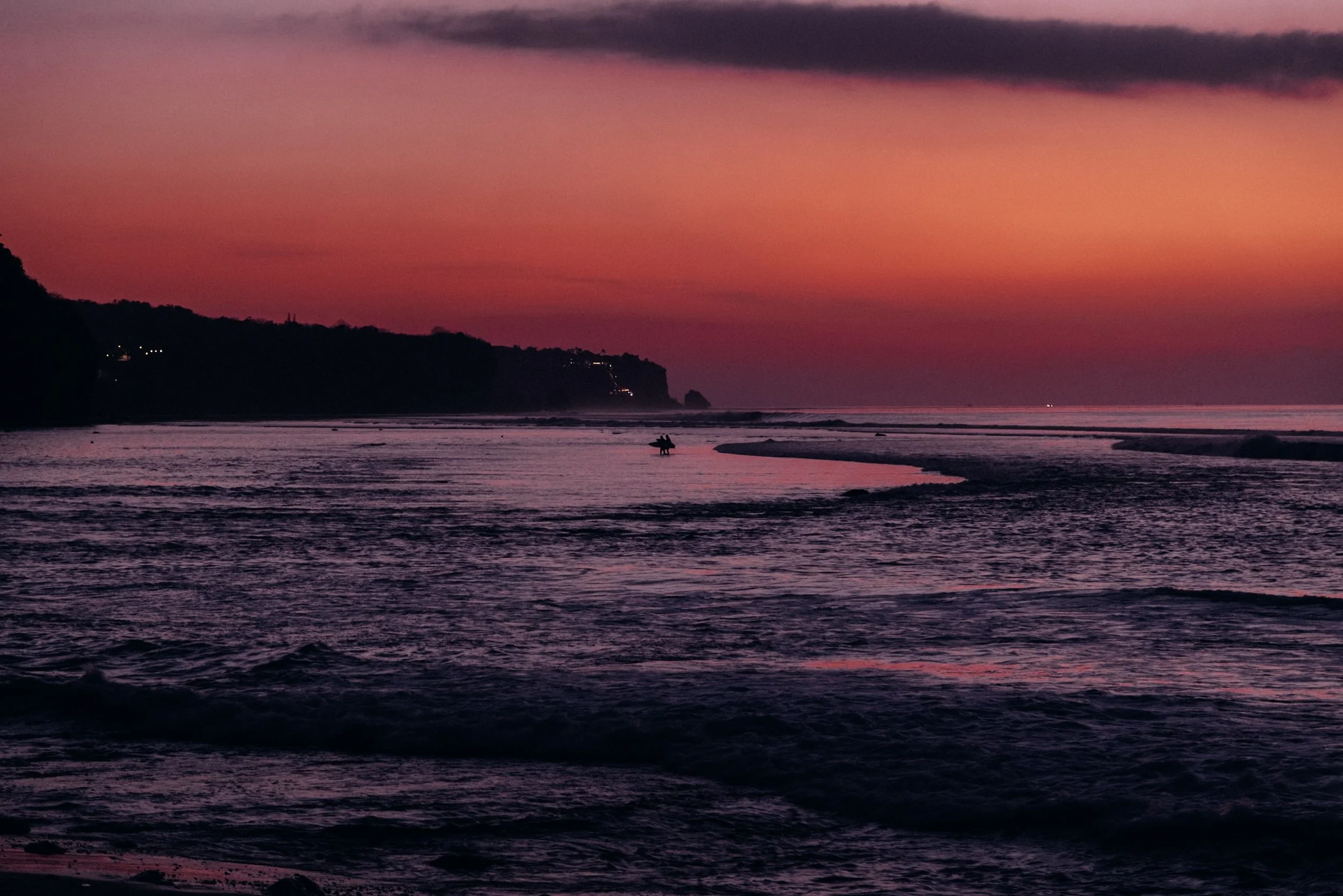
We have visited Bali twice over the last few years, and each time we have returned to Uluwatu to explore new beaches and try new food spots.
The beaches listed below are the best in Uluwatu, and for each one we share what it is best for, whether that is surfing, relaxing, swimming, photography or finding great places to eat. This will help you decide which beaches to add to your itinerary.
Dreamland Beach
Dreamland Beach is a wide stretch of sand that has changed a lot over the past few years. Once known as a quieter, hidden spot popular with surfers, it has now become a well-known destination for beach lovers. Several beachfront resorts have opened along the shore, giving the area a more developed feel compared to the untouched, relaxed vibe it once had.
Amenities | Beach umbrellas, sun loungers, nearby warungs serving cold drinks and local dishes, multiple surf schools. Despite the busy conditions, it’s a lovely place for a long walk along the sand and offers plenty of practical conveniences.
Swimming, Surfing and Tide | Gentle waves suitable for beginners, but take care as the surf can break suddenly close to shore. To be completely honest, the swimming conditions were not the safest, as the waves break quite suddenly close to shore. Let’s just say the ocean claimed Jonny’s Ray-Bans, never to be seen again.
Crowds | It’s possible to find some quieter spots if you’re happy to walk a little further along the beach. The car park was very busy during our visit, and the beach can get crowded, especially at peak times.
How to get there | Parking for scooters on the road leading to Dreamland Beach. A small fee is collected for parking.

Pantai Nunggalan
Pantai Nunggalan is easily one of our favourite beaches in Uluwatu. This remote and wild stretch of coastline sits on the southern tip of the Bukit Peninsula, and getting there feels like a proper little adventure.
The beach is tucked beneath steep limestone cliffs, which means the walk down (and back up) is a bit of a workout, but absolutely worth the effort. Once you reach the bottom, you are rewarded with several kilometres of powdery golden sand that feels almost endless.
Wild tropical bushes grow right up to the shoreline, offering plenty of natural shade, and the beach has an untouched, castaway feel. Apart from a couple of rustic beach shacks and the photogenic shipwreck, you will not find much else here, which is exactly what makes it so special.
Amenities | You could easily spend most of the day at Pantai Nunggalan. Some of the local shacks rent umbrellas and sun loungers and sell cold drinks and simple food. However, we highly recommend bringing your own snacks and plenty of water, especially as you will want refreshments for the hike back up to the cliff top.
Swimming, Surfing and Tides | The tide can be quite strong, especially at high tide, and there is no lifeguard on the beach, so take care and do not take any risks. At low tide, interesting rock pools appear, offering a chance to spot some local marine life.
Crowds | Nunggalan Beach is the perfect place to escape the crowds and enjoy nature at its best. Even during high season, you are likely to find it peaceful and relatively quiet.
How to get there | Park opposite Vanara Resort & Spa, where you will pay a small parking fee. Follow the path towards the cliff, passing Villa Plenilunio and Villa Sol y Mar, until you reach the trail down to the beach. There are a few signs along the way, and the descent takes around 30 minutes.
The path is not paved and is mostly loose dirt and stones, so wear appropriate shoes and take your time. Keep an eye out for monkeys, as they tend to hang around the upper part of the trail. Near the top, you will pass a warung that is a great place to stop for a cold Bintang on the way back up.
Nyang Nyang Beach
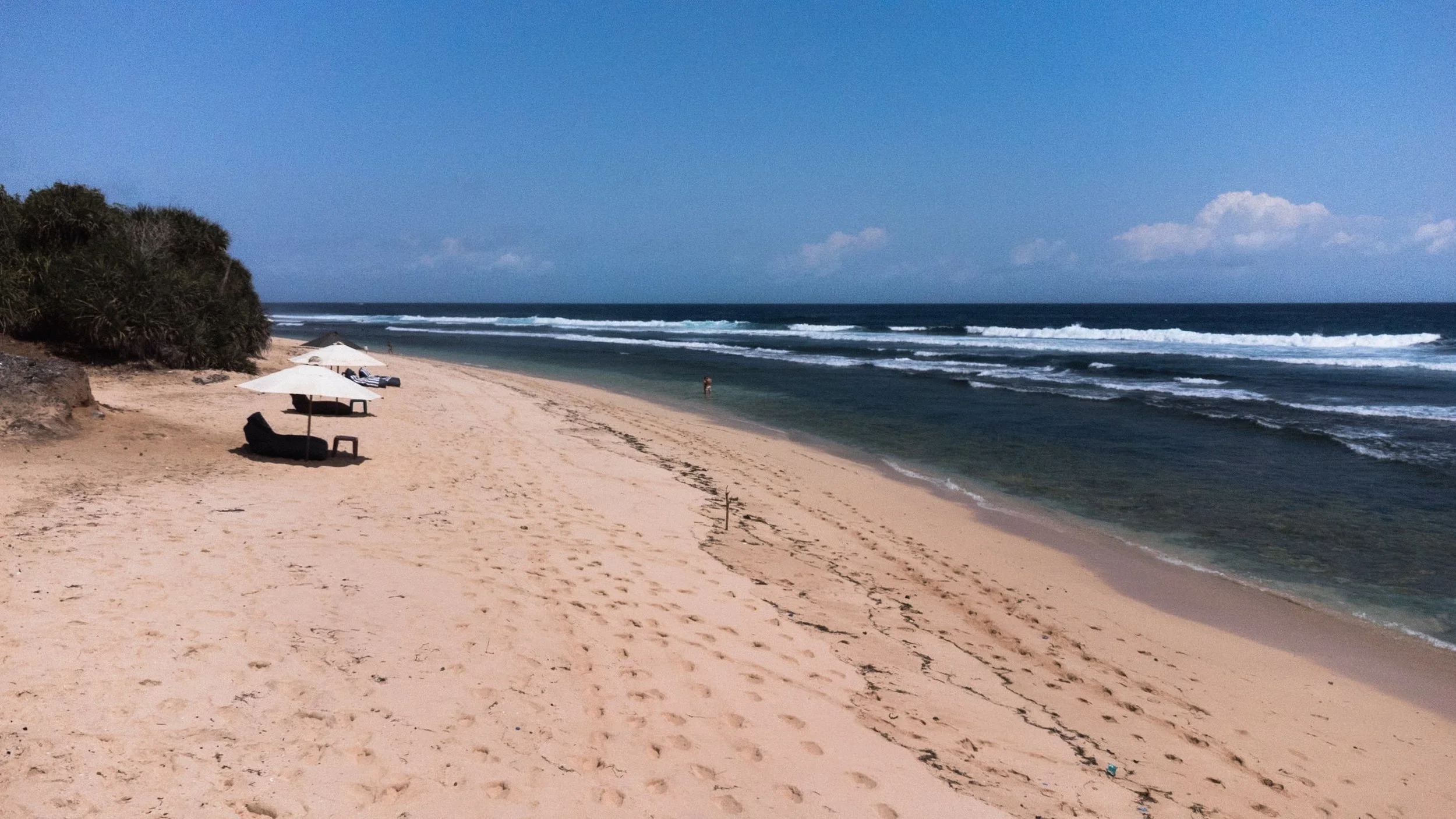
To the west of Pantai Nunggalan, you’ll find Nyang Nyang Beach, which is slightly easier to access but still a bit of an adventure.
Several warungs and small restaurants along the beach create a relaxed, chilled and carefree vibe reminiscent of what Bingin used to be. It’s an incredible spot to put your feet in the sand, watch the sunset, and enjoy a cold Bintang in hand.
Nyang Nyang has a similar boho-chic feel to Nunggalan, with driftwood shacks, surfboards hanging on walls, shells dangling from trees, and the sense that you are lost in paradise.
Amenities | Most of the restaurants are near the end of the road, but if you walk further, you can escape the crowds and find quiet corners of the beach. There are several shaded spots under large trees, and you can hire a sun lounger and umbrella for a few hours or the whole day. Compared to Nunggalan, this beach has more facilities, including sellers offering clothes and handmade seashell bracelets.
Swimming, Surfing and Tides | Surfboards can be rented from a warung, but the waves here are mostly for experienced surfers, as Nyang Nyang is the only right-hand break on the Bukit Peninsula. Swimming is possible but best at mid-tide when the water is deep enough.
Crowds | Compared to Nunggalan, Nyang Nyang is busier but still relatively peaceful. Walk a little further along the sand, and you’ll find quiet areas to enjoy the beach.
How to get there | Access the beach via a steep, concrete road with ruts. There is a car park at the top, recommended if you’re not confident driving down the slope. Walking down the road is possible, though a real calf burner. The effort is worth it, as the views of the beach from above are stunning. Take care with traffic as you make your way down.

Green Bowl Beach
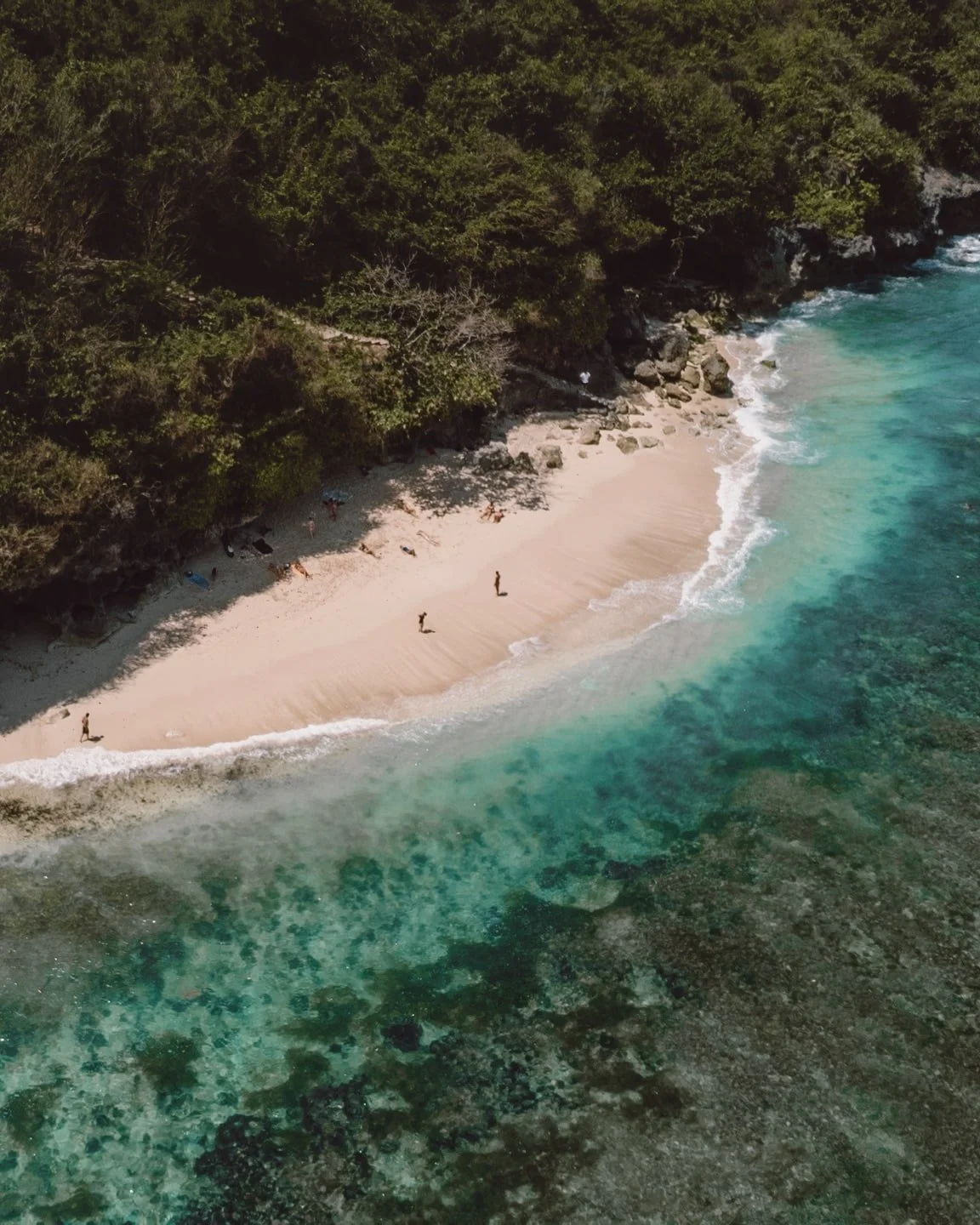
Another one of our favourite beaches in Uluwatu is Green Bowl Beach, a secluded spot on the south coast, a little further from the main hub of Uluwatu. It is worth the effort to descend the numerous steps to reach this little slice of paradise.
The beach is small but incredibly beautiful, framed by dramatic cliffs and vibrant turquoise waters. It’s perfect for those who enjoy a more private, peaceful beach experience.
Amenities | There are no facilities on the beach itself apart from a small cave offering shade. Showers and toilets are located at the car park at the top. During our visit, we noticed a few pushy sellers, so it’s worth being prepared for that.
Swimming, Surfing and Tides | As one of the smaller beaches on this list, it’s important to check the tide times, as the beach can almost disappear at high tide. Green Bowl Beach is also popular with experienced surfers, though carrying your board down the steep steps can be challenging.
The water here is some of the most vibrant we have seen in Bali. From the moment you get your first glimpse of the beach at the bottom of the steps, it looks incredibly inviting. Swimming is possible, but it’s best between low and high tide, as there are rocks exposed at low tide.
Crowds | Generally quieter than many other beaches in Uluwatu, it’s easy to find a peaceful spot even in peak season.
How to get there | Parking is at the top of the beach outside Warung Anis, where a small fee is charged for parking and beach access at the barrier. The descent to the beach is steep but manageable thanks to the many steps, which make it much easier than a dirt path.
Bingin Beach
Update July 2025: Most of the cliff-side businesses at Bingin Beach, including hotels, warungs and guesthouses, were demolished earlier this year. While the natural beach and reef remain, access is currently unsafe, and most of the amenities that once made the area a popular spot are gone.
We would not recommend visiting at this time. Our thoughts are with the families and business owners who have lost their livelihoods. We hope that Bingin Beach can one day be restored to the magic it once held.
If there is one place in Bali that truly captured our hearts, it has to be Bingin Beach. On our first visit, we stayed in a beach hut right on the sand, waking up to the sound of waves beneath us, taking morning walks along the shore, and enjoying nasi goreng while watching surfers catch the waves.
On our most recent visit, one of the highlights was having fresh fish BBQ’d on the beach at sunset. It was such a lovely, lively atmosphere, enjoying some of the freshest and most succulent fish with the sand between our toes as the stars began to emerge.
Bingin Beach was also one of Bali’s most well-known surf spots after Canggu, having been discovered by surfers in the 1970s.
In recent years, rapid development on the cliffside dramatically changed the area, and in 2025, the government decided to demolish most of the businesses on Bingin Beach. While the reef and waves remain, the area is currently not suitable for visitors.
How to get there | The steep steps and path down to Bingin Beach start next to the Kembang Kuning Parking Area and follow past The Temple Lodge and Villa Nirvana Biru. Access is unsafe at the moment, and visitors are strongly advised to avoid the beach.

Padang Padang Beach
Padang Padang Beach is one of the most popular and well-known beaches in Uluwatu, especially after being featured in the movie Eat, Pray, Love with Julia Roberts. Surrounded by towering limestone cliffs, it has a tucked-away, intimate feel, but its small size and easy access mean it can become crowded very quickly.
The beach is a narrow stretch of soft sand with calm, clear water that is great for swimming at the right tide. It is one of the more family-friendly beaches in Uluwatu, although you should be aware of the monkeys near the entrance, as they are known to snatch bags, sunglasses and food. Keep your belongings close and do not leave anything unattended.
Amenities | Padang Padang has basic facilities, including umbrellas, sun loungers, and a small café selling drinks and snacks. There are more cafés and restaurants near the main road at the top of the steps, including toilets and showers. If you turn left from the beach, you’ll reach Pecatu village with many food options. You’ll find some sellers offering souvenirs, bracelets and refreshments on the beach.
Swimming, Surfing and Tide | Swimming is best at mid to high tide when the water is deeper. At low tide, the reef becomes exposed, and the beach is less suitable for swimming.
Surfers often paddle out to the outer break, which is better for experienced riders due to strong currents and the reef. There is a gentler wave closer to shore for beginners, although conditions can still be challenging. If you want to try surfing here, it is worth booking a lesson with a local surf school that knows the break well.
Crowds | Padang Padang gets busy very quickly, especially late morning through early afternoon. Space is limited for those who do not want to hire an umbrella, and during peak season, there is little space to enjoy a quieter experience. If you want fewer crowds, come later in the day or early in the morning.
Sunset | You can catch the sunset from the far north-eastern end of the beach, where the cliffs don’t block the view, but in our opinion, the best sunset spots are the clifftop cafés and viewpoints above the beach, which offer a much more unobstructed and scenic experience.
How to Get There | The entrance to Padang Padang Beach is just off the main Uluwatu road. After paying a small entrance fee, follow the steps through a narrow rock passage that opens directly onto the sand. Parking is available beside the main road, don’t leave anything in your scooter as monkeys are around.

Balangan Beach
Balangan Beach is one of Uluwatu’s most iconic stretches of coastline. It features a long, golden sandy beach backed by rugged cliffs that offer some of the best views in the area, especially for sunset. The beach still retains a laid-back surfer vibe, making it feel less developed than some of the more famous beaches nearby.
Balangan is one of the biggest beaches in the area, just north of Dreamland Beach, with limestone cliffs at each end. From the cliff viewpoint above the beach, you can see the entire sweeping bay, a favourite spot for sunset photos. The atmosphere is relaxed and perfect for those seeking a quieter beach day or a traditional surf vibe.
Amenities | There are several warungs on the sand offering cold drinks, fresh coconuts, Indonesian dishes, beach umbrellas and sunbeds. Surfboard rentals are common, and a handful of surf schools operate here. A few low-key street vendors may also be around, but they are not intrusive.
Swimming, Surfing and Tide | Balangan is a well-known surf beach with a consistent left-hand reef break suitable for intermediate and advanced surfers. Swimming is possible during calmer conditions, although waves and currents can be strong, especially at high tide. At low tide, much of the reef becomes exposed.
Crowds | Balangan is spacious, so even when it feels lively, it rarely becomes cramped. Mornings are the quietest, while sunsets draw more visitors, particularly to the cliff viewpoint.
Sunset | Head to Tebing Pantai Balangan, the cliff at the eastern end of the beach, for incredible panoramic views and enjoy an unobstructed view of sunset.
How to Get There | Follow the signs to Pantai Balangan. Parking is available at the cliff viewpoint or down the slope closer to the beach. Access is via several steps directly onto the beach.

Cemongkak Beach
Cemongkak Beach is one of Uluwatu’s lesser-known treasures, a small, quiet beach tucked between Dreamland Beach and Balangan. It offers a peaceful alternative for travellers looking for a genuinely peaceful spot and a lovely sunset location.
A small stretch of sand framed by dramatic cliffs and hidden coves, Cemongkak has a wild, untouched atmosphere. It is much quieter than neighbouring beaches, making it perfect for those wanting a natural, relaxing experience.
Swimming, surfing and tide | Swimming is best during mid-tide, as the reef is exposed at low tide. Cemongkak is not a major surf spot, though you may occasionally see surfers paddling towards the breaks near Dreamland.
Amenities | You won’t find any warungs, toilets or cafes on the beach, it’s purely a beach! Visitors should bring their own water, snacks and shade if spending time here.
Crowds | Cemongkak remains one of the quieter beaches in Uluwatu, even during high season. You may only see a handful of people. The cliffs above provide wonderful viewpoints for watching the sunset, where locals also gather for a peaceful view of the sun dipping below the horizon.
How to get there | Access is via a small path opposite the Happy Bali shop on Jl. Pantai Cemongkak, just to the left before you reach Taman Asih Bingin Homestay when heading towards Dreamland from Bingin. Many travel by scooter up to the cliff, but going on foot is easier and safer. The descent is steep but manageable. Bring a torch if you plan to stay for sunset, and note that a few abandoned buildings are along the path.

Suluban Beach
Suluban Beach is one of Uluwatu’s most dramatic coastal spots and a popular photography destination thanks to its stunning cave-framed beach. It is renowned for incredible surf and raw natural beauty, making it a must-see even if you do not surf.
It’s often referred to as Uluwatu Beach and accessed down a cliff and through a narrow cave passage. Turquoise water and rocky tidal zones create an adventurous feel to this spot. The beach is small, but the scenery is spectacular.
Swimming, Surfing and Tide | Suluban is a world-class surf break suitable only for experienced surfers. Swimming is not advised due to strong waves, sharp reefs and powerful currents. At very low tide, rock pools appear beneath the caves, and it’s possible to explore the beach. Blue Point is the main surf break you reach when descending the steps through the rocks.
Amenities | There are several cliff-top warungs, cafés and bars with ocean views, perfect spots to enjoy the sunset. Surfboard rentals and lockers are available above the beach. The beach itself has limited space and no facilities due to the tide. Single Fin is one of the most iconic cliffside spots to watch the sunset and enjoy food and drink.
Crowds | Suluban is one of the more popular places in Uluwatu, but mostly with surfers. The beach is only accessible at low tide; otherwise, the passage is blocked. When the tide is out, there is more room to walk along the sand, making it a favourite sunset spot.
How to get there | Park near the Blue Point area on Jl. Mamo, past Ayomart Uluwatu, and follow the long staircase down past surf shops and cafés. The path leads through caves directly onto the beach.
Thomas Beach
Thomas Beach is one of Uluwatu’s most relaxed and spacious beaches, located between Suluban and Padang Padang. It is an ideal option if you want a quiet, peaceful beach day without the crowds, while still having basic facilities.
It’s one of the bigger beaches in Uluwatu, with a long stretch of white sand framed by cliffs on either side and palm trees, giving it a natural, serene feel. The vibe is laid-back and simple, somewhat undiscovered compared to its more famous neighbours.
Swimming, surfing and tide| Swimming is usually best around mid-tide when the water is deep enough. At low tide, the reef becomes exposed. Small waves suitable for beginners or casual surfers often appear.
Amenities | Local warungs, sunbeds, surfboard rentals and a few simple beach bars. Facilities are basic but provide everything needed for a relaxed day. There is space to enjoy the beach without sun loungers if you walk further down, though there is little shade.
Crowds | Generally quieter than most beaches in Uluwatu, probably due to the 100-step descent to the beach. It is ideal for slow mornings or relaxed afternoons.
How to get there | Access is via a set of steep steps, which you get to via a narrow street only suitable for scooters or walking from the main coastal road near Suka Espresso on Jl. Labuansait. There is a parking area at the top, and the descent down to the beach takes a few minutes.

Now that we’ve shared some of the best beaches in Uluwatu, here are a few things to bear in mind when visiting any of these coastal gems. These tips and resources will help you make the most of your visit to Uluwatu.
Carry cash for entrance fees - Many beaches in Uluwatu charge a small entrance or parking fee. Bring cash, as card payments are not always accepted. This money helps maintain the cleanliness of the beaches and facilities provided.
Parking and access - Some beaches have designated parking areas with a fee. Others are more remote and require walking or navigating steep paths, which can make accessibility more challenging. Always check in advance and allow extra time for the descent and return.
What to pack - Bring sunscreen, a hat, and plenty of water to stay hydrated. Many beaches have rocky or uneven paths, so sturdy shoes or sandals are recommended. Snacks and extra water are essential for more remote beaches like Pantai Nunggalan or Green Bowl.
Surf Rentals and Lessons - Uluwatu is famous for its surf breaks. Most beaches have nearby surf schools offering lessons for beginners and equipment rentals for more experienced surfers. Check local reviews to ensure quality and safety.
Avoiding Crowds - Popular beaches such as Padang Padang and Bingin (when accessible) can get very busy, particularly mid-day and during peak season. To enjoy a quieter experience, arrive early, visit during the low season, or explore lesser-known beaches like Cemongkak, Pantai Nunggalan, or Thomas Beach.
Safety - Many beaches in Uluwatu are reef-break areas, meaning waves can get large with strong currents. Only attempt activities you feel comfortable with, stay aware of the conditions, and never underestimate the ocean. For water safety guidance, check these useful RNLI water safety tips.
Lifeguards - Some beaches may have lifeguards, but it’s not always obvious, and information on their presence or hours is limited. We noticed that most beaches don’t have visible lifeguards, so you should always swim at your own risk.
It would be great if there were more lifeguards along this stretch of coast to improve safety, especially for tourists unfamiliar with reef breaks and strong currents. Stories of rescues at Uluwatu show how quickly the tide can catch you off guard.
Facilities - Amenities vary widely across Uluwatu’s beaches. Some beaches offer warungs, rentals, and showers, while others are remote with minimal facilities. Always carry water, sun protection, snacks, and any other personal essentials.
Check tide times - The tide makes a big difference at Uluwatu beaches. Some cliff- or reef-backed beaches change dramatically between low and high tide. Low tide may reveal rocks and reefs, while high tide can make the beach almost disappear.
Useful Apps and Tools for Tides and surf
Always check tide charts before heading to any beach in Uluwatu, and ideally cross-check them with surf forecasts (swell, wind, and wave height).
Conditions on the Bukit Peninsula can change quickly due to reefs, cliffs, strong currents, and sudden shifts in weather. These tools are the most helpful for staying informed and safe, whether you’re surfing, swimming, or simply relaxing.
Bali Tide Forecast — A dedicated Bali app offering accurate tide charts plus swell and wind forecasts. Simple to use and great for quick checks on the go.
Surfline — One of the most reliable resources for Uluwatu specifically. Includes detailed tide tables, predictions for the week ahead, wave height, and sunrise/sunset times.
Indo Surf & Lingo — A long-trusted resource among surfers in Bali. Provides downloadable and printable monthly tide charts and surf calendars, useful if you want an offline option.
Kima Surf Bali – Offers a clear tide calendar for Bali, including high and low tides, sunrise/sunset information, and general surf conditions. Also provides instructions on how to read a tide chart.

Uluwatu isn’t just about sunbathing your days away with a coconut in hand, when that could very easily be done! There is so much to see and do along the coast, and incredible cultural sights to visit nearby. Browse the list below for inspiration for the best things to do in Uluwatu.
Surfing
Uluwatu is world-famous for its reef breaks. Experienced surfers flock to spots like Bingin, Suluban, and Padang Padang. For beginners and intermediates, local surf schools provide lessons with equipment included.
Relax on the Beach
Spend the day sunbathing, swimming, or walking along golden stretches like Balangan, Thomas, and Pantai Nunggalan. Quieter beaches are perfect for escaping the crowds.
Sunset Views
Uluwatu offers some of Bali’s most stunning sunsets, thanks to most of the coast facing west. Head to cliff viewpoints above Suluban, Balangan, or the warungs near Padang Padang for unobstructed views.
Uluwatu Temple (Pura Luhur Uluwatu)
Visit this iconic sea temple perched on cliffs to enjoy spectacular views and catch the famous Kecak Dance. Watch out for the monkeys in the temple, they are real opportunists!

Garuda Wisnu Kencana Cultural Park
See the giant Garuda Wisnu Kencana statue, which is one of the tallest statues in the world, and you may spot it as you ride around Uluwaut. Enjoy cultural performances and live music in this impressive park.
Creative Workshops
Take part in silver or jewellery-making classes for a hands-on cultural experience and the chance to bring back a personal souvenir. Popular options include Uluwatu Silver Jewellery Workshops and Bali jewellery classes with gold-plating options.
Spa and Wellness
The Balinese are renowned for their hospitality, and spa staff go out of their way to make you feel welcome and cared for, creating a truly rejuvenating experience. Many spas also offer packages combined with sightseeing or sunset views along the coast, allowing you to pair wellness with some of Uluwatu’s most stunning scenery.
Paragliding
For thrill-seekers, paragliding from the cliffs near Uluwatu is an unforgettable way to see Bali from above. Soar over the Bukit Peninsula and Nusa Dua coastline, taking in sweeping views of turquoise waters, dramatic cliffs, and golden beaches.
Puppy Yoga
Looking for a quirky and relaxing experience that’s a little different from the usual Bali activities? Puppy Yoga combines gentle yoga with the company of adorable puppies, making it a fun and lighthearted way to unwind.
snorkelling
While many Uluwatu beaches are reef breaks with strong currents, there are a few spots suitable nearby for snorkelling if you arrange to go on organised trips.
Beach Clubs and Bars
Single Fin is a must-visit for sunset drinks and ocean views, but there are plenty of other cliff-top bars along the Bukit Peninsula worth exploring.
Uluwatu offers a wide range of accommodation, from luxury cliffside resorts with infinity pools to charming homestays and private villas tucked into the hills. Whether you’re seeking a romantic getaway, a surf-focused trip, or a quiet retreat, there’s something for everyone.
To make planning easier, we’ve compiled a guide to the best places to stay in Uluwatu, featuring our top picks across different budgets and styles, including cliff-top resorts, beachfront escapes, and quiet escapes perfect for a peaceful stay.
Is Uluwatu safe for families?
Yes, Uluwatu has family-friendly beaches suitable for kids, such as Padang Padang or Balangan. However, some beaches involve a bit of a walk or steep paths to access, so it’s a good idea to stay somewhere nearby for convenience.
Which beach is best for beginner surfers?
Beginner surfers will find Balangan Beach or Dreamland Beach more suitable. These beaches have gentler, more manageable waves, and local surf schools offer lessons and board rentals. Avoid reef-heavy spots like Suluban or Bingin if you’re just starting out.
Can you visit all the beaches in one day?
Technically, yes, but it wouldn’t be very relaxing, especially for more remote spots like Pantai Nunggalan or Green Bowl. You’d spend most of your day hiking and driving between beaches.
A better approach is to pick one or two beaches from our list, maybe one for the morning and another for the afternoon or sunset, to fully enjoy each spot without rushing.
Watch our Video
Bali & Lombok Guides
Ultimate Amed Guide | Best Snorkelling Spot in East Bali
Bali Travel Guide | Complete First-Timers Guide with Map
Lombok Travel Guide | Everything You Need to Know
The Secret Gilis in Lombok | Gili Asahan Island Guide
Surf and Stay at Boni Beach Hotel Lombok
Best Time to Visit Bali | Weather & Seasons Month by Month
Bali in December | Weather, Festive Events & Best Places to Visit
Lombok vs Bali | Which Indonesian Island Should You Visit?
Bali to Lombok Ferry Guide | Routes, Prices & Travel Tips
Where to Stay in Lombok | Best Areas and Hotels for Every Traveller