This post may contain affiliate links, which means that if you purchase through these links, we may receive a small commission at no cost to you.
In Partnership with In Vendée. Thank you for supporting our website.
If you are looking to escape the UK without flying, a ferry to France opens the door to one of the country’s most underrated coastal regions, Vendée.
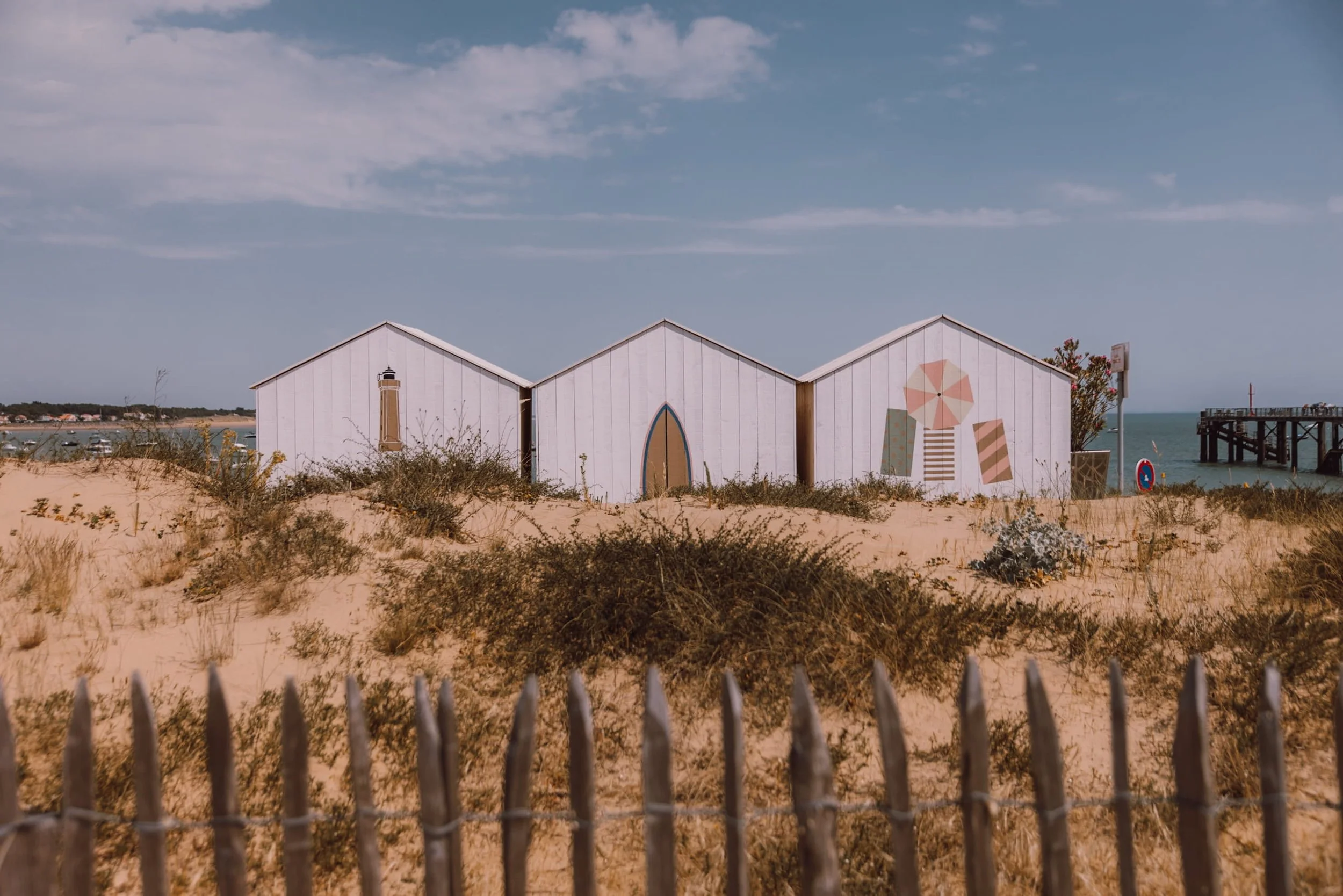
Sitting just south of Brittany on the French Atlantic coast, Vendée has wide sandy beaches, peaceful pine forests, and relaxed seaside towns that feel surprisingly uncrowded in places, almost like a hidden corner of France.
While many UK travellers stop in Brittany or head further south, Vendée is often overlooked. Yet it is one of the easiest regions in France to reach by car, with excellent ferry connections from the UK and short onward drives.
In this guide, we share our 5-day Vendée road trip itinerary, covering the island charm of Noirmoutier, the nature-filled cycling routes around Saint Jean de Monts, and the laid-back surf town of La Tranche-sur-Mer.
Whether you are planning a ferry holiday from the UK or looking for a quieter alternative to France’s better-known coastal spots, this route is all about slow travel and discovering a different side of the French coast.
Don't miss our guides to the West coast of France or our eco-friendly activities guide in Nouvelle-Aquitaine, both of which pair perfectly with a visit to Vendée.
How to Use This Guide
Jump to any section using the Contents table below. Click a heading in the guide to pop back to the contents and explore other sections.
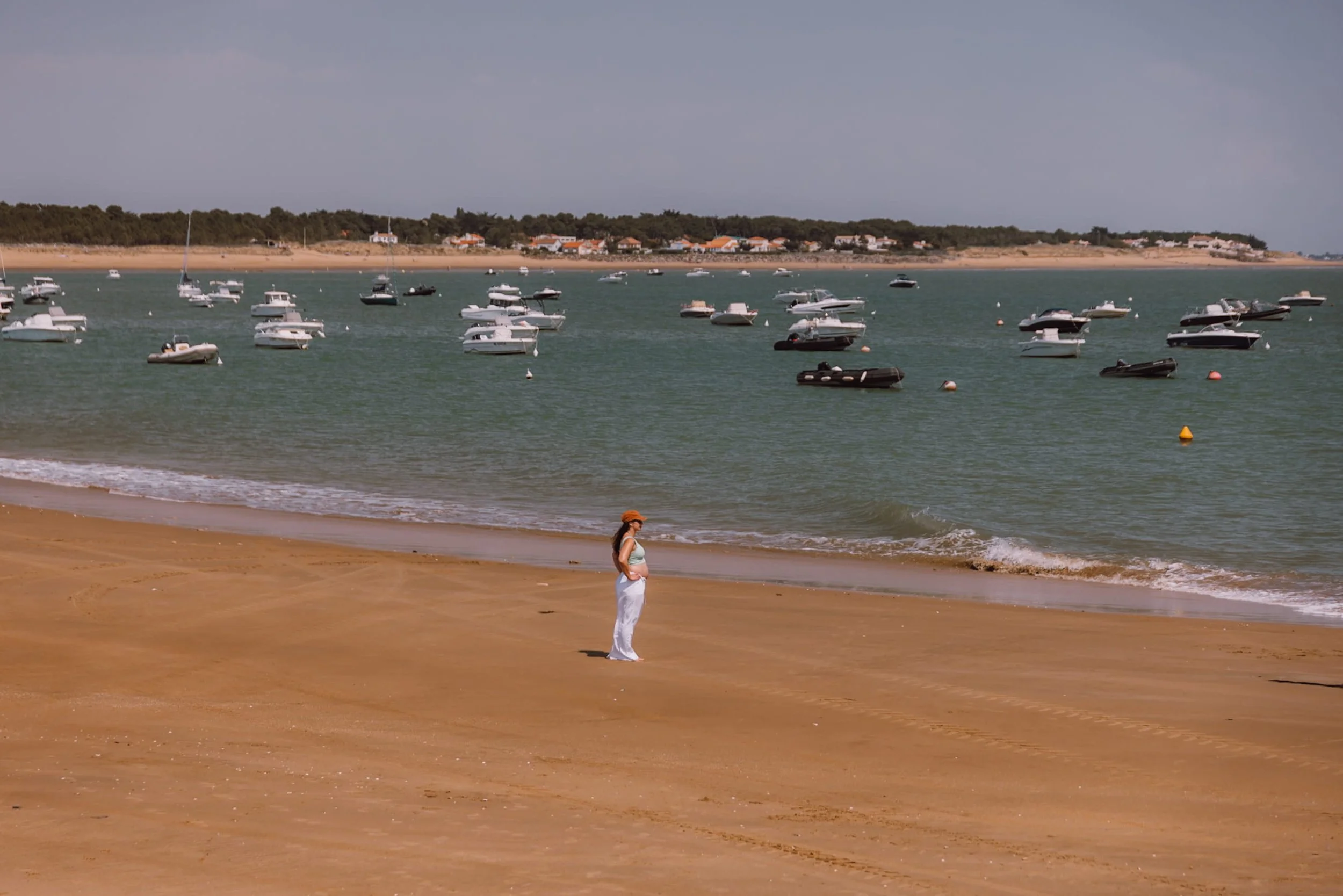
Vendée sits within the Pays de la Loire region on France’s Atlantic coast, between Brittany and Nouvelle-Aquitaine. It is a well-known summer holiday destination for the French, yet still feels relatively undiscovered by many UK travellers.
The region is ideal for outdoor travel, with long sandy beaches, pine forest cycling routes and calm inland waterways all within easy reach.
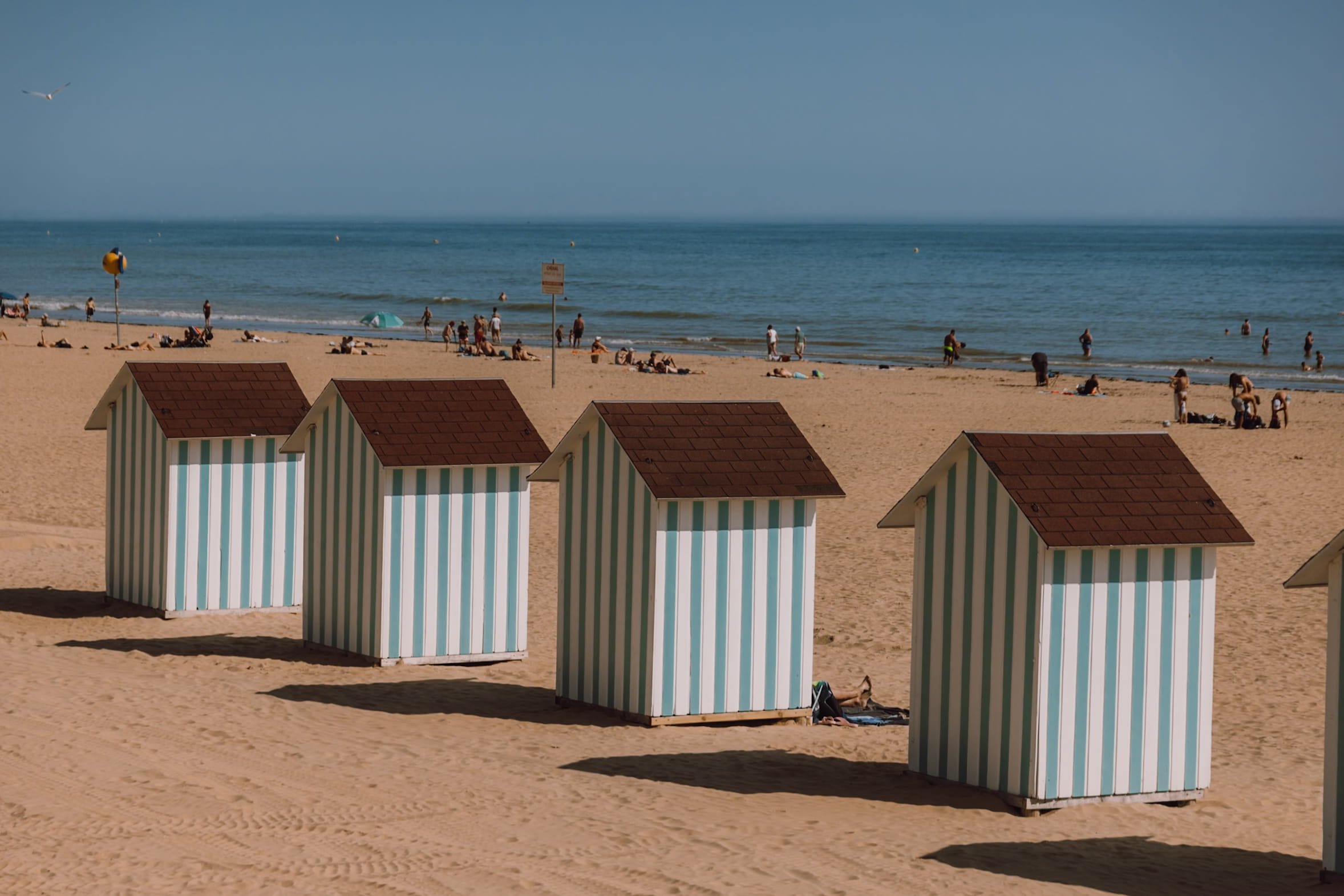
It is also excellent for watersports, with consistent Atlantic conditions for surfing, kitesurfing, sand yachting and paddleboarding. Alongside this, you’ll find sheltered bays and Blue Flag beaches, making it easy to escape the summer crowds.
Food is another highlight, with fresh local produce and seafood throughout the region, from coastal oysters to regional specialities such as Noirmoutier potatoes and traditional market food in small seaside towns.
Vendée is also easy to explore by car, with straightforward ferry access from the UK and simple driving routes from ports such as Roscoff and St Malo, making it ideal for a relaxed road trip.
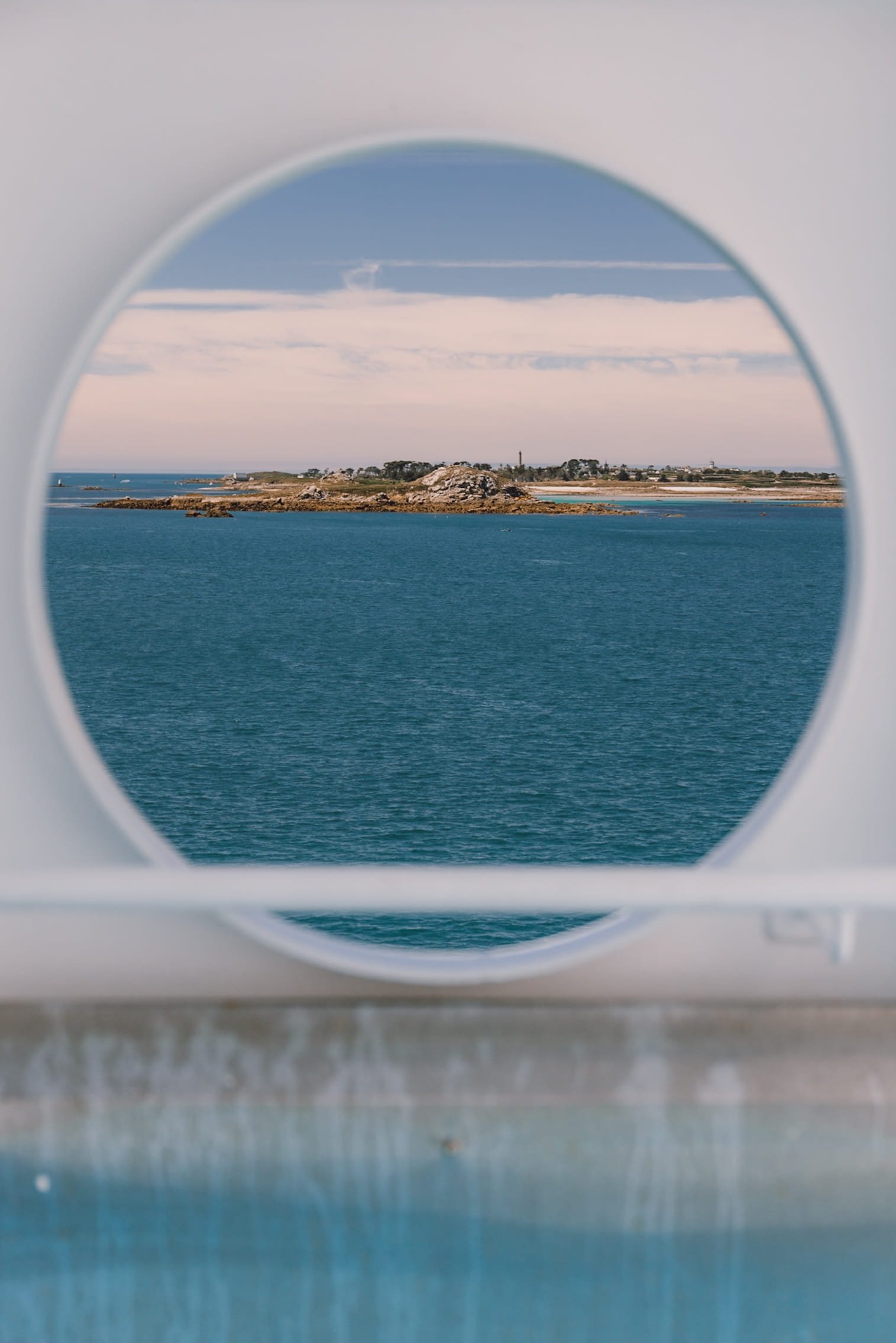
Travelling by ferry from the UK to France is one of the easiest and most flexible ways to reach Vendée, especially if you are planning to self-drive with kids, pets, or a campervan. It’s also more eco-friendly than flying, producing lower emissions per passenger than short-haul flights.
UK to France Ferry Routes
Plymouth to Roscoff (5.5-hour day crossing, 10 hours overnight)
We took this route with Brittany Ferries as an overnight crossing, departing in the evening and arriving in Roscoff the next morning. It is a really comfortable way to travel, as you can sleep on board in a cabin and wake up in France, ready to start the drive south through Brittany towards Vendée.Portsmouth to St Malo (around 11–12 hours, usually overnight)
One of the most popular routes, with a simple drive south through western France.Poole to St Malo (around 6–8 hours)
A shorter crossing that still gives easy access to western France and a straightforward drive down towards Vendée.
Driving to Vendée
From Roscoff, Vendée is around a 5 to 6 hour drive, depending on your destination. The route will take you through Brittany using motorways most of the way.
From St Malo, Vendée is a 3 to 4.5 hour drive, taking you past Rennes and down towards Nantes before reaching the coast.
Flying to France
The nearest airport is Nantes, with direct flights from multiple UK airports, mostly in summer from London, Bristol, Manchester, and Birmingham. This will save travel time to Vendée, but you’ll need to account for hire car costs. Another option is La Rochelle Airport, which has fewer flight options.
Plan your next adventure
If you book through our links, you help support our website at no extra cost to you - thank you!
Vendée can be visited year-round, but the best time to visit is between late spring and early autumn, when the weather is warm and the seaside towns are fully open.
July and August are the busiest months, as French holidaymakers escape the cities for the summer holidays. If you're visiting in summer, look out for the weekly night markets, beach entertainment and fireworks that take place across many of Vendée's coastal resorts.
If you can travel outside the school holidays, May, June and September offer warm weather, plenty of sunshine and a much more relaxed atmosphere.
Outside the main season, Vendée slows down considerably. The beaches are quieter, the towns return to local life, and the coastline feels far less busy, making it an excellent choice for an off-season road trip.
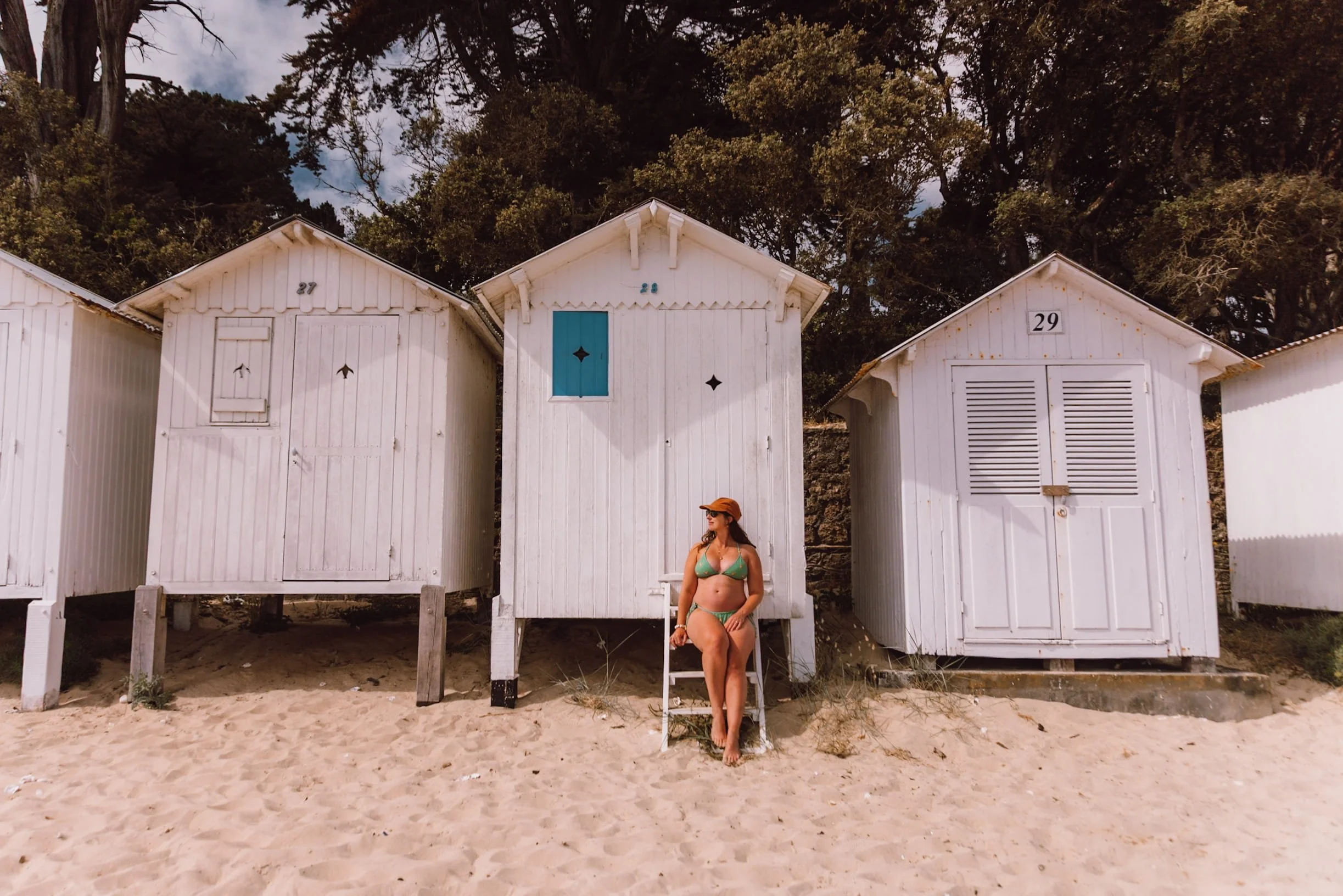
Day 1 - Travel to Vendée
Arrive in Saint Jean de Monts, explore the coastline by bike and enjoy your first Atlantic sunset from the iconic Estacade pier.
Day 2 - Saint Jean de Monts
Experience Vendée's adventurous side with sand yachting, local craft beer, watersports and a relaxing evening at the spa.
Day 3 - Noirmoutier
Discover one of France's most charming islands by bike, meet local oyster and salt producers, and finish the day in picturesque Noirmoutier-en-l'Île.
Day 4 - La Tranche-sur-Mer
Unwind in Vendée's surfing capital with a spa morning, catamaran cruise and one of the region's most spectacular sunsets watching surfers catch the final wave.
Day 5 - Travel home
Enjoy one last scenic drive through western France before returning to the UK, with time to explore Roscoff if you're travelling by ferry.
Arrive in Vendée
We travelled with Brittany Ferries from Plymouth to Roscoff on an overnight sailing, arriving in France after around 10 hours. It’s a relaxed alternative to flying, giving you time to settle into your cabin and enjoy the onboard facilities and wake up refreshed to begin your road trip.
If you're travelling as a foot passenger, you can collect a hire car from Roscoff or nearby Morlaix. From Roscoff, it's around a 4.5 to 5-hour drive to Saint Jean de Monts, either following the scenic coastal route or the faster toll road through Nantes.
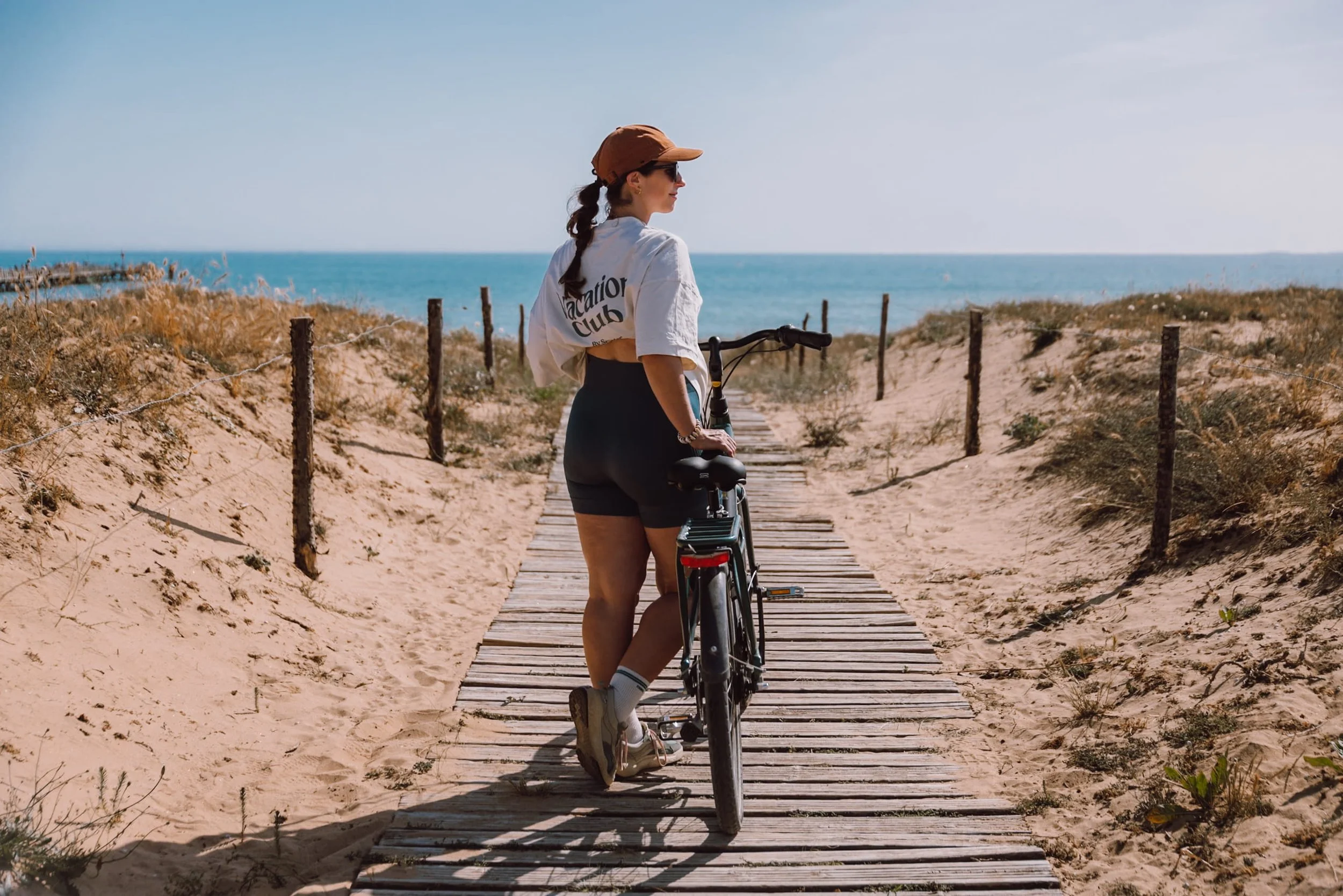
Explore Saint Jean de Monts by bike
After checking into your accommodation, hire a bike from Cycl'Hop and explore Saint Jean de Monts on two wheels. Choose from standard bikes, e-bikes or even pedal karts before following the Shells and Pine Cones Loop, through the pine forest and along the dunes or enjoy a shorter ride along the coast towards Notre-Dame-de-Monts.
Sunset by the sea
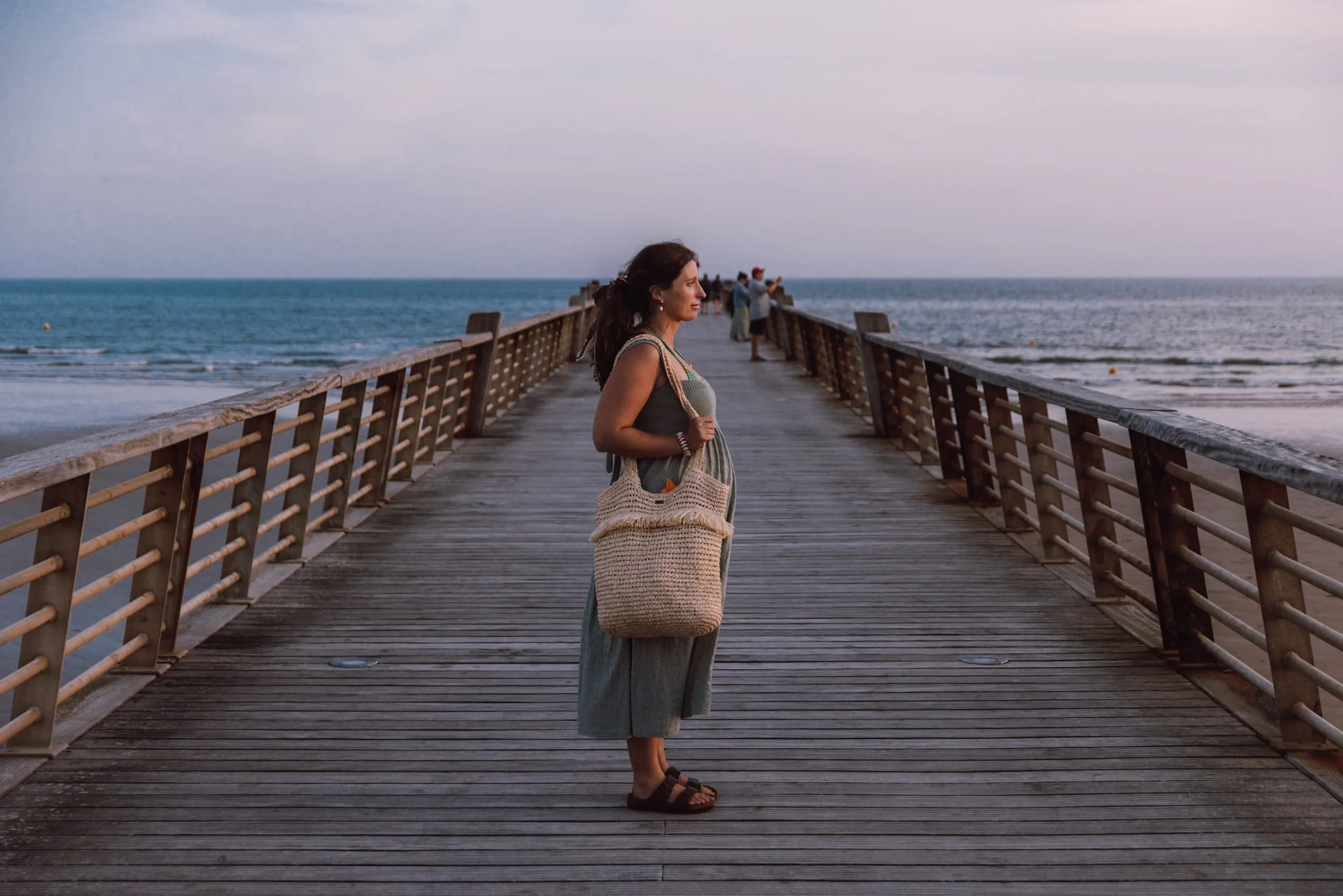
For your first evening in Vendée, book a table at Le Balnéair, a beachfront restaurant serving seasonal dishes with views over the ocean. Afterwards, take a stroll along the promenade to the Estacade de Saint Jean de Monts, the town’s iconic wooden pier and one of the best places to watch the sunset.
STAY | Hôtel Valdys Thalasso & Spa
A fantastic base for exploring Saint Jean de Monts, with direct beach access and an excellent thalassotherapy spa to unwind after a day outdoors.
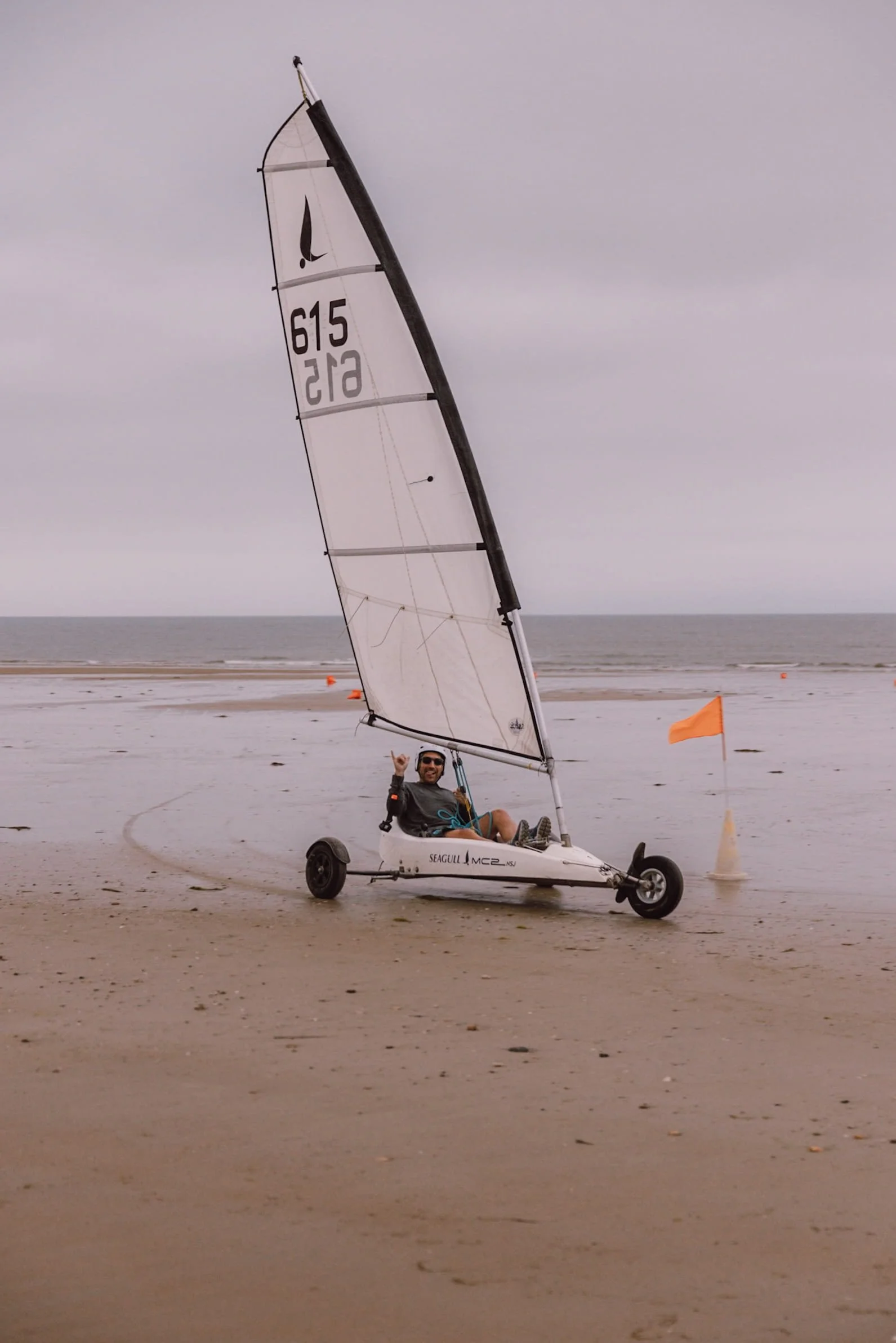
Sand Yachting in Fromentine
After a slow breakfast at the hotel, head north to Plage de la Grande Côte in Fromentine, around 30 minutes from Saint Jean de Monts, to try sand yachting with the La Barre de Monts–Fromentine sand yacht school.
Jonny joined Loïc for a session and quickly picked it up, soon racing across the wide sandy beach. It’s an exhilarating way to experience this stretch of coastline. Expect to get a little wet, wear trainers, and helmets are provided.
Lunch in Fromentine
After your session, stop for lunch at Une Bouteille à la Mer, a relaxed restaurant serving local dishes. Don't leave without trying the brioche perdue for dessert.
Discover the Marais Breton
Leave the coast behind and explore the Marais Breton wetlands, where salt marshes, waterways and wildlife create a completely different side of Vendée.
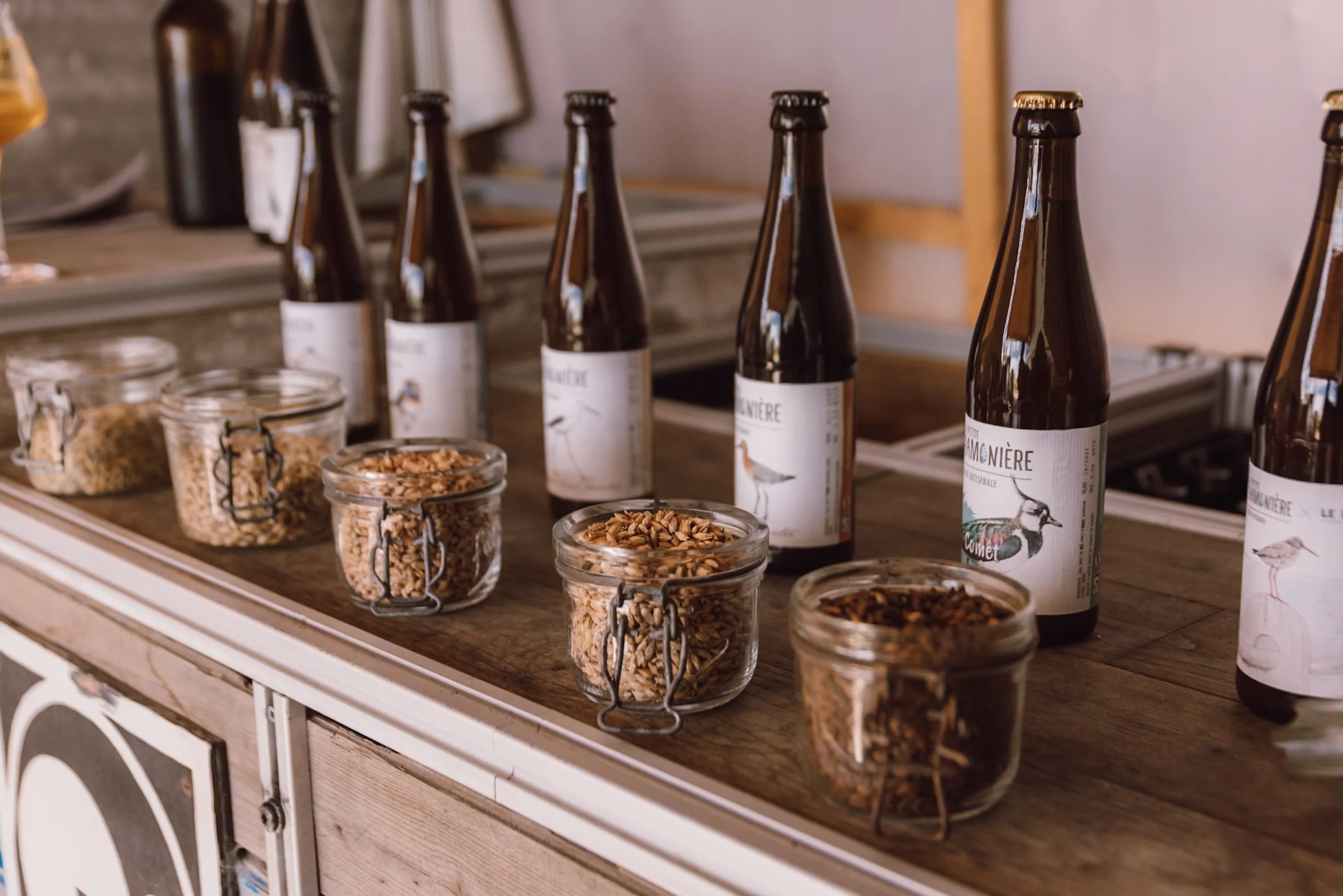
We visited La Petite Ramonière, a farm brewery run by Ingrid and François, who produce organic craft beers using locally sourced ingredients. If you have time, it's well worth joining a guided tour.
Wakeboarding
Back in Saint Jean de Monts, head to the watersports centre for an afternoon on the water. Jonny tried wakeboarding for the first time with Julien, with a helmet headset which made it easier to learn while out on the water.
Spa & Dinner at hotel
End the day with a few hours at the Valdys Thalasso Spa, where indoor and outdoor pools, a jacuzzi and sauna offer the ultimate reset. Remember to bring water shoes, and note that men are required to wear fitted swimwear rather than board shorts.
Indulge in a delicious dinner at Le Bois Cendré, the hotel's restaurant, to end an adventure-filled day.
Discover one of France's hidden islands
If there’s one place that surprised us most in Vendée, it’s Noirmoutier. Accessible by bridge or the famous Passage du Gois tidal road, the island has a slower, more authentic rhythm, with much of the charm often associated with better-known French islands such as Île de Ré. Yet here, everything feels a little more untouched, as if there is still space to explore and discover something new around every corner.
Explore the island by bike
One of the best ways to discover Noirmoutier is by bike. The island is linked by a network of cycle paths, making it easy to explore at your own pace.
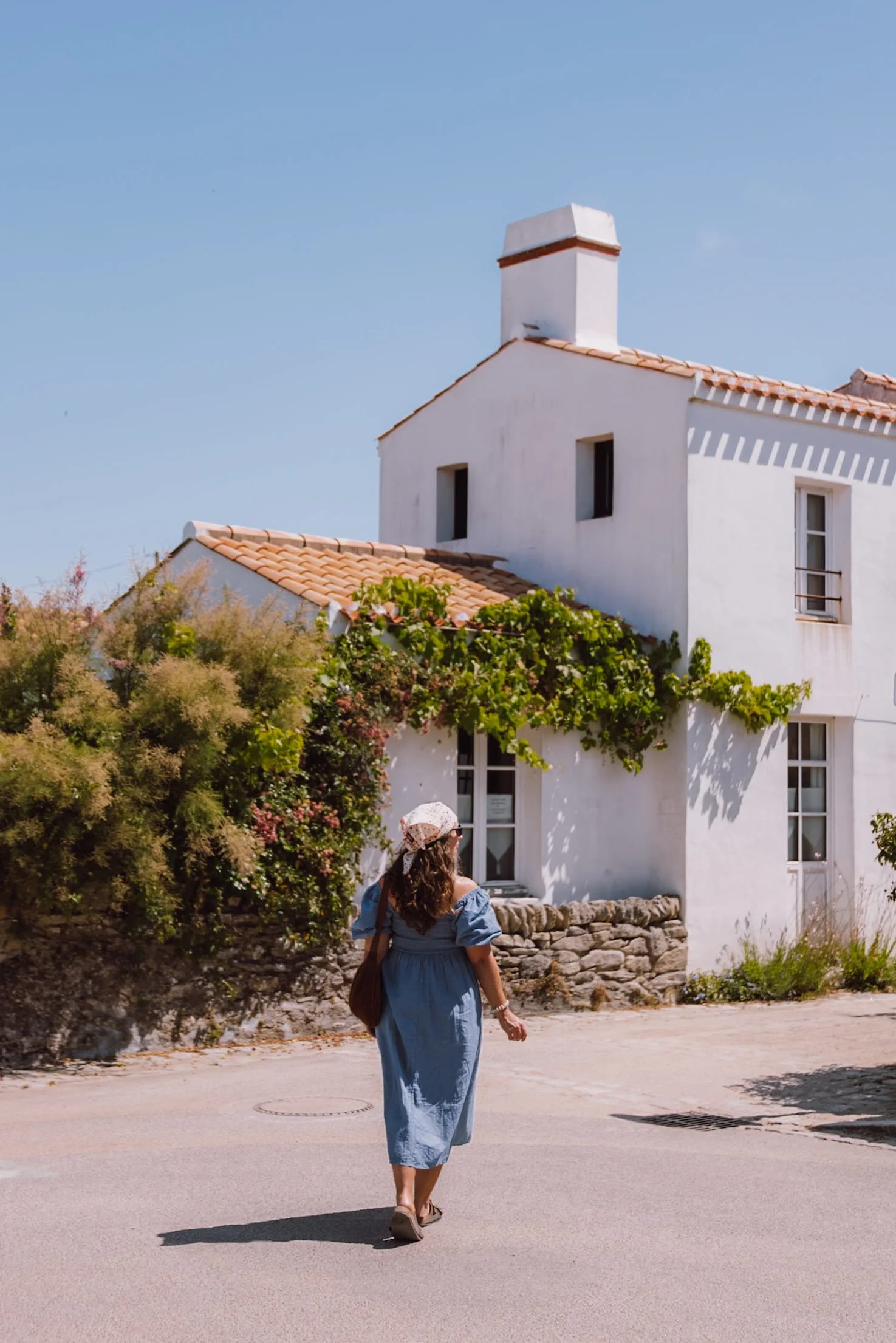
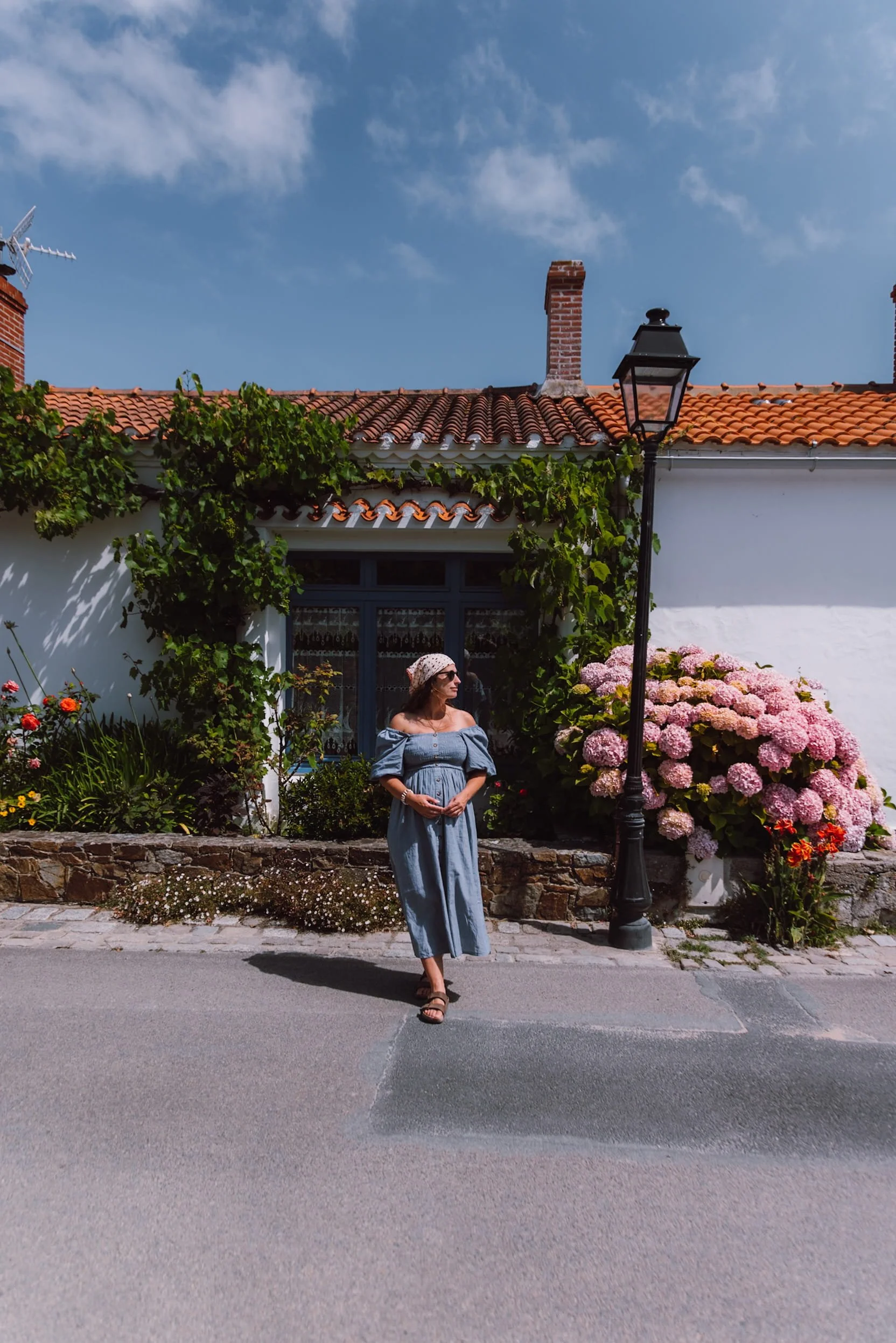
We started in the beautiful Bois de la Chaise, cycling beneath the shade of pine trees and stopping at beaches such as Plage des Dames and Anse Rouge before continuing on to the charming village of Le Vieil, with its narrow streets and picture-perfect houses.
Meet the island's local producers
Noirmoutier is famous for its oysters, salt and potatoes, and its producers are deeply proud of the island’s strong culinary identity. We stopped for lunch at Les Petits Bassets, a lovely oyster shack in a peaceful setting, where we enjoyed incredibly fresh oysters alongside seaweed tartare and tuna spread, served with sourdough bread.
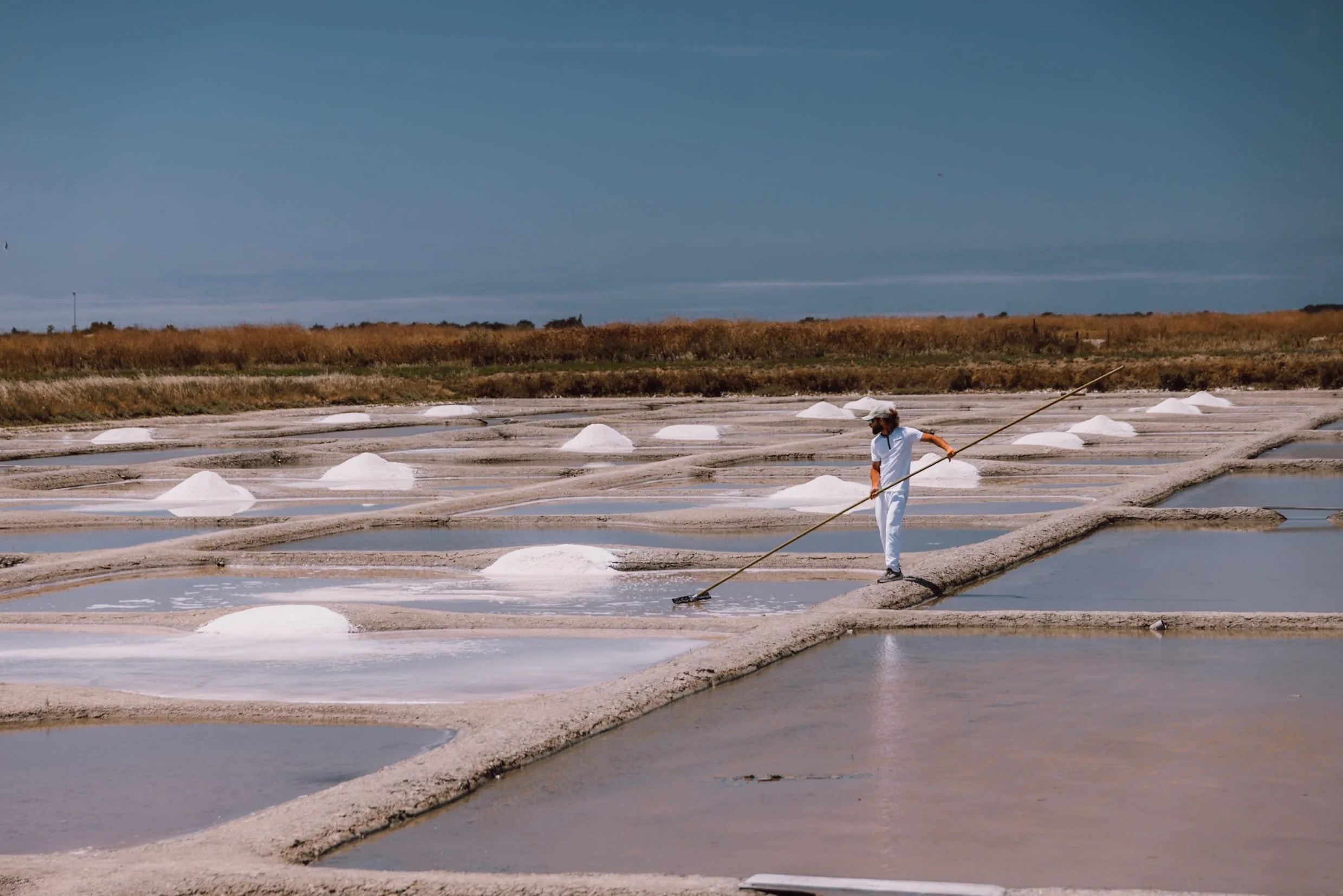
After lunch, we visited the Marais de la Bonne Pogne to learn more about traditional salt harvesting, another craft that has shaped Noirmoutier for generations.
Evening in Noirmoutier-en-l’Île
In the afternoon, head to Plage des Dames to experience e-foiling, one of the most exciting ways to see the coastline from the water. You’ll spot many fishermen along the pier, and the beach comes alive in the afternoon.
As evening approaches, cycle into Noirmoutier-en-l'Île, passing salt marshes and birdlife before arriving at the picturesque harbour. We’d recommend dinner at Le Roman Bleu, set on a picturesque street, with locally inspired dishes showcasing the island's fresh produce.
If you have time afterwards, head towards Plage des Lutins or Plage de Luzéronde for sunset. Luzéronde in particular feels wild and open, with some of the best sunset views on the island.
Set beneath the pine trees only footsteps from Plage des Sableaux, this well-equipped campsite is one of the best ways to experience Noirmoutier's laid-back island lifestyle.
Arrive in La Tranche-sur-Mer
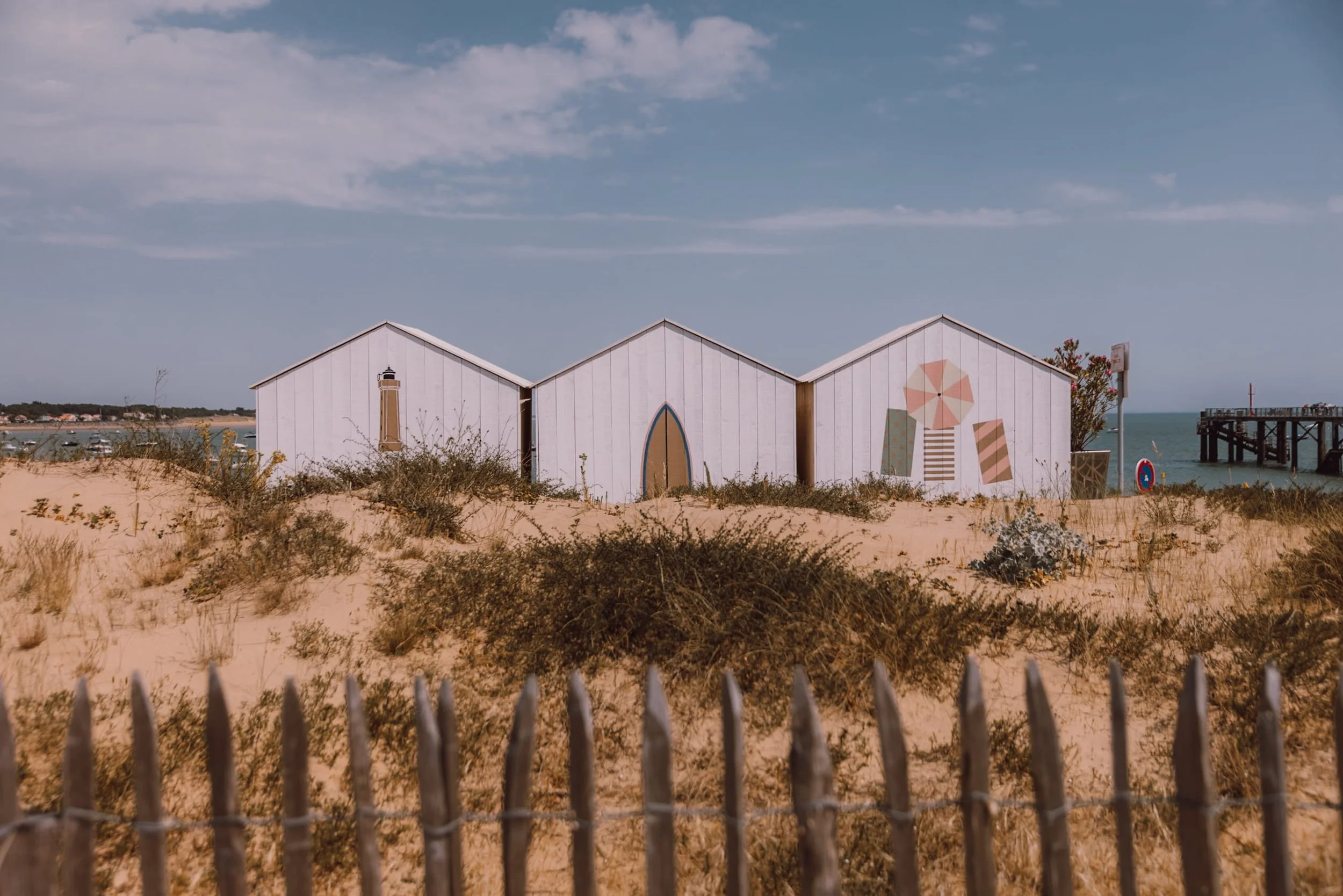
From Noirmoutier, the drive south takes you deeper into Vendée’s Atlantic coastline, arriving in La Tranche-sur-Mer, a laid-back seaside town often nicknamed “Little California” thanks to its surf culture and long, open beaches.
Unlike many French coastal resorts, La Tranche-sur-Mer has resisted overdevelopment, with no high-rise buildings or heavy tourism infrastructure. Instead, it has kept a low-rise, relaxed feel where the coastline remains the main attraction.
With consistent Atlantic swell and long sandy beaches, it has become one of the region’s most popular surf spots, attracting both beginners and experienced surfers year-round.
Spa morning at the hotel
Start the day slowly with a spa morning at Hôtel Les Dunes, making the most of the indoor facilities before easing into the relaxed pace of La Tranche-sur-Mer.
Lunch on Grande Plage
Just a short walk away, enjoy lunch at L’Embarcadère, a relaxed beachfront restaurant overlooking the Grande Beach and only a few steps from the water.
Sail on a Catamaran
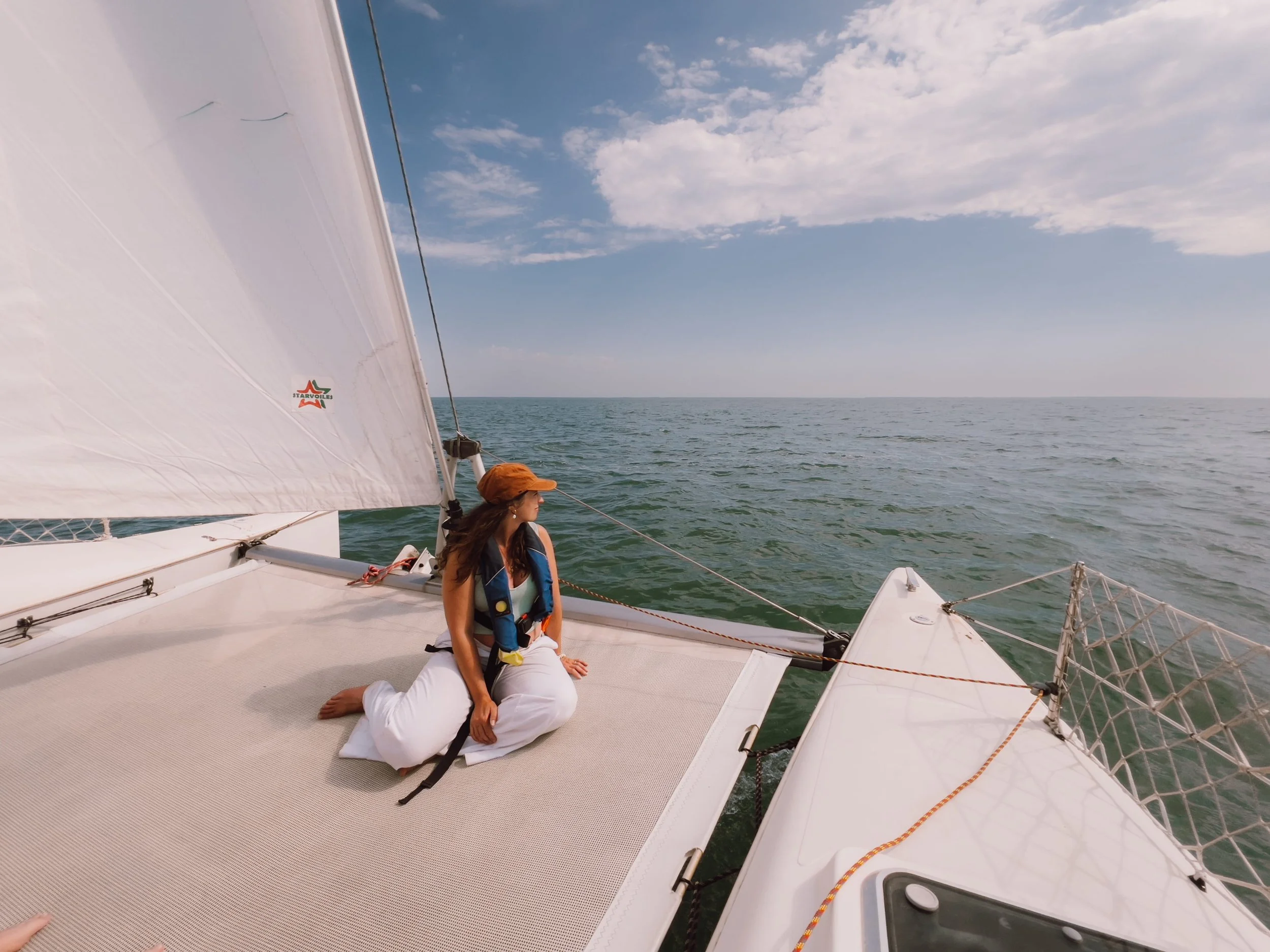
In the afternoon, we set out on a catamaran with Ouest Sea Zone. We enjoyed views stretching towards Île de Ré and back to La Tranche-sur-Mer, and drinks on board, it is one of the most relaxing ways to experience this part of the Vendée from the water.
Sunset at Plage de la Terrière
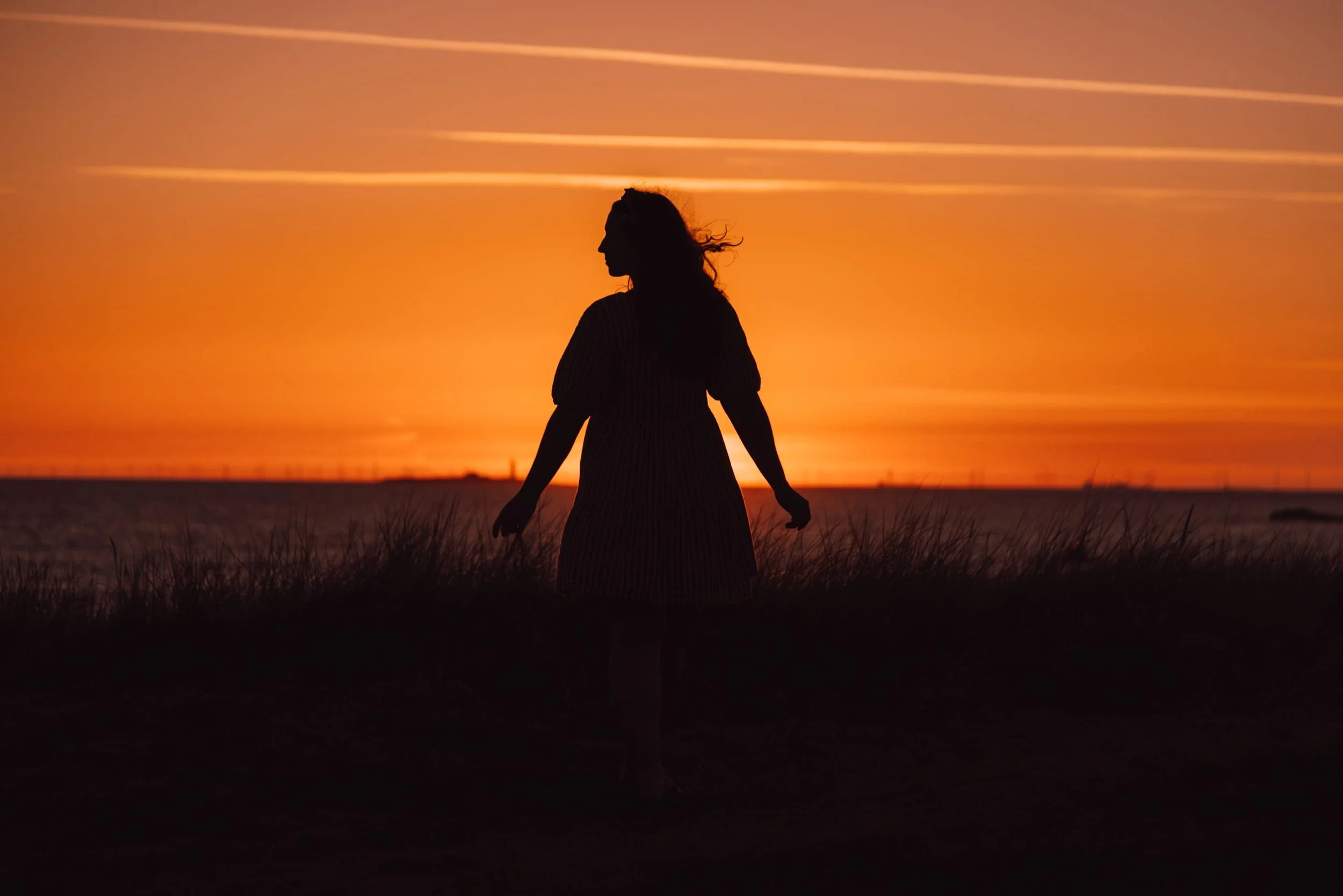
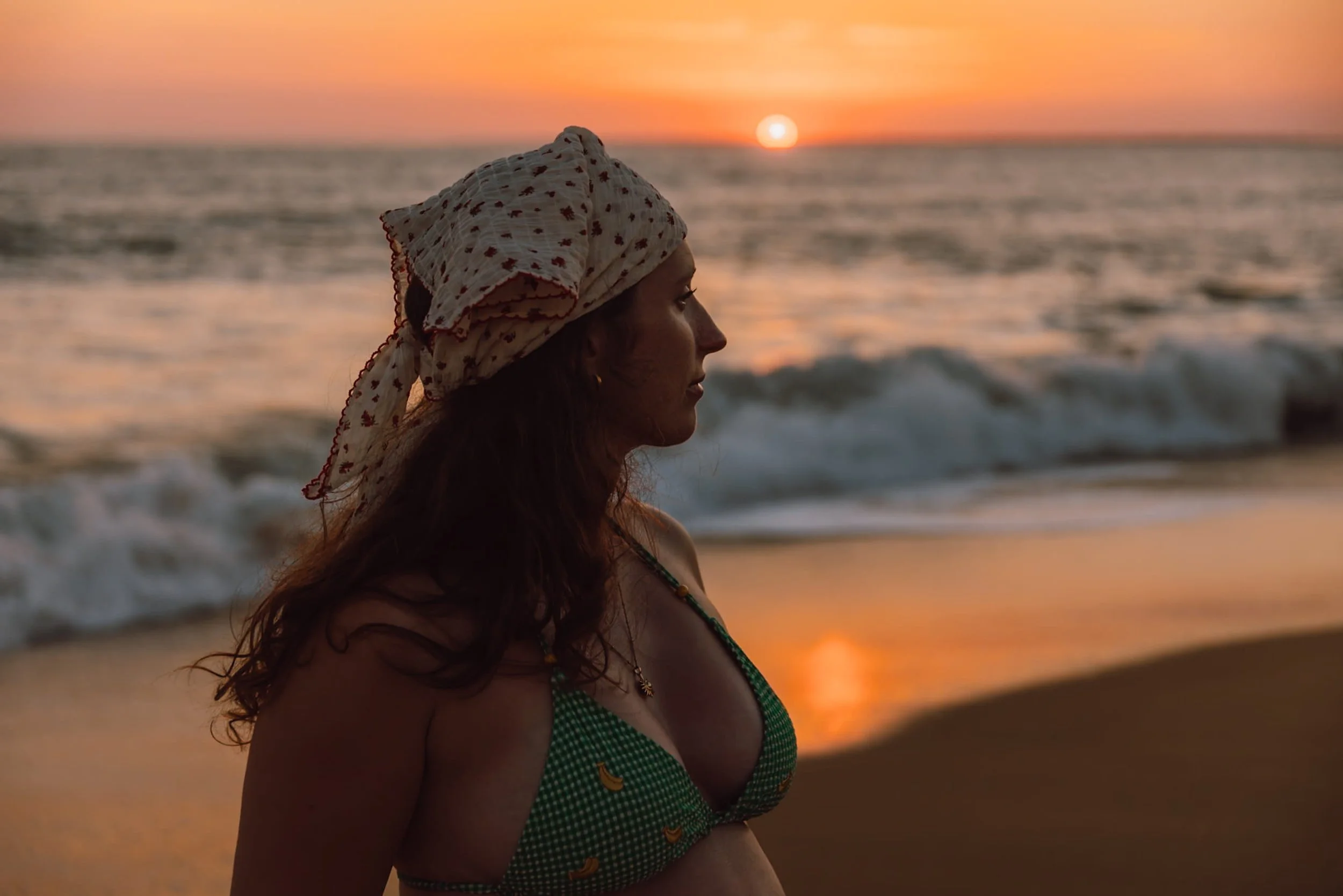
We ended the day at Plage de la Terrière, where the coastline opens up completely to the Atlantic. Waves roll in as surfers stay out until golden hour, making it one of the most atmospheric sunset spots in Vendée.
A relaxed spa hotel just a short walk from the beach, making it the perfect base for discovering La Tranche-sur-Mer and enjoying its famous sunsets.
After a final morning by the coast, it’s time to begin the journey back towards your chosen ferry port and make your way home to the UK.
Leaving Vendée is the perfect opportunity to enjoy one last drive through the open landscapes of western France. If you’re not in a rush, there are plenty of places to break up the journey with a relaxed stop along the way.
If you’re returning via Roscoff, it’s well worth arriving early to explore the surrounding coastline. This part of northern Brittany is known for its rugged beaches and island views, including Plage Sainte-Anne and Grève Blanche Beach.
The scenery around Roscoff makes a beautiful final stop, especially if you want one last coastal walk or swim before heading back across the Channel.
In France, you drive on the right-hand side of the road, and speed limits are strictly enforced, especially on motorways and in villages.
Motorways 130 km/h (110 km/h in wet conditions)
Rural roads 80–90 km/h
Towns and villages 50 km/h
Driving essentials (if using your own car)
Driving licence
Car insurance documents: check you have EU cover
High-visibility vest (must be accessible inside the car)
Warning triangle
Headlight beam deflectors (if required)
Low-emission zones
Some cities require a Crit’Air sticker. Not usually needed for coastal areas like Vendée, but check if you plan to drive through larger cities such as Nantes.
Tolls (péage)
Many motorways are toll roads. You can pay by card or cash, but it’s worth carrying some cash just in case.
Is Vendée worth visiting?
Definitely, Vendée is one of the lesser-known coastal regions in western France. It offers long sandy beaches, cycling routes through pine forests, charming seaside towns and a relaxed atmosphere that feels quieter than more well-known areas like Brittany or the south of France.
Can you drive to Vendée from the UK?
Yes, the easiest way is via ferry from the UK to northern or western France to Roscoff or St Malo, followed by a scenic drive south.
How far is Vendée from the UK?
Vendée is around 4 to 6 hours from most western French ferry ports such as Roscoff or St Malo, making it an ideal road-trip destination from the UK.
When is the best time to visit Vendée?
The best time to visit Vendée is between late spring and early autumn. May, June and September offer warm weather with fewer crowds, while July and August are the busiest months as French holidaymakers head to the coast.
Is Vendée busy in summer?
Vendée is popular with French families in July and August, especially around school holidays. Yet, because of its long coastline and wide beaches, it rarely feels packed, and you can usually find quieter spots away from the main towns.
Is ferry travel to France better than flying for Vendée?
Travelling by ferry is often more convenient as you can bring your own car, avoid airport transfers, and explore more than one place along the coast. It also gives more flexibility for camping and cycling holidays.
Is Vendée good for families?
Vendée is very family-friendly. The beaches are wide and safe, with many blue-flag beaches, a well-connected network of cycle routes and plenty of outdoor activities.
Is Vendée suitable for campervans?
Yes, Vendée is very campervan-friendly with many dedicated campsites and aires (parking areas with limited facilities). We were impressed with the choice of places to stay, especially near the beach, and would love to return by campervan.
Do I need cash in France?
Most places accept cards, but it is still useful to carry some cash for smaller cafés, markets, buses and toll roads, where card payment may not always be available.
Can you take dogs on the ferry?
Yes, most ferry routes from the UK to France allow dogs. Depending on the operator, pets may stay in onboard kennels, pet-friendly cabins or designated areas, so it is best to check when booking.
Watch our Videos
France Guides
A Week in West Corsica | Ultimate 7 Day Road Trip Itinerary
A Complete Guide to West Corsica’s Most Beautiful Beaches
Capo Rosso Hiking Guide in West Corsica
Best Hotels in Corsica
11 Things to Know Before Visiting Corsica in June
The Ultimate road trip along the Atlantic Coast of France
10 Eco-friendly things to do in Nouvelle-Aquitaine
A Guide to Europe's highest ski resort | Val Thorens France
Ski-in Ski-out Apartments in Val Thorens
How to spend 48 hours in Megève for a Winter Weekend Escape
The Ultimate Guide to Les Menuires Ski Resort France
Accommodation Guide to Les Menuires Ski Resort