
This post may contain affiliate links, which means if you purchase through these links, we may receive a small commission at no cost to you. Thank you for supporting our website.
Updated December 2025
Cebu is sometimes overlooked compared to other islands in the Philippines. It is often used as a springboard to reach nearby destinations, with many travellers passing through without taking the time to explore what Cebu itself has to offer.
That secret is slowly starting to spread. From turquoise waterfalls and world-class diving to white sand beaches, island hopping and rich local culture, Cebu is one of the most diverse destinations in the Philippines. Whether you are visiting for a few days or using it as part of a longer island hopping itinerary, Cebu rewards travellers who slow down and explore.
This guide covers what Cebu is known for, whether it is worth visiting, the best time to visit Cebu, and the top places to see and things to do, helping you plan your adventure to this underrated island.

How to Use This Guide
Use the Contents table below to jump to any section. Click a heading in the guide to return to the top and continue exploring.
The Philippines is made up of 7,641 islands, although only around 2,000 are inhabited. It is the country with the second highest number of islands in Southeast Asia, after Indonesia.
The Philippines is known for its spectacular white sand beaches, crystal clear water and untouched natural landscapes, making it a dream destination for adventurers and beach lovers alike.
Wildlife encounters are another major draw, from swimming with whale sharks to spotting the tiny tarsier and, in some areas, dugongs. The country is also rich in culture, traditions and cuisine. One of the most famous dishes is adobo, considered the national dish, featuring vinegar, soy sauce, garlic, bay leaves and black peppercorns.
The name Cebu refers both to the island itself and to Cebu City. Cebu Province is made up of 168 islands, with Cebu Island being the largest in the Visayas region and located in the centre of the Philippines.
Cebu is often described as the gateway to the Visayas and is a popular alternative to Manila for travellers arriving in the Philippines. Cebu City has excellent flight connections and easy access to some of the country’s most beautiful islands.
Cebu is known for:
Beautiful waterfalls, including the famous Kawasan Falls
World-class diving and snorkelling
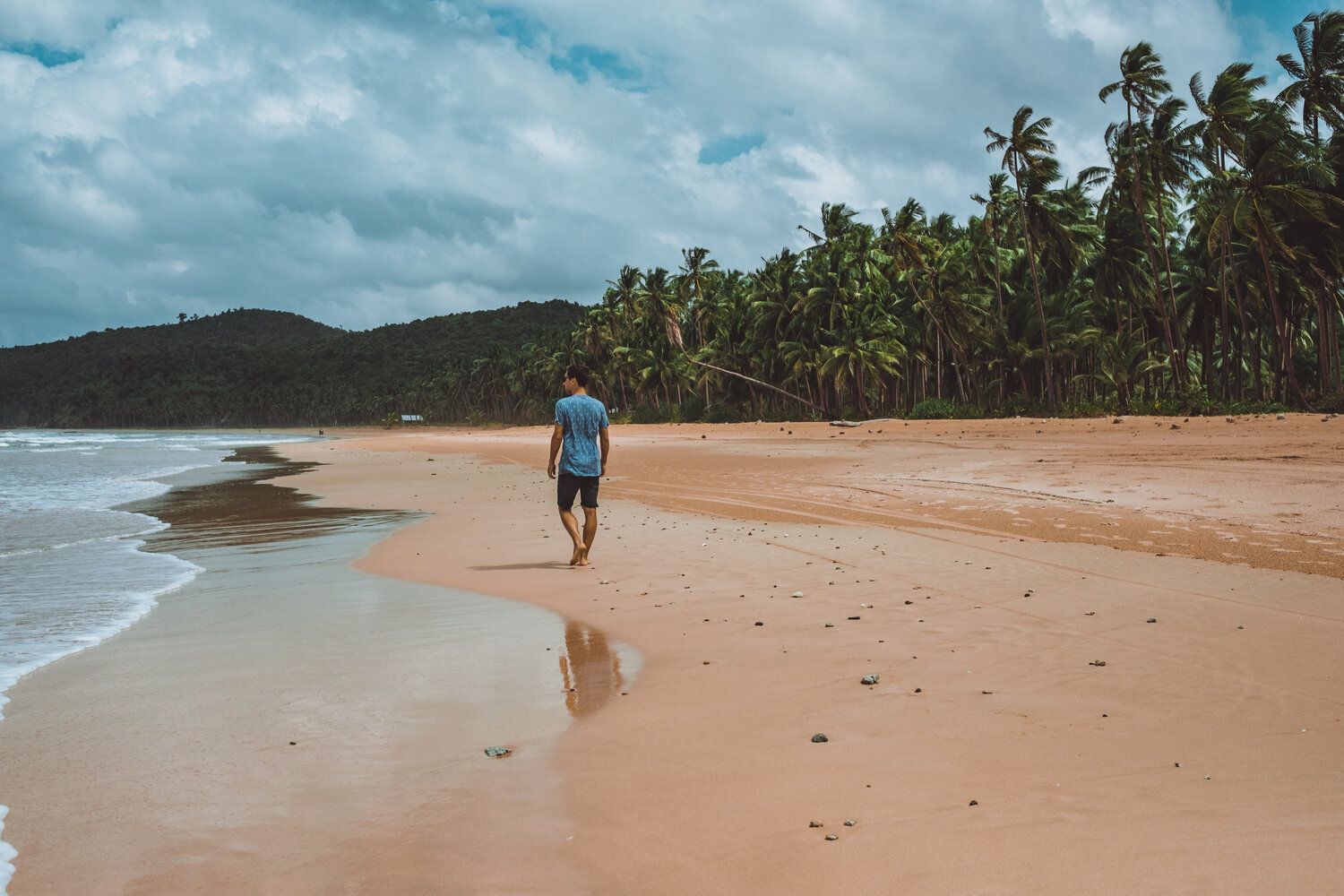
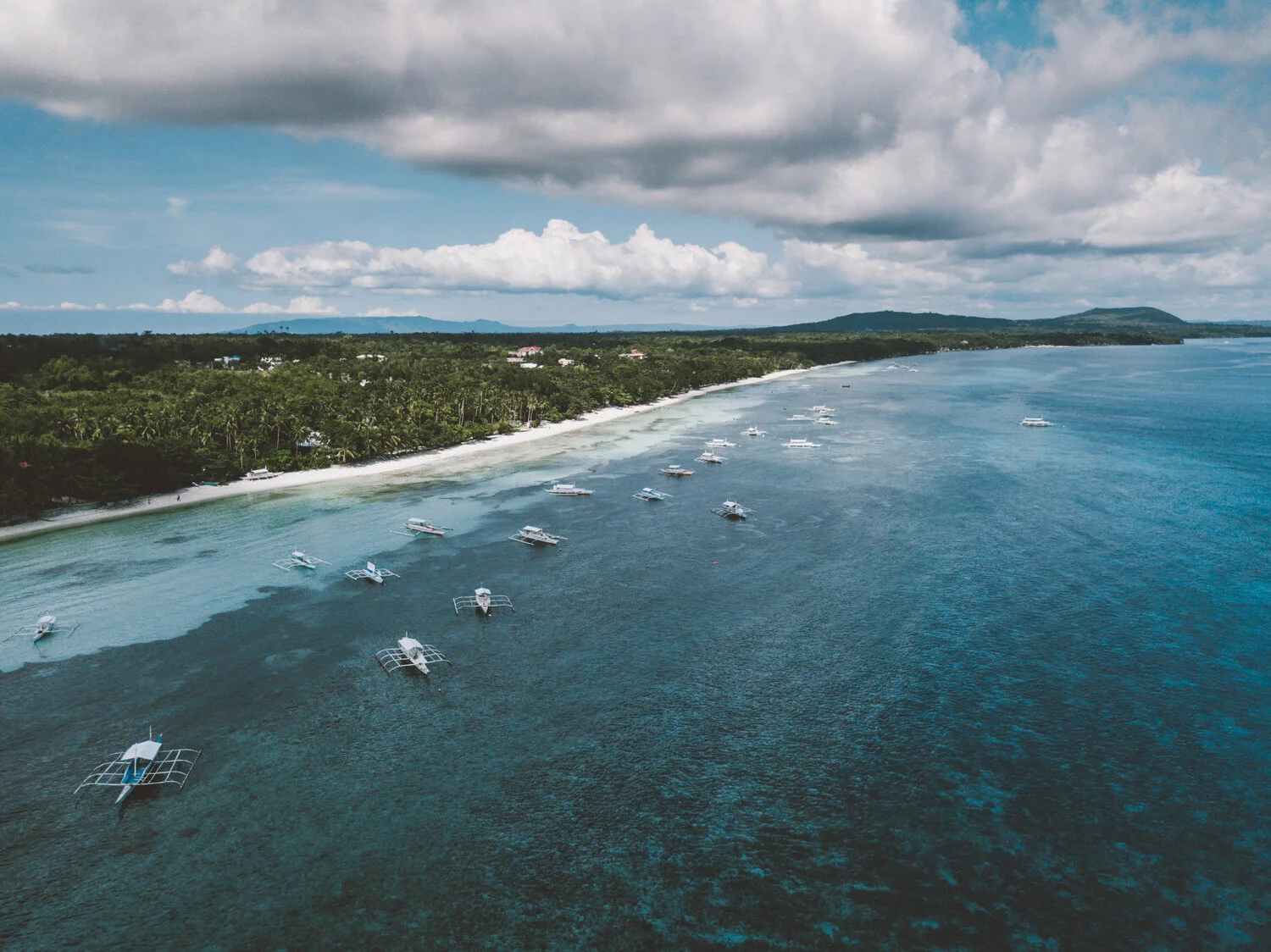
White sand beaches and turquoise water
Whale shark encounters in Oslob
Island hopping to nearby islands such as Bohol and Malapascua
Rich history and culture, especially in Cebu City
This mix of adventure, nature and accessibility is what makes Cebu such a popular destination.
Cebu has a tropical climate with warm temperatures throughout the year. Unlike northern parts of the Philippines, Cebu is less affected by typhoons, although rainfall still varies by season.
January to April, Dry Season
This is the most popular time to visit Cebu. Temperatures average between 30 and 34°C, rainfall is low and humidity is more manageable. These months are ideal for beaches, waterfalls and water activities.
January is also when the Sinulog Festival, also known as the Santo Niño Festival, takes place. Held on the third Sunday of January, it is one of the biggest festivals in the Philippines and celebrates Cebu’s history with colourful parades and traditional dances.
July to October, Low Season
July to October is considered the low season. Rainfall is higher, but temperatures remain warm and showers are often short-lived. This is a good time to visit if you want fewer crowds and cheaper accommodation, making Cebu a budget-friendly option during these months.
Understanding Cebu’s weather by month can help you plan your trip based on your priorities.
January to March
These are some of the best months to visit Cebu. Expect dry weather, comfortable temperatures and excellent conditions for diving, snorkelling and island hopping. January is busier due to the Sinulog Festival.
April and May
The hottest months of the year. Days are sunny and dry, perfect for beaches and boat trips. It can feel hot inland, so starting activities early in the day is recommended.
June to August
Rainfall increases, but it rarely rains all day. These months are quieter and waterfalls are particularly impressive due to higher water levels.
September to November
These are typically the wettest months. Travel is still possible, but flexibility is important. This period suits travellers looking for fewer crowds and lower prices.

Flying to Cebu
Mactan-Cebu International Airport is one of the busiest airports in the Philippines and services a growing number of international flights. The airport is connected to over 20 international destinations, making Cebu one of the easiest places to enter the country.
Cebu City is around a 20-minute drive from the airport, depending on traffic. If you cannot find a direct flight, it is easy to connect via Manila, the country’s main international hub.
Ferry Connections
As the Philippines is made up of thousands of islands, ferries are a common way to travel. Cebu City has a large port with ferry connections to Manila, Bohol, Negros, Leyte and more. Ferry journeys are slower than flying, but they are an affordable way to travel between islands.

Getting around Cebu usually involves a mix of transport options. We used taxis, local buses and motorbike hire during our time on the island.
Local buses run along the main roads and are an affordable way to travel between towns. Once we arrived at our destination, hiring a motorbike made it easy to explore nearby beaches and attractions. This was also the most stress-free option when travelling with luggage.
For longer distances or tighter schedules, hiring a car with a driver is a popular and convenient option.

The island offers an incredible range of experiences, from beaches and waterfalls to mountains, reefs and cultural sites. It is particularly well suited to travellers who enjoy active travel and variety, as you can snorkel with turtles, chase waterfalls, explore cities and relax on beaches all within one trip.
Cebu is also a great base for island hopping, making it ideal if you want to see several destinations without constantly changing flights. While travel times around the island can be longer than expected, the rewards are well worth it.
Cebu is made up of several distinct areas, each offering something different. These are some of the highlights not to miss.
Cebu City
Cebu City is the starting point for most visitors. With excellent transport links and ferry connections to nearby islands, it is a convenient place to arrive.
While many travellers choose not to spend much time here, Cebu City is vibrant and worth at least a day or two. Highlights include Magellan’s Cross, Basilica del Santo Niño, Fort San Pedro and local food markets.

Moalboal
Moalboal is one of our favourite places in Cebu and a destination where many travellers end up staying longer than planned.
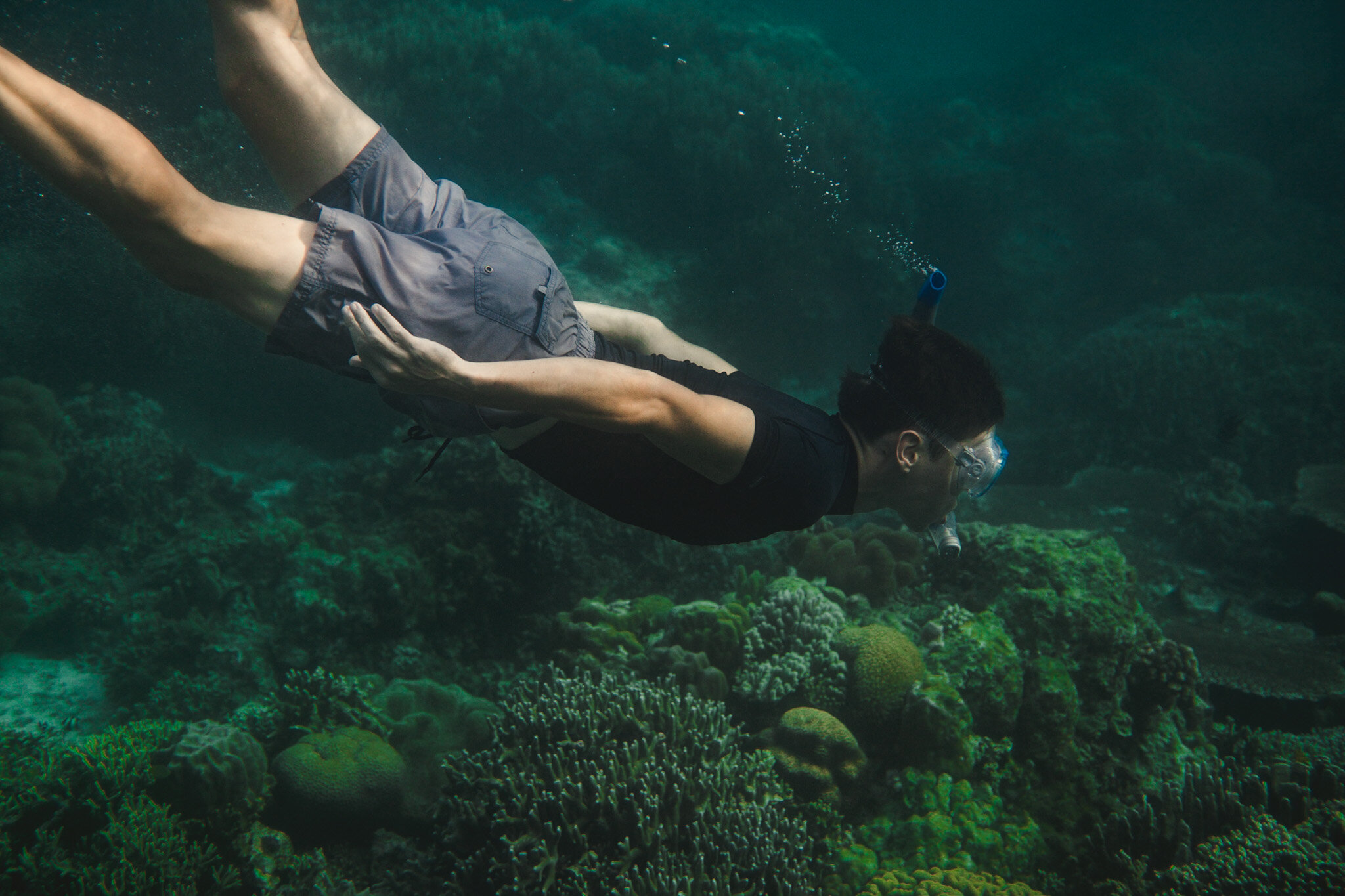
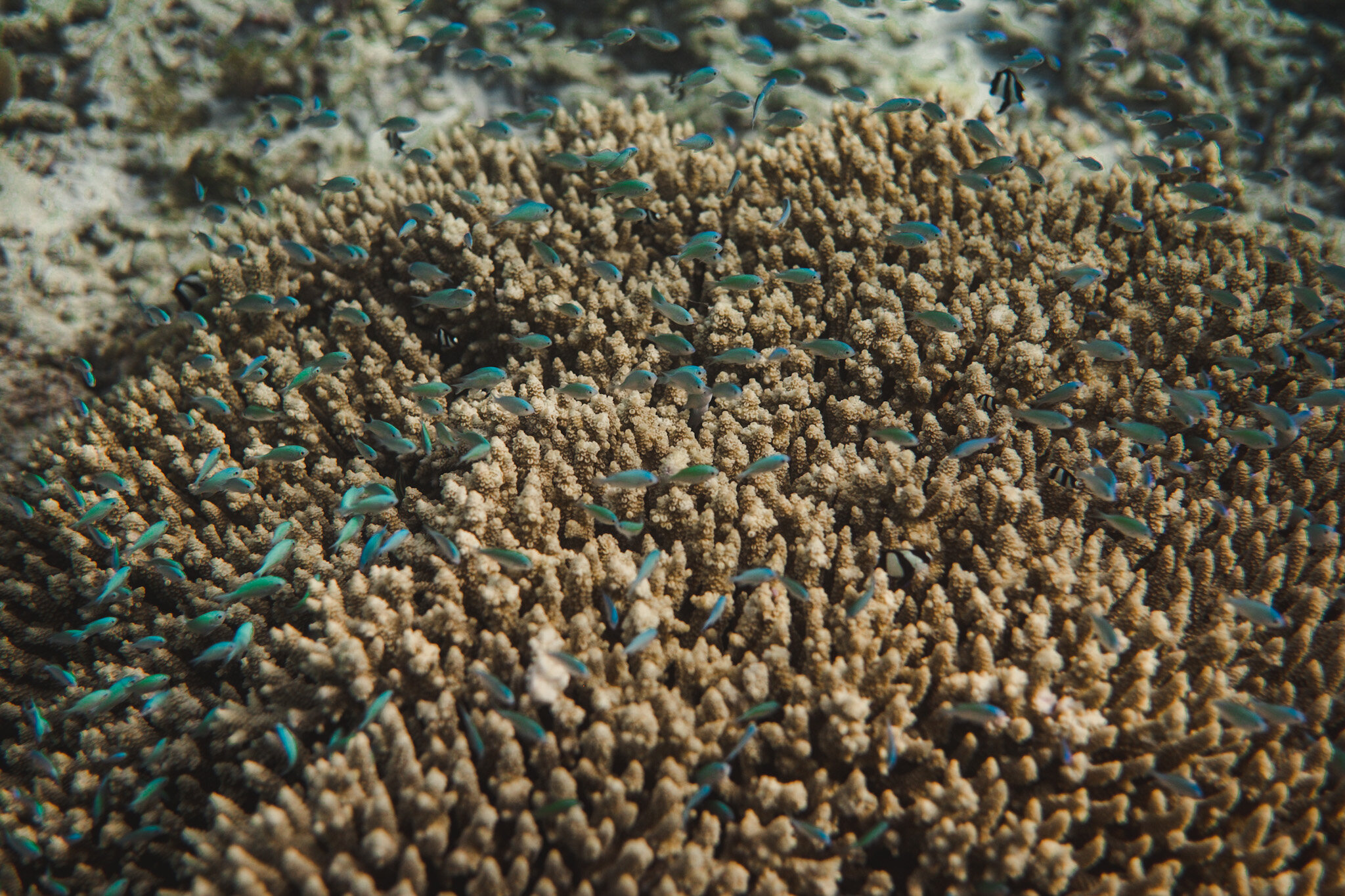
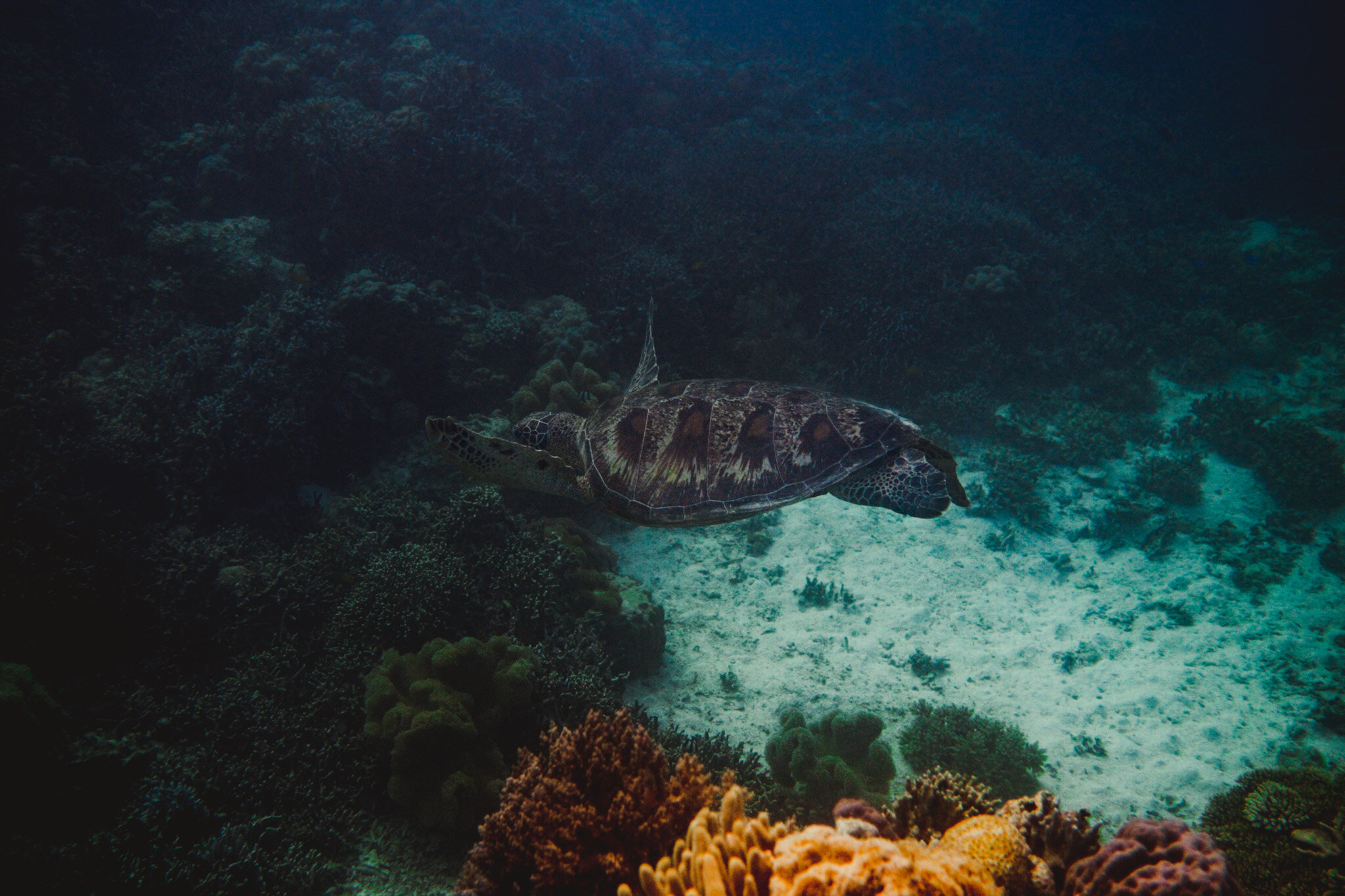
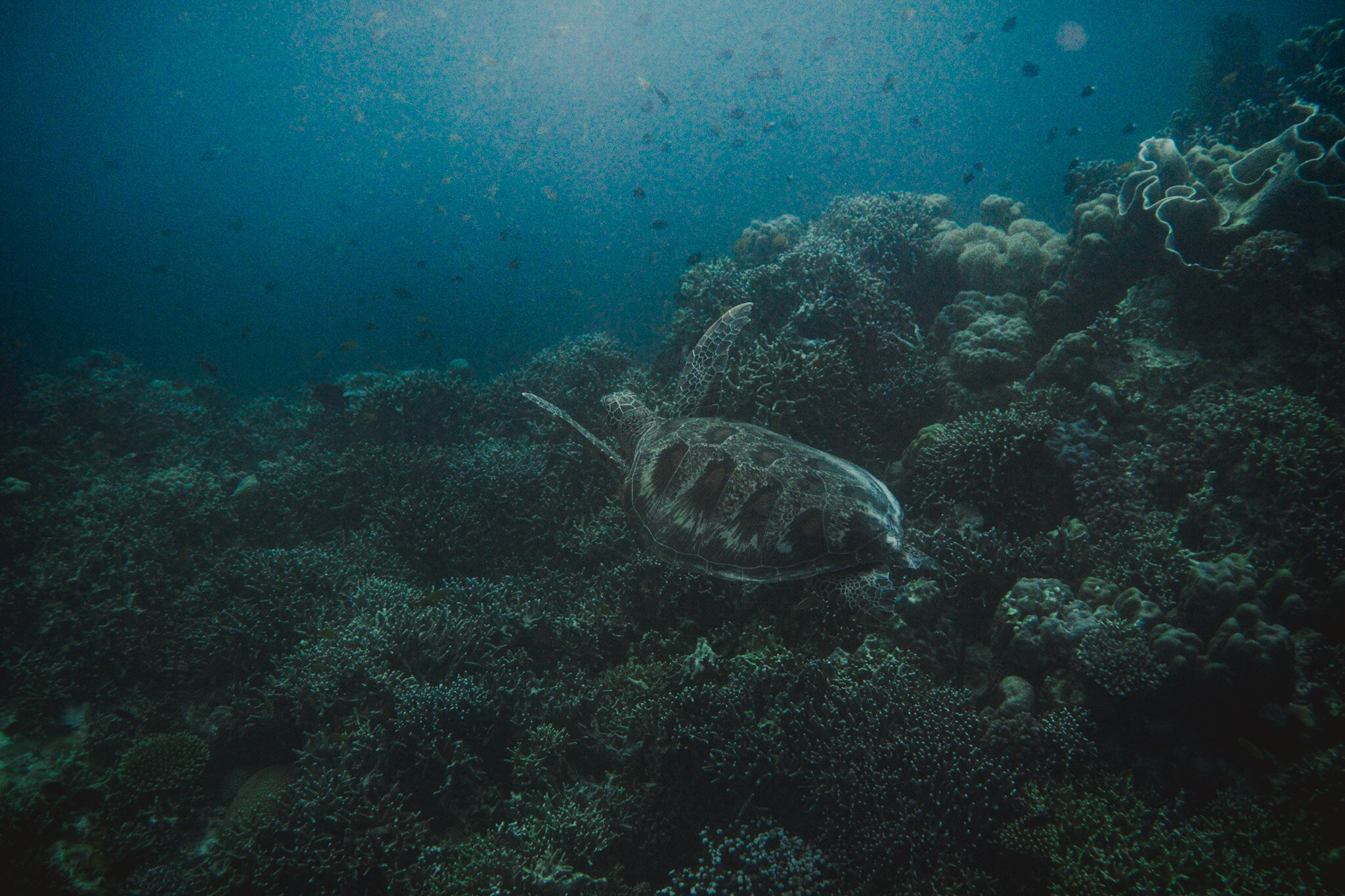
It is best known for snorkelling and diving, particularly the famous sardine run, which can be seen just offshore. We spent our days snorkelling and searching for sea turtles, which are commonly spotted along the reef.
We stayed slightly outside Moalboal near White Beach, enjoying a relaxed setting while still having easy access to shops and restaurants in town.
Kawasan Falls
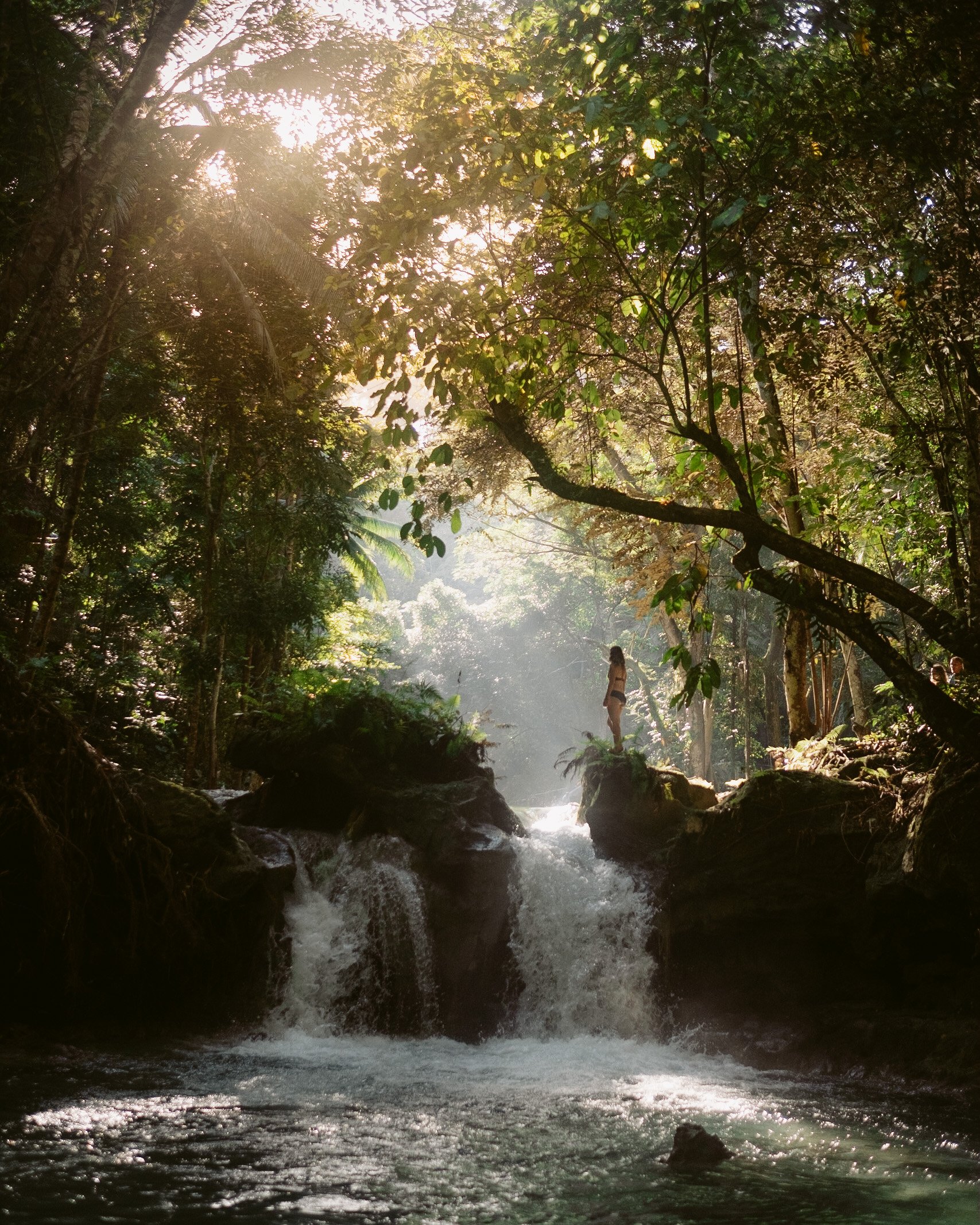
Kawasan Falls is one of the most iconic attractions in Cebu and one of the main reasons many people visit the island.
Known for its striking turquoise water, Kawasan Falls can be visited independently or as part of a canyoning tour. Canyoning involves swimming, sliding and jumping through the river system and is one of the most adventurous experiences in Cebu.

Diving with Whale Sharks in Oslob
Swimming with whale sharks in Oslob is one of the most talked-about experiences in Cebu. It is also controversial, with ethical concerns around how the encounters are managed.
Despite this, it remains extremely popular. If you choose to take part, it is worth researching operators carefully and visiting early in the morning to avoid crowds.

Diving and Snorkelling in Cebu
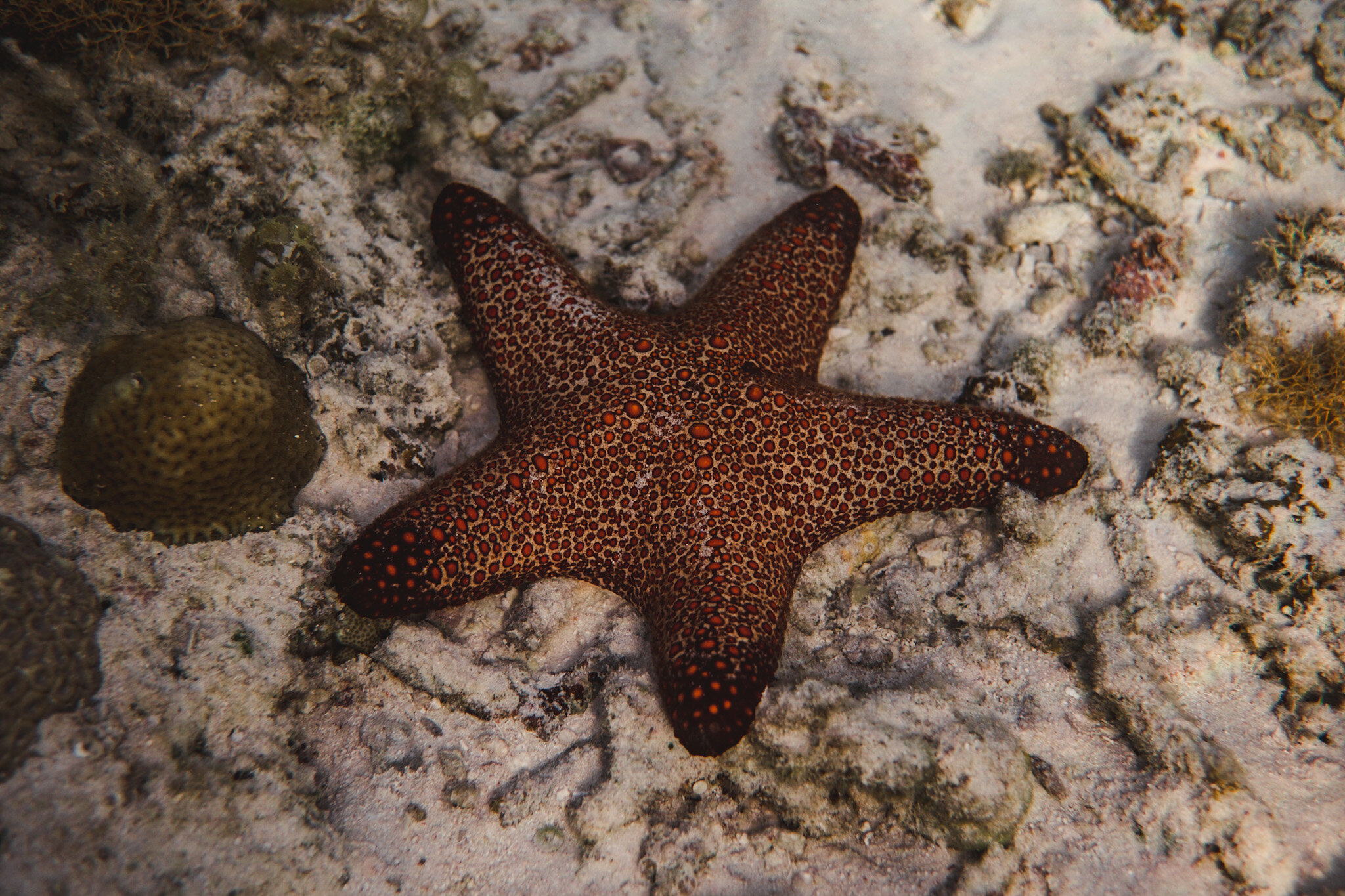
Cebu offers excellent diving and snorkelling around its coastline. Moalboal and Malapascua are among the most popular dive destinations, with healthy reefs and diverse marine life.
If you do not dive, many of these locations are just as rewarding for snorkelling, with clear water and abundant sea life close to shore.

Tumalog Falls
Tumalog Falls is located near Oslob and is another popular waterfall in Cebu. The cascading water creates a curtain-like effect, falling into a large blue pool that is ideal for swimming.
Island Hopping Near Cebu
One of the biggest advantages of visiting Cebu is its proximity to other beautiful islands.
Bohol
Bohol is known for its beaches, wildlife and rolling hills. It is easily reached by ferry and makes a great addition to a Cebu itinerary.
Siquijor
Siquijor is a small, laid-back island often added to an island hopping route with Cebu and Bohol. It is known for its relaxed atmosphere and local legends.
Malapascua
Located off the northern tip of Cebu, Malapascua is famous for its diving and clear blue water. It is well worth the journey if you have extra time.
Negros
Negros is the fourth largest island in the Philippines and home to Dumaguete, a lively port city that connects several island routes.
The ideal length of stay depends on how much you want to see.
3 to 4 days allows you to explore Cebu City and one or two nearby attractions
5 to 7 days is ideal for waterfalls, beaches and Moalboal
7 to 10 days allows time to add Malapascua or island hopping
Is Cebu safe for tourists?
Yes, Cebu is generally safe for tourists and is one of the most visited destinations in the Philippines. As with any popular destination, it is important to take normal precautions, especially in busy areas and when travelling at night. Petty crime can occur, but violent crime against tourists is rare.
Is Cebu expensive to visit?
Cebu can be very affordable, especially compared to Western destinations. Budget travellers will find inexpensive accommodation, local transport and food, while mid-range and luxury options are also widely available. Prices tend to increase during the dry season from January to April.
How many days do you need in Cebu?
Ideally, you should spend at least 5 to 7 days in Cebu to experience the highlights without rushing. This allows time for waterfalls, beaches, snorkelling and exploring areas like Moalboal. If you want to add nearby islands such as Malapascua or Bantayan, 7 to 10 days is better.
What is the best month to visit Cebu?
The best months to visit Cebu are January, February and March, when the weather is dry, humidity is lower and conditions are ideal for outdoor activities. January is particularly popular due to the Sinulog Festival, although it is also busier.
Can you visit Cebu during the rainy season?
Yes, Cebu can be visited during the rainy season, which typically runs from June to October. Rain usually comes in short bursts rather than lasting all day, and this period offers fewer crowds and lower prices. Flexibility is important if travelling during these months.
Is Cebu better than Boracay or Palawan?
Cebu offers more variety than Boracay, with waterfalls, diving, cities and island hopping, while Boracay is best known for its beaches and nightlife. Compared to Palawan, Cebu is more developed and easier to travel around, while Palawan is known for more dramatic landscapes and remote scenery. The best choice depends on your travel style.
What is Cebu known for?
Cebu is known for its waterfalls, world-class diving and snorkelling, whale shark encounters, island hopping opportunities and rich history. It is also considered a major gateway to the Visayas and a great base for exploring nearby islands.
Do you need a car in Cebu?
You do not need a car in Cebu, but hiring a private driver or renting a motorbike can make travel easier, especially when visiting waterfalls and more remote areas. Local buses and taxis are affordable and widely used.
Is Cebu good for first-time visitors to the Philippines?
Yes, Cebu is an excellent destination for first-time visitors. It is easy to reach, offers a wide range of experiences and provides good infrastructure compared to more remote islands, making it a great introduction to the Philippines.
When is the best time to see whale sharks in Cebu?
Whale sharks can be seen in Oslob throughout most of the year. Conditions are generally calmer during the dry season from January to April, which makes early morning trips more comfortable.

IF YOU LIKED THIS ARTICLE THEN PIN IT FOR LATER!




This post may contain affiliate links, which means if you purchase through these links, we may receive a small commission at no cost to you. Thank you for supporting our website.