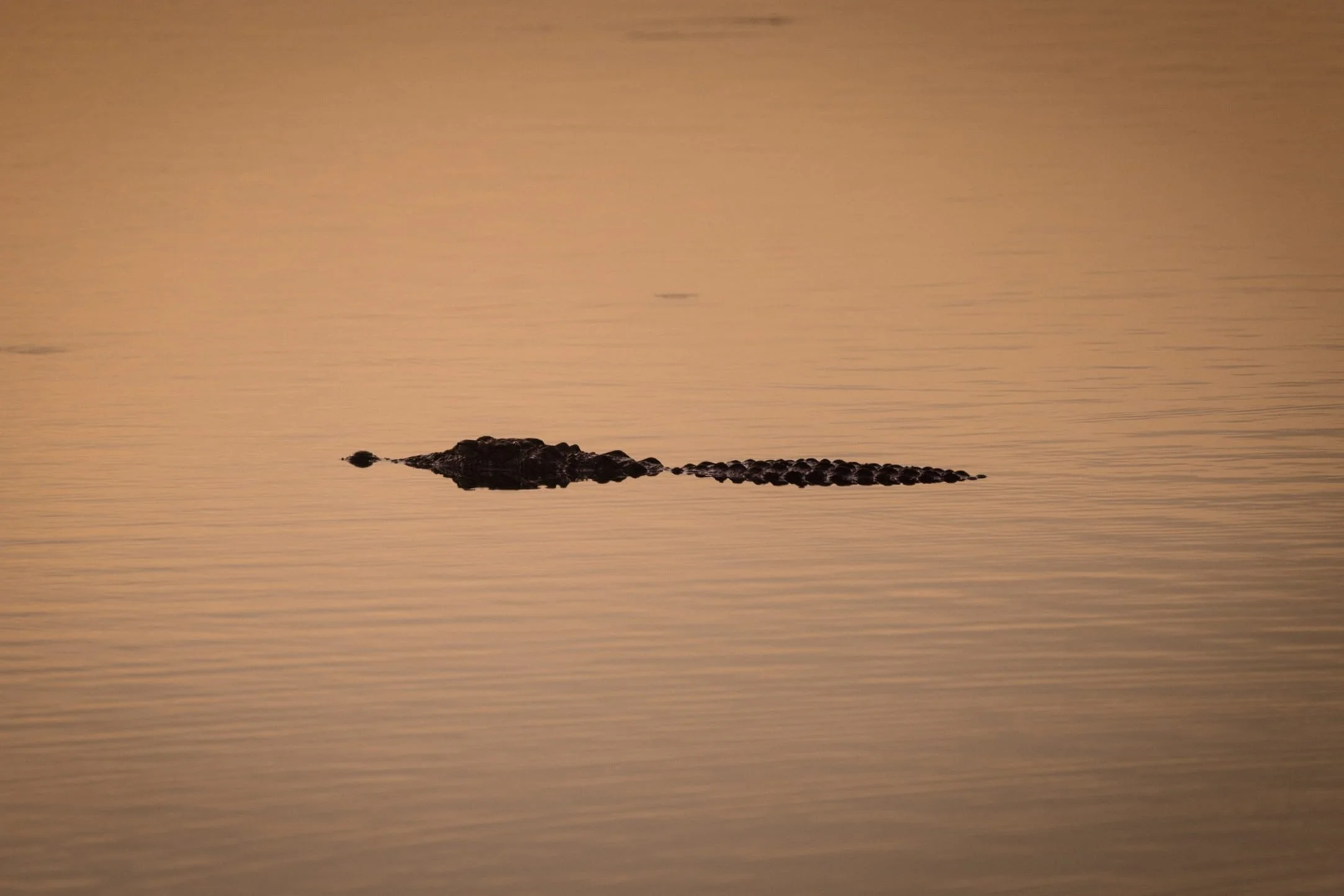
This post may contain affiliate links, which means if you purchase through these links, we may receive a small commission at no cost to you. Thank you for supporting our website.
Sri Lanka is one of the best places in the world for wildlife safaris, with diverse landscapes ranging from sweeping beaches to dense jungle and an incredible range of wildlife, from leopards to elephants.
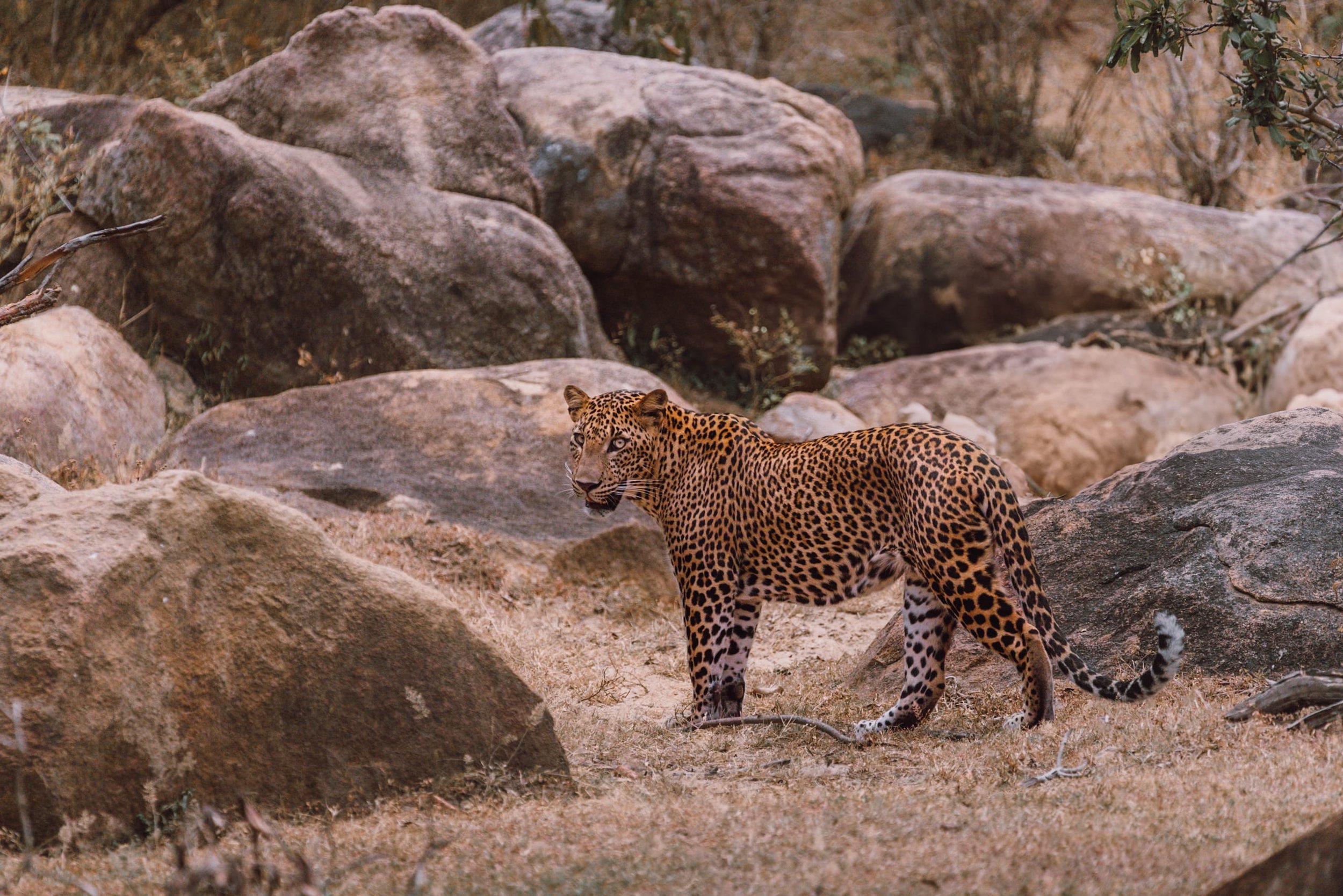
It has one of the highest leopard densities, and Yala National Park is one of the best places to see them in their natural habitat. While conservation areas have helped support leopard populations, they continue to face threats from habitat loss, poaching, and poor safari practices.
Located in the southeast of the island, Yala is Sri Lanka’s most famous national park and a must-visit for first-time travellers hoping to experience its wild side.
In this guide, we’ll share everything you need to plan the perfect safari, including how to get there, when to visit, wildlife you may see, safari costs, where to stay, and tips to improve your chances of sightings and have the best possible safari experience. We’ve also included FAQs to help you make the most of your time in the park.
We were hosted by Asia Someday, who organised our 16-day itinerary, curating a seamless journey across Sri Lanka with handpicked stays, local experiences and insider knowledge throughout.
How to Use This Guide
Jump to any section using the Contents table below. Click a heading in the guide to pop back to the contents and explore other sections.
Contents
Yala National Park is one of the best places in Sri Lanka to see leopards in the wild, with one of Asia's highest leopard densities, around one leopard per square kilometre. It is also Sri Lanka’s second largest park, covering more than 979 km².
Yala offers incredible wildlife diversity, making it the ultimate safari destination in Sri Lanka. You may be lucky enough to see elephants, sloth bears, wild buffalo, crocodiles, and an impressive variety of birdlife.
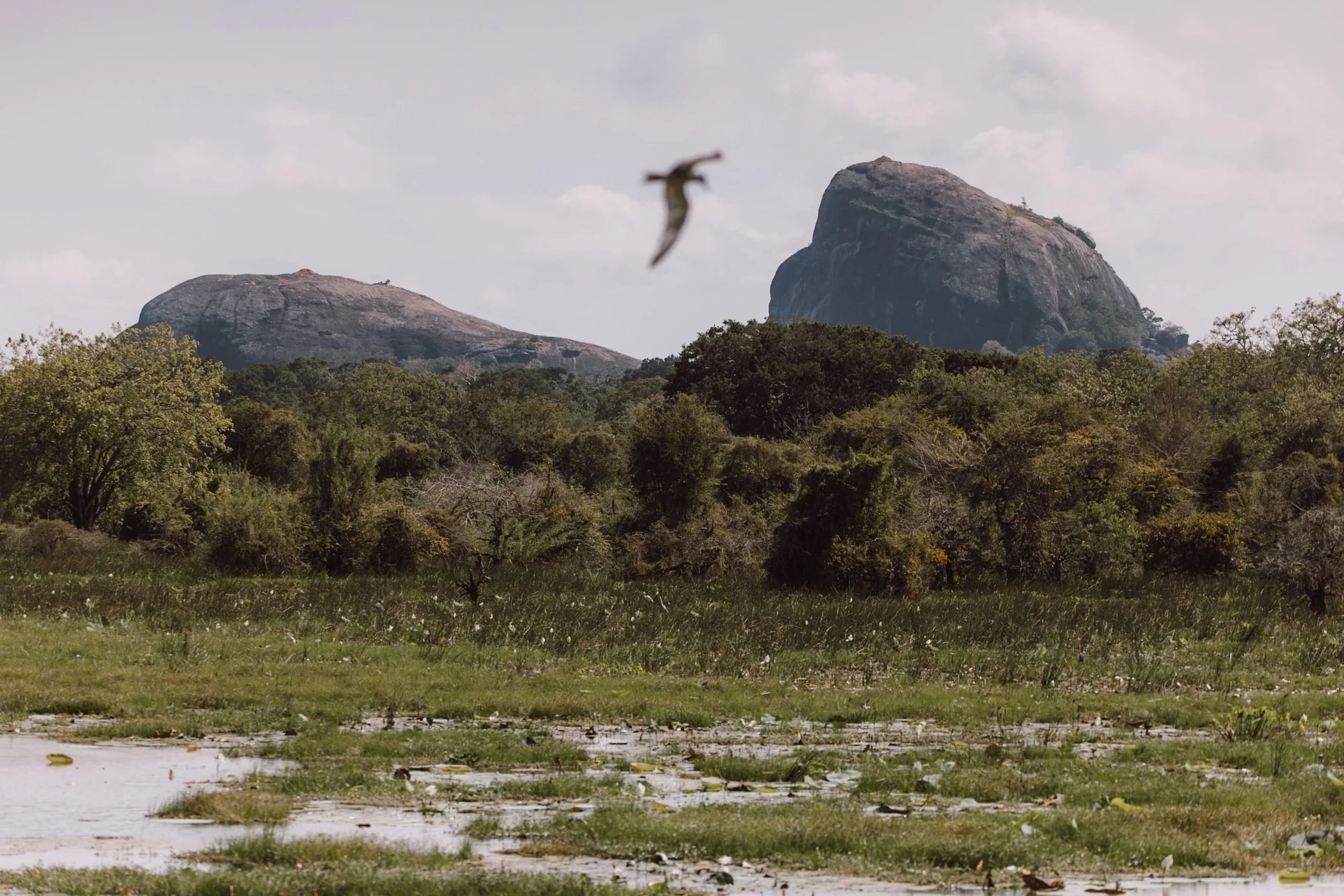
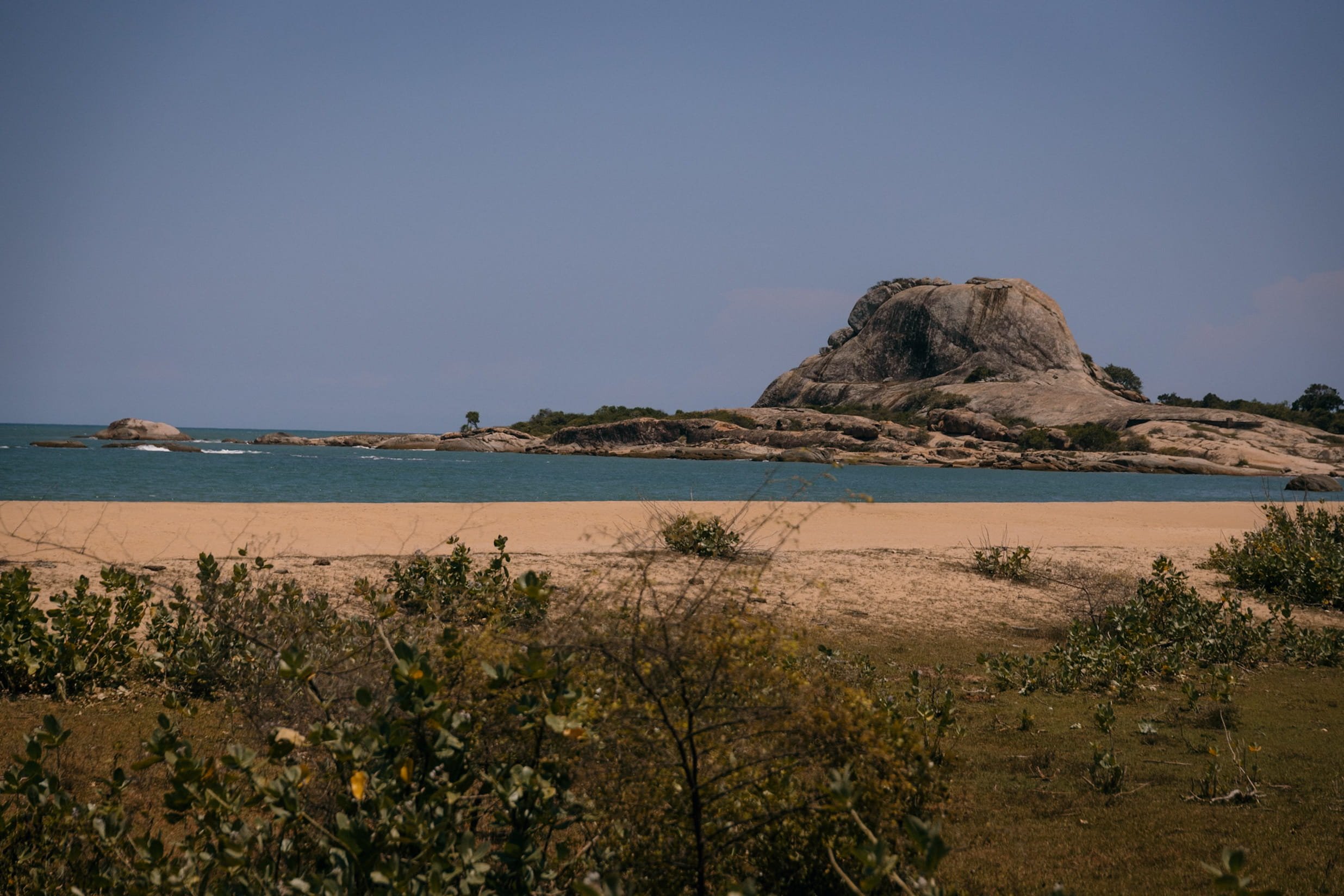
The landscape is as diverse as the wildlife, ranging from dense jungle and open grasslands to rocky granite outcrops and coastal lagoons that meet the Indian Ocean. This dense growth can make it more challenging to spot leopards, but the sighting is very rewarding!
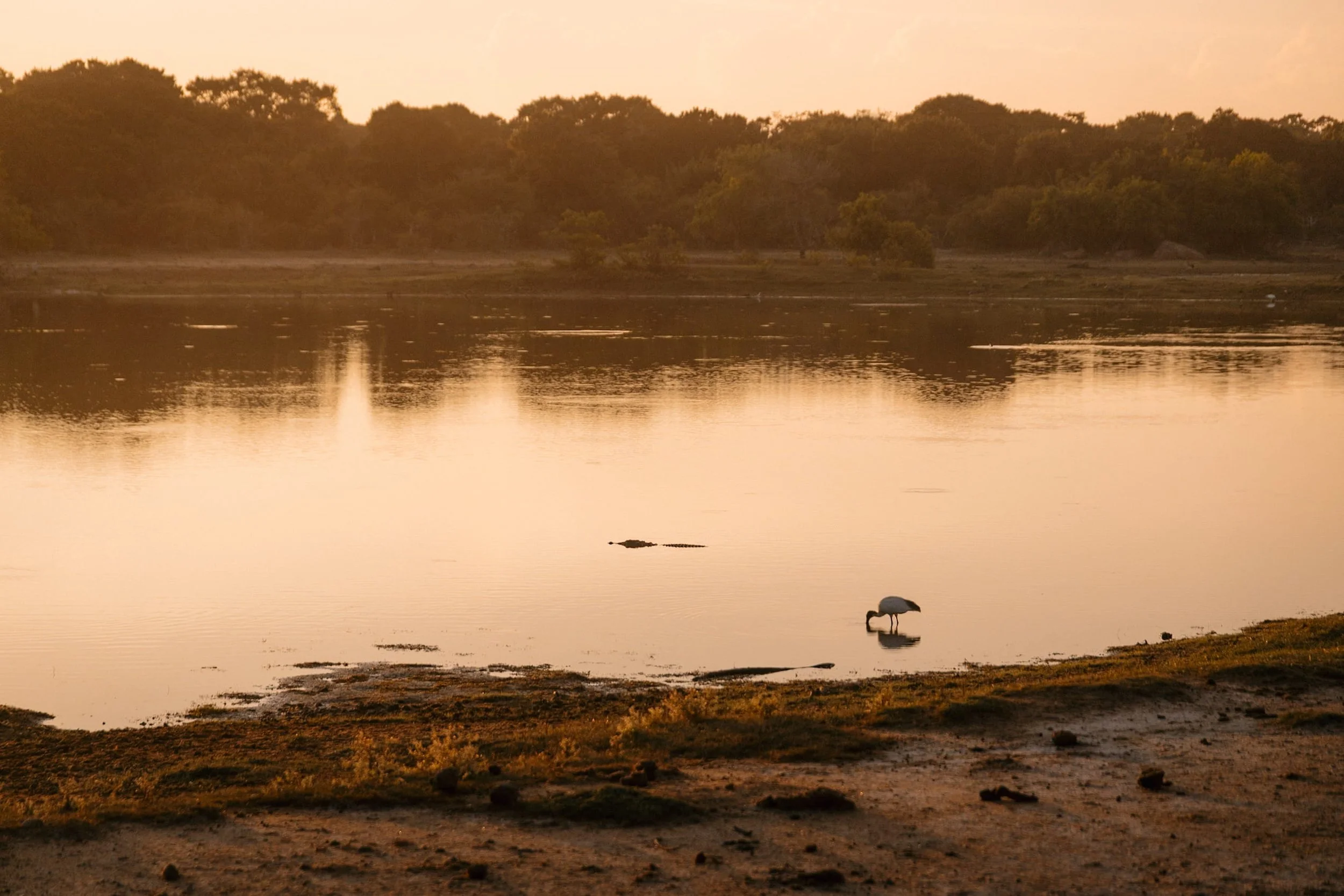
It’s also home to another kingdom altogether. Over 2,000 years ago, monks used to use the Sithulpawwa Rock Temple, an ancient Buddhist monastery. Today, its rock temple and ruins offer a glimpse into Sri Lanka’s early civilisation, built during the reign of Sri Lanka’s kings. The park is scattered with ancient irrigation tanks built by early kingdoms, which now serve as vital water sources for wildlife, especially during the dry season.
As most safari drives start very early in the morning, we’d recommended to stay near Yala the night before your safari. You’ll typically be up around 4–5 am, and staying nearby makes the early start much easier.
The main gateway town for Yala National Park is Tissamaharama (Tissa), which offers a wide range of accommodation and is well connected to major towns and cities across Sri Lanka.
From Colombo
If travelling from Colombo, you can take a public bus to Tissamaharama, which takes around 6–7 hours depending on traffic. It’s a budget-friendly option, but can be slow and crowded, especially on longer journeys.
If you’re planning a wider trip across the island, have a look at our 16-day Sri Lanka itinerary, which includes Yala on the route and you can experience highlights along the way rather than rushing straight to Yala.
From Ella
From Ella, the journey is much shorter. The most popular option is a bus to Tissamaharama, which takes around 4–5 hours. We hired a private driver with Asia Someday, which was faster and far more comfortable, especially if you are travelling with luggage, kids or planning an early safari the next day.
From The South Coast
If you’re coming from the south coast (such as Galle, Mirissa, or Tangalle), the most practical option is to travel by bus or private transfer directly to Tissamaharama. There is no direct train route from these coastal towns to Yala, so a combination of train and bus is generally not the most efficient option.
Public buses in Sri Lanka are very affordable and widely used by locals, but they can be crowded and unpredictable, making them best for independent travellers. Use this Sri Lanka Bus Routes tool to see bus routes and estimated journey times. For families or those prioritising comfort and time, a private driver is usually the easiest and most convenient way to reach Yala.
Sri Lanka is an incredible destination, but planning the right itinerary can be overwhelming.
Asia Someday creates fully personalised Sri Lanka trips based on your travel style, handling all logistics and planning so you can focus on the experience. They organised a private driver for our whole trip, which made it a stress-free journey.
Get 15% off Asia Someday planning fees by using code 'FOA'.
Similar to African safaris, Sri Lanka has its own “Big 5” wildlife bucket list. In fact, there are two main lists.
The first is a national Big 5, which includes the elephant, leopard, sloth bear, blue whale, and sperm whale. This unique combination makes Sri Lanka one of the few countries in the world where you can see the largest land mammal and the largest marine mammals in a single destination.
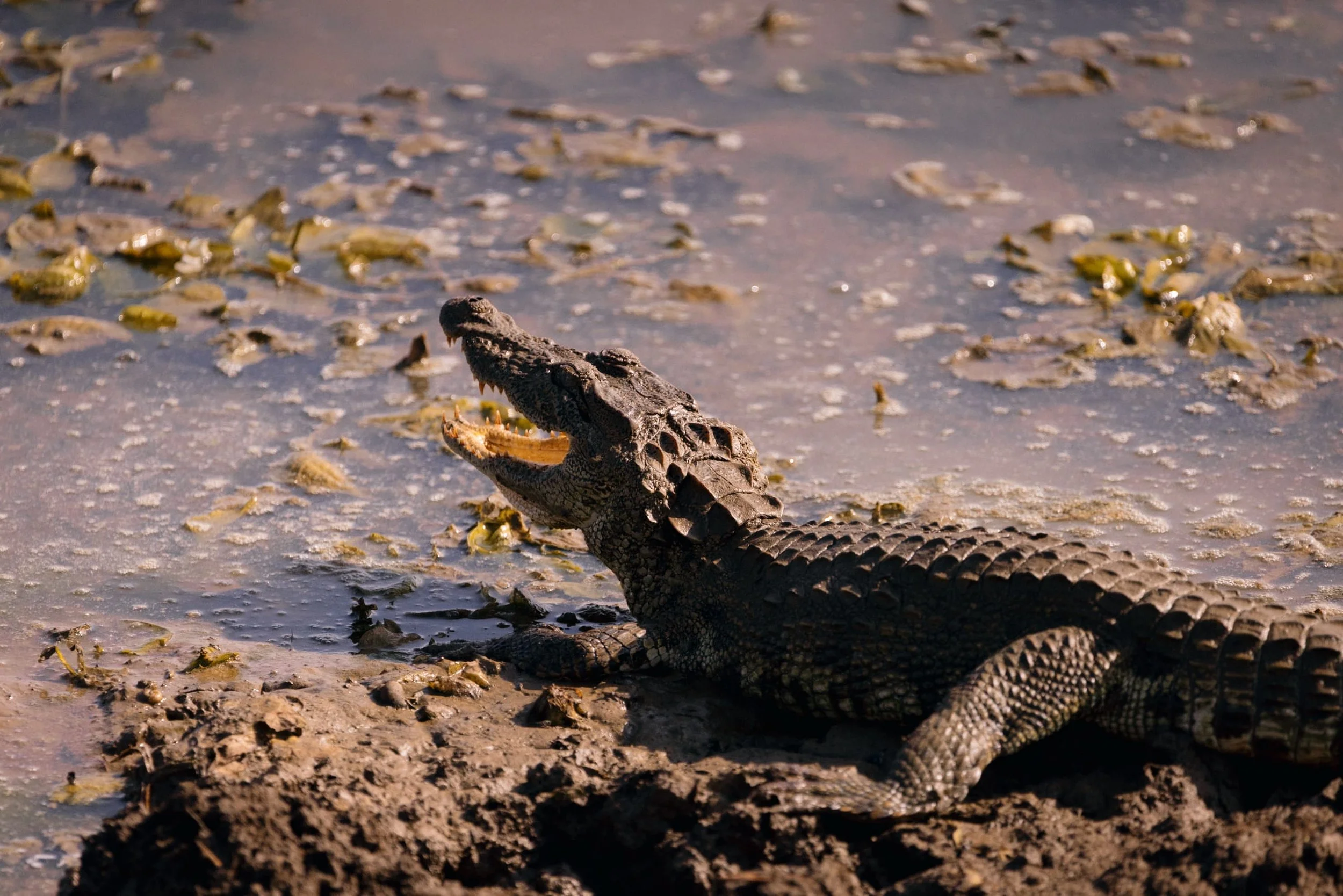
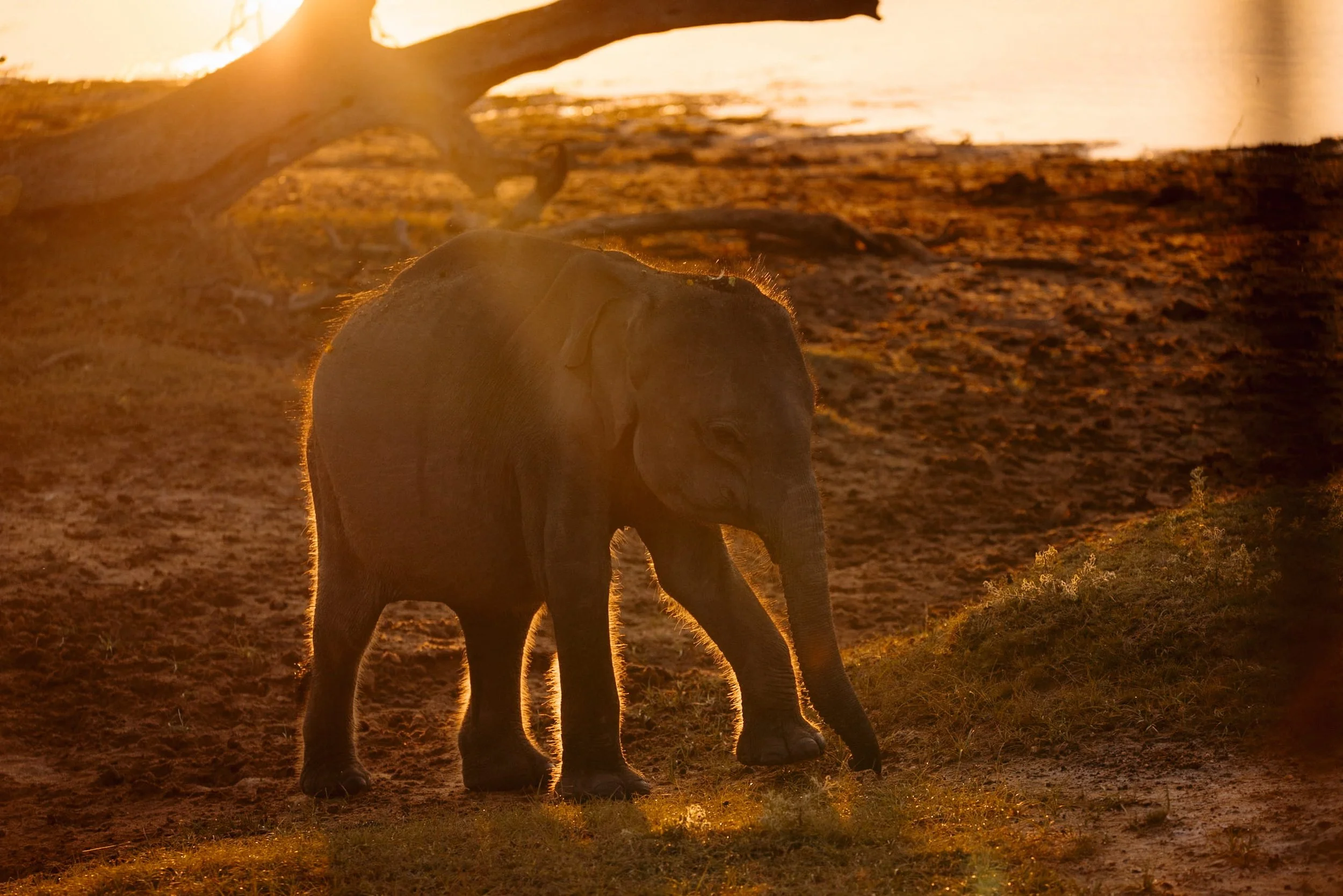
For Yala National Park, the list highlights the park’s key wildlife species: leopard, Asian elephant, sloth bear, mugger crocodile, and wild water buffalo. Yala is home to 44 mammals, 215 bird species and 46 reptiles.
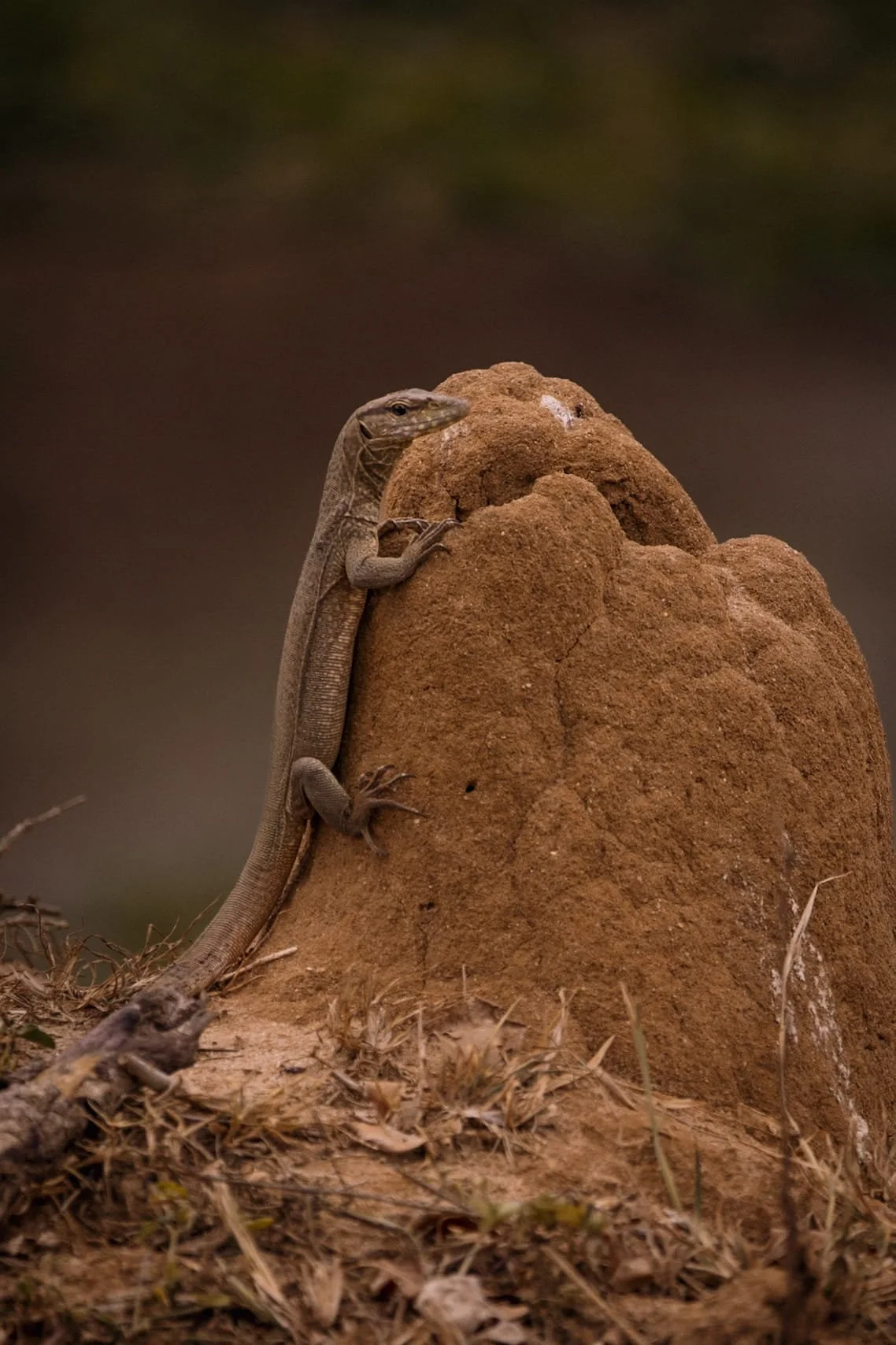
Beyond the Yala Big 5, you may also see spotted deer, golden jackals, wild boar, sambar deer, toque macaques, mongooses, and tufted grey langurs. Rare sightings include pangolins and rusty-spotted cats.
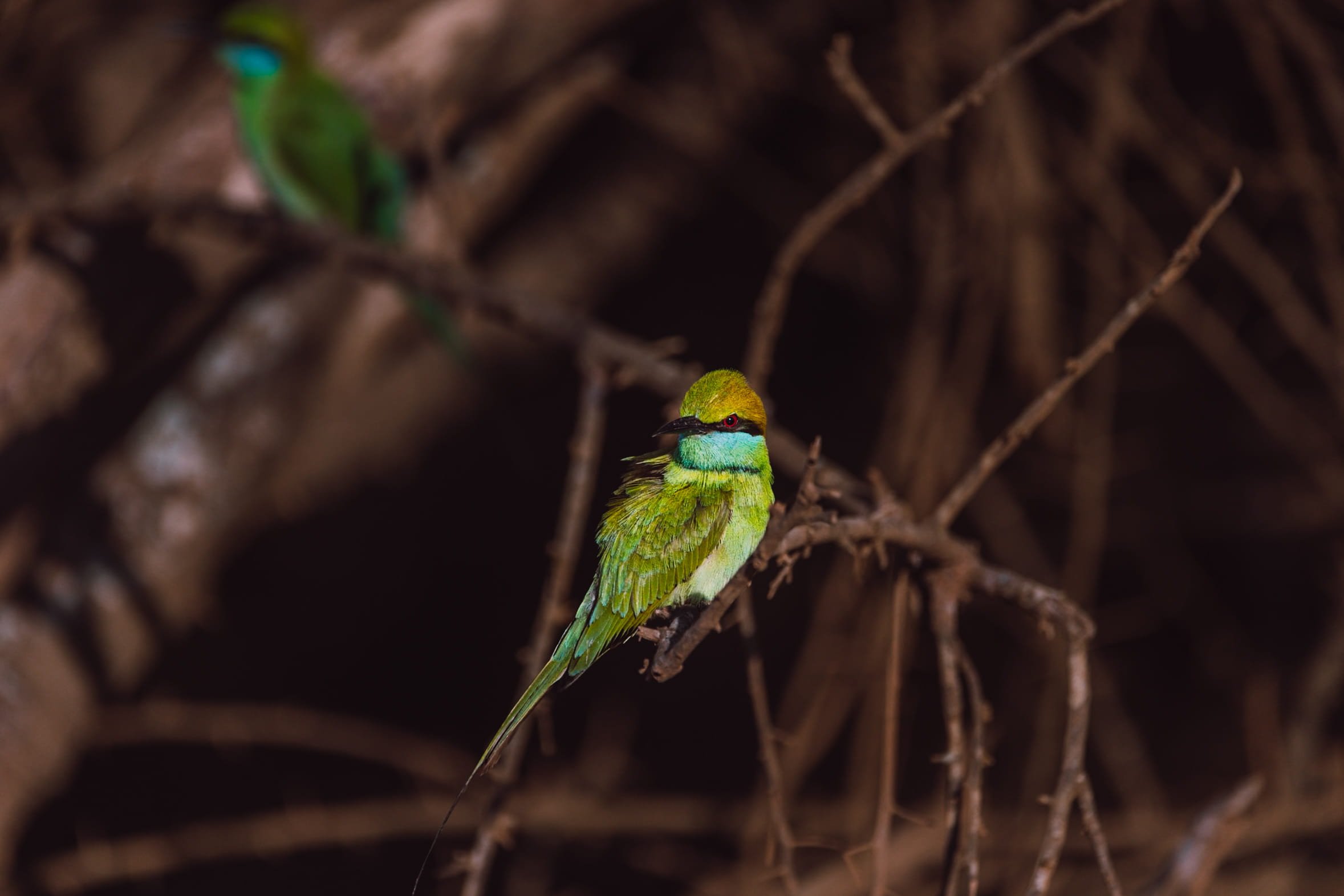
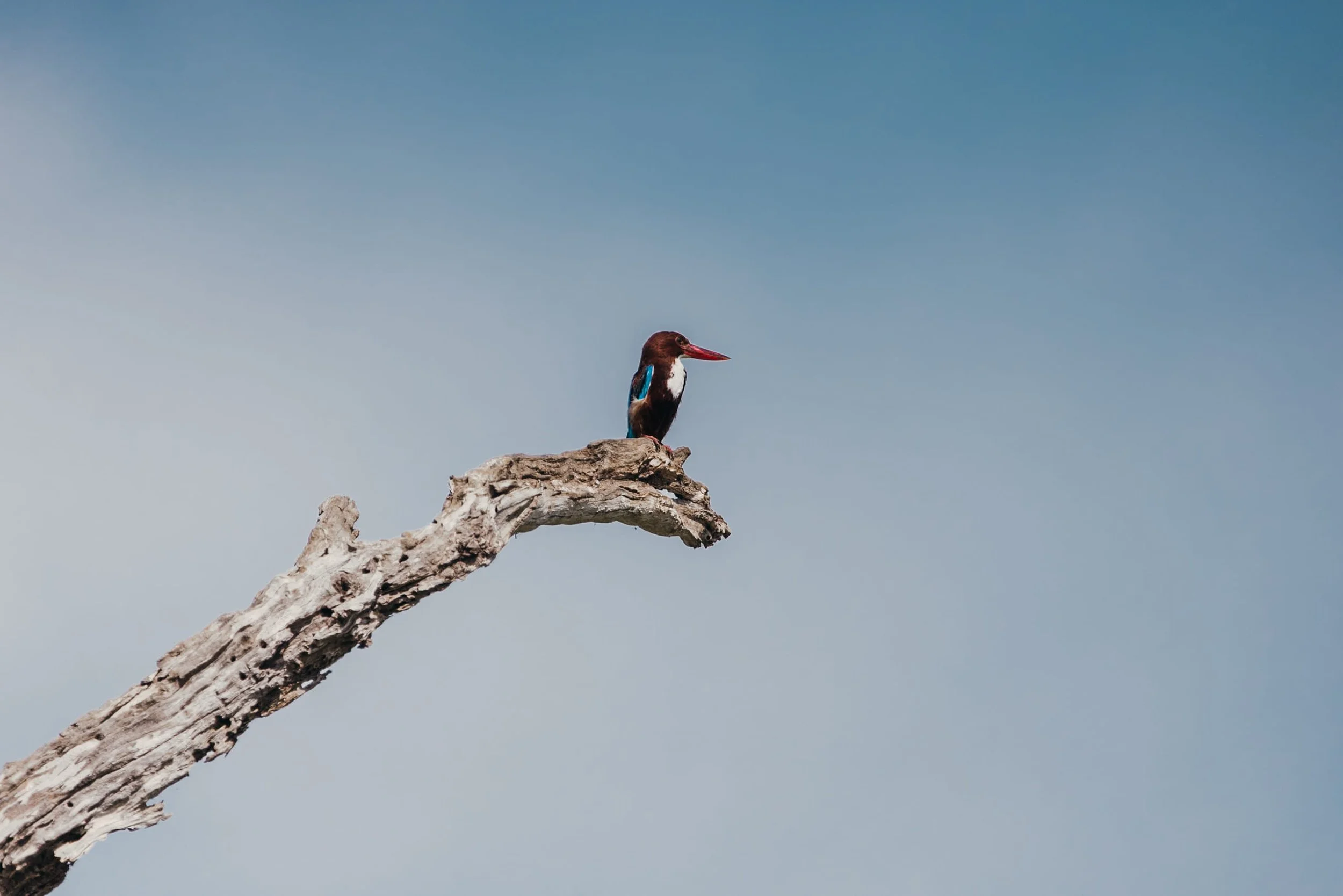
One of our favourites was the Blue-tailed Bee-eater, a strikingly colourful bird we saw several times on our safari. We also spotted kingfishers, junglefowl, peacocks, hornbills, and a Jacana with its chick walking across lily-covered water, alongside elephants and our lucky leopard sightings.
Plan your next adventure
If you book through our links, you help support our website at no extra cost to you - thank you!
Yala National Park has a hot, semi-arid climate, with temperatures typically ranging between 26°C and 36°C. During the dry season, the heat can feel particularly intense. We visited in March when temperatures exceeded 36°C, which was unusually hot even for that time of year.
Yala receives most of its rainfall during the north-east monsoon season (September to December). During this period, tracks can become muddy and access can be more challenging. Yala also closes blocks annually for conservation, typically from September to October. Other areas are usually open, but it’s worth checking with your safari tour company if you plan to visit this time of year.
For the best combination of wildlife sightings and weather, we recommend visiting between February and July. As water sources shrink during the dry season, animals are more likely to gather in the open, improving your chances for sightings. Bird enthusiasts may choose to visit during November and December, when thousands of migratory birds arrive in Yala's lagoons and wetlands.
As of 2026, Yala is experiencing a severe drought linked to El Niño conditions. As a result, Blocks 1 and 2 are closed until 15 October 2026.
Which block should you visit?
Yala National Park is divided into five blocks, Block 1 (Ruhuna) is the most popular and accessible. It is known for some of the best leopard sightings in Sri Lanka. It also attracts the highest number of safari vehicles. As a result, the large number of vehicles can lead to "jeep jams", where dozens of jeeps swarm to spot a rare glimpse of the elusive leopard.
For first-time visitors, we would still recommend Block 1, particularly if seeing a leopard is high on your wishlist. However, we'll share some tips in the next section on how to enjoy the experience responsibly and avoid spending your entire day following crowds, or getting stuck in a jeep jam for hours.
Another underrated option is Block 5, which offers a quieter and more relaxed safari experience. While wildlife sightings can be less predictable than in Block 1, there is still the chance of seeing leopards, sloth bears, and elephants. With fewer vehicles permitted, sightings often feel more peaceful and less intrusive.
Full-Day vs Half-Day Safari
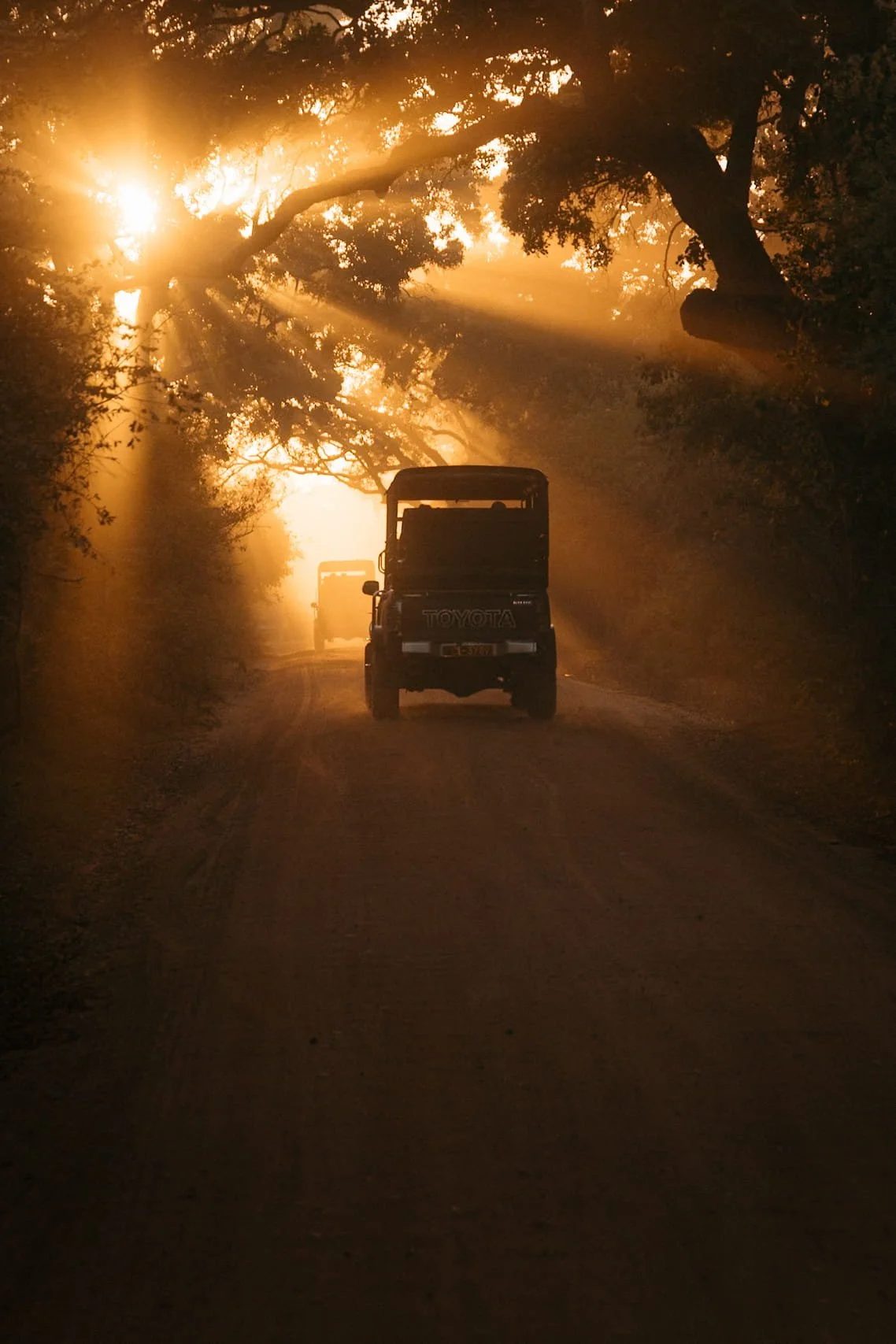
If your budget allows, we highly recommend booking a full-day safari. These typically begin when you enter the park at 6 am when it opens. Followed by a short breakfast stop, a morning safari with a break around midday for a two-hour lunch, and then continued exploring until early evening, around 6 pm.
A full-day safari gives you the best chance of seeing a wider variety of animals and experiencing different parts of the park throughout the day. To make the early start more manageable, stay near one of Yala's entrances the night before your safari.
Half-day safaris are also available, either in the morning or afternoon, but they can feel rushed and offer less flexibility if wildlife sightings are slow. If you’re short on time and have a limited budget, this is a good option.
Morning vs Afternoon Safari
If you only have time for a half-day safari, the morning safari generally offers the best chance of spotting leopards, as temperatures are cooler and wildlife are often more active which makes it one of the busiest times of day in the park.
That said, afternoon safaris have their advantages too. Visitor numbers are often lower, and the softer golden-hour light can create excellent photography opportunities. Leopard sightings are still possible in the late afternoon and early evening. On our full-day safari we were lucky enough to spot leopard in the early morning and just before sunset.
Our Experience in Yala
Asia Someday arranged our safari with an English-speaking guide who tailored the day to our interests and priorities, away from the crowds. Rather than spending hours chasing every reported leopard sighting, we wanted to focus on exploring the park, observing birds and other wildlife, and enjoying the scenery.
We were fortunate enough to spot a leopard both in the morning and late afternoon, while largely avoiding the biggest jeep jams. For us, this balance made the experience feel much more enjoyable and responsible.
This really depends on your priorities. Do you want more control over when you stop, where you go and what you look out for? If you’re travelling as a small group, couple or family, a private Jeep might be the best option for you. It will cost more than a shared Jeep, so it’s worth considering whether you think the extra cost will enhance your experience and is important to you.
If you’re a keen photographer who wants to stay in a particular spot for a while, a private Jeep allows you to take your time without feeling rushed or pressured. With a shared Jeep, the guide and driver will have to listen to the other guests’ requests and make sure everyone is happy.
If you prefer a more social setting, are travelling on a tighter budget and want more flexibility when booking, a shared Jeep may be the better option.
It’s also worth noting that you may need to book further in advance for a private Jeep. Shared Jeeps tend to have more availability, so they can be easier to arrange at shorter notice.
Don’t go expecting to see a leopard
This may sound odd, as seeing a leopard may be the main draw to going to Yala, it’s worth setting your expectations before you go. Wildlife is wild after all, and nothing is guaranteed no matter how much you pay.
You could spend hours not seeing anything, or turn a corner and catch a glimpse of a leopard when you least expect it. Our best sighting was exactly that: being in the right place at the right time, with the added knowledge of our guide increasing our chances; blink, and we would’ve missed it.
Go early in the morning or late afternoon
Leopards are more active when temperatures are cooler, so often early morning and late afternoon are the best times for sightings. Once it heats up, most wildlife will find a nice shaded spot to snooze in for the day, especially in the dry season.
One of our best leopard sightings was in the late afternoon; the sun had just started to set behind a rocky outcrop, and he slowly walked through a small opening. We saw him for a few seconds, turned his head towards us in a true Walter Mitty moment, then he continued on his way.
Bring binoculars
Leopards can be surprisingly difficult to spot, thanks to their beautiful fur coat of speckled rosettes, which allows them to camouflage themselves within their surroundings and creep up on prey. Our morning sighting was of a leopard resting high in a tree, and with the harsh sun and dappled light, it was almost impossible to spot. Many others were struggling to see it too.
Make sure to bring binoculars, or check with your safari tour whether they can provide some, as they can make all the difference to your experience, without needing to get so close.
Be Aware of “Jeep Jams”
When a leopard is spotted, we noticed jeeps would rush to the same location, sometimes driving recklessly, creating large queues and crowded sightings, sometimes for just a few seconds of viewing.
We weren’t keen on spending our safari following the crowds, so we asked our guide to show us quieter areas of Block 1 instead. Having the whole day meant we could take our time, enjoy the beautiful scenery and look out for other wildlife in the park.
We’d recommend letting your guide know what you’d prefer, so they can help you avoid overcrowded areas and give wildlife space. A wildlife safari should be about observing animals in their natural habitat, rather than a guaranteed photo opportunity.
Consider a full-day safari
If you have the time, we’d really recommend a full-day safari. It gives you much more flexibility and takes away some of the pressure of trying to explore the park in a single morning or afternoon.
Block 1 covers over 14,000 hectares, so having the whole day meant we could explore one area in the morning without feeling rushed, before heading to another part in the afternoon.
A full-day safari also includes a two-hour break for lunch by the coast, which is such a beautiful spot to stop, relax and take in the scenery. It makes for a much more relaxed day and gives you plenty of time to enjoy the park at your own pace.
Be a Responsible Visitor
When visiting Yala, it’s important to remember that the wildlife comes first. This means understanding animal behaviour and how to behave around wildlife, knowing what you can and cannot bring into the park, being aware of emergency protocols, and taking an interest in the park’s flora, fauna, history and landscape.
Try not to measure your safari by how many animals you see or how close you get to them. Give animals space, respect your guide and other visitors, and choose safari tours that put the wellbeing of wildlife first.
In the next section, we share how to choose an ethical tour operator in Yala, including questions to ask before booking and a few operators that stood out to us.
Read guidance on how to be a responsible visitor, which also includes contact information for reporting any irresponsible behaviour.
Responsible tourism can help encourage better behaviour in the park, rather than choosing to skip Yala altogether. The park entrance fees also contribute towards the management and conservation efforts.
Look for operators and guides who prioritise animal welfare, responsible driving, keeping a respectful distance from wildlife and avoiding unnecessary crowds. A good guide should also listen to what you want from your safari rather than simply chasing every sighting.
Here are a few questions you can ask and things to consider before booking your safari:
How do you manage crowded sightings? Will the driver wait or move on if there are already too many vehicles around an animal?
Can I book a private Jeep? This gives you more control over your experience and means you can discuss your preferences directly with your guide.
Do you guarantee leopard sightings? Be wary of anyone making promises about wildlife. No ethical operator can guarantee what you will see.
How are sightings shared? Do they alert lots of other vehicles when a leopard is spotted, or do they limit communication to help prevent overcrowding?
How do you behave around wildlife? Will the driver slow down, stop at a respectful distance and avoid chasing or repeatedly repositioning the vehicle?
Do they minimise noise and disturbance? Ask whether drivers switch off their engines when safe to do so, rather than leaving vehicles running unnecessarily which can disturb wildlife.
What happens if another vehicle is behaving irresponsibly? A good guide should prioritise the animal's welfare rather than joining in to get a better view.
Read reviews carefully - Look beyond reviews that simply mention how many leopards someone saw. Look for comments about the guide's behaviour, the number of vehicles, how sightings were handled and whether guests felt rushed.
Don't automatically choose the cheapest option - Responsible guiding can cost more, and it's worth considering what you are paying for rather than simply choosing the lowest price. However, a higher price alone doesn't guarantee an ethical experience, so do your research.
Are you booking just a driver? Or a driver and guide? It’s possible to book a driver who has no knowledge or experience with wildlife, which will make the whole experience just relying on other sightings. We booked a guide who had extensive knowledge of the park and wildlife, giving a much richer experience, who took us to quiet watering holes and scenic spots with no one else in sight.
The total cost of your Yala safari depends on whether you choose a shared or private Jeep, hire a dedicated guide, and opt for a half-day or full-day safari. Prices can also vary depending on what’s included in your package.
A half-day safari usually lasts around five hours, either in the morning or afternoon. A full-day safari generally runs from around 6 am to 6 pm, with a two-hour break for lunch in the middle of the day.
The table below gives you a rough idea of what to expect to pay for Jeep hire only and doesn’t include entrance fees and any other extras such as food and tips. It’s also worth remembering that you may pay more for a responsible tour.
There are several costs to the overall experience to bear in mind when doing a safari in Yala, and we’ll break down each for you on what to expect so there are no hidden costs or surprises on the day!
Entrance fee - this is a set cost per person which may change depending on season which goes towards conservation, park permit and taxes.
Jeep hire - this cost will be divided by the amount of people in the vehicle. If you’re solo or a couple it can be more affordable to go with a group or another couple. Ask your provider if you can join another group to reduce costs. If you plan to hire your own private jeep this cost will be more.
English speaking guide - Most tours will just have a driver and many do not speak English. We’d highly recommend hiring an English speaking guide or asking for a driver who has extensive knowledge of the area which really enhances your experience.
Hotel pick up - this can be a hidden extra cost, especially if you’re staying outside the usual remit of pick up. Check with your safari tour operator whether this is included.
Food - this is usually an extra cost, bring your own snacks and plenty of water. You can ask the hotel to pack you a takeaway breakfast if this is included in your stay. If you’re doing a full day safari, there is a café you can buy lunch and drinks.
Tips - If you've had a great experience where your guide listened to your requests, and you feel they went above and beyond, a tip is a nice way to show your appreciation.
A responsible operator - it may cost a little more going with a responsible safari tour company and in our opinion is well worth it to avoid those notorious jeep jams.
As part of your Sri Lanka itinerary, it’s a good idea to stay near Yala the night before your safari as most start early in the morning.
Tissamaharama is the main base for visiting Yala National Park and has the most choice of accommodation, including hotels and campsites. It’s the best location for the Palatupana Entrance for Block 1, one of the most popular options.
Kataragama is another option for Yala National Park, located north of Block 1 and is closer to the Katagamuwa entrance.
Read our guide to where to stay in Yala National Park, including the best hotels and safari lodges.
Do I need a guide for Yala?
You don't necessarily need a guide, but based on our experience it can make a huge difference to what you see and how much you learn if you have an experienced driver or guide who really knows the park inside out.
How likely will you see leopards in Yala National Park?
There’s no guarantee you'll see a leopard, even though Yala is famous for its high leopard density. Your chances can vary depending on the season, weather, time of day and animal behaviour.
An experienced guide can improve your chances by knowing the park and understanding where to look, but wildlife sightings are never guaranteed!
How long do I need to visit Yala?
If you have the time, we'd recommend a full-day safari. It gives you more flexibility to explore different areas of the park and takes away some of the pressure of finding wildlife within a few hours. A half-day safari is a good option if you're short on time but can feel more rushed.
How does the cost of Yala safaris compare to other parks in Sri Lanka?
The cost depends on whether you choose a shared or private Jeep, the length of your safari and what's included. As a rough guide, shared Jeeps start from around £10 per person, while private Jeeps can cost £45 or more, before other fees such as the entrance fee.
Read our full Yala safari cost breakdown above for a guide to entrance fees, Jeep hire and other safari expenses.
What is the best block to visit in Yala National Park?
Block 1 is the most popular choice for first-time visitors and is well known for leopard sightings, but it can also be the busiest. Blocks 5 and 6 offer a quieter experience with fewer vehicles, although wildlife sightings can be less predictable. If seeing a leopard is your main priority, Block 1 may appeal more, while those looking for a more relaxed safari may prefer the quieter blocks 5 and 6.
Should I book a private or shared Jeep for a Yala safari?
Each provide different experiences and it all depends on what your preferences are. Read our Private vs Shared Jeep section above.
Can I book a Yala safari from Tissamaharama?
Yes. Tissamaharama is one of the main bases for visiting Yala, and there are plenty of safari operators offering trips into the park. We recommend booking in advance if you have a particular operator or type of safari in mind especially for a private jeep.
Watch our Experience on Youtube
Sri Lanka Guides
16-Day Sri Lanka Itinerary | The Ultimate Route for First-Time Visitors
Where to Stay in Hiriketiya, Sri Lanka | The Ultimate Area & Hotel Guide
Best Beaches in Sri Lanka | Where to Go, When to Visit & Where to Stay
Where to Stay in Sigiriya, Sri Lanka | Best Areas & Hotels for Every Budget
Where to Stay in Ella Sri Lanka | Best Areas, Hotels & Incredible Views