We have included links which may contain an affiliate link and if you decide to purchase any products through these links we will receive a small commission at no extra cost to you from the sale.
Hi we are Jonny and Hannah and photography has been a huge part of our lives for over a decade, We started as wedding photographers and evolved into full time travel content creators. Our camera bags have evolved with us over the years. For 2026, We’ve streamlined our gear to what truly matters for travel, adventure, and content creation. This is the gear we use everyday, with reliability, versatility, and efficiency while on the move a main priority of ours.
We have used many cameras and lenses over the years, experimenting is one of the joys of photography. There is often a compromise of some sorts with photography gear, especially camera bags, which I still don’t think we’ve found the perfect solution for.
Usually we vary our gear depending on where we will be in the world, but the gear listed below will give you a good idea of the gear that we travel with everyday.
This is a look at what we carry in our camera bags to capture the content for Finding Our Adventure.
How to Use This Guide
Use the Contents table below to jump to any section. Click a heading in the guide to return to the top and continue exploring.
Contents
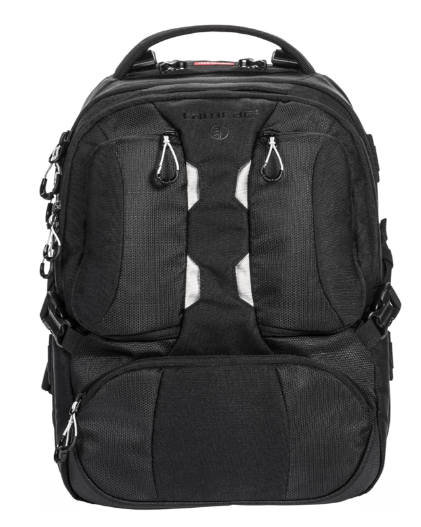
My go-to bag in 2026 is the Tamrac Anvil Slim 15. It’s a compact, durable, and comfortable backpack designed for travel photographers who need quick access to gear without carrying unnecessary weight. I’ve been using this bag for a while on my travels. It replaced my old MindShift backpack because the Anvil Slim 15 has a larger load area, making it easier to fit all my cameras, lenses, and accessories.
The bag features:
Padded compartments for cameras, lenses, and accessories
Adjustable dividers to organize gear securely
front pockets for snacks, or small items
Space for a 13” laptop for editing on the go
A slim, travel-friendly profile suitable for hikes, city exploration, and flights
The main downside is that the back panel is not breathable, so walking uphill or shooting in hot countries can leave your back soaked in sweat. There is also no water bottle pocket and the tripod straps are not the best. Other than that, I really like Tamrac camera bags. They are durable, practical, and reliable for travel photography.
Canon EOS R5
This is my primary camera for travel and content creation. The R5 offers incredible image quality, in-body stabilization (IBIS) for low-light situations, and eye-tracking autofocus that ensures sharp shots even when subjects are moving. For me, it strikes the perfect balance between performance and portability, and it has been my main workhorse for many adventures around the world.
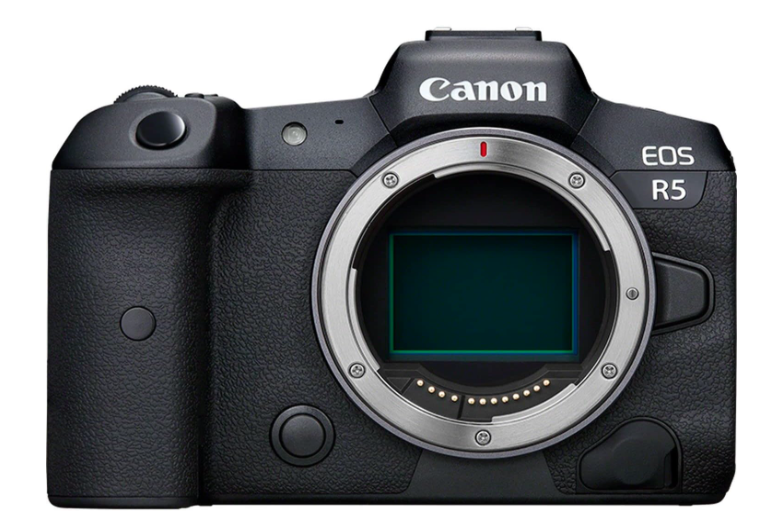
Canon EOS R
The EOS R was canons first full frame mirrorless camera, we used this camera everyday for 5 years before switching to the R5. It is now my backup camera. It’s fairly compact, reliable, and compatible with my EF lenses via an adapter. It comes on longer adventures with us, especially safaris where we want two cameras shooting, or just as a reliable backup in case the worst happened to our R5.
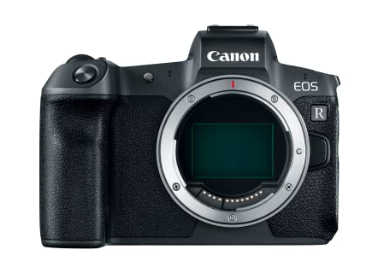
Lenses are arguably the most important part of any camera system. The ability to control depth of field and shoot in low light and unforgiving conditions makes choosing the right lens for you so important. We’ve owned and used many many lenses in our career and we still have many in storage. This is what we currently use the most often during our travels.
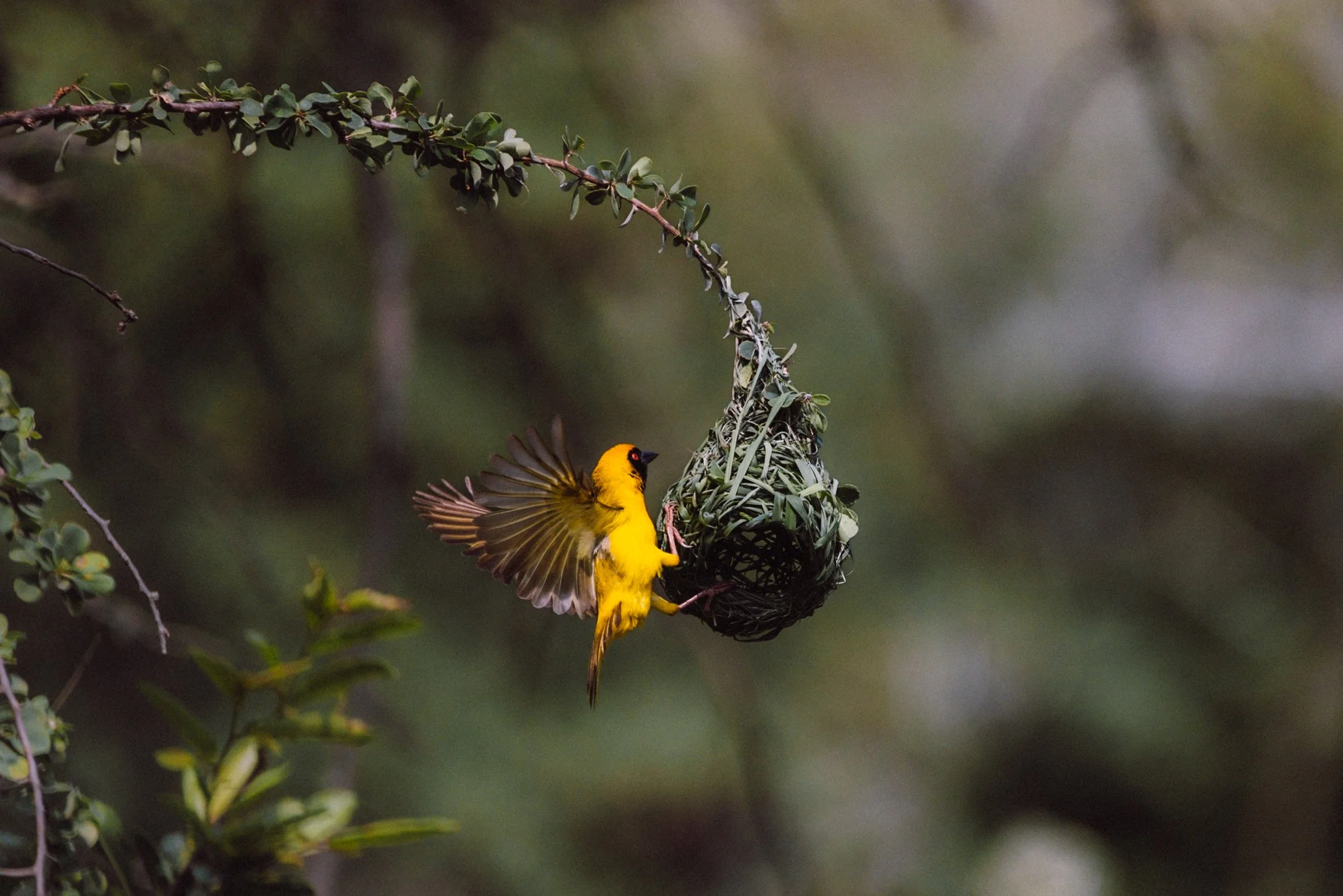
Sigma 24–105mm f/4 Art
The Sigma 24–105mm f/4 Art weighs 920g and is my main travel zoom lens. It replaces several prime lenses and covers everything from wide landscapes to mid-range portraits. While it is slightly heavier than some alternatives, the versatility makes it indispensable for multi-day trips or situations where I want to travel light without constantly changing lenses. The ability to compress the background is very important to me and is a core trait in my photography style and the 24-105 makes it very easy to do so.
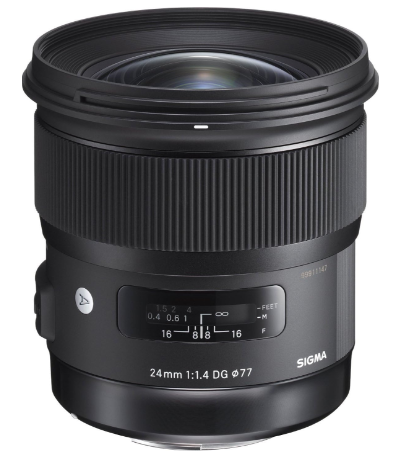
Sigma 24mm f/1.4 Art
The Sigma 24mm f/1.4 Art weighs 695g and is widest lens we carry. Its great for shooting interior shots of hotels or anything at nighttime when we need the better low light performance. It allows me to capture expansive scenes while still keeping strong composition. I also like how well it works for social media crops, as I can frame wide and adjust later without losing the overall feel of the image.
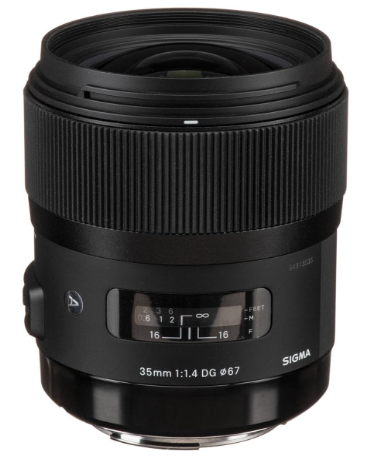
Sigma 35mm f/1.4 Art
The Sigma 35mm f/1.4 Art weighs 645g and is one of our favourite focal lens for travel photography, in fact 90% of our photos from 6 months in South East Asia in 2017 was shot on a fujfilm XT2 and a 35mm lens. It is such a versatile focal length, relatively compact and lightweight with a great aperture.
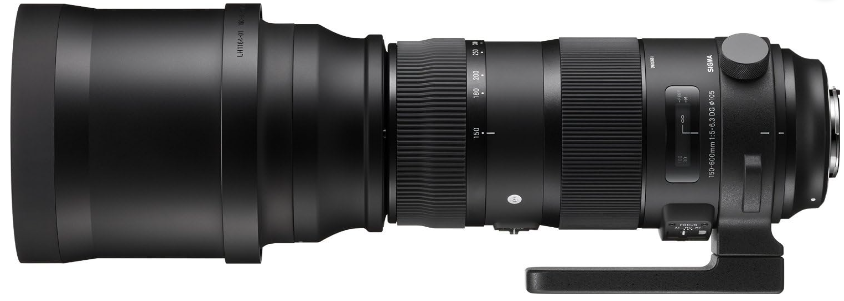
Sigma 150–600mm
The Sigma 150–600mm is the lens I use for wildlife photography and generally gets the most use when we are on safari in South Africa. It’s a heavy and bulky lens and we only use it for these specific purposes.
While photography and travel writing is our thing, we do vlog most of our adventures. It has become a really important part of sharing our experiences with our audience and combined with our travel guides and photography gives a 360 experience to anyone who is using our content to plan their next adventures.
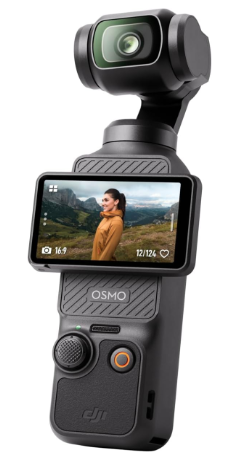
DJI Pocket 3
The DJI Pocket 3 is my go-to compact vlogging camera in 2026. It’s small enough to live in a jacket pocket but powerful enough to capture smooth, high-quality video thanks to its built-in gimball. Ive been using it for every travel vlog since early 2025 and because we carry so much other gear the pocket 3s small size means that it makes vlogging easier rather than a chore. The only negatives I would say is that its a delicate piece of kit and needs to be looked after. Put it back in its case when not using it is the best thing to do.
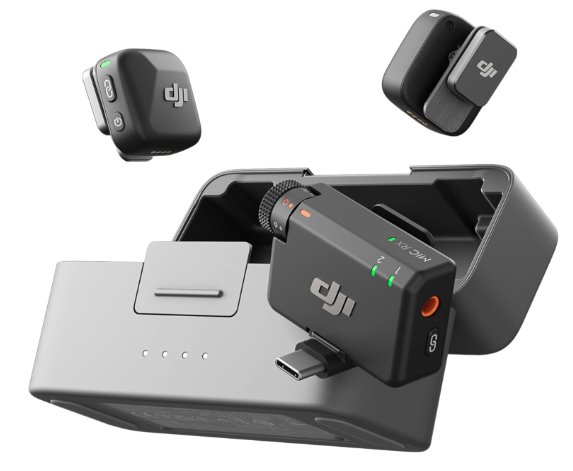
DJI Mic Mini
After one of our DJI Mic 2’s went for a swim in a pool we purchased the DJI Mic Mini. It is much smaller and lighter than the Mic 2 and so far we can’t really tell any difference in the audio quality. We also love how DJI Mics pair seamlessly with the DJI Pocket 3, it just makes our lives so much easier and quicker compared to when we used to vlog on a Gopro and had what now feels like cables everywhere for Mics etc. DJI has just got it so right and you can see why they are leading the market right now!
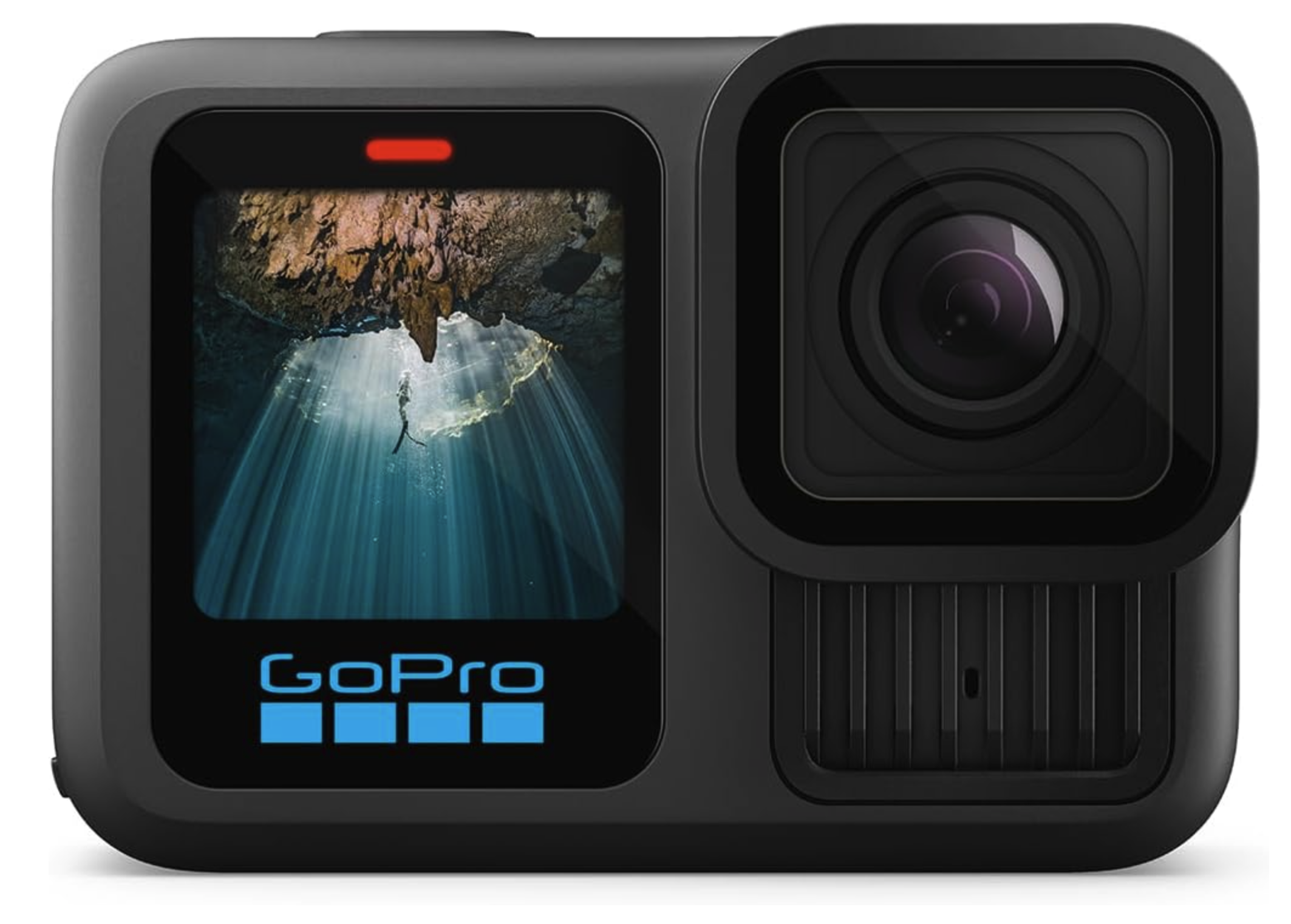
GoPro Hero 11
The GoPro Hero 11 is my main action camera for adventure-focused filming. I use it for activities like hiking, kayaking, snowboarding,, snorkelling and any situation where I need a tough, weather-resistant camera that I do not have to worry about. It captures sharp, stabilised footage and works well as a secondary video camera when I want dynamic angles that would not be possible with larger gear.
GoPro Hero 8
I still carry two GoPro Hero 8 cameras as backups and for secondary filming angles. They are reliable, compact, and ideal for mounting in different positions when I want multiple perspectives.
Drones have changed the way we are able to capture content. We can get aerial shots without having to hiring a helicopter, which was only an option for large productions. We’ve been flying drones for 10 years now and they have become so reliable, incredible footage quality, bristling with sensors and smart technology.
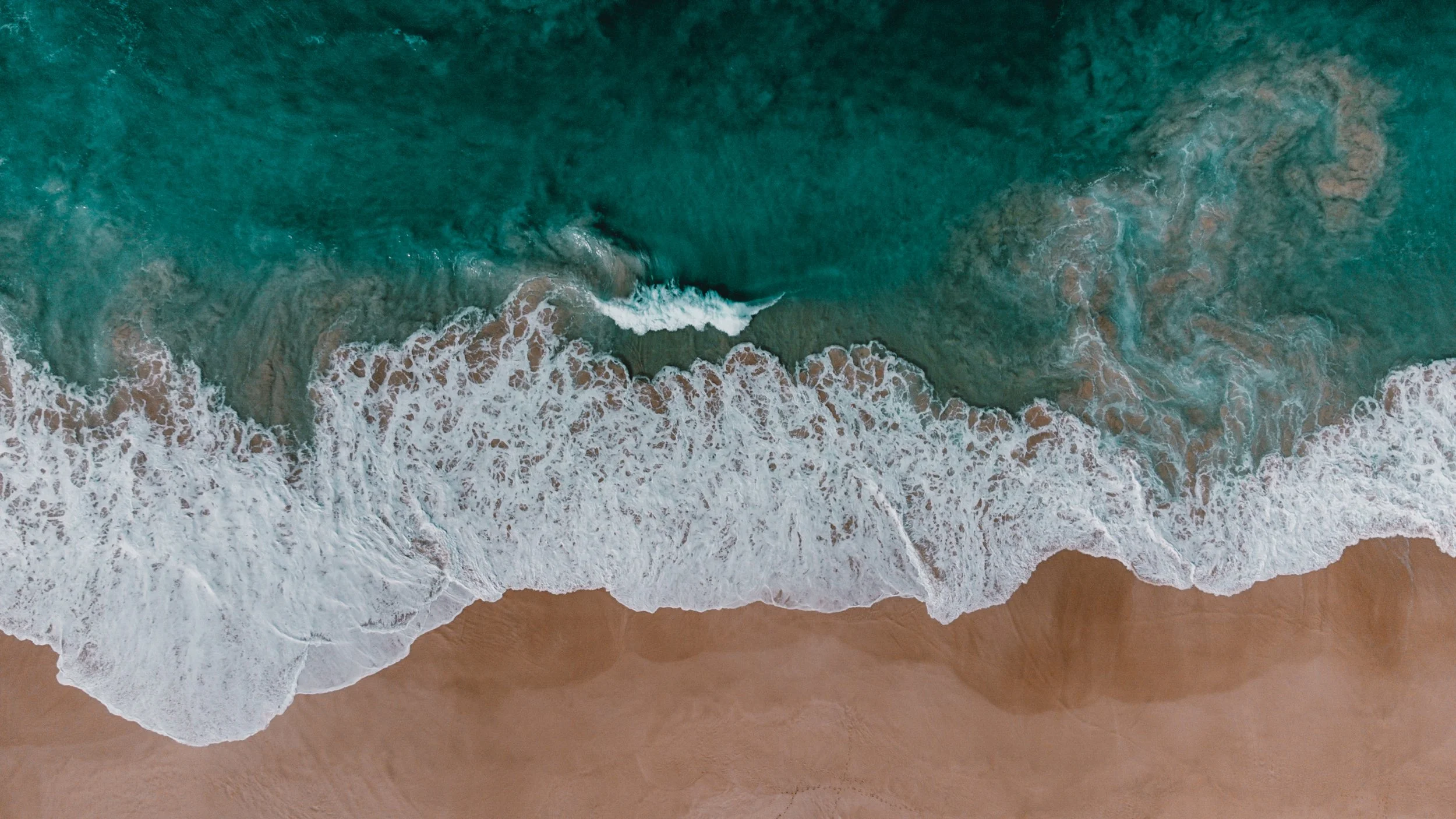
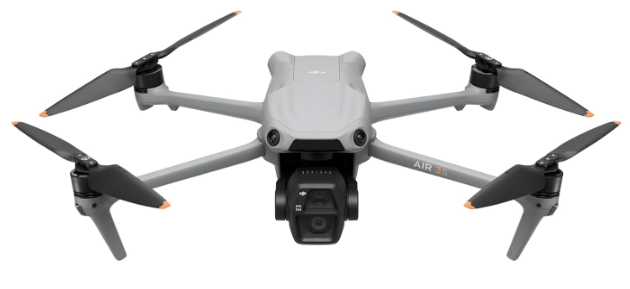
DJI Mavic Air 3
The DJI Mavic Air 3 is my main drone for travel photography and videography. It offers excellent image quality, strong wind resistance, and reliable flight performance, which makes it suitable for everything from coastal shots to mountain landscapes. The dual camera setup gives more creative flexibility, especially when switching between wide aerial views and tighter compositions without needing to move the drone.
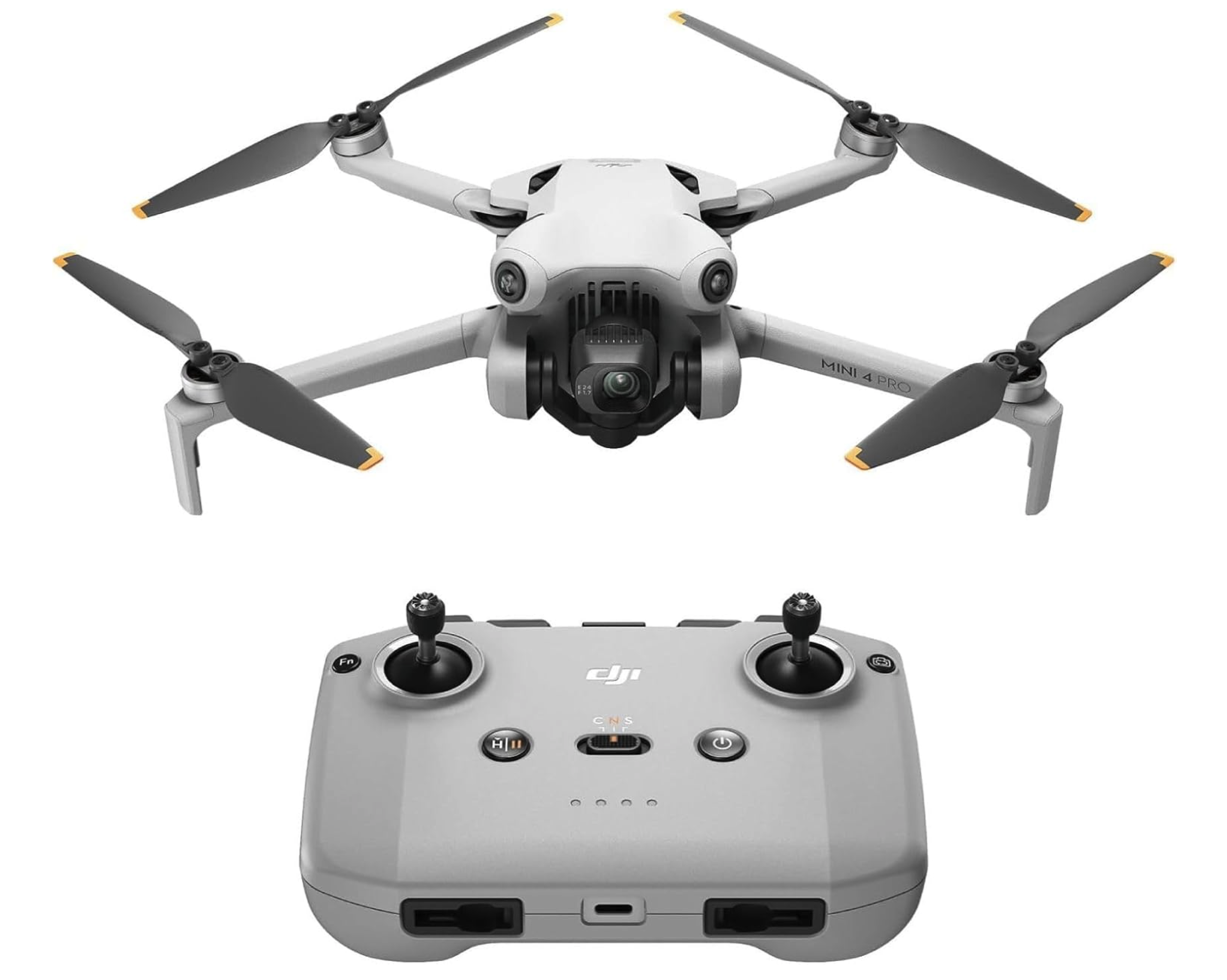
DJI Mini 4 Pro
We recently got the mini 4 pro because of certain drone restrictions in countries like Sri Lanka. While it lacks some of the features of our Air 3, it is still a great drone and a fantastic option if you are looking at getting into drone videography/photography or upgrading an older drone.
Spare batteries, camera straps, memory cards, lens wipes. There are so many extras that we carry in our camera bag to look after our kit and make our jobs much easier.
Memory Cards & Storage
I carry multiple SanDisk Extreme Pro memory cards to ensure I never run out of storage mid-shoot. They’re fast and reliable, and I keep them organised in a JJC SD Card Holder to protect against water, dust, and impact. Losing images due to damaged cards is a nightmare I avoid by storing cards correctly.
Camera Straps & Clips
I use a Peak Design Camera Strap for comfort and easy camera handling. The Peak Design Capture Clip is perfect for hiking or shooting on the move, letting me attach the camera to my backpack strap or belt and access it instantly.
Tripod
The Manfrotto BeFree Tripod is lightweight, compact, and sturdy. I take it on trips when I want level shots, group photos, or time-lapse sequences. It’s essential for long exposures or situations where handheld shots aren’t ideal.
When it comes to deciding “what’s in my camera bag”, the biggest factor is always travel practicality. We aim to keep our setup compact, versatile, and efficient so we can move easily between flights, road trips, hikes, and city exploration without constantly repacking gear.
My camera bag is organised so that my main camera body and go-to lens are always accessible first. This allows me to capture moments quickly without unpacking everything. Heavier items such as zoom lenses or drones are often in a secondary camera bag that Hannah would carry. This bag can be left in a hotel and safely stores gear that we might not need on a specific day.
I also pack with redundancy in mind. Backup cameras, extra batteries, and multiple memory cards are essential when travelling. If something fails, I still need to be able to create content without interruption. This packing approach ensures my camera bag works not just for photography, but for real-world travel conditions where speed, comfort, and reliability matter.
What’s in my camera bag is never completely fixed. My setup changes depending on the destination, shooting style, and the type of content I’m creating. For city breaks and lightweight travel, I prioritise smaller lenses and compact video gear, keeping my camera bag as light as possible.
For road trips or longer adventures, I’m more flexible. This is when I’ll add extra lenses or a drone, knowing I won’t be carrying everything on my back all day. Wildlife-focused trips require a completely different approach, with long telephoto lenses taking priority. This is where we would always carry a second camera bag to fit everything in that we need and to spread the weight.
By adapting my camera bag setup for each trip, I avoid carrying unnecessary gear while still having the right tools for the job. This flexibility is key for travel photography and content creation in, where efficiency is just as important as image quality.
Airports are always a concern for us, we will always carry our gear onto the plane. We make sure our camera bags fit the carry on sizes to the best of our abilities and pray that they don’t weigh any of our camera bags!
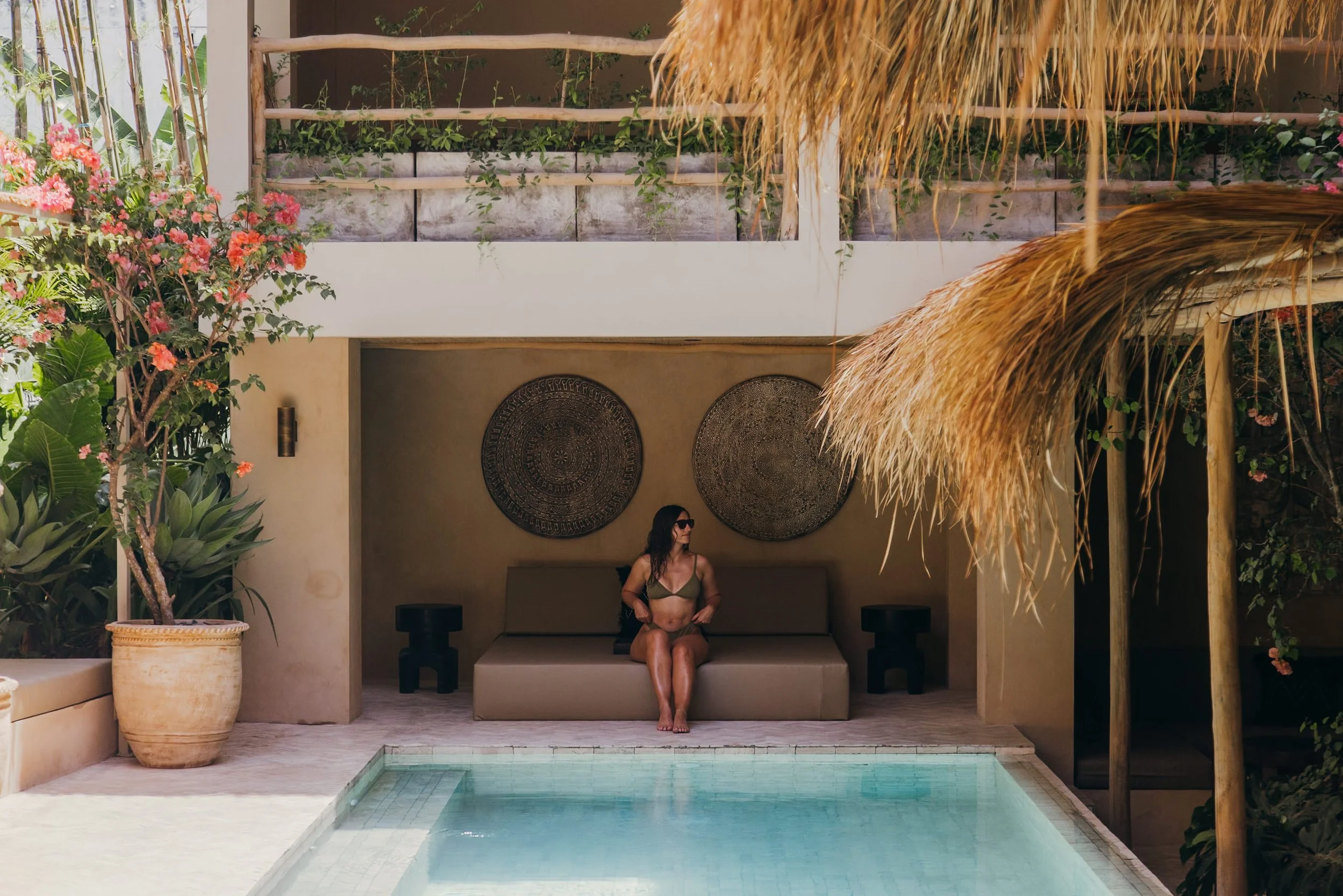
Just as important as knowing what’s in my camera bag is knowing what I deliberately leave behind. Over the years, I’ve learned that carrying too much gear often leads to missed moments and fatigue rather than better photos or videos.
I avoid packing duplicate lenses with overlapping focal lengths unless there is a clear reason. If one lens can do the job well enough, it earns its place in the bag. Heavy accessories that only get used occasionally are usually left behind unless the trip specifically calls for them.
This streamlined approach keeps my camera bag lighter, reduces decision fatigue while shooting, and makes travel more enjoyable overall. Carrying less gear means I shoot more intuitively and focus on storytelling rather than constantly switching equipment.
This camera bag setup is designed specifically for travel creators who need to balance photography, video, and mobility. Every item earns its place by being versatile, reliable, and practical for world travel.
Whether I’m shooting landscapes, documenting road trips, filming YouTube videos, or capturing short form content, this setup allows me to work efficiently without feeling weighed down. It’s not about having the latest gear, but about having the right tools that consistently deliver.
There will always be a compromise in terms of the bag you carry and the gear inside. Knowing your gear inside out though is whats most important.
If you’re building your own travel camera bag, focus on flexibility, weight, and how often you realistically use each piece of equipment. A well thought out camera bag will always outperform a bag filled with gear you rarely take out.
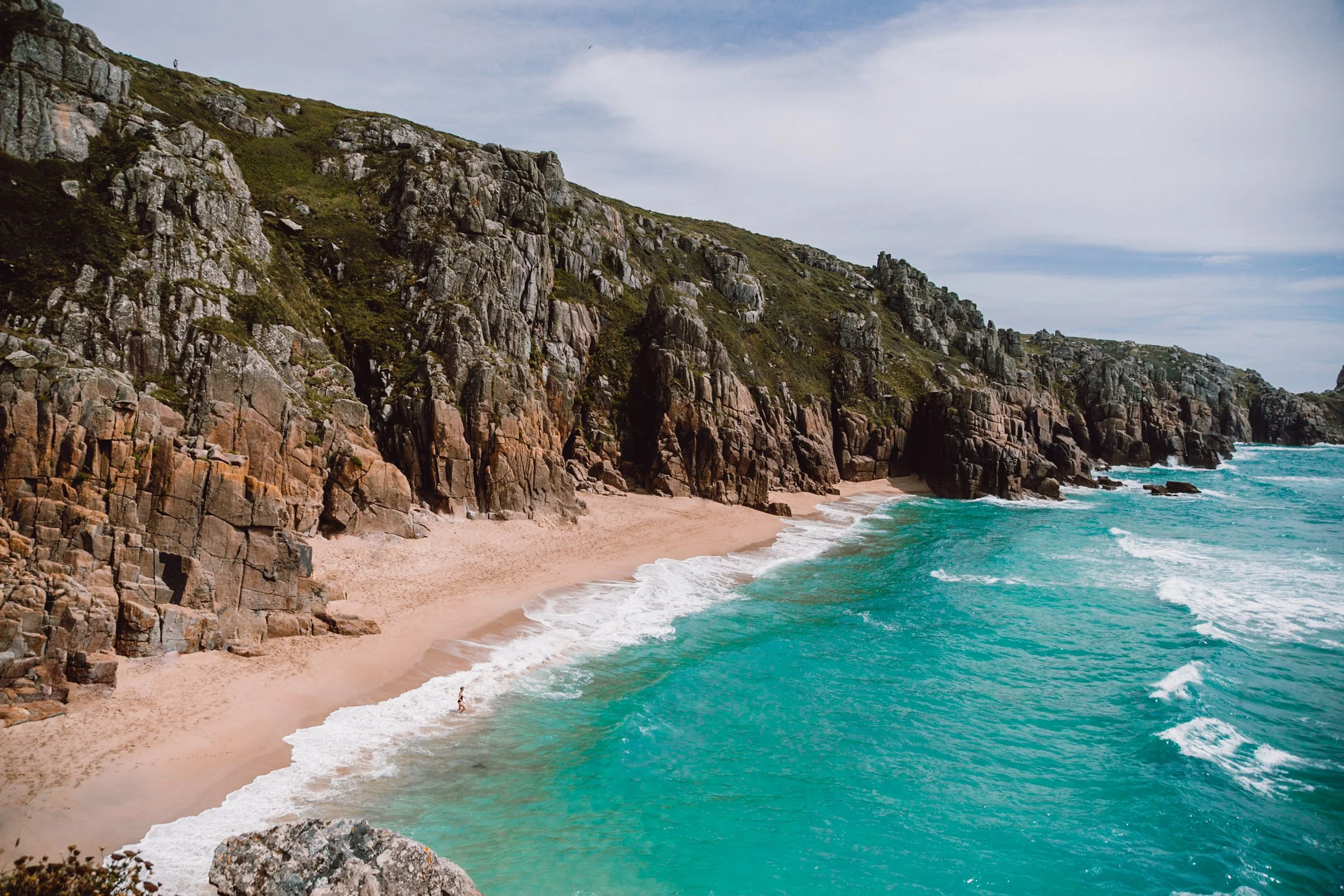
What’s in my camera bag for travel photography?
What’s in my camera bag for travel photography is focused on versatility and reliability. I carry a Canon R5 mirrorless camera, a backup body, a small selection of lenses that cover wide to telephoto focal lengths, and compact video gear. Everything is chosen to balance image quality with weight, allowing me to shoot photos, video, and aerial content without overpacking.
How do I choose the right camera bag for travel?
Choosing the right camera bag depends on comfort, access, and how you travel. I look for a bag that fits airline carry-on limits, distributes weight well, and allows quick access to gear. Durability is also essential, especially for travel photography where equipment is exposed to weather, dust, and constant movement.
Do I need multiple camera bodies when travelling?
Having more than one camera body is not essential for everyone, but it is useful if photography or content creation is your primary focus. I carry a backup body in case of technical issues and to avoid changing lenses in challenging environments. This setup reduces downtime and protects against missed shots.
How do I keep my camera gear safe while travelling?
Keeping camera gear safe while travelling starts with a good quality camera bag and proper organisation. I use padded compartments, protective cases for memory cards, and always back up files regularly. When flying, all camera equipment stays in my carry-on rather than checked luggage to reduce the risk of damage, loss or theft.
What camera gear is best for travel content creators?
The best camera gear for travel content creators is gear that is versatile, lightweight, and reliable. A mirrorless camera, a flexible zoom lens, a compact vlogging camera, even an Iphone and good audio equipment cover most needs. Drones and action cameras can add variety, but only if they fit your travel style and content goals.
Watch our travel vlogs
See our photography on Instagram
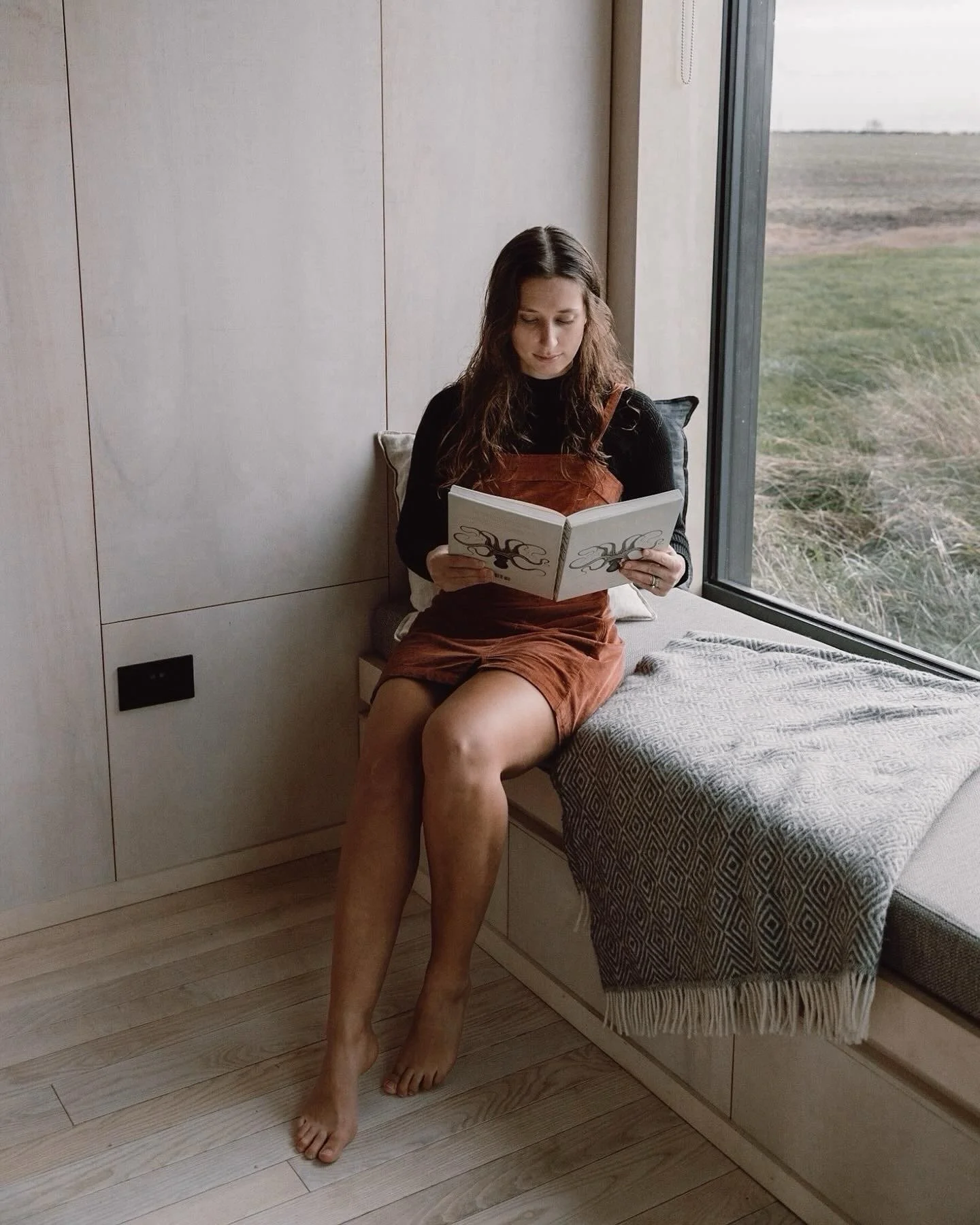
Discover a different side of Finland on this 5-day journey through the Jyväskylä Region, where peaceful lakes, fragrant pine forests, traditional saunas and charming villages showcase the magic of a Finnish summer.