This post may contain affiliate links, which means if you purchase through these links, we may receive a small commission at no cost to you. Thank you for supporting our website.
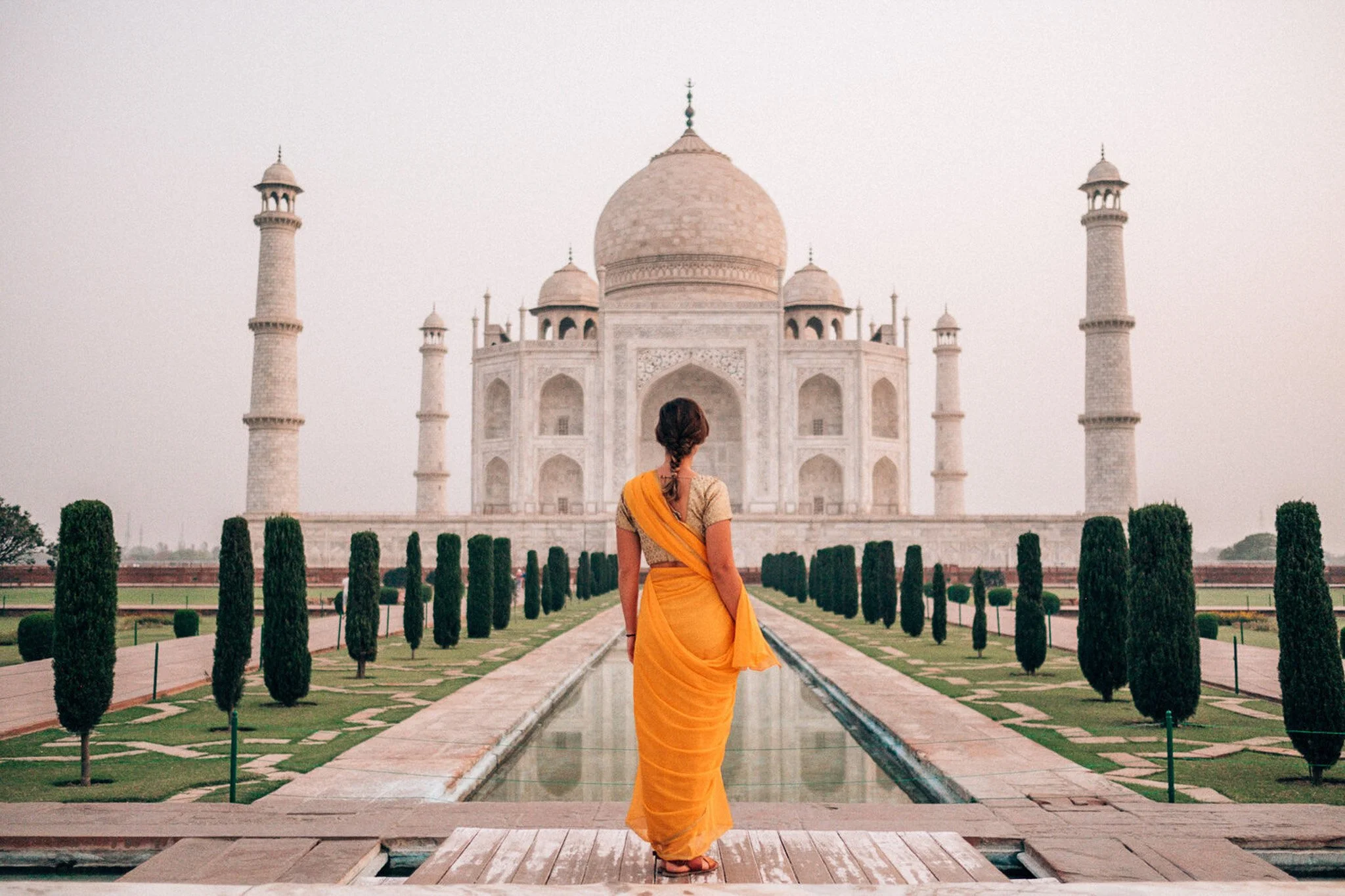
The Taj Mahal is one of the most iconic landmarks in the world and for many travellers, it is the highlight of of visiting India. While it is breathtaking at any time of year, when you visit has a huge impact on what you actually experience.
Fog, pollution, extreme heat, crowds, and seasonal closures can all affect visibility, comfort, and photography. Choosing the best time to visit the Taj Mahal is not just about picking a month, it is about understanding weather patterns, daily timing, crowd behaviour, and local conditions in Agra.
We have visited the Taj Mahal and India multiple times over the years and in this guide, we bring together practical experience and realistic planning advice to help you choose the best possible time for your visit.
India is an incredible destination, but planning the right itinerary can be overwhelming.
India Someday creates fully personalised India trips based on your travel style, handling all logistics and planning so you can focus on the experience and enjoy a stress-free journey.
Get 15% off India Someday planning fees by using code 'FOA'.
This guide breaks down the best time to visit the Taj Mahal by month, including weather, crowds, visibility, sunrise conditions, and first-time visitor tips, so you can plan your visit with confidence.
How to Use This Guide
Use the Contents table below to jump to any section. Click a heading in the guide to return to the top and continue exploring.
Contents
The best time to visit the Taj Mahal is between October and March, when cooler temperatures make walking the marble complex far more comfortable and visibility is generally clearer than in summer or monsoon months.
Within this period, November and February usually offer the best overall conditions. These months combine pleasant daytime temperatures, improved air clarity, and fewer fog disruptions compared to winter.
However, this is also peak travel season in Agra. December and January bring the highest visitor numbers, along with early morning fog that can completely obscure the Taj Mahal at sunrise. It is not uncommon for winter fog to delay clear views until mid-morning.
If you have flexibility, October and late February and March are often the true sweet spot. You benefit from comfortable weather, clearer skies, and slightly fewer crowds than during the busiest winter weeks.
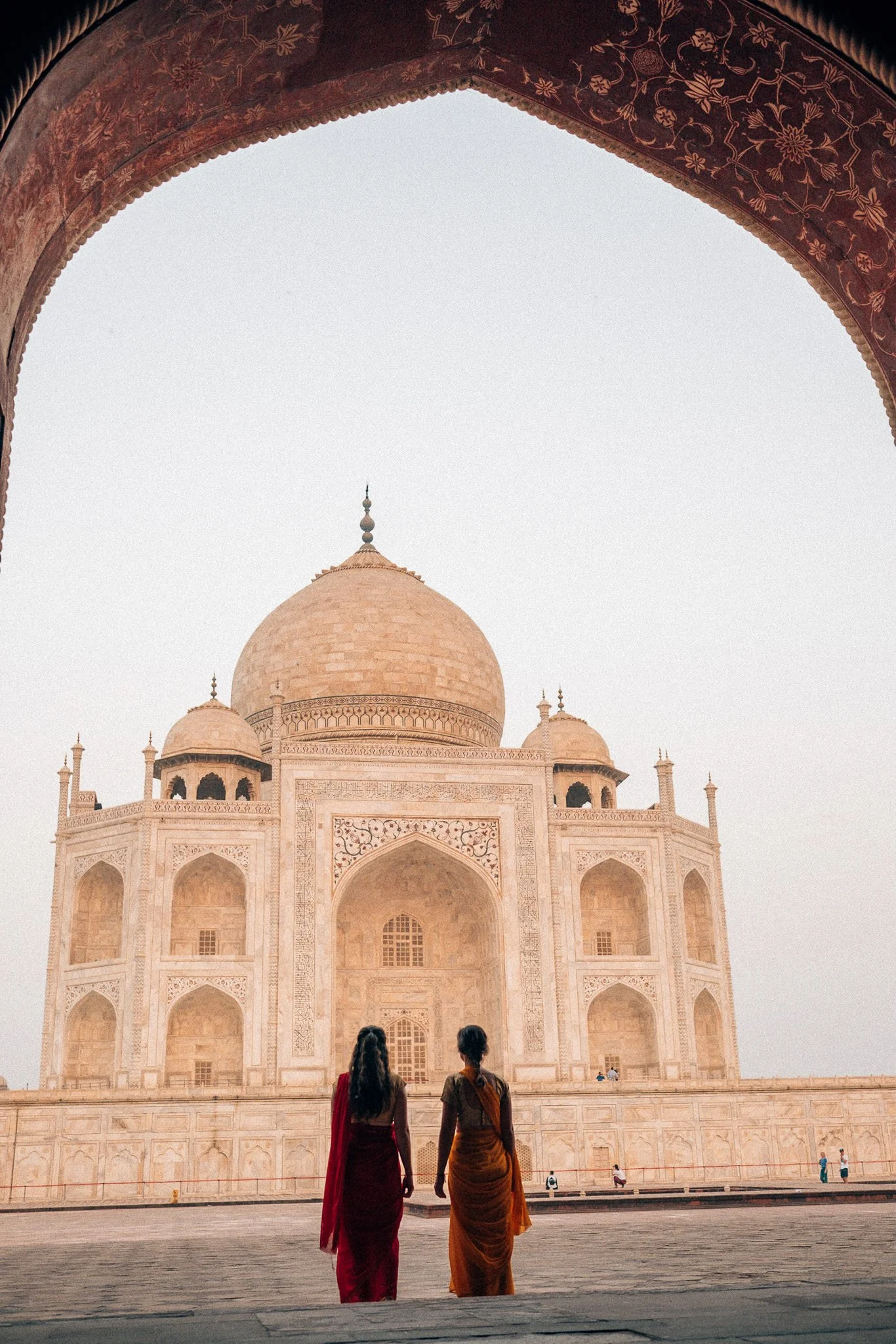
Agra experiences a highly seasonal climate, with extreme summer heat, a humid monsoon period, and cool winters that can bring dense morning fog. These shifts significantly affect comfort, visibility, and photography conditions at the Taj Mahal. Understanding how each season impacts your visit helps you plan for clearer views, manageable temperatures, and a smoother overall experience.
The Taj Mahal can look completely different depending on when you visit. Seasonal fog, summer heat, monsoon haze, and peak tourist periods all affect visibility, photography conditions, and overall comfort. A month-by-month breakdown helps you plan realistically, whether your priority is clear sunrise views, fewer crowds, or cooler temperatures for sightseeing.
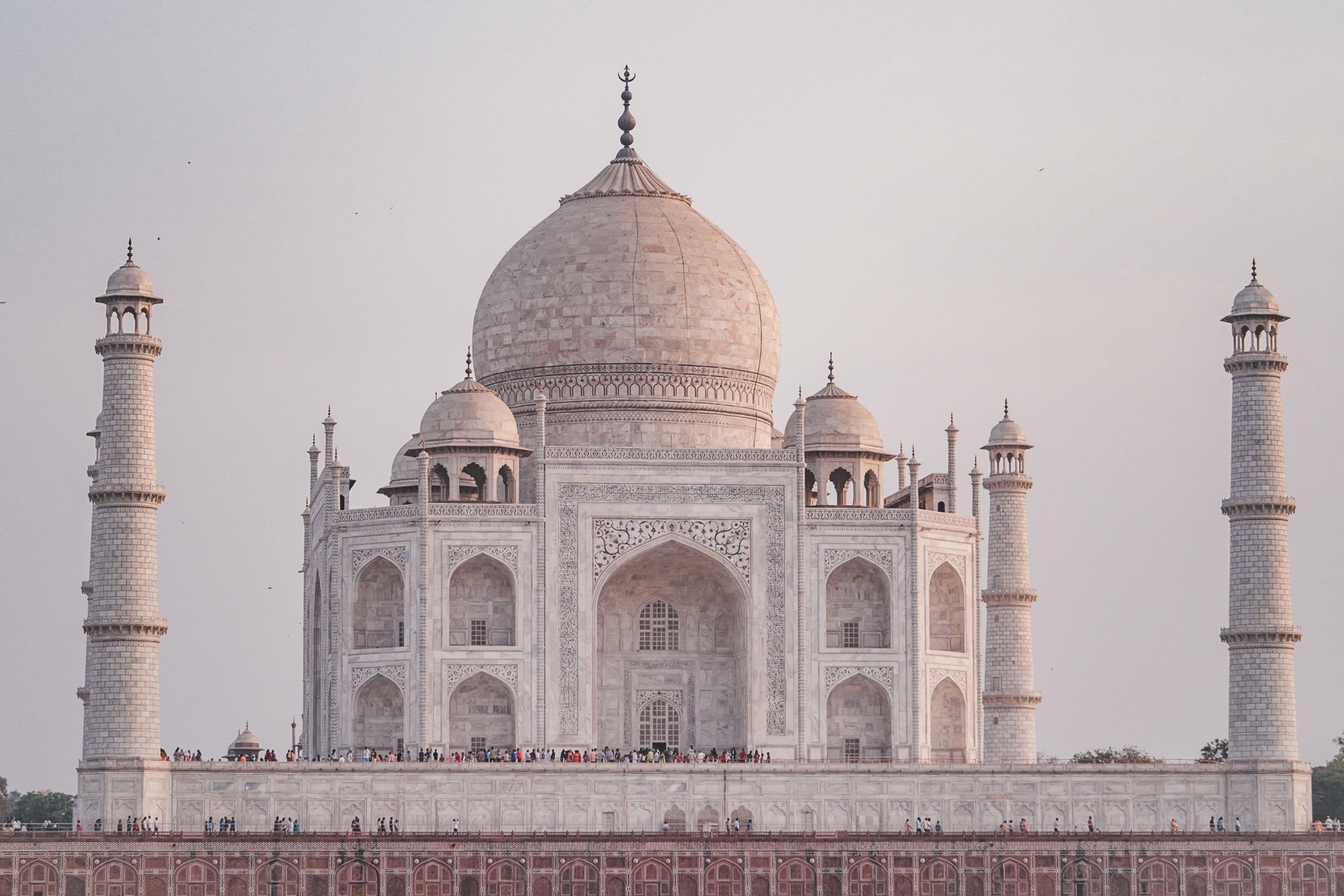
January
Average temperature | 7–20°C
January is cold by Indian standards and early mornings are often affected by thick fog. While the temperature is comfortable for walking later in the day, sunrise views are frequently disappointing.
Best for | Fewer midday crowds
Good to know | Sunrise visibility is unreliable
February
Average temperature | 10–25°C
February is one of the best months to visit the Taj Mahal. Morning fog becomes less frequent than in January, temperatures are comfortable, and visibility is usually clear. Sunrise visits are far more reliable, and the marble often appears crisp under soft winter light.
Best for | Sightseeing, photography, first-time visitors
Good to know | Peak season continues, book tickets in advance
March
Average temperature | 15–30°C
March brings clear skies and gradually rising temperatures. Early mornings remain pleasant, while afternoons start to feel warmer toward the end of the month. Crowds begin to thin slightly after the winter peak, making it a strong shoulder-season option.
Best for | Clear views, balanced weather, fewer crowds
Good to know | Midday heat increases late in the month
April
Average temperature | 20–35°C
April marks the transition into serious summer heat. Sunrise and early morning visits are essential, as temperatures climb quickly after 9am. Visibility is typically excellent, but comfort becomes a bigger factor.
Best for | Early risers, photography with strong light
Good to know | Midday visits can feel exhausting
May
Average temperature | 25–45°C
May is one of the most challenging months to visit the Taj Mahal. Extreme heat makes walking the complex physically demanding, especially on exposed marble surfaces. Crowds are lower, but conditions can be intense.
Best for | Experienced travellers comfortable with heat
Good to know | Heat exhaustion is a genuine risk
June
Average temperature | 28–45°C
June remains extremely hot, with occasional dust storms reducing air clarity. Sunrise visits are manageable, but by mid-morning the heat becomes oppressive. Visitor numbers remain lower than in winter.
Best for | Budget travellers and off-peak visits
Good to know | Visibility can fluctuate due to dust
July
Average temperature | 26–35°C
July marks the beginning of the monsoon season. Humidity rises sharply, and rain showers can reduce visibility. While the crowds are lighter, skies are often hazy and photography conditions less predictable.
Best for | Off-season travellers
Good to know | Rain and humidity can affect comfort
August
Average temperature | 25–34°C
August continues the monsoon season, with humid conditions and frequent cloud cover. The white marble may appear less vibrant under overcast skies, though the surrounding gardens look greener.
Best for | Fewer tourists and quieter visits
Good to know | Rain can disrupt outdoor plans
September
Average temperature | 23–33°C
September is a transitional month as the monsoon begins to ease. Humidity gradually drops, and visibility improves later in the month. Crowds remain relatively low compared to peak winter.
Best for | Shoulder season value
Good to know | Early September can still feel humid
October
Average temperature | 18–32°C
October is one of the best months to visit the Taj Mahal. Clear skies return, humidity drops, and temperatures become comfortable for extended sightseeing. Sunrise conditions are generally reliable.
Best for | First-time visitors, photography, balanced weather
Good to know | Visitor numbers begin to rise again
November
Average temperature | 12–28°C
November offers excellent overall conditions. Mornings are cool but usually clear, and daytime temperatures are ideal for exploring the complex at a relaxed pace. Visibility is typically strong.
Best for | Sunrise visits, comfortable sightseeing
Good to know | Peak season pricing applies
December
Average temperature | 8–25°C
December brings cool, pleasant days but increasing chances of early morning fog. While the monument looks beautiful later in the day, sunrise visibility can be unreliable, particularly toward the end of the month.
Best for | Winter travel and comfortable afternoons
Good to know | Very busy, especially around holidays
Sunrise is widely considered the best time to visit the Taj Mahal, thanks to softer light, cooler temperatures, and smaller early-morning crowds. However, sunrise is not always the best option, particularly during winter when fog can completely obscure the monument.
Best months for sunrise visits
February, March, October, and November offer the most reliable conditions. During these months, visibility is generally clear, skies are brighter, and the marble reflects beautiful golden and pink tones in the early light.
Months to avoid sunrise
December and January often experience dense morning fog in Agra. It is not uncommon for the Taj Mahal to remain hidden until mid-morning, which can make early entry disappointing.
If fog is present, waiting until late morning can actually provide clearer views than sunrise. In winter, patience often delivers better results than arriving at the gates before dawn.
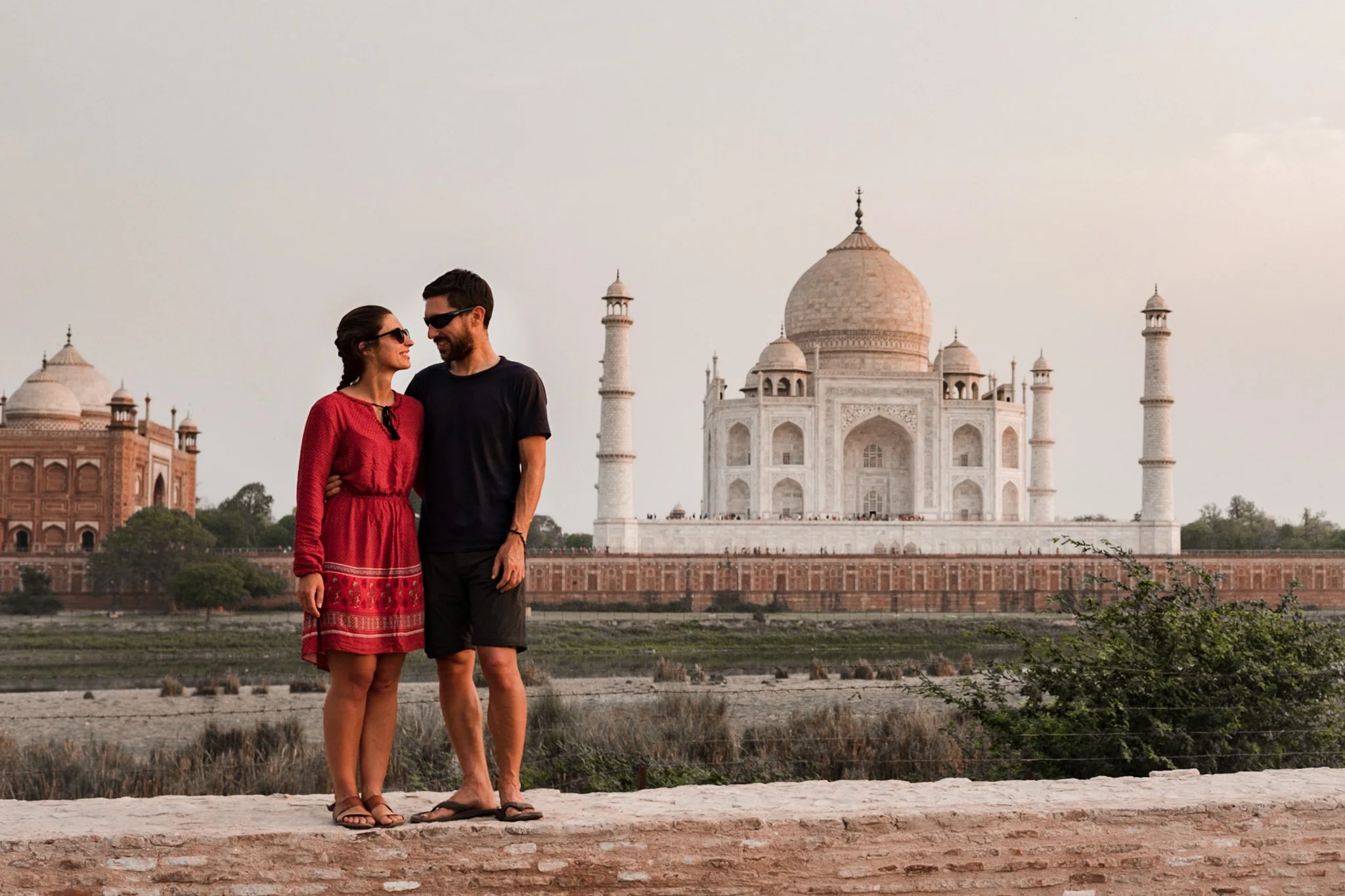
The Taj Mahal is one of the most visited monuments in the world, so some level of crowding is inevitable. However, strategic timing can make a noticeable difference to your experience.
Best times to avoid crowds
Late February and March, when peak winter tourism begins to ease
Early October, before peak season
Weekdays rather than weekends, especially Tuesday to Thursday (The Taj Mahal is closed on Fridays)
These periods typically offer shorter entry queues and slightly more breathing room inside the complex.
Try to avoid
December and January, when international tourism peaks
Indian public holidays and long weekends
Major school holiday periods
Even during busy months, arriving at opening time or visiting during the final hour before closing can significantly reduce crowd density. Early entry remains the most reliable way to experience the Taj Mahal with fewer people in your photographs.
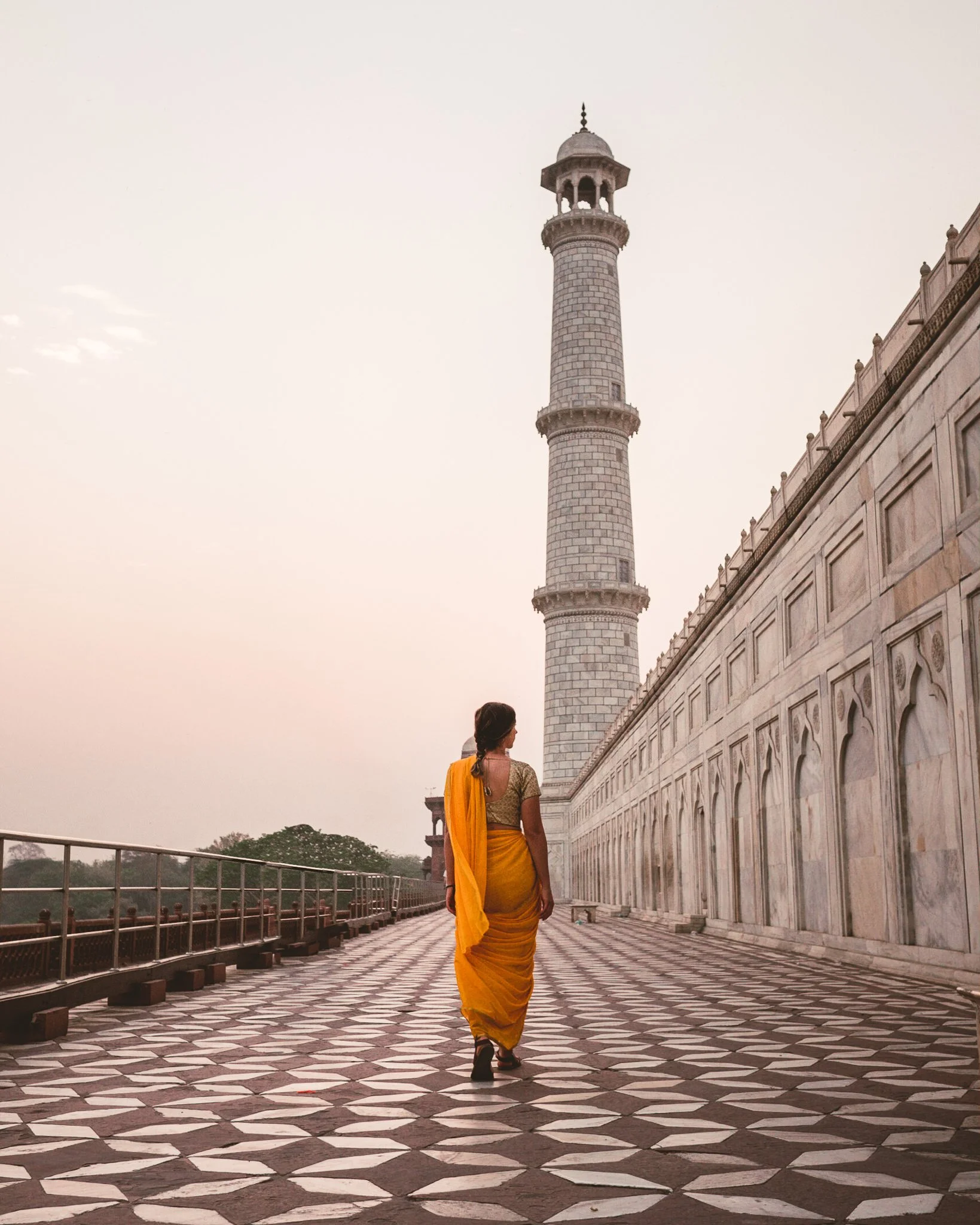
The worst time to visit the Taj Mahal is during May and June, when extreme summer heat can make sightseeing uncomfortable and, at times, unsafe. Daytime temperatures frequently exceed 40°C, and walking across the exposed marble complex becomes physically demanding. Even early mornings warm up quickly, limiting how long most visitors feel comfortable staying.
July and August can also be challenging. While temperatures are slightly lower, high humidity, frequent rain showers, and hazy skies reduce visibility and affect photography conditions. The monument may appear dull under overcast light, and heavy rain can disrupt outdoor plans.
Unless you are comfortable travelling in extreme heat or unpredictable monsoon conditions, it is generally better to plan your visit outside these months for a more enjoyable experience.
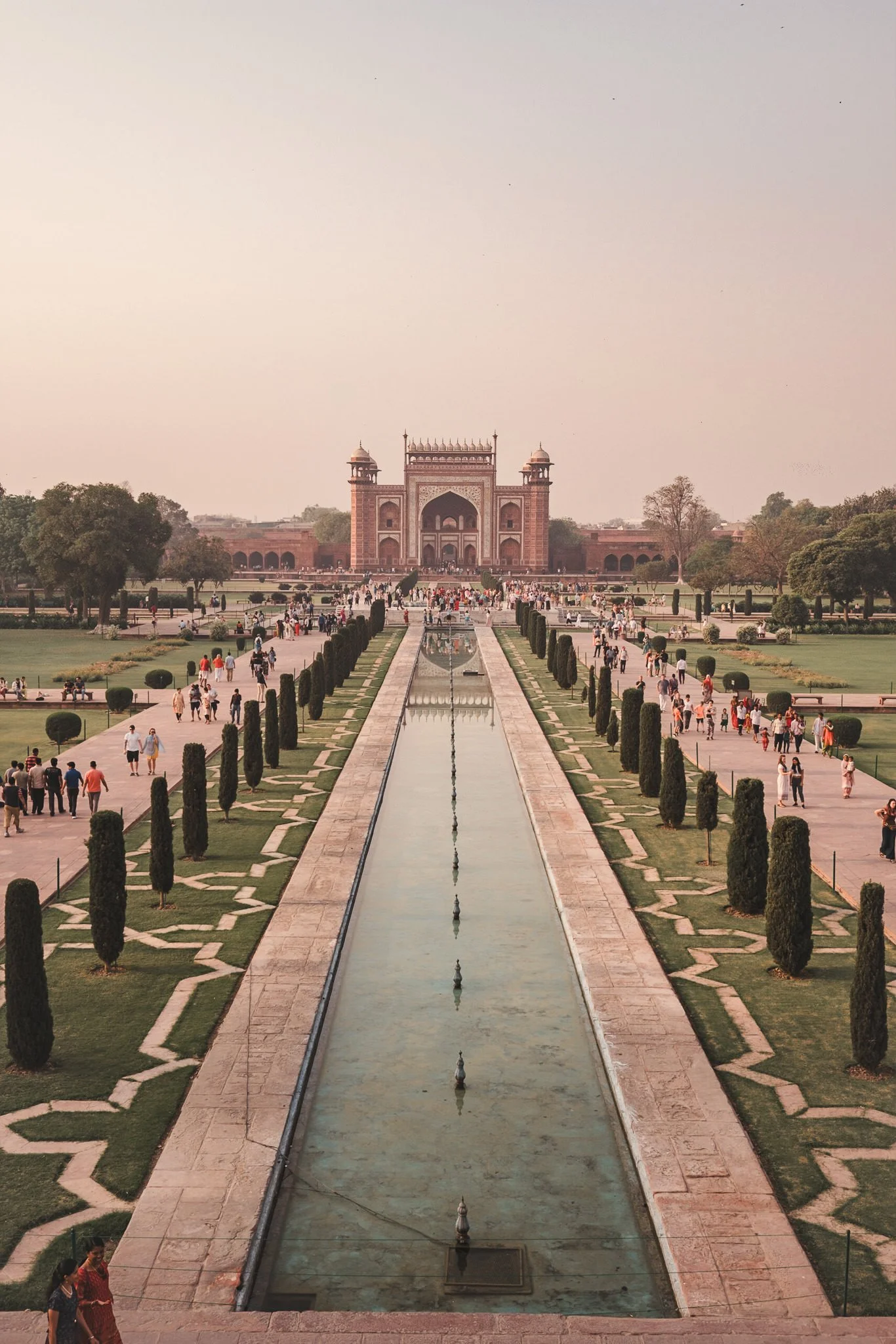
For first-time visitors, October to March provides the most comfortable and rewarding introduction to the Taj Mahal. During these months, cooler temperatures make it far easier to explore the complex at a relaxed pace, without the physical strain of extreme summer heat.
Among these, February and November are particularly well suited to first-time travellers. They typically offer clearer skies, reliable sunrise conditions, and a better balance between pleasant weather and manageable crowd levels. Visiting during this window allows you to focus on the experience itself rather than navigating fog, heat, or heavy monsoon humidity.
If this is your first time seeing the Taj Mahal, planning within this period significantly increases your chances of enjoying clear views, comfortable walking conditions, and a smoother overall visit.
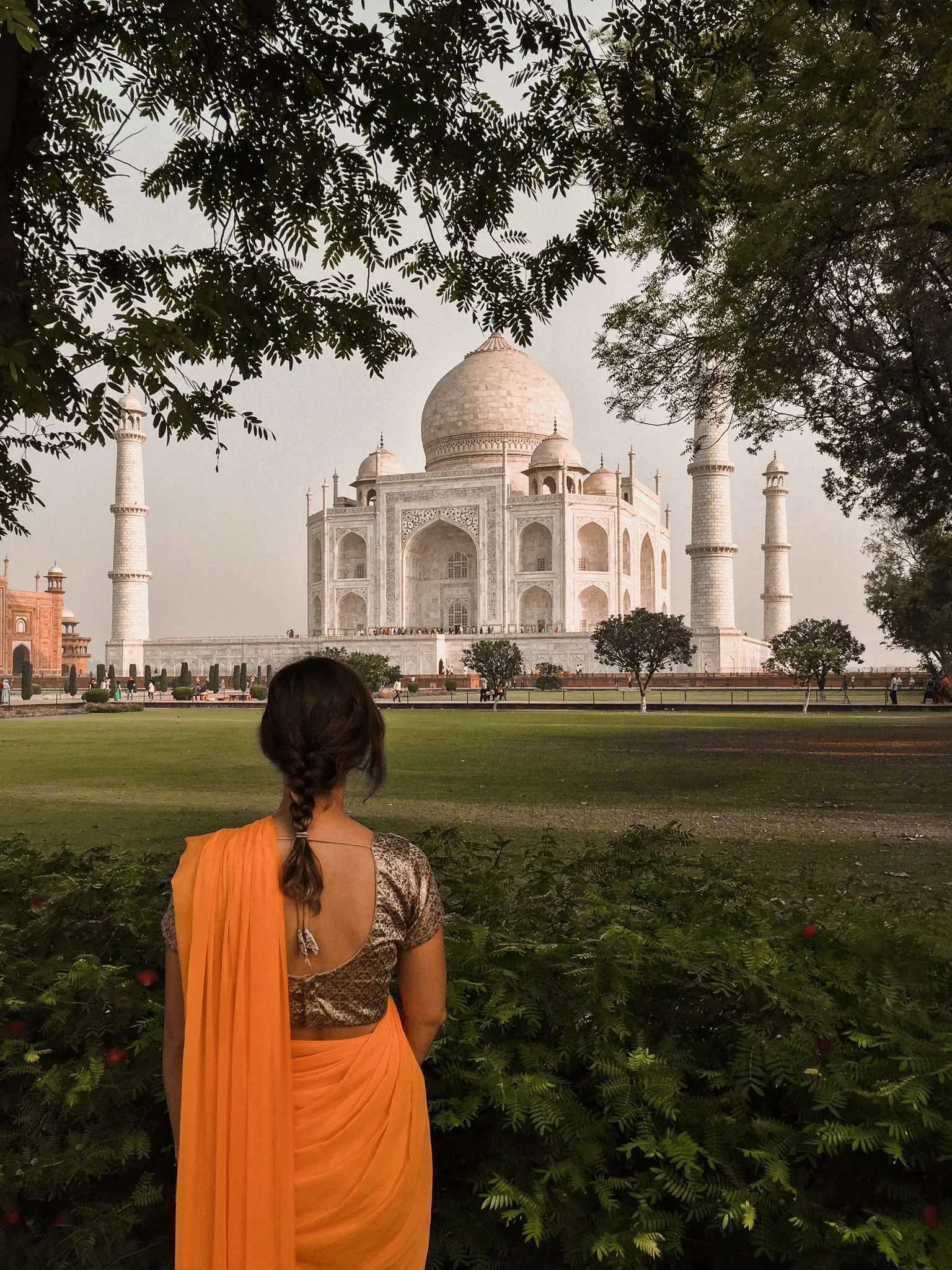
The Taj Mahal is one of the most photographed monuments in the world, and timing plays a crucial role in capturing it at its best.
For the clearest images and strongest contrast, February and March are ideal. Skies are typically clear, air quality is better than in peak winter, and visibility is far more reliable than during fog season.
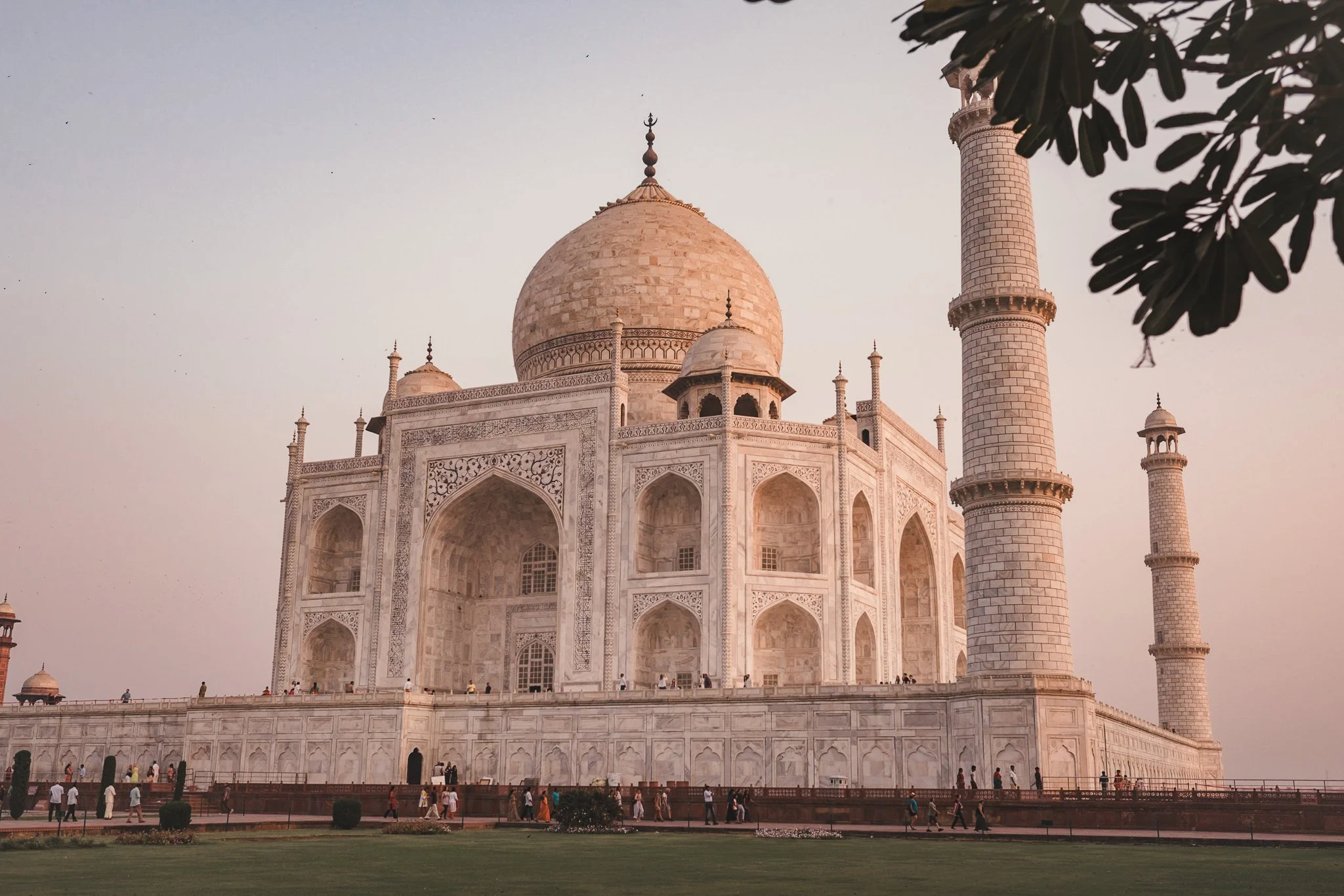
For warmer, softer tones, October and November offer beautiful golden light and gentle atmospheric warmth. The marble reflects subtle pink and amber hues during early morning and late afternoon.
In terms of time of day, aim for early morning or the final hour before sunset. Morning light is softer and less harsh, while late afternoon often produces warmer tones and fewer crowds than mid-morning.
Avoid December and January sunrise visits due to fog, and be cautious during peak summer months when harsh glare and extreme brightness can wash out detail on the white marble.
Planning your photography around both season and light dramatically improves your chances of capturing the Taj Mahal at its most striking.
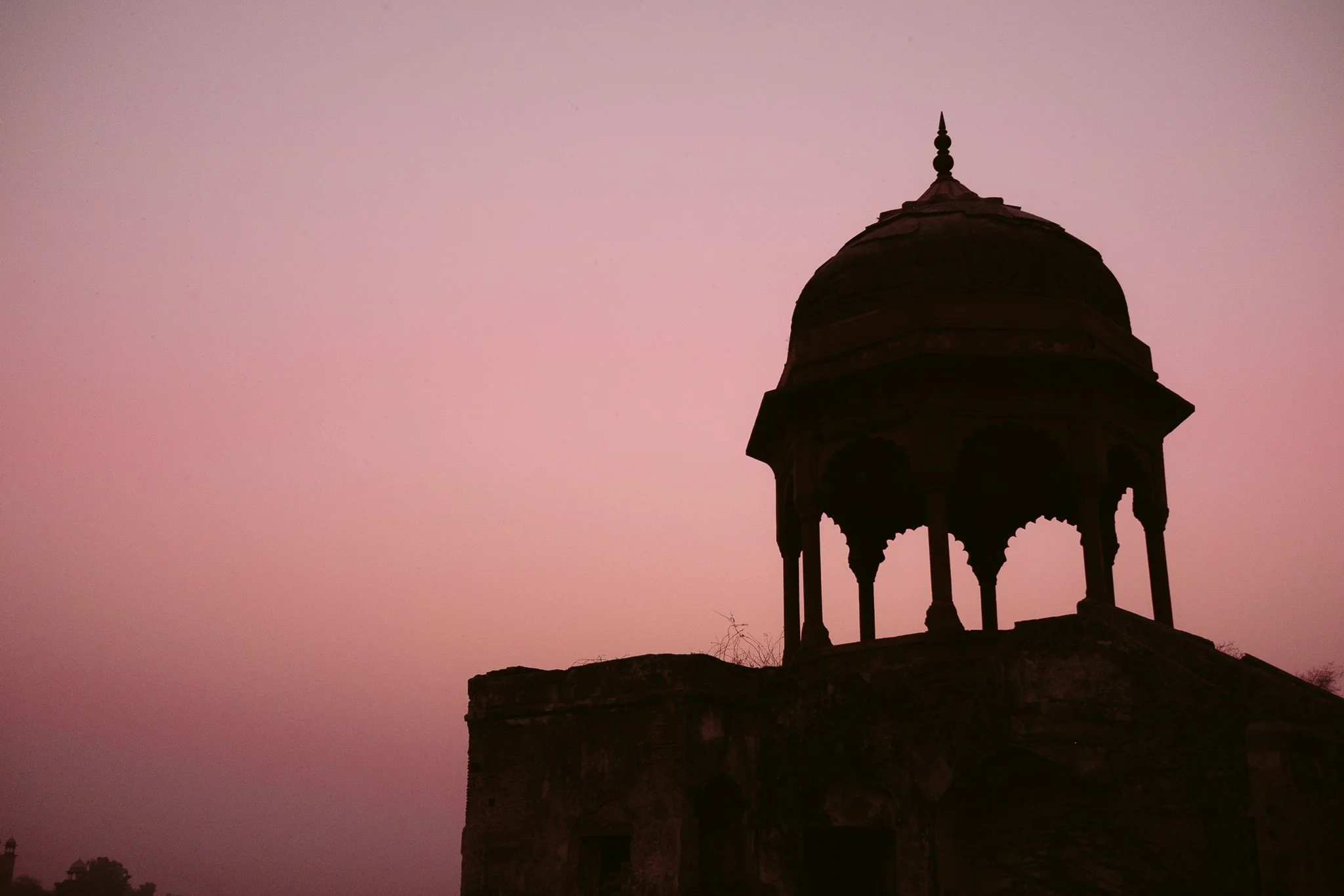
Before planning your visit, it is important to understand the Taj Mahal’s opening schedule and access rules.
Closed every Friday
The Taj Mahal is closed to visitors on Fridays, except for those attending prayers at the mosque.
Open from sunrise to sunset
The monument opens 30 minutes before sunrise and closes 30 minutes before sunset every day of the week except Friday. Exact opening times vary slightly throughout the year depending on daylight hours.
Full moon night visits
Special night viewing sessions are available on selected dates around the full moon, typically five nights per lunar cycle. Tickets must be purchased in advance, and visitor numbers are strictly limited.
Arrive early
Arriving at opening time is one of the best ways to reduce queues and avoid heavy crowd build-up. Security checks are thorough, so allow extra time during peak season.
Additional practical tips
Tickets can sell out during high season, so book in advance where possible.
Large bags, tripods, and certain items are restricted.
Bring only essential items to speed up security checks.
The complex involves significant walking, so plan your visit accordingly, especially in summer.
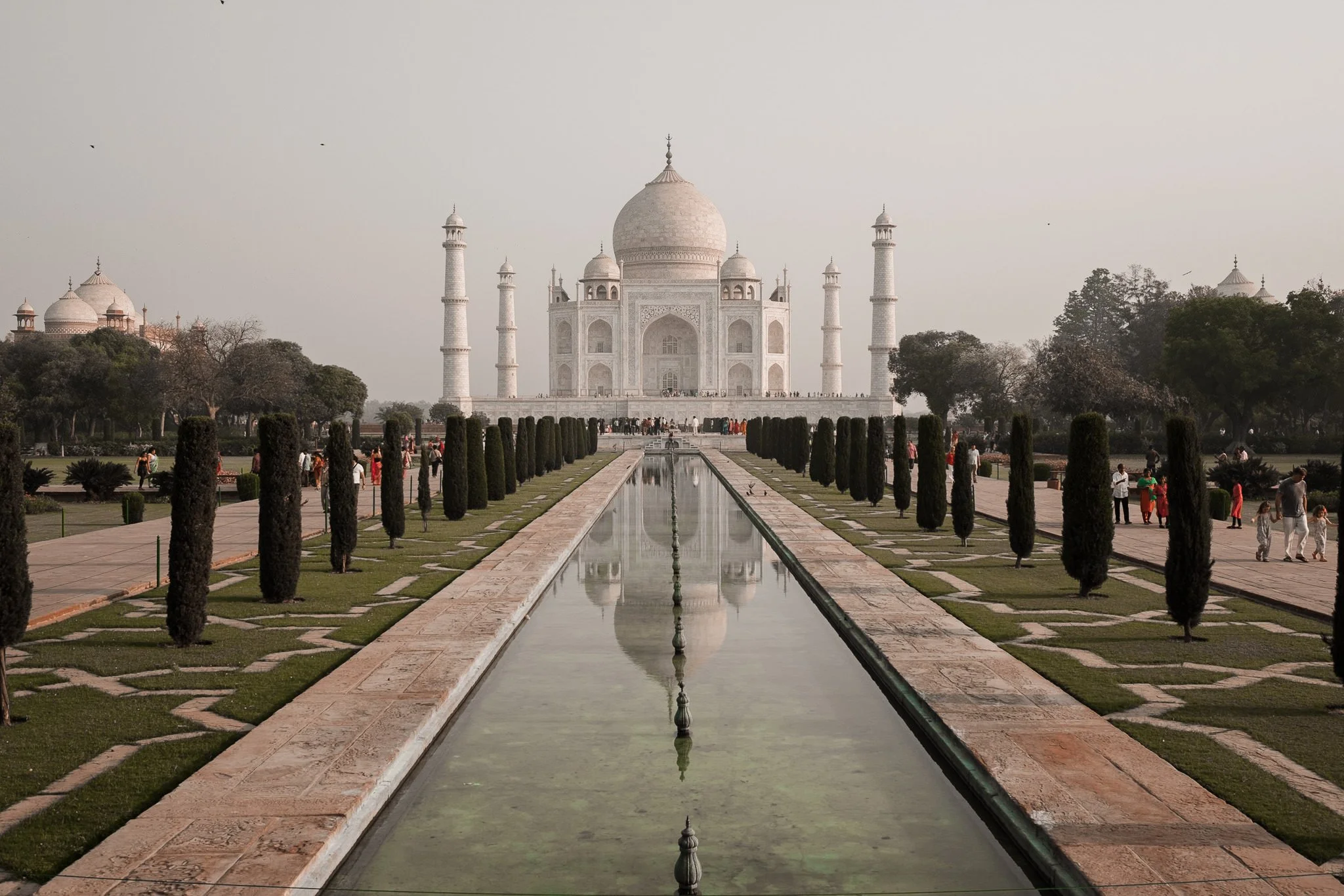
Most visitors spend 2 to 3 hours exploring the Taj Mahal complex at a relaxed pace. This allows enough time to walk through the main gateway, admire the central mausoleum, explore the gardens, and visit the mosque and surrounding buildings without feeling rushed.
If you arrive at sunrise, you may want additional time to wait for improving light conditions, especially during cooler months when fog can delay clear views.
For a more complete experience in Agra, combine your visit with nearby attractions:
Agra Fort offers impressive Mughal architecture and elevated views toward the Taj Mahal.
Mehtab Bagh provides a peaceful riverside perspective, particularly beautiful at sunset.
Allowing a full day in Agra gives you flexibility to visit the Taj at the best time of day and explore surrounding sites without rushing.
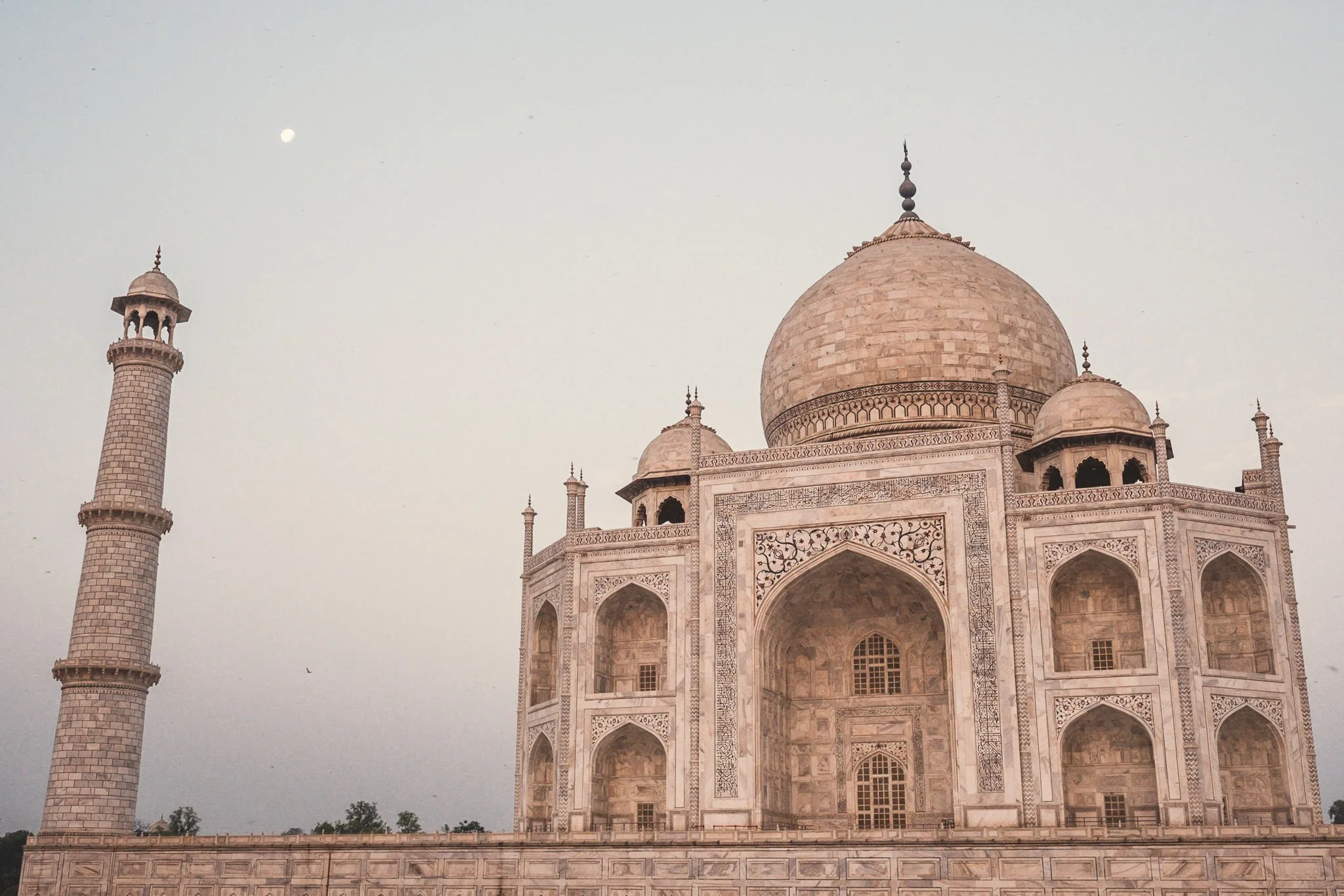
Choosing the right area to stay in Agra can significantly improve your Taj Mahal experience, especially if you are planning a sunrise visit. Staying close to the East or West Gate reduces travel time, avoids vehicle restrictions, and makes early entry much easier.
The Oberoi Amarvilas
One of the most iconic luxury hotels in India, The Oberoi Amarvilas offers direct views of the Taj Mahal from many rooms and terraces. Located just 600 metres from the monument, it is the ultimate choice for a premium, seamless experience.
ITC Mughal
Set within landscaped Mughal-style gardens, ITC Mughal offers spacious rooms, excellent dining, and resort-style amenities. While most rooms do not have Taj views, the property provides comfort and easy access to the monument.
The Trident Agra
A strong mid-range option near the Taj East Gate, The Trident offers modern rooms, a pool, and family-friendly facilities. It provides a comfortable and convenient base for early morning visits.
Looking for something different? Use our interactive map to book your perfect stay in Agra.
Visiting the Taj Mahal involves a fair amount of walking, exposure to the elements, and airport-style security checks. Packing thoughtfully will make your experience far more comfortable.
India is an incredible destination, but planning the right itinerary can be overwhelming.
India Someday creates fully personalised India trips based on your travel style, handling all logistics and planning so you can focus on the experience and enjoy a stress-free journey.
Get 15% off India Someday planning fees by using code 'FOA'.
Essential Items
Comfortable walking shoes | You will walk across marble floors, stone pathways, and garden grounds for several hours.
Sunhat and sunglasses | The complex is largely exposed, and sunlight reflects strongly off the white marble.
Sunscreen | Even in winter, the sun can feel intense, particularly late morning.
Reusable water bottle | Staying hydrated is essential, especially from March onward.
Camera with wide and zoom lens | A wide lens captures the full façade, while a zoom helps frame architectural details.
Seasonal Additions
Light layers in winter | Early mornings between December and February can feel surprisingly cold.
Lightweight breathable clothing in summer | Choose loose fabrics to stay comfortable in high heat.
Small umbrella or light rain layer in monsoon season | July to September can bring sudden showers.
Important Note
Security is strict. Large bags, tripods, and certain electronic items are not permitted, so carry only essentials to speed up entry.
Packing smartly allows you to focus on the experience rather than discomfort.
Is the Taj Mahal open every day?
No. The Taj Mahal is closed to visitors on Fridays, except for those attending prayers at the mosque. It is open from sunrise to sunset on all other days.
What is the best month to visit the Taj Mahal?
February is often considered the best overall month, offering clear skies, comfortable temperatures, and more reliable sunrise visibility compared to peak winter.
Is sunrise always the best time to visit?
Not always. Sunrise offers softer light and cooler temperatures, but during December and January, heavy fog can completely obscure the monument. In winter, late morning may provide clearer views.
How crowded does it get?
The Taj Mahal is extremely busy during peak season, especially between December and January and during public holidays. Mid-morning is typically the most crowded time of day.
Is summer a bad time to visit?
For most travellers, yes. May and June bring extreme heat, often exceeding 40°C, making sightseeing physically demanding. Early morning visits are essential during summer months.
How long should I spend at the Taj Mahal?
Most visitors spend 2 to 3 hours exploring the complex at a comfortable pace.
Can you visit the Taj Mahal at night?
Yes, limited night viewing is available on selected dates around the full moon. Tickets must be booked in advance and spaces are restricted.
Do I need to book tickets in advance?
During peak season, booking in advance is highly recommended to avoid long queues and ensure entry at your preferred time.
Plan your next adventure
If you book through our links, you help support our website at no extra cost to you - thank you!
READ our India Guides
When Is the Best Time to Visit Jodhpur? A Complete Month-by-Month Guide
Best Time to Visit Jaipur | Weather by Month, Festivals, Where to Stay & Travel Tips
Ranthambore National Park | Best Months to Visit for Safaris and Wildlife Sightings
Best Time to Visit Shimla | Complete Month-by-Month Guide
Discover the best hotels in Agra for visiting the Taj Mahal, including luxury resorts